You have the vision. An asymmetrical neckline. A vintage-inspired hand-smocked bodice. A jacket with a hand-stitched contrast stitch that follows a complex curve. You send the design to a mass-market factory, and what comes back is a lifeless copy. The proportions are wrong. The "hand-stitched" detail is a cheap machine approximation. The rare, unique soul of your design has been stripped away by a factory that only understands volume, not craft. This is the heartbreak of a brand that wants to create art, not just product. A rare style cannot be faked by a standard assembly line. It requires a different way of building a garment.
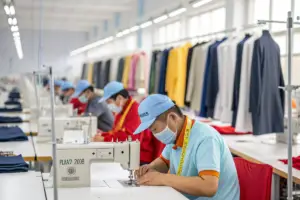
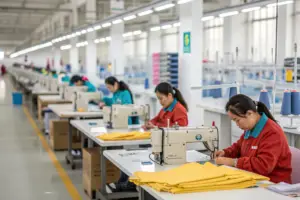
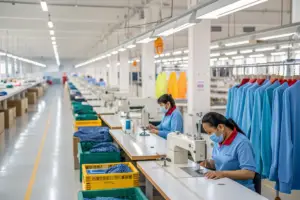
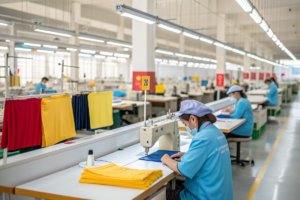
Shanghai Fumao ensures rare style production accuracy by combining digital precision tools with dedicated artisan work cells. We digitize complex patterns with 3D simulation, then hand-execute the special techniques like smocking and embroidery under strict quality gates. The digital blueprint defines the exact standard. The artisan's hands bring it to life. Together, they create a perfect, repeatable rare style.
What does it take to produce 500 pieces of a "one-of-a-kind" design, with every single piece looking exactly like the visionary sample? It takes a fusion of engineering and craft that few factories are willing to invest in. Let me show you how we protect your design intent from the sample room to the shipping carton.
Digital Design Archives and Exact Specification Lockdown
Accuracy begins with a flawless master document. If the factory is working from a fuzzy sketch or an incomplete tech pack, the production will be a game of telephone. Information gets lost. Details get guessed. By the time the garment is sewn, it bears no resemblance to your idea. We solve this at the very beginning by creating a digital design archive that locks down every measurable and visual detail of your rare style before a single piece of fabric is cut.
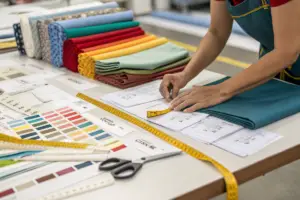
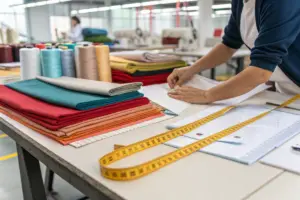
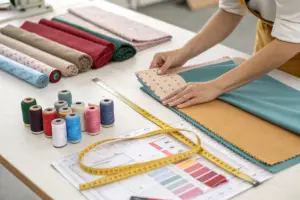
We create a comprehensive digital tech pack that includes the 3D pattern file, the exact stitch types and thread colors, the precise placement coordinates for all embellishments, and the approved fabric swatch. This digital blueprint is version-controlled and becomes the single source of truth for the entire production run. No operator makes a subjective decision. Every detail is specified and measurable.

How Does a 3D Pattern Simulation Validate a Complex Design Before Cutting?
A flat 2D pattern can hide construction problems. A draped cowl neck in a silk charmeuse might look elegant on paper, but the flat pattern cannot show you how gravity will pull the bias fabric. Will it ripple? Will the cowl collapse into a shapeless puddle? We answer these questions digitally. We use 3D garment simulation software to model the exact fabric properties and drape the virtual garment on an avatar.
This digital validation is the first accuracy gate. For a Los Angeles-based evening wear brand, we received a design for a bias-cut slip dress with an intricate back drape. The 3D simulation immediately showed the drape collapsing under the fabric's own weight on the specified silk satin. We worked with the designer in the digital environment, adjusting the drape attachment points by a few millimeters until the simulation showed a perfect, stable cascade. The physical sample, when cut and sewn, matched the corrected simulation within 99%. This tool, central to modern fashion design technology, prevents a beautiful sketch from becoming a sewing room disaster.
What Is a Specification Lockdown and Why Does It Stop "Factory Interpretation"?
"Factory interpretation" is a polite phrase for a factory changing your design without telling you. They use a cheaper seam. They simplify a pocket angle. They do it because the spec sheet wasn't clear, and they defaulted to "the easy way." A specification lockdown is a formal pre-production meeting where we walk through every single line of the tech pack with the pattern master, the cutting head, and the sewing line supervisor.
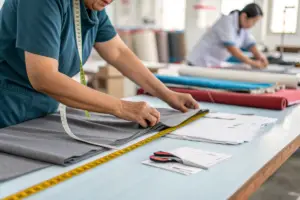
We pin the approved sample to a board. We measure every seam allowance with a digital caliper in front of the team. We photograph the sample from every angle. We create a "golden sample" that is sealed in a plastic bag and becomes the physical reference standard. After this meeting, the team signs a document that they understand the specification. There is zero room for interpretation. For a British brand producing a limited-edition trench coat with a rare vintage pattern, this lockdown meeting caught three potential construction shortcuts before they happened. The production run of 300 coats was identical to the original archival piece.
Artisan Skill Verification and Technique-Specific Work Cells
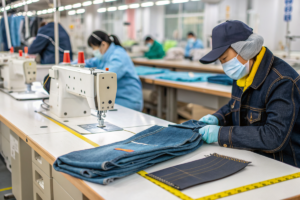
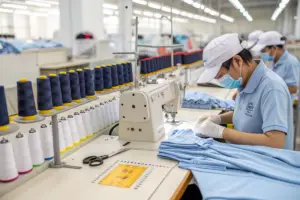
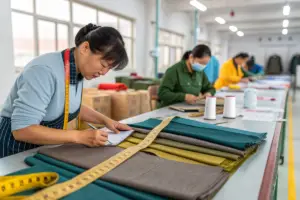
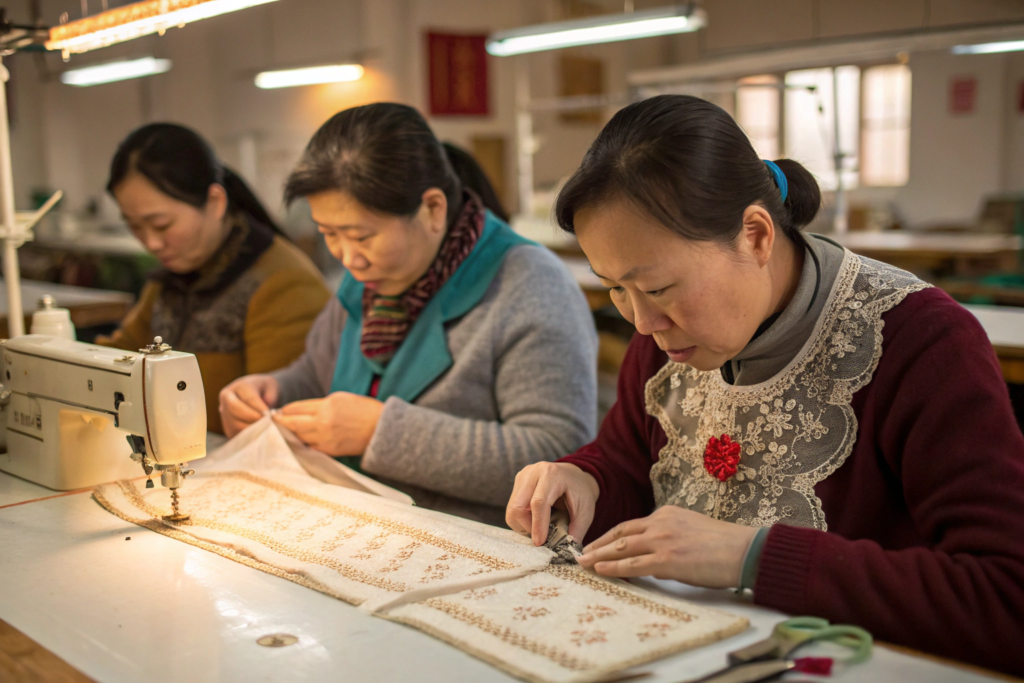
A machine cannot hand-smock. A standard sewing operator cannot execute a bullion stitch or apply a delicate lace insertion. If you push a specialized craft task onto a general production line, you will get a poor imitation. We respect the rarity of these skills by protecting the artisans who hold them. We created dedicated technique-specific work cells, small teams of specialists who do nothing else but their specific craft. They are not pulled away to hem basic t-shirts.
We maintain separate artisan cells for hand embroidery, smocking, beadwork, and specialty trim attachment. We verify the skill level of every artisan against a master standard before they work on a client order. Each cell has a master craftsperson who audits the work against a stitch-per-inch benchmark. This segregation of craft from mass production ensures your rare style details are executed by people who have dedicated their careers to that single technique.
How Do We Verify an Artisan's Skill Before a Rare-Style Order?
You cannot assume an operator who did a simple running stitch last week can execute a French knot today. We have an internal skill certification matrix. Every artisan in our craft cells holds a graded certification for their specific technique: Level 1, 2, or 3 Master. Before a rare-style order begins, we match the design's complexity score against the required artisan level.
A Master (Level 3) artisan must execute the pre-production sample of the craft element. This sample becomes the benchmark. The same artisan then sets up the jigs and guides and trains the Level 2 artisans who will handle the bulk. For a Parisian couture-inspired brand producing a beaded collar, our master beadworker created the first article. She then set a "stitches per bead" standard and a tension guide. We tested every beader against this standard on a trial piece before they touched the production garments. This verification process, similar to the rigorous skill testing used in haute couture ateliers, ensures that the 200th collar matches the first.
Why Does a Separate Trimming Cell Protect Delicate Embellishments?
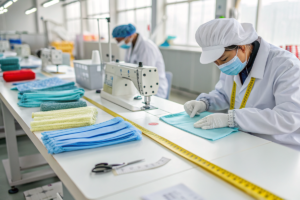
Lace trims, beaded fringes, and delicate ribbon ties are vulnerable. If these are applied on the main production line, they get crushed, snagged on neighboring machines, and handled by operators with different priorities. We built a separate clean finishing cell specifically for trim attachment and final embellishment.
This area has padded work surfaces to protect delicate fabrics. The lighting is calibrated to a specific color temperature for color matching. The workers wear soft cotton gloves to handle pearl buttons or metallic threads. For a UK-based bridal brand's order of lace-trimmed silk robes, this separate cell was the only reason the order passed final inspection. The lace, a fragile vintage Chantilly, remained flawless because it was never exposed to the dust and speed of the main assembly floor. This physical segregation of fragile work protects your garment finishing quality in ways that a single-line factory cannot.
Inline Craft Audits Against a Physical Golden Sample
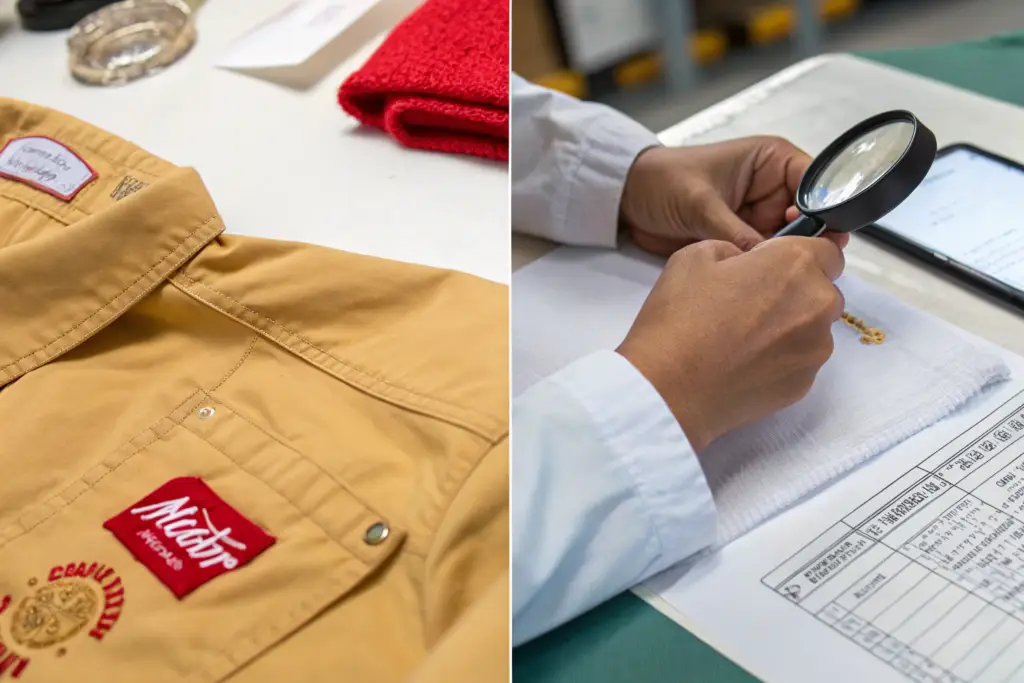
A rare style is defined by subtle details. The density of the gathers. The angle of a hand-stitched hem. The tension of a French knot. These nuances can drift if they are not constantly checked against a physical standard. A written spec is not enough for craft. You need a tactile, visual benchmark. This is the role of the Golden Sample. It is not just a reference. It is the law, and it sits on the production floor.
We place the approved Golden Sample at a dedicated inline audit station within the craft cell. Every hour, the cell's quality auditor pulls a random production piece and compares it directly to the Golden Sample. They check the stitch count, the thread tension, and the placement accuracy using a transparent overlay grid. If the production piece deviates from the Golden Sample in any visible respect, the cell stops, the work is re-benchmarked, and the substandard pieces are corrected.
What Is a Stitch-Overlay Grid and How Does It Verify Embroidery Accuracy?
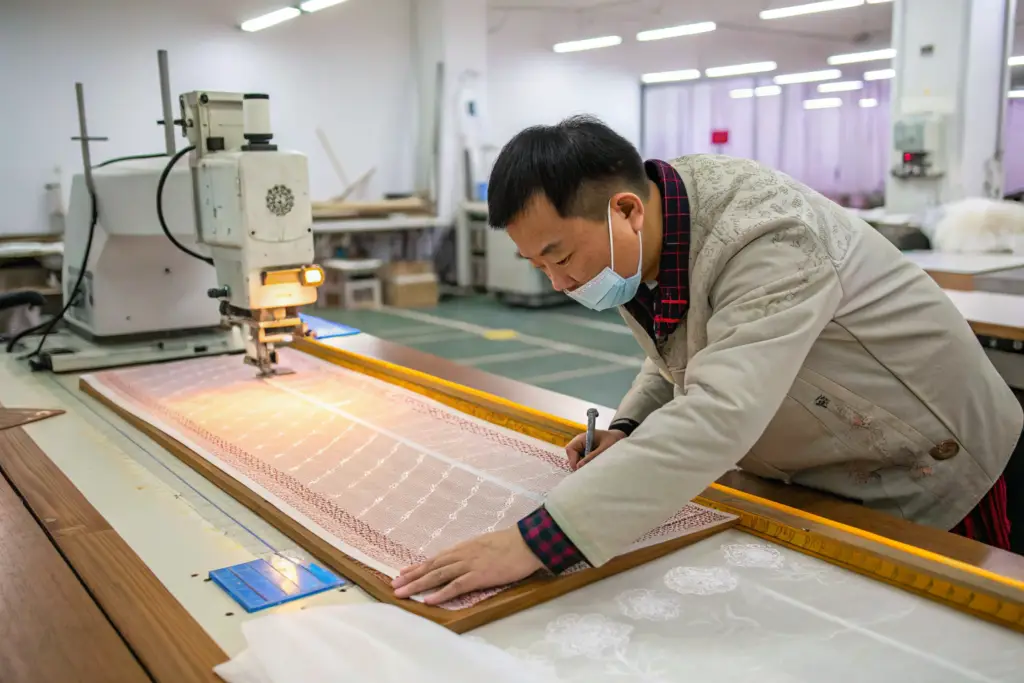
Hand embroidery is organic. But if you are producing a collection of 500 dresses with a floral spray motif, the flowers cannot wander. They must sit in the same place on every bodice. We use a transparent overlay grid printed with the approved design placement from the Golden Sample. The auditor lays this grid over the production piece.
The grid shows the exact X and Y coordinates for the center of the main flower and the end of a leaf. If the production embroidery is off by more than 2mm, the piece is flagged and taken to the master embroiderer for rework. For a New York designer's signature embroidered denim jackets, this overlay grid system maintained a placement accuracy rate of 99.8% across a run of 1,500 units. Every single jacket bore the emblem exactly over the heart, as the designer intended. This is how we combine artistic freedom with production precision.
How Do We Measure Hand-Smocking Tension for Consistency?
Smocking relies on consistent thread tension. Too tight, and the fabric puckers and loses its elasticity. Too loose, and the decorative stitches sag and look sloppy. A human hand naturally varies in tension over an eight-hour shift. We control this by measuring it.
Our auditor uses a digital tension gauge on the smocking threads of the hourly pull sample. We have defined an acceptable tension range in grams, established from the Golden Sample. If the thread tension drifts outside that range, the artisan is given a 15-minute rest break, as fatigue is the most common cause of tension drift. Then, they re-baseline their tension on a practice swatch before returning to production. This simple measurement protocol ensures that the first dress and the last dress of the day have the same beautiful, springy smocking. The textile craft standards that inspire us are upheld by this objective, scientific oversight.
Conclusion
Producing a rare style accurately at scale is the ultimate test of a factory's capability. It demands that we respect the art while mastering the science. We lock down the design intent in a digital blueprint that leaves no detail ambiguous. We entrust the execution to dedicated artisan cells whose skills are verified and whose workstations are designed for craft, not just speed. And we police the process with an hourly audit against a physical Golden Sample, using measurement tools that catch tension drift and placement shift before they become a rejected shipment.
This is how Shanghai Fumao protects the soul of your rare design. We don't homogenize it. We don't simplify it. We engineer a system around it that ensures its unique beauty is faithfully replicated on every single garment. Your brand promise, of offering something truly special, remains unbroken.
If you have a design that factories keep telling you is "too complex to scale," I want to see it. Send us the sketch. We will show you exactly how our digital validation and artisan cells would de-risk the construction and guarantee its accuracy.
Contact our Business Director, Elaine, at elaine@fumaoclothing.com. She will arrange a technical review of your rare style and provide a feasibility report within 48 hours. Let us turn your impossible design into a perfect, repeatable collection.