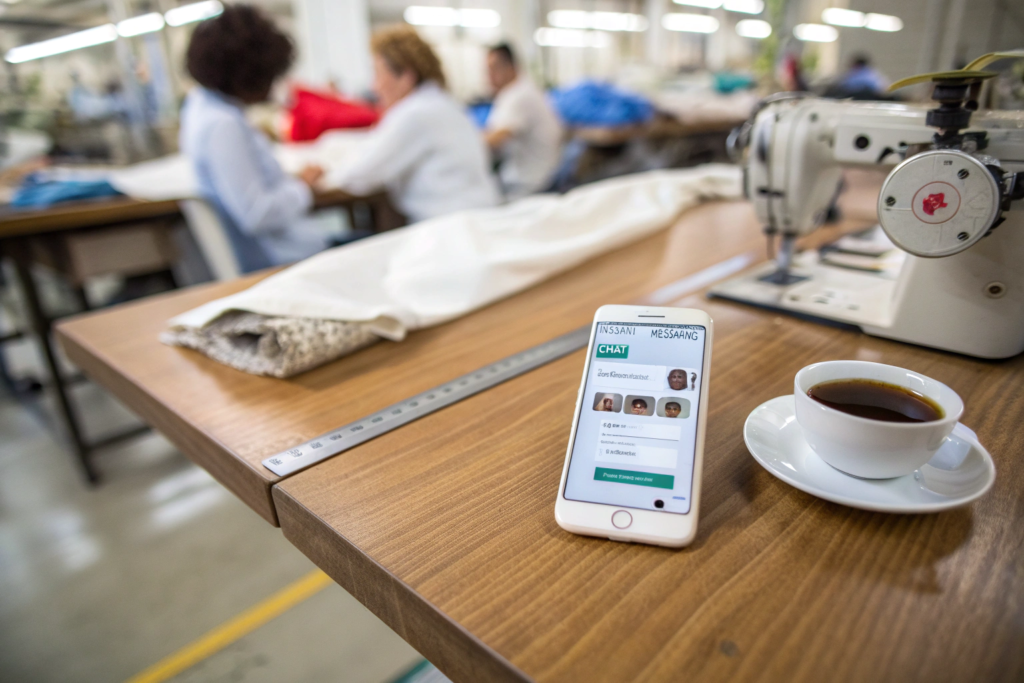
If you have sourced clothing from China for more than a season, you know the sinking feeling. You send a WhatsApp message to a supplier about a critical shipment update. You see the blue ticks. Then, nothing. Twelve hours pass. Twenty-four hours pass. Your retail deadline is burning, and you are completely in the dark. This silence is not just annoying. It costs you real money in missed sell-through windows. I have spoken to dozens of American buyers who switched to us from large Alibaba platforms specifically because they felt ignored after they paid the deposit. This communication breakdown is the single biggest threat to a sourcing partnership. It erodes trust faster than a quality defect.
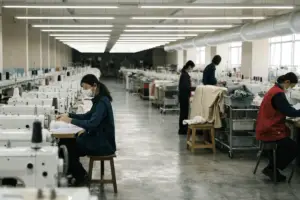
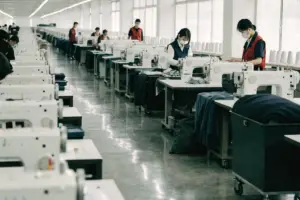
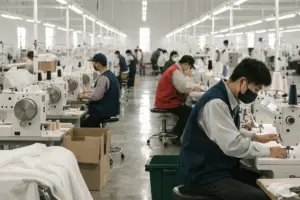
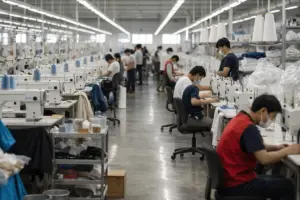
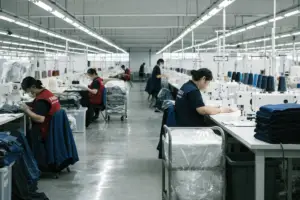
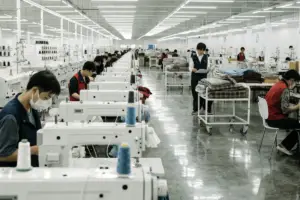
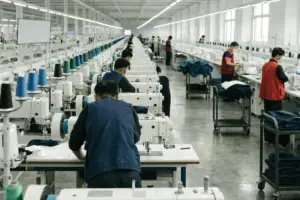
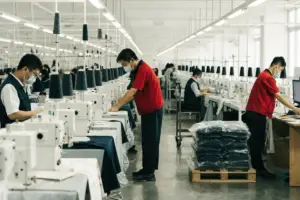
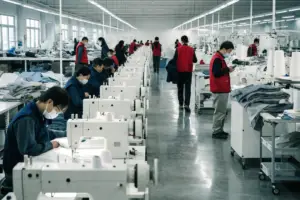
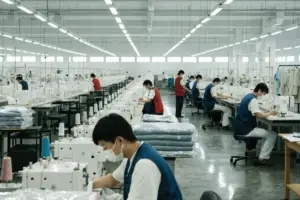
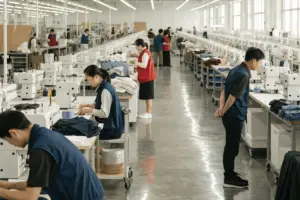
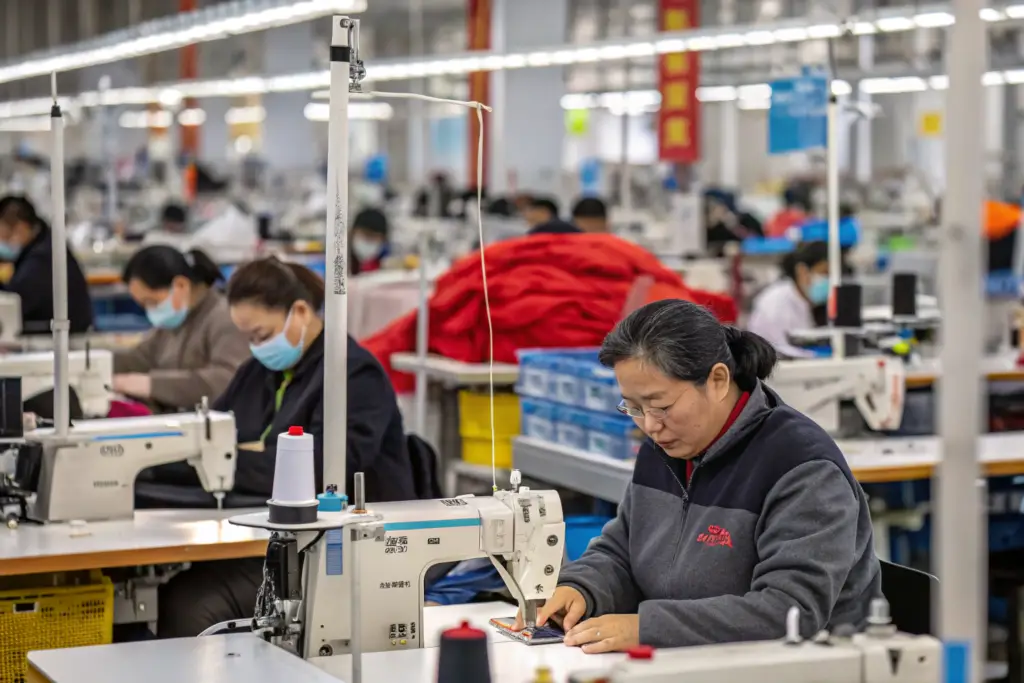
Shanghai Fumao is more responsive than typical Alibaba suppliers because we operate as a direct, brand-focused manufacturing partner, not a faceless trading desk managing hundreds of disconnected factories. When you message a reseller on Alibaba, that person often has to manually contact a production manager, who contacts a workshop, who might be in a rural area with poor signal. That chain is broken by default. At Shanghai Fumao, you are talking directly to the owner and senior management who sit fifty feet from the sewing floor. We have built our entire communication protocol around the urgency of the U.S. market. We answer inquiries within hours, not days, because we understand that a 12-hour time difference already eats half your working day.
I am writing this to explain why our response time is different and why it matters for your profit margins. Too many brands tolerate slow replies because they think it is "just how China works." It is not. It is just how bad suppliers work. A responsive factory predicts problems before you feel them. A responsive factory treats your launch date like their own. This article will break down the concrete systems we use to stay fast, the difference between a manufacturer and a middleman, and how our speed directly protects your inventory cycle.
How Does Direct Factory Communication Speed Up Response Times?
The complexity of a supply chain usually determines its speed. Imagine you are playing a game of telephone. You whisper a message, and it passes through five people. By the end, it is distorted and slow. This is exactly how an Alibaba trading company works. The salesperson you chat with has never touched a sewing machine. They have never been to the dye house. When you ask a technical question about seam construction, they have to "check with the factory." That delay might take 48 hours, and the answer often comes back incomplete. You are not dealing with a partner. You are dealing with a messenger.
Direct factory communication speeds up response because we eliminate the intermediary filter, allowing you to talk to the decision-makers who own the raw materials, the machines, and the workforce. When you email our Business Director Elaine, she does not need to file a request ticket. She can walk over to the pattern maker’s desk, take a photo of the revision, and WhatsApp it to you within minutes. I recall a specific situation last winter. A Colorado outerwear brand urgently needed to change their insulation fill power mid-production due to a sudden cold snap forecast. If they had gone through a middleman, the approval loop would have taken a week, and the selling window would have slammed shut. They contacted us directly. We halted the cutting line. Within three hours, we sourced the higher-grade fill, costed the increase, and got verbal approval to proceed. Those jackets hit the shelves on time. This speed exists only because the person answering the phone is the person running the floor.
We also use this direct line to prevent problems rather than just react to them. If our quality inspector spots a slight color shading on a sleeve panel, we do not hide it and hope you do not notice. We send you a live video call invite immediately. We show you the issue in real-time. We ask for your opinion. This transparent, rapid-fire decision-making ensures the shipment is never held up waiting for a freight forwarder to relay a message through an agent. Direct communication is not just fast. It is honest.
Why Does a Flat Organizational Structure Reduce Information Lag?
Most large Alibaba suppliers have a pyramid structure. You talk to a junior sales rep who reports to a manager who reports to a boss who is offsite. By the time the rep understands your technical request, you are three translation errors deep. We operate a flat organizational structure. Our service team consists of senior merchandisers who report directly to the General Manager. There are no layers of junior associates learning on the job with your money.
This flat structure enables what we call "zero-latency authorization." If you need to increase your order quantity from 500 to 800 pieces because your pre-sale exploded, a junior rep might need a day to confirm if the raw fabric exists. Our team can instantly check the real-time inventory management screen. They can greenlight the change on the spot. This is critical for survival in the fast-paced world of fashion supply chain management. You are not waiting for a bureaucratic "Reply 2025." You get answers in 2025 real-time. We treat your time like a perishable asset, which in garment sales, it absolutely is.
How Does an In-House Sampling Department Accelerate Queries?
Sampling is the biggest bottleneck in standard sourcing. A typical Alibaba factory will outsource sample making to a small independent shop. When you ask a question about the pocket placement, the agent has to call the sample shop owner, who might be on a scooter in the rain delivering another order. The answer comes tomorrow, if you are lucky. We keep our sampling department inside our main facility.
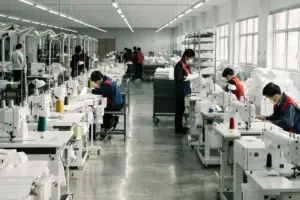
Our pattern makers, sample cutters, and tailors sit right next to the bulk production line. So, when you ask, "Can we move that button up two centimeters?", the merchandiser swivels her chair and asks the pattern master directly. He adjusts the digital marker instantly and sends a screenshot back. We can even pin a new sample up and video call you within the hour to see the revised drape. This tight physical integration of the sample room means your product development cycle can be cut by 50%. It turns abstract email corrections into tangible, immediate visual feedback. This is a massive advantage when dealing with complex product development timelines. Speed here determines who hits the market first.
What Customer Support Process Does Fumao Clothing Use for U.S. Buyers?
U.S. buyers are rightfully demanding. You need technical answers, not just polite small talk. You need a partner who understands the retail math of chargebacks and markdowns. Standard Alibaba support often relies on AI-generated templates and FAQ bots. Or you get a salesperson who speaks English but does not understand the nuances of a "Floor Ready" (FR) requirement for a specific big-box retailer. This knowledge gap creates friction. It forces you to educate your supplier, which is an inefficient use of your time.
We deploy a proactive, consultative support process built on dedicated merchandising teams who understand U.S. retail compliance and logistics as thoroughly as they understand cotton blends. When you start with Shanghai Fumao, you are assigned a specific Merchandise Manager. This person is trained to act like your remote production director. They do not just wait for your instructions. They suggest better ways to do things. A year ago, we were dealing with a large distributor in Florida. They were ordering basic knit polos, but they were paying a fortune in import duties because of a generic tariff code. Our support team analyzed the fiber composition. We realized the fabric blended a specific percentage of triacetate, which shifted it to a different, lower-duty classification. We brought this to the buyer’s attention. They saved $2.15 per unit on their landed cost. That is the level of support we offer.
We also recognize that U.S. time zones are an obstacle. We do not ask you to adapt to us. Our support shift begins at 6:00 AM Shanghai time to catch the West Coast evening, and we stay on call late to greet the East Coast morning. This window-of-coverage means you never wake up to an empty inbox. We also prioritize face-to-face connection via video. We do not hide behind email. When there is a problem, we look you in the eye and solve it. This is not a transactional support script. It is a strategic partnership.

How Do Dedicated Account Managers Solve Problems Proactively?
A dedicated account manager acts as your eyes, ears, and sometimes your conscience, in our factory. When you are busy running your brand in the U.S., you cannot micromanage the factory floor. You need someone you trust to flag issues before they become crises. Our account managers are empowered to make pre-authorized decisions.
For example, if a fabric delivery inspection reveals a small shade variation within the acceptable tolerance, a standard supplier would ship it. They are contractually covered. But our account manager thinks like a brand owner. They know that even a 5% shade shift in a "Charcoal Grey" might trigger high return rates on an e-commerce platform because of screen calibration differences. They will snap a picture, write a clear explanation of the risk, and send it to you for a final go/no-go. This supply chain transparency prevents the "it’s technically correct but commercially bad" disasters. This role shifts the dynamic from a passive order-taker to an active guardian of your brand equity.
What Technologies Do We Use to Offer 24/7 Transparency?
We do not lock your data in a black box. We use cloud-based project management portals accessible to all our partners. You get a login. You see your exact production schedule, your inspection reports, and your real-time shipping status. This is lightyears ahead of asking a supplier, "Is it ready yet?" and hoping for a truthful reply.
We invested in this specific technology to solve the trust deficit that plagues B2B sourcing. You do not have to wait for our workday to begin to get a status update. You log in at midnight your time and see that the cutting is 100% complete and sewing is at 45%. We even upload mid-production QC photos directly to the portal. If a stray thread is found by our roving inspector, you see the corrective action report there too. This total transparency allows you to plan your warehousing, your marketing campaigns, and your sales meetings without having to factor in "supplier uncertainty." It takes the guesswork out of global manufacturing.
How Does Fumao Clothing’s Response Time Protect Your Selling Season?
In the apparel industry, timing is not just money. Timing is existence. If you miss the Back-to-School August window, that inventory rots in a warehouse for a year. If your Christmas sweaters arrive in January, you are bankrupt. I have seen the hard costs of late shipments. A West Coast brand owner once cried in our office—literally—because their previous supplier missed a Target delivery window, and the retail giant cancelled the Purchase Order and issued a massive non-compliance fine. Slow communication causes these disasters. The boat is missed because a simple question about a label went unanswered for three days.
Our rapid response system directly protects your seasonal deadlines by compressing the internal feedback loop that often eats up the hidden weeks inside a production lead time. Traditional lead time on paper is 60 days. But the actual "dead time" where nothing is happening while a decision waits for approval often adds another 15 days. We attack that 15 days aggressively. Last July, we were producing a back-to-school line of kids’ uniforms for a Texas distributor. The buyer discovered a new regulatory requirement for drawstring length on children’s hoodies just as we were about to pack. A slow supplier would have been unreachable for the weekend. We answered the email on a Sunday morning. We unpicked the drawstrings in 24 hours and re-fed the legal lengths. We shipped on Monday. They made the school registration rush. Without that responsiveness, they would have lost their biggest quarter.
This protection of the calendar is why brands pay a premium for reliable production. When we say we protect your selling season, we mean we aggressively guard the lead time as if it were our own investment. We use data to track average reply times internally. If a team member’s average response creeps above 4 hours, we review the account to see if we need to add backup support. This internal benchmark keeps us fast. It ensures your delivery schedule is not held hostage by a stuck conversation.
Why Is "Real-Time Problem Solving" Crucial for Avoiding Chargebacks?
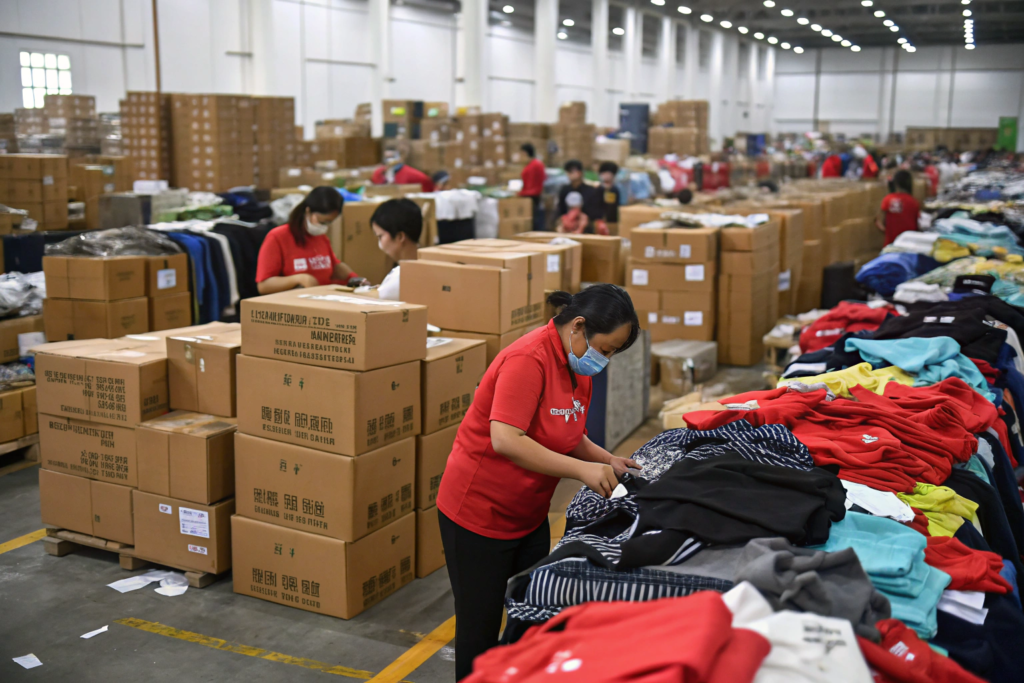
A retail chargeback for a late shipment can easily wipe out your net profit margin. Major retailers like Macy’s or Nordstrom have strict "must-arrive-by-date" windows. If the container is late, they deduct 2-5% off the invoice immediately. Real-time problem solving is the only antidote. If a factory finds a zipper defect on a Friday afternoon, and they wait until Monday to tell you, the shipment might already be lost.
We treat every hour as critical. Our quality team has a "Red Alert" protocol. If a critical defect affecting shipment viability is found, they bypass the formal email chain. They immediately call the Merchandise Manager, who calls you. We troubleshoot immediately. Can we air freight 100 pieces to hold the shelves while the rest goes by sea? Can we alter the packing method to make up for lost time? These solutions only come from a team that is awake and connected. This is about protecting your retail compliance record. Too many chargebacks, and the retailer delists your brand. We respond fast so you stay on the shelf and off the penalty list.
How Does Proactive Logistics Coordination Prevent Delays?
Shipping is not magic. A container does not just appear. It requires booking space on a vessel two weeks in advance, coordinating the truck to arrive for loading, and having the Customs documents absolutely perfect. A standard Alibaba salesperson often hands your goods to a random freight forwarder and hopes for the best. Our logistics team starts the booking conversation the second the fabric lands on the cutting table.
We use a milestone-tracking system that anticipates the ready date. If we see a port congestion alert for Long Beach, we pre-emptively propose alternative routing through Oakland or Tacoma. We do not ask you to figure it out. We present the solution. This proactive coordination is essential for DDP (Delivered Duty Paid) shipments where we control the chain all the way to your warehouse door. By responding to forecasts and weather disruptions before they become delays, we turn the logistical nightmare of international shipping into a predictable, boring process. That is exactly what you should expect from a first-class partner.
What Are the Differences in Speed Between a Trading Company and a Manufacturer?
The fundamental reason Alibaba feels slow is not that people are lazy. It is that the business model is based on reselling. A trading company has a catalogue of 10,000 products from 50 different small workshops. They do not control a single one. You ask if they can change the fabric weight. They have to pick up the phone and call the workshop boss. If the boss is taking a nap, they wait. If the boss doesn’t understand the question, the message bounces back garbled. You are essentially playing a game of whispers across the Yangtze River Delta. It is a structural inefficiency baked into the model.
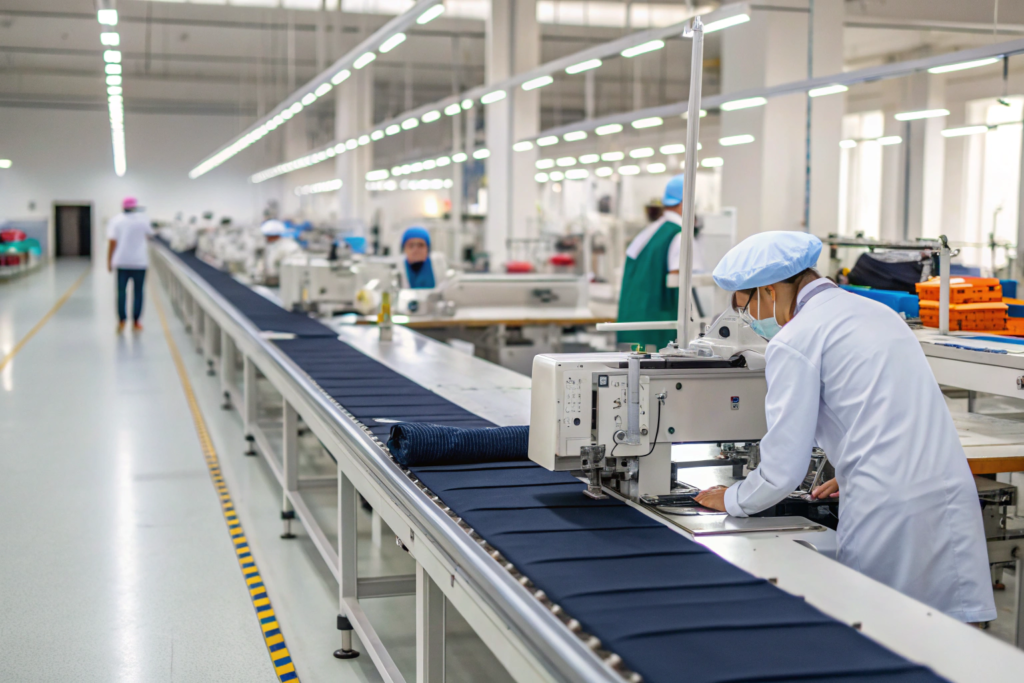
A manufacturer like Shanghai Fumao is significantly faster because we own the means of production, which collapses the decision-making chain from a distributed network of independent agents into a single integrated unit. There is no difference in speed between asking "Can we make this?" and actually making it. The "brain" (management) is directly wired to the "hands" (machines). I remember a rush project for a music festival merchandise launch in Austin. The brand had a viral moment and needed 5,000 graphic tees in 10 days. A trading company simply cannot confirm capacity in 10 days; they spend that long just negotiating with the independent screen printer. Because we own the screen printing and production line, we could immediately check the schedule, pause a non-critical domestic run, and commit. The shirts flew. They arrived still smelling of the curing process, ready for the crowd.
This vertical integration means we control the raw material inventory, the sewing throughput, and the finishing. When speed is the currency of fashion, a trading company is a moped, and a direct manufacturer is a fighter jet. You cannot afford to outsource your agility.
Why Do Trading Companies Have Inherent Delays in Technical Feedback?
When you ask a trading company, "Does this silk charmeuse have a Grade A wash fastness?", the salesperson almost certainly does not know. They have to call the fabric supplier to ask. But the fabric supplier might have sourced the greige from a mill and the dyeing from another sub-contractor. Tracing the actual test certificate through this chain takes days. Sometimes, they just guess, or worse, they forge it because the real answer is too slow to get.
At our factory, the fabric library is in the next room. The testing certificates are filed in a cabinet and scanned into our ERP system. We can pull up the exact ASTM test report for that lot of silk in less than five minutes. If we need to do a quick burn test or a shrinkage test on a new batch, our lab is in the basement. No travel, no couriers, no phone tag. This is the difference between aggregated guesswork and institutionalized knowledge. When you need technical data to validate your safety and liability standards, the delay of a trading company is not just inconvenient. It is dangerous for your business.
How Does Vertical Integration Allow for Instant Capacity Adjustment?
Capacity is a tricky concept. A trading company just books a "slot" at a workshop. But if that workshop gets a bigger order from a higher-paying client tomorrow, your slot evaporates. The trading company has zero leverage to stop it. This is the infamous "bumping" of orders that causes massive shipment delays.
Since we are the factory, we control the allocation of capacity. If your style is selling out and you need an urgent re-order of 1,500 pieces, we can instantly assess the real-time utilization rate of our lines. We do not need to "ask permission" from a third party. We can shift workers to your style by offering internal overtime incentives or temporarily halting non-seasonal stock. Because we are the manufacturer, we share your urgency. Our profitability is not based on the small commission of a middleman; it is based on your long-term success and repeat orders. Therefore, adjusting the factory schedule to save your selling season is a no-brainer, not a negotiation.
Conclusion
Responsiveness is a measure of respect. A slow reply tells you that your business is not a priority. After years of working with U.S. brands, I know that you cannot afford to be disrespected by your supply chain. The market moves too fast. We have dismantled the slow, layered communication of the traditional Alibaba trading model. We replaced it with a flat, direct, and technologically transparent system.
Shanghai Fumao responds faster because we are a single, cohesive entity. Our account managers sit next to the sewing lines. Our lab is in the building. Our logistics department books your container while the fabric is still being cut. We do not just answer your questions quickly; we anticipate the questions you haven’t asked yet. We protect your selling season by treating your deadline as a hard stop, not a rough suggestion.
If you are tired of staring at WhatsApp ticks and waiting days for technical answers that should take minutes, it is time to switch to a partner who is built for speed. We want to manufacture your next collection and prove that a Chinese factory can communicate as efficiently as an in-house team.
Let us show you how fast a real factory can move. Contact our Business Director, Elaine, directly. She is ready to give you a quote in under 12 hours and show you our real-time production portal. Reach out at . Stop waiting. Start selling.