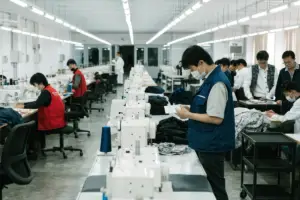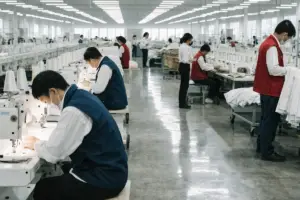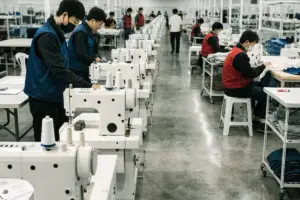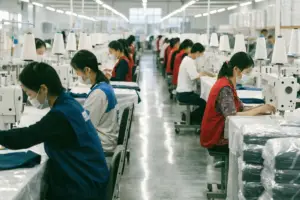
A few years ago, a startup owner from Portland sent me a one-line email: "What’s your absolute lowest price for 500 hoodies?" I get this email a lot. My reply was not a number. It was a question: "Can you tell me a bit more about what you need the hoodie to do for your brand?" He was confused. He thought pricing was a fixed menu, like a fast-food drive-thru. We ended up on a call. I learned he was launching a premium streetwear line, not a promotional giveaway. His customer expected heavyweight fleece, a custom-dyed zipper tape, and a specific oversized fit. If I had just fired back the lowest possible number based on a generic lightweight fleece, I would have won the order and lost the client. His customer would have returned the cheap, flimsy hoodies, and his brand would have been damaged before it even launched. He needed a price that was competitive against his real competitors, the premium streetwear brands, not the cheapest blank wholesalers.
Getting competitive pricing from Shanghai Fumao is not about squeezing the lowest possible unit cost on a generic blank. It is about engineering a strategic cost structure that aligns your product’s materials, construction, and logistics with your brand’s actual market position, order volume, and long-term production plan. We achieve this through value engineering, fabric platforming, multi-order planning, and logistics optimization, delivering a final landed cost that maximizes your sell-through margin, not just a cheap ex-factory price that hides downstream failures.
The most expensive garment is the one that does not sell. Or the one that gets returned because it pilled after two washes. Or the one that arrived late, missed the season, and had to be liquidated at a loss. Competitive pricing accounts for all of these hidden costs. It is a whole-system optimization, not a single-line-item negotiation. I want to show you the four specific levers we use to make your total investment as efficient as possible, without compromising the quality that your wholesale customers demand.
How Does Material Selection Impact Your Wholesale Price?
I sat with a boutique owner from Austin last spring. She was trying to hit a specific wholesale price point for a women’s organic cotton tee. Her initial instinct was to find the absolute cheapest certified organic jersey on the market. I showed her two swatches. Swatch A was a 120gsm open-end organic jersey. It felt thin, slightly rough, and had a visible cloudiness on the surface. It cost $3.20 per meter. Swatch B was a 160gsm compact ring-spun organic jersey. It felt heavy, silky, and had a clean, premium surface. It cost $4.10 per meter. I asked her, “Which one does your wholesale buyer, the boutique owner, expect to feel when she opens the box?” She pointed to Swatch B. Then I showed her the math. The fabric cost difference per garment was about $1.10. But she could wholesale the premium tee for $28 instead of $19. Her margin dollars per unit increased significantly. And her return rate would be a fraction of the thin tee’s. The cheaper fabric was actually the more expensive choice for her business.
Material selection is the biggest single cost driver in a garment, typically 50-65% of the total ex-factory price. But optimizing this cost is not about choosing the cheapest option. It is about choosing the material that performs the correct job for your brand tier and your wholesale buyer’s customer.
What Is ‘Value Engineering’ in Fabric Sourcing?
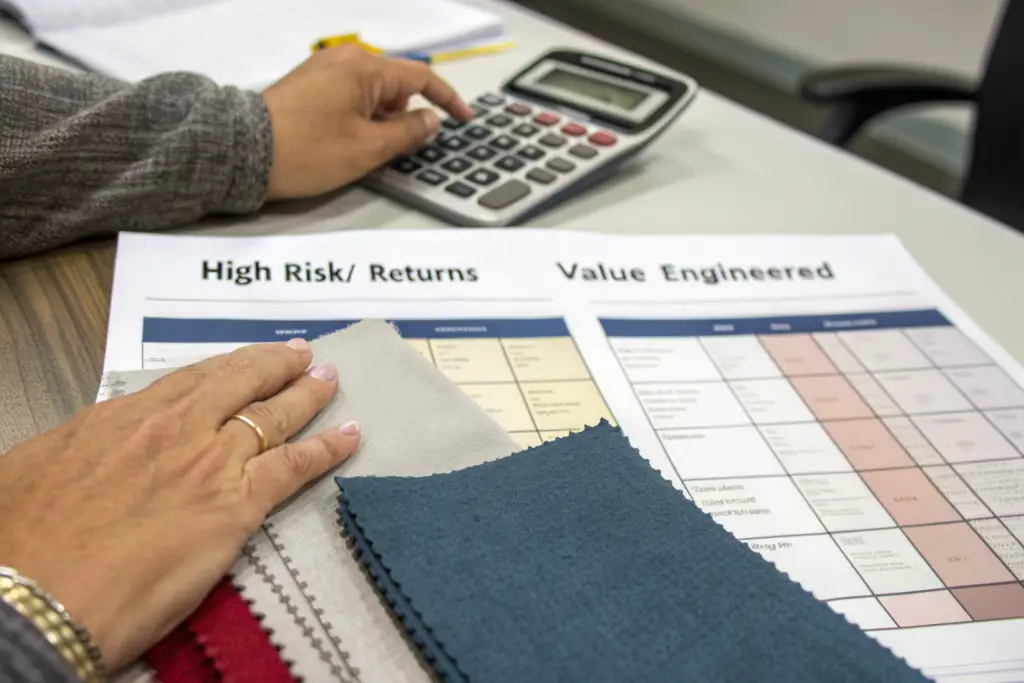
Value engineering means finding a fabric that delivers the required aesthetic, hand-feel, and durability at the lowest possible cost, without sacrificing the performance characteristics that the end consumer will actually notice and care about.
I will give you a concrete example. A menswear brand wanted a wool-blend overcoat for wholesale. A 100% merino wool coating was priced at $28 per meter. The coat would have wholesaled at $180, too high for their mid-tier market. We value-engineered a blend: 60% wool, 35% recycled polyester, and 5% cashmere. The polyester added durability and lowered the cost. The 5% cashmere added a touch of soft luxury at the point of sale, the hand-feel, that a pure wool-poly blend would lack. The blended fabric cost $18 per meter. The coat wholesaled at $115, well within their market’s sweet spot. The end consumer felt the cashmere softness, saw the wool-rich label, and perceived high value. The brand’s wholesale accounts reordered heavily. Value engineering is not about cheapening a product. It is about intelligently re-allocating fiber spend to maximize perceived and actual value at a specific price tier. A fabric sourcing strategy that starts with the wholesale price target and reverse-engineers the material blend is far more effective than starting with a beautiful fabric and then discovering the math does not work for your distribution channel.
Can You Reduce Costs by Platforming on Existing Fabrics?
Yes, and this is one of the most underutilized cost-saving strategies in apparel sourcing. Platforming means building multiple styles or multiple seasons of products on the same base fabric that we already stock or source in high volume.
At Shanghai Fumao, we maintain a library of “open-line” fabrics. These are high-quality, versatile materials we purchase in large quantities because they are used across many clients: a 200gsm cotton-spandex jersey, a 280gsm French terry, a standard nylon-spandex activewear knit. If you can build your collection on one of these existing platforms, you avoid the minimum order quantity surcharges from the mill and the fabric development time. You also benefit from our bulk purchasing power on that specific material. For a startup activewear brand, we recommended our in-house performance jersey instead of developing a unique custom blend for their first order. The in-house fabric cost them $4.50 per meter. A custom-developed equivalent would have been $6.80 per meter with a 500-meter minimum and a 30-day development lead time. The money they saved on fabric development they invested in better custom trims and packaging, which had a higher visual impact for their wholesale launch. Platforming is not a creative limitation. Our open-line fabrics come in a wide range of colors and finishes. It is a strategic financial decision to defer custom fabric development until your sales volume justifies the investment. For many wholesale brands, especially in their first few seasons, this is the single most powerful pricing lever available.
How Can You Plan Orders to Maximize Bulk Discounts?
A denim brand from Nashville called me with a familiar frustration. He was placing spot orders every quarter. 300 units in March. 200 units in June. Another 400 in September. Each time, he paid a premium price and struggled with inconsistent fabric dye lots. He felt like he was constantly negotiating from scratch. I told him, “You are paying a transactional penalty. You need to switch to a relational volume model.” We restructured his buying pattern completely.
Bulk discounts in apparel manufacturing are not just about ordering 2,000 units instead of 500 in a single purchase order. They are about committing forward volume over time, allowing the factory to plan raw material procurement, labor allocation, and production line scheduling more efficiently. The factory’s cost to produce an additional 500 units as part of a planned 3,000-unit run is significantly lower than the cost to set up a dedicated 500-unit run from a cold start. Accessing this efficiency requires a different way of thinking about your ordering calendar.
What Is a ‘Seasonal Commitment’ and How Does It Lower Prices?
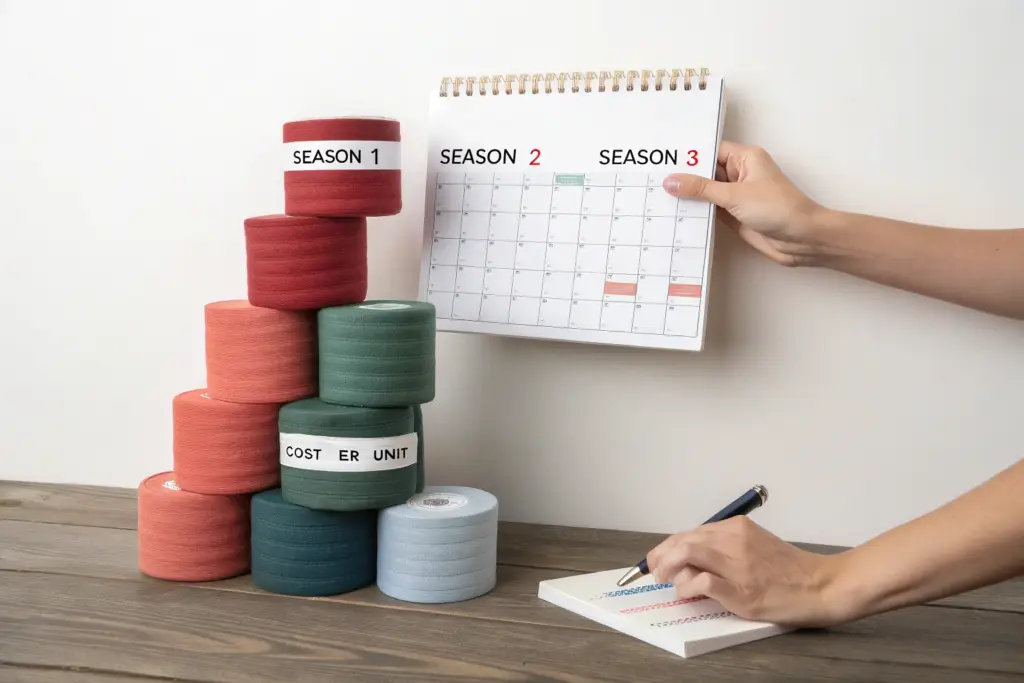
A seasonal commitment is an agreement to purchase a total volume of units across several months or styles, rather than issuing individual, disconnected purchase orders. This commitment allows us to reserve production capacity and buy raw materials in bulk, and we pass a portion of that efficiency back to you in the form of a lower per-unit price.
We structured a seasonal commitment for the Nashville denim brand. They committed to a total of 2,000 jeans across three drops over a six-month period. Instead of three separate small-batch orders with three separate fabric dye lots and three setup fees, we treated it as one 2,000-unit master order with three phased delivery dates. We bought all 2,000 units’ worth of selvedge denim from the mill in a single purchase, securing a volume discount. We scheduled the cutting and sewing for each drop in our production calendar. The result was a 12% reduction in their per-unit cost, consistent fabric shade across all three drops, and a guaranteed production slot that protected their delivery dates. This model requires planning and trust. But for a wholesale brand with a predictable sell-through pattern, it is the most powerful pricing tool available. We also offer a capacity reservation without an immediate style commitment. You reserve a certain number of production line hours for your upcoming season. You finalize the specific designs later. This guarantees you a place in our production schedule during the peak season, when many factories turn away smaller brands or charge rush premiums. The reservation secures both your timeline and your baseline price.
Why Does Reordering the Same Style Save Significant Money?
The first production run of any style carries hidden “learning curve” costs. The pattern maker refines the fit. The cutting master optimizes the marker for fabric efficiency. The sewing line supervisor trains the team on the specific construction sequence. There are small inefficiencies, minor rework, and a slightly higher fabric wastage rate.
When you reorder the exact same style, all these learning costs disappear. The pattern is approved and graded. The marker is optimized and saved. The sewing team remembers the construction. Efficiency soars, and the defect rate drops to near zero. We reflect this efficiency in the reorder price. For a corporate uniform program, we produced 1,000 custom logo polos. The first run had a certain per-unit cost. Their reorder eight months later, for another 1,000 identical polos, was 8% cheaper. Nothing had changed except the elimination of the setup and learning curve friction. This is a powerful argument for building your wholesale line around core, seasonless carry-over styles that you can reorder, rather than an entirely new collection every season. The financial benefit of reordering is not just the lower manufacturing cost. It is also the compounding brand equity of a consistent, always-available bestseller. I always advise wholesale brands to identify their “forever styles” early and protect them. These styles become your margin engines, becoming cheaper and more profitable with every reorder cycle. A stable supply chain partnership built on reorders is the most mutually beneficial pricing model in the industry.
What Is DDP and How Does It Prevent Hidden Logistics Costs?
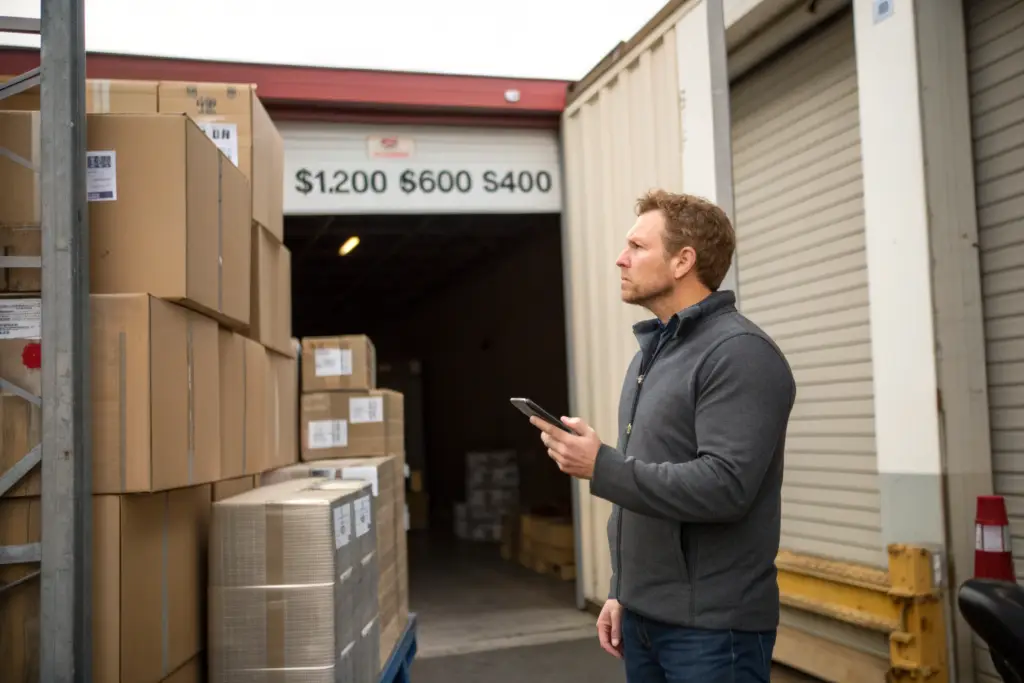
I need to tell you about a specific phone call I had with a menswear wholesaler from Denver. He was comparing my quote to a competitor’s quote from a marketplace supplier. He said, “Honestly, Elaine, their factory price is $3 cheaper per unit. I think I have to go with them.” I knew exactly what was going to happen. I told him, “Please, call me when the container lands. I want to hear about your final landed cost.” Six weeks later, my phone rang. It was him. He was standing in a warehouse with a $1,200 demurrage bill, a $600 customs exam fee, and a $400 bonded warehouse charge. His “$3 cheaper” shirt had actually cost him $5.50 more per unit by the time he got it into his hands. And it arrived 10 days later than promised. He was now behind on fulfilling his wholesale accounts. The cheap factory price was an illusion. It was a partial number that excluded the real costs of moving goods across the world.
Competitive pricing must be evaluated on a Delivered Duty Paid basis, or at least with a complete understanding of the door-to-door cost. Anything less is a mirage that will financially damage your business.
How Do FOB Quotes Mislead Wholesale Buyers About True Cost?
FOB (Free On Board) is a seductive lie. The price looks low because it only covers the journey to the port in Shanghai. Everything after that, the ocean freight, the marine insurance, the US customs bond, the import duties, the port handling charges, the customs exam fees, and the final trucking to your warehouse, are your separate, unpredictable costs.
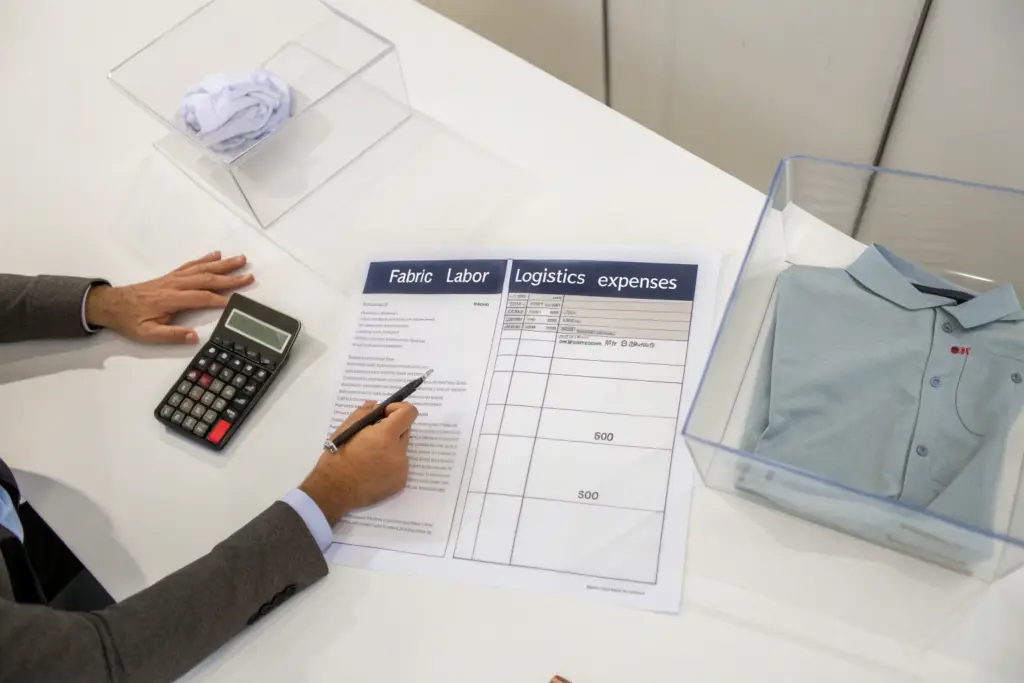
A wholesaler operating on thin margins cannot afford these shocks. I will give you a real cost comparison from one of our client’s orders, a 500-unit run of woven shirts:
| Cost Element | FOB Quote (Competitor) | DDP Quote (Shanghai Fumao) |
|---|---|---|
| Ex-Factory Price | $8.50/unit | $11.20/unit |
| Ocean Freight & Insurance | $1.20/unit (estimated) | Included |
| US Duty (20% on woven shirts) | $1.70/unit (paid by buyer) | Included |
| Customs Clearance & Fees | $0.80/unit (paid by buyer) | Included |
| Final Landed Cost | $12.20/unit (often higher) | $11.20/unit (fixed, guaranteed) |
The FOB quote was $8.50, a full $2.70 cheaper on paper. The actual landed cost was $12.20, a dollar more than our DDP price. And this assumes nothing went wrong at customs. If there was an intensive exam, add another $0.60 per unit. The DDP price is a fixed, contractual number. You know your exact margin before you place the order. Your wholesale pricing to your own accounts can be set with confidence. There is no “logistics surprise” waiting to ambush your cash flow. We advocate for DDP especially for new importing brands. It transfers the logistics risk from you, who imports occasionally, to us, who ships containers weekly. We have negotiated rates and established customs brokers. You benefit from our volume and experience. The lower ex-factory price is a dangerous trap if the door-to-door cost is unknown and unbounded.
Can Air Freight Be Competitive for Certain Wholesale Orders?
Yes, air freight is not always the premium luxury option it appears to be. In specific wholesale scenarios, the total business cost of sea freight can exceed the higher transport cost of air freight. You must calculate the inventory carrying cost and the missed sales opportunity.
We produced 800 units of a trend-driven women’s blouse for a fast-fashion wholesale brand in Los Angeles. The sea freight option was $1,400 and 28 days. The air freight option was $3,800 and 5 days. The brand owner looked at the $2,400 difference and nearly rejected air freight. I asked him one question: “How many days of selling do you gain?” He realized the blouses would land in stores 23 days earlier by air. His daily wholesale sales projection was $1,500 in net profit on this style. Twenty-three extra selling days at peak trend relevance meant $34,500 in additional profit. The $2,400 air freight cost was not a cost. It was a high-return investment that generated a 14x return in sell-through profit. Furthermore, he avoided the inventory holding cost and the risk of the trend fading while the goods were on a slow boat. Air freight can also be a precision instrument for fixing a cash flow gap. If a production delay threatens to push delivery past a wholesale show or a seasonal deadline, a strategic air freight uplift on a portion of the order can save the entire season. We use air freight as a tactical profit-protection tool, not just a shipping method. When we discuss your pricing, we model both sea and air scenarios against your wholesale calendar to identify the truly lowest total-cost option, not just the lowest freight line item. This is how a logistics partner thinks, not just a factory.
Conclusion
Getting competitive pricing from Shanghai Fumao is a strategic conversation, not a single-number negotiation. It is about aligning your material choices with your brand’s wholesale price tier through value engineering and fabric platforming. It is about structuring your order volume over seasons to unlock bulk discounts and eliminate wasteful re-setup costs through reorders. And critically, it is about evaluating price on a total landed-cost basis, using DDP shipping to eliminate the hidden port fees that destroy margins and using air freight tactically to maximize sell-through profit when speed is more valuable than freight savings. A cheap ex-factory price that leaves you with a quality-compromised product, a surprise customs bill, or a shipment that misses the selling window is not competitive. It is a liability disguised as a bargain.
If you are ready to have a realistic, transparent pricing conversation about your wholesale line, please reach out to our Business Director, Elaine, at elaine@fumaoclothing.com. Send her your design brief or your current cost targets. She will work with our sourcing and production teams to model different scenarios, material options, order structures, and shipping methods, and give you a clear, line-by-line proposal that reflects a true partnership cost, not a misleading headline number. Let’s build a pricing structure that makes your wholesale business sustainably profitable, not just cheap on paper.