Two years ago, a brand owner I work with changed exactly one thing about her product. She replaced the generic, shiny polyester satin care label with a custom-woven, soft cotton label that included her logo, a short brand story, and a QR code linking to a styling guide. The garment did not change. The fabric did not change. The price did not change. What changed was the customer's reaction when they tried on the garment. They would touch the label, read the story, scan the code. They would smile. The brand's return rate dropped by 6%. The customer lifetime value increased by 18%. The single cheapest component in the garment's bill of materials, a label that costs $0.15 to produce, had generated a measurable increase in customer satisfaction, perceived quality, and repeat purchase behavior. The label was not just a care instruction. It was a brand experience stitched into the seam.
Highly customized garment care labels drastically increase the perceived value of your clothes because they serve as a tactile proof point of the brand's attention to detail. When a customer tries on a garment, the care label is one of the first things they touch. A generic, scratchy, mass-produced label signals that the brand cut corners on the hidden details. A soft, custom-woven label with the brand's logo, a thoughtful message, and clear care instructions signals that the brand cared about every aspect of the product, even the parts most customers never consciously notice. This subconscious signal of quality transfers to the customer's perception of the entire garment. They assume the fabric is better, the stitching is stronger, and the design is more considered. The label is a small investment that pays for itself through lower return rates, higher customer loyalty, and a premium price justification that customers feel rather than analyze.
Most brands treat care labels as a legal compliance requirement. They print the minimum required information on the cheapest available material and sew it in as fast as possible. That is a missed opportunity. The care label is one of the few brand touchpoints that the customer physically interacts with every time they wear, wash, and store the garment. It is a recurring brand impression that compounds over the life of the product. I want to share exactly how custom care labels work, what design elements matter most, and how our brand partners at Shanghai Fumao use them to elevate their products.
What Specific Physical Elements of a Custom Care Label Signal "Luxury" to a Consumer?
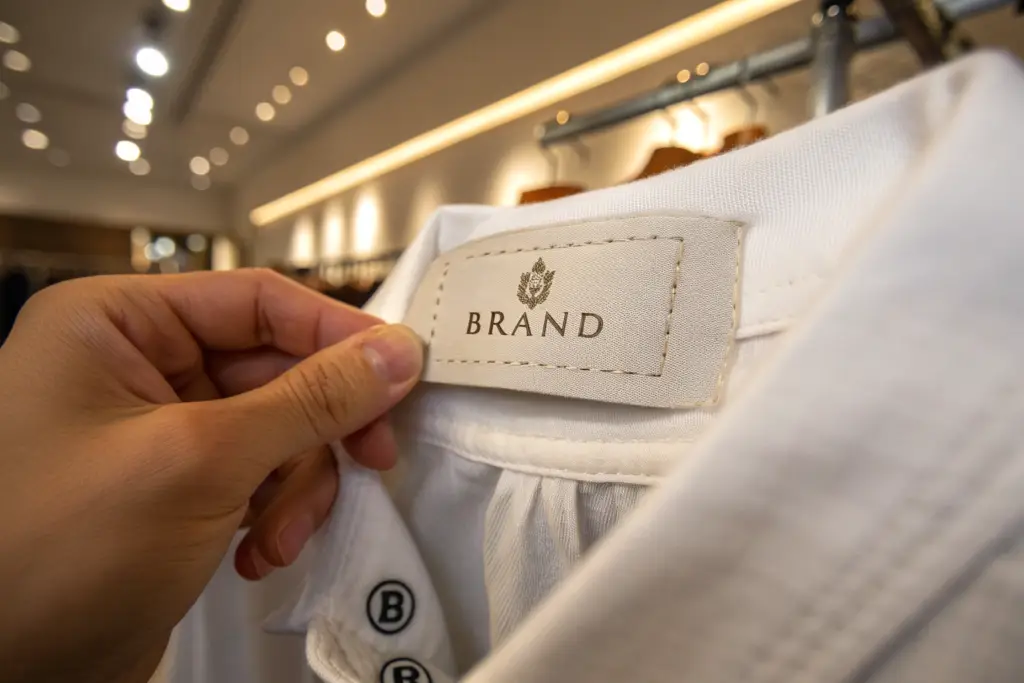
I watched a customer in a boutique pick up a jacket and immediately turn it inside out. She did not look at the price tag first. She looked at the care label. She rubbed it between her fingers. She checked the stitching around it. She nodded to herself. Then she checked the price. That customer had been trained by years of shopping to use the care label as a quality proxy. A soft, well-stitched label meant the brand cared about details. A scratchy, poorly attached label meant the brand cut corners. She made her purchase decision based on the label, not the price. The boutique owner told me that customer bought the jacket and became a repeat customer.
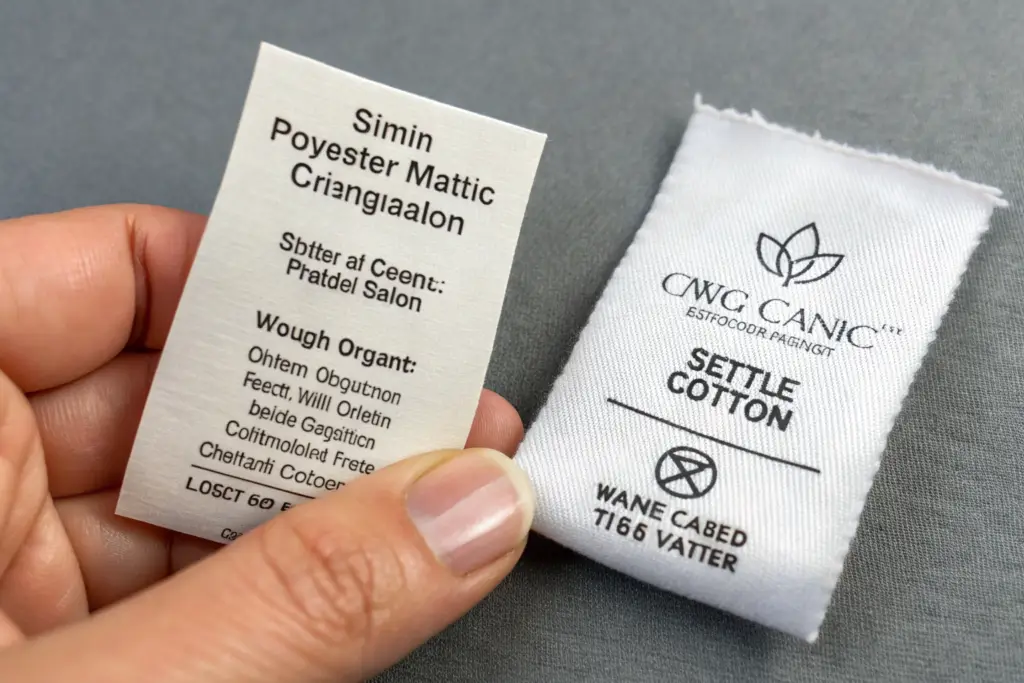
The specific physical elements that signal luxury in a custom care label are the material, the weave, the edge finish, and the print method. A luxury label uses natural or natural-feeling materials like organic cotton, brushed polyester with a matte finish, or recycled satin with a soft hand feel. It uses a jacquard weave or a high-density damask weave that gives the label a subtle texture and depth. It has clean, laser-cut edges that will not fray after repeated washing, or folded and neatly stitched edges that show sewing precision. The text is woven into the fabric rather than printed on the surface, or if printed, uses a soft, matte ink that does not feel plasticky. The label is attached with a single-needle lockstitch that lies flat against the garment, not a chainstitch that unravels. These elements are small individually. Together, they create a tactile experience that the customer's fingers interpret as quality.
The material is the first and most important decision. A polyester satin label that is shiny, stiff, and scratchy against the skin is the standard for mass-market garments. It costs $0.02 per unit. A woven cotton label with a soft finish costs $0.08 to $0.15 per unit. The $0.13 difference is the smallest investment a brand can make in perceived quality. The customer feels the difference in the fitting room. They remember it when they wear the garment. They associate the comfort with the brand.
Why Does a Scratchy Polyester Satin Label Subconsciously Damage the Perceived Quality of a $120 Shirt?
The psychological mechanism is called the halo effect in reverse. When a customer encounters a negative sensory input, a scratchy label against their neck, they do not isolate the negative feeling to the label. They generalize it to the entire garment. The shirt feels uncomfortable. The fabric must be cheap. The brand must not care about quality. This judgment happens in seconds and operates below conscious awareness. The customer cannot articulate why they put the shirt back on the rack. They just know it did not feel right. The sensory marketing research on tactile perception confirms that touch is the most influential sense in apparel purchasing decisions. A garment that feels good to the touch is perceived as higher quality across all attributes, including attributes the customer has not yet evaluated. The care label is the most consistently touched component of a garment after the fabric itself. A brand that saves $0.10 on a label is losing dollars in perceived value.
What Are the Most Impactful Material Choices for Care Labels, from Woven Damask to Recycled Satin?
Woven damask is the gold standard for premium care labels. It is produced on a jacquard loom that weaves the text and design directly into the fabric. The label has a subtle texture, a matte finish, and a soft hand feel. It does not fray. It does not fade. It looks and feels substantial. Woven damask labels cost $0.10 to $0.20 per unit depending on size and complexity. Cotton twill tape labels are a softer, more casual alternative. They work well for organic, sustainable, and loungewear brands. They cost $0.08 to $0.15 per unit. Recycled satin labels made from post-consumer polyester are a new option that combines the smooth finish of traditional satin with a sustainability story. They cost $0.08 to $0.18 per unit. The material choice should align with the brand's positioning. A luxury formalwear brand should use woven damask. A sustainable casualwear brand should use cotton or recycled satin. The care label material guide from a textile trims supplier provides swatch samples for comparison. The brand should request physical samples and touch them before making a decision.
How Can a Care Label Become a Miniaturized Brand Storytelling and Marketing Asset?
A sustainable fashion brand we manufacture for added a single line of text to their care label: "Made with care in Shanghai for [Brand Name]. Thank you for choosing quality over quantity." That line cost nothing. It was woven into the label during production. The brand started receiving customer emails specifically about the label. Customers said they felt a personal connection to the brand after reading the message. They posted photos of the label on social media. The label became a shareable brand asset. The brand had turned a legal compliance document into a customer engagement tool.
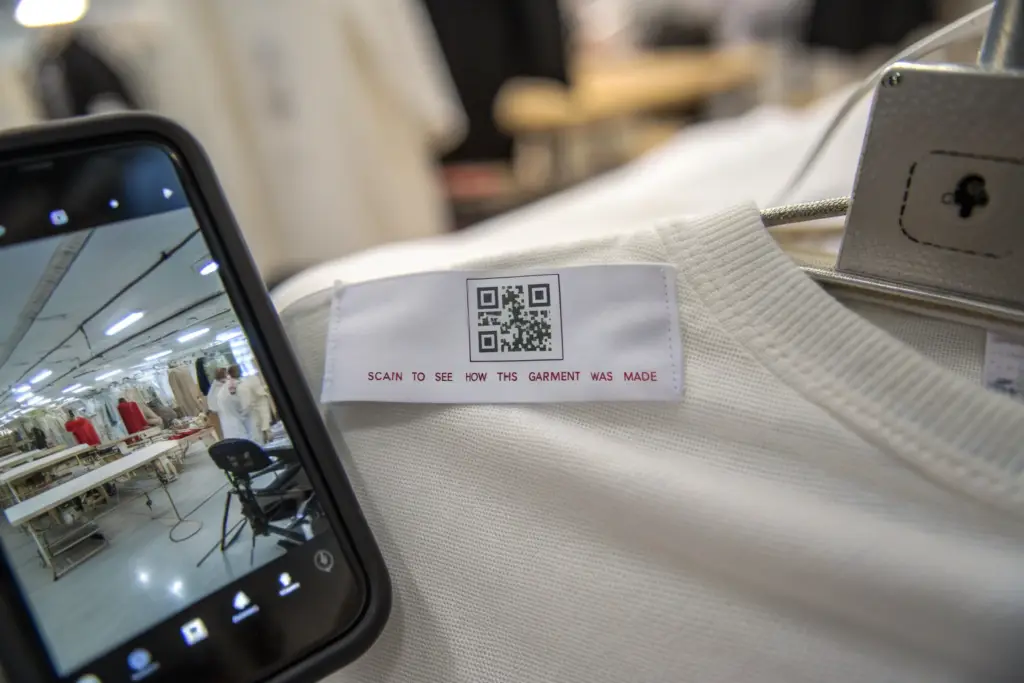
A care label becomes a miniaturized brand storytelling asset when you use the available space beyond the legally required care symbols to communicate your brand's personality, values, and transparency. You can add a short brand mission statement, a thank-you message to the customer, a QR code that links to a video of your factory or a styling guide, or a sustainability pledge. You can print the label in your brand's signature color or use a typography style that matches your brand's visual identity. You can add a care tip written in your brand's voice, such as "Wash me cold, wear me often." These additions cost nothing in production but transform the label from a mandatory legal notice into a brand moment that the customer discovers, reads, and remembers.
The care label is one of the few brand touchpoints that the customer will see multiple times over the life of the garment. Every time they do laundry, they check the label. Every time they fold the garment, they see the label. The brand message is delivered repeatedly, for free, for the entire lifespan of the product.
What QR Code Content Drives the Highest Engagement When Embedded on a Clothing Care Label?
The QR code on a care label should link to content that adds value beyond the product itself. The highest-engagement QR code destinations are a behind-the-scenes video of the garment being manufactured, showing the cutting, sewing, and quality inspection process; a styling guide video showing three ways to wear the garment; a sustainability transparency page that shows the fabric origin, the dye house certification, and the carbon footprint of the garment; or a customer community page where the buyer can see photos of other customers wearing the same product. These destinations transform the post-purchase experience from a transaction into a relationship. The QR code marketing on product labels is a growing practice. The codes are cheap to print and can be updated dynamically if the brand uses a redirectable URL. The brand can change the destination without reprinting the labels.
A shareable care label has an element of surprise or delight. It might include a hidden message that is only visible when the label is folded a certain way. It might include a playful care instruction like "If you must iron me, use a low setting and a glass of wine." It might include a small illustration, a hand-drawn icon, a tiny embroidered detail. The element must be visually interesting enough to photograph and emotionally resonant enough to share. A customer who posts a photo of their care label is providing free brand endorsement to their social network. Their friends see the post, notice the brand, and form a positive impression. The social media shareability of product details is a powerful organic marketing channel. The care label that gets shared is doing marketing work far beyond its cost.
What Are the Essential Legal Requirements You Must Never Sacrifice When Customizing a Care Label?
A brand owner I work with once designed a beautiful care label. It was a work of art. Woven cotton, beautiful typography, a poetic brand message. It had one problem. It did not include the fiber content percentages. The brand owner had assumed the fiber content was on the hang tag and did not need to be on the care label. The first shipment to a U.S. department store was rejected at the distribution center. The entire order of 800 units had to be re-labeled at the brand's expense. The cost was $2,400 in labor and materials. The delay was three weeks. The lesson was expensive. Legal compliance is not optional. The brand story and the QR code are additions. They cannot replace the mandatory information.
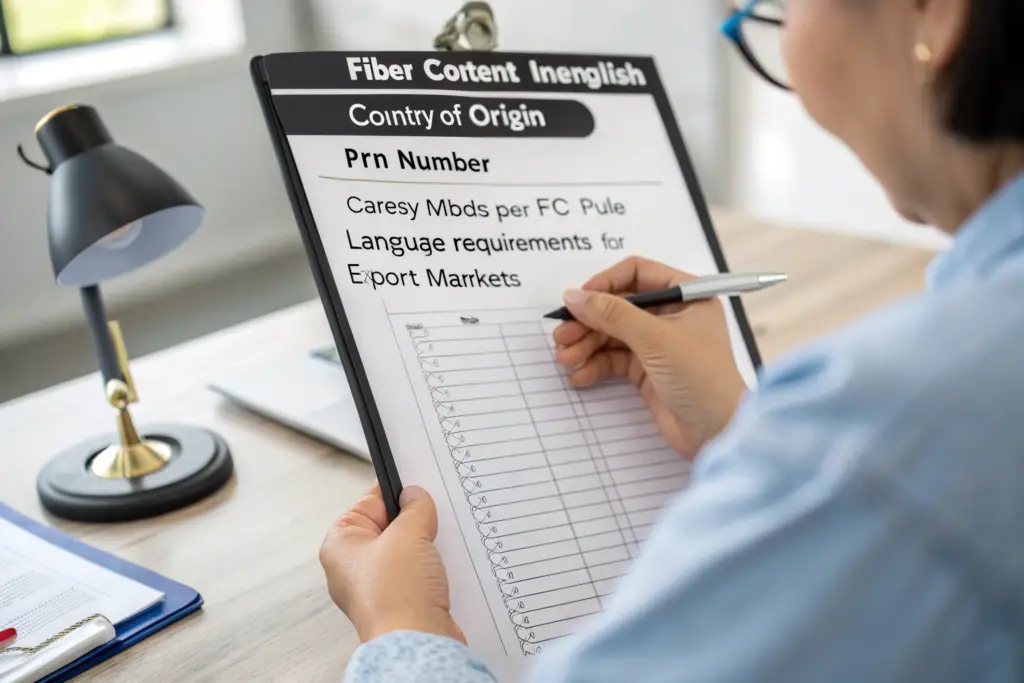
The essential legal requirements for a garment care label in the United States include the fiber content by percentage in descending order of predominance, the country of origin, the manufacturer or importer identity via the RN number or company name, and the care instructions with washing, bleaching, drying, ironing, and dry cleaning symbols per the FTC Care Labeling Rule. For garments sold in the European Union, additional requirements include the flag of the country of origin, the address of the manufacturer or importer, and care symbols that comply with the ISO 3758 standard. A custom label must contain all of this information. The design elements, the brand message, the QR code, the unique material, are added around the mandatory content. They enhance the label. They do not replace the legal content. A label that is beautiful but non-compliant will cause shipment rejections, retailer chargebacks, and potential regulatory fines.
The legal requirements exist to protect consumers. They ensure the customer knows what they are buying, how to care for it, and who made it. A brand that respects these requirements and presents them beautifully demonstrates that it is both creative and responsible.
What Are the Mandatory FTC and EU Labeling Requirements That Must Be Present Regardless of Aesthetic Choices?
In the United States, the Federal Trade Commission requires under the Textile Fiber Products Identification Act that the label disclose the generic fiber names, such as cotton, polyester, spandex, in descending order by weight, the country of origin, and the registered identification number, RN, or the company name. The FTC Care Labeling Rule requires that the label provide complete care instructions including washing, bleaching, drying, ironing, and dry cleaning instructions. The care symbols must follow the ASTM D5489 standard. In the European Union, the EU Textile Regulation requires the fiber composition, the country of origin, and the manufacturer or importer identification. The care symbols must follow the ISO 3758 standard. Both jurisdictions require that the label be permanently attached to the garment and remain legible for the useful life of the product. The FTC clothing and textiles labeling rules and the EU textile labeling regulation provide the full legal text. The brand should review these annually or work with a compliance consultant to ensure labels are current.
How Can You Creatively Layer Your Brand Message Around the Mandatory Care Symbols Without Cluttering the Tag?
The layering strategy uses visual hierarchy. The mandatory care symbols are placed in a standardized grid on one side of the label, following the ASTM or ISO symbol sequence. The brand message, logo, or QR code is placed on the reverse side of the label, or in a clearly separated area of the same side, using a different font weight or color to distinguish the brand content from the legal content. The label can be a two-sided woven label, with care instructions on one side and brand story on the reverse. The label can be a folded label with the legal content inside and the brand content visible on the outside. The label can be a single-layer label with the care symbols on the top half and the brand message on the bottom half, separated by a subtle line or a change in weave pattern. The care label design principles help designers balance creativity with compliance. The goal is a label that satisfies the legal requirements and delights the customer. Both are possible.
Conclusion
A highly customized garment care label is one of the smallest investments and highest-return decisions a clothing brand can make. For $0.10 to $0.20 per unit, the brand transforms a mandatory legal notice into a tactile proof point of quality, a recurring brand impression, and a shareable customer experience. The customer who touches a soft, beautifully designed label assumes the entire garment is made with care. The customer who reads a brand message on the label feels a personal connection. The customer who scans a QR code and sees the factory where their garment was made becomes a loyal advocate.
The mass-market approach to care labels, the cheapest material, the minimum legal text, the fastest sewing method, is a missed opportunity. The brand that treats the care label as a brand asset rather than a compliance cost wins customer perception at the moment of closest physical contact with the product.
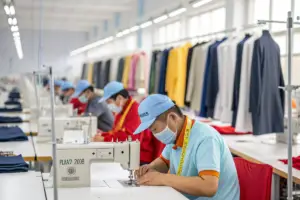
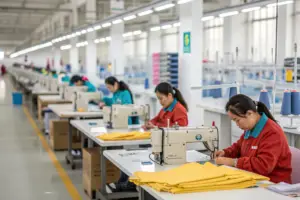
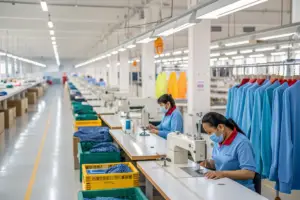
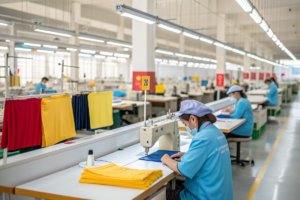
At Shanghai Fumao, we offer a full custom care label program for our brand partners. We work with specialized label manufacturers who produce woven damask, cotton twill, and recycled satin labels with laser-cut edges, custom typography, QR code integration, and bilingual text. We handle the compliance review to ensure your labels meet FTC, EU, and other market requirements. We manage the label attachment process to ensure every label is sewn flat, cleanly, and securely.
If you want to upgrade your care labels from generic to premium, or if you are launching a new brand and want to start with custom labels from day one, we can help. At Shanghai Fumao, we will send you a sample pack of our available label materials and finishes. We will provide a compliance checklist for your target markets. We will produce a sample label with your logo and brand message for your approval before bulk production. Contact our Business Director, Elaine, at elaine@fumaoclothing.com. She can share a care label design guide and a cost breakdown for your specific label requirements. The label is the last thing you sew into the garment and the first thing your customer touches. Make it count.