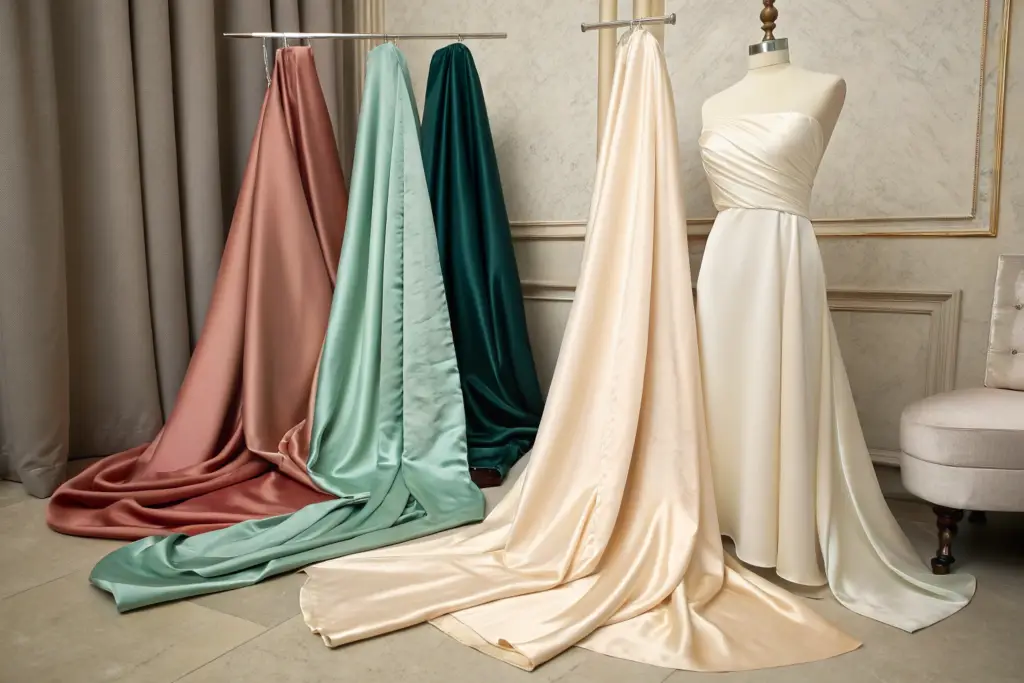
A dress brand from Nashville called me last year frustrated with their sales. Their designs were beautiful, their construction was solid, and their prices were reasonable. But customers consistently perceived their dresses as lower quality than similar styles from competitors. The owner asked me, "What are they doing that we're not? Our dresses are just as good."
Fabrics that make dresses look more expensive share specific characteristics: substantial weight that drapes properly, smooth surfaces with subtle luster, natural fiber content or premium blends, and consistent color and texture. Silk, quality viscose, crepe, satin-backed fabrics, and substantial cotton all signal luxury. The fabric's hand feel, how it moves, and how it catches light all contribute to perceived value before anyone reads a price tag.
Running a manufacturing facility in Shanghai means I handle fabrics across every price point. At Shanghai Fumao, we produce dresses for American brands ranging from contemporary to luxury price points. I have seen which fabrics consistently read as expensive and which undermine even the best designs. Let me share what actually creates that premium perception.
What Fabric Characteristics Signal Luxury?
A New York-based stylist told me she can identify expensive dresses from across a room before seeing labels. She looks for how the fabric moves, how it catches light, and how it settles on the body. These visual cues come from specific fabric characteristics that manufacturers build into premium materials.
Luxury fabrics share four visual characteristics: proper weight that creates elegant drape, surface interest without being busy, subtle luster that catches light, and consistency across the entire garment. These characteristics come from fiber quality, yarn construction, fabric finish, and attention to detail throughout production. Cheap fabrics look flat, move stiffly, and show inconsistency under light.
How Does Fabric Weight Affect Perceived Value?
Weight creates the first impression of quality. A dress that feels insubstantial reads as cheap regardless of design. A dress with appropriate weight signals investment and care. A Chicago-based customer described returning a beautiful dress because "it felt like I was wearing nothing, and not in a good way." Weight perception varies by dress style. Flowing maxi dresses need enough weight to drape properly without clinging. Structured dresses need substance to hold their shape. Sheath dresses need mid-weight fabrics that follow curves without wrinkling. We recommend clients select fabric weights appropriate to their silhouette and test how the fabric behaves on a body before committing. The Fabric Weight Guide provides visual references for how different weights drape and perform across dress styles.
What Role Does Surface Texture Play?
Surface texture catches light and creates visual interest that signals quality. A flat, dull surface reads as cheap, like basic cotton or low-grade polyester. A fabric with subtle texture, a slight slub, or a delicate pattern catches the eye and suggests complexity. A Seattle-based designer chooses fabrics with "something going on" even in solid colors. Texture considerations should enhance rather than overwhelm. Too much texture reads as novelty rather than luxury. Subtle texture that reveals itself on close inspection signals sophistication. Fabrics like crepe, slub silk, and textured viscose offer this quality. At Shanghai Fumao, we maintain a library of textured fabrics that add perceived value without increasing costs dramatically. You can explore textile texture examples to understand how different surface finishes affect visual perception.
Which Natural Fibers Look Most Luxurious?
A Dallas-based brand tested customer perception across different natural fibers. They showed identical dress styles in cotton, linen, and silk to focus groups. Silk consistently rated highest for perceived value, followed by linen, then cotton. The price differences followed the same pattern.
Natural fibers generally read as more luxurious than synthetics, but they vary significantly. Silk leads for obvious luxury, with its natural luster and fluid drape. Linen signals quality through its texture and substance, though its wrinkles can read as casual. High-quality cotton in substantial weights and smooth finishes approaches luxury territory. The fiber alone does not guarantee perception; quality within each fiber category matters enormously.
Why Does Silk Always Read as Expensive?
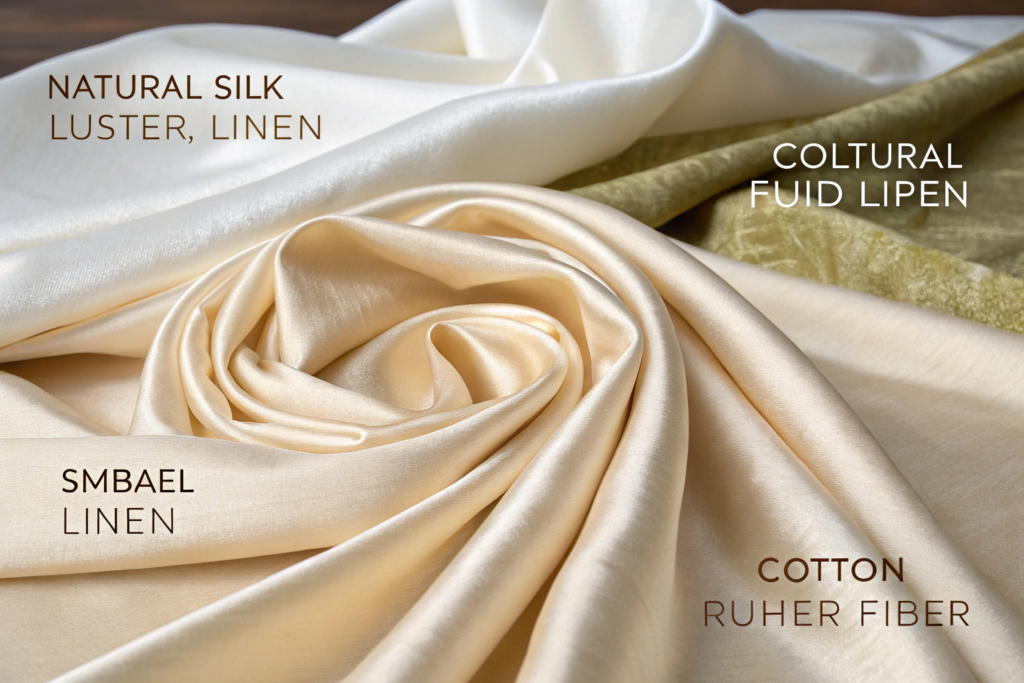
Silk's natural protein fibers create a luster that synthetics cannot replicate. The triangular structure of silk fibers refracts light, creating the subtle glow associated with luxury. A Boston-based customer described her silk dress as "glowing" compared to her polyester versions. Silk varieties offer different expressions of luxury. Habutai silk offers a crisp, clean look. Crepe de Chine adds texture and movement. Charmeuse provides the liquid drape associated with red carpet style. Each communicates luxury differently. We help clients select silk weights and weaves appropriate to their designs and price points. The Silk Grade Guide explains the differences between silk types and how they affect appearance and performance.
Can Linen Look Luxurious Despite Its Wrinkles?
Linen occupies an interesting position in luxury perception. Its natural wrinkles can read as casual or as character, depending on styling and context. A Charleston-based brand built their collection around linen, positioning the wrinkles as "natural elegance" rather than flaws. Linen quality determines perception dramatically. High-quality linen uses longer fibers that create smoother fabric and softer hand feel. Cheap linen uses shorter fibers that result in rougher texture and more pilling. Irish and Belgian linen carry premium associations that elevate perception. We source linen from mills known for consistent quality, ensuring our clients' dresses read as intentional rather than cheap. At Shanghai Fumao, we offer linen in various grades so brands can select the quality level that matches their price positioning.
How Do Viscose and Blends Compare to Natural Fibers?
A Philadelphia-based brand tested customer blind perception of silk versus high-quality viscose. When customers could not see labels, they consistently rated the viscose dresses as equally luxurious. The viscose actually outperformed lower-grade silk in some categories because of better drape and consistency.
Quality cellulosic fabrics can absolutely read as luxurious when properly selected and finished. High-grade viscose, modal, and Tencel offer drape, luster, and hand feel that rival natural fibers at lower price points. The key is selecting the right quality level and avoiding the thin, shiny look of cheap viscose that signals fast fashion.
What Makes Some Viscose Look Cheap and Some Look Expensive?
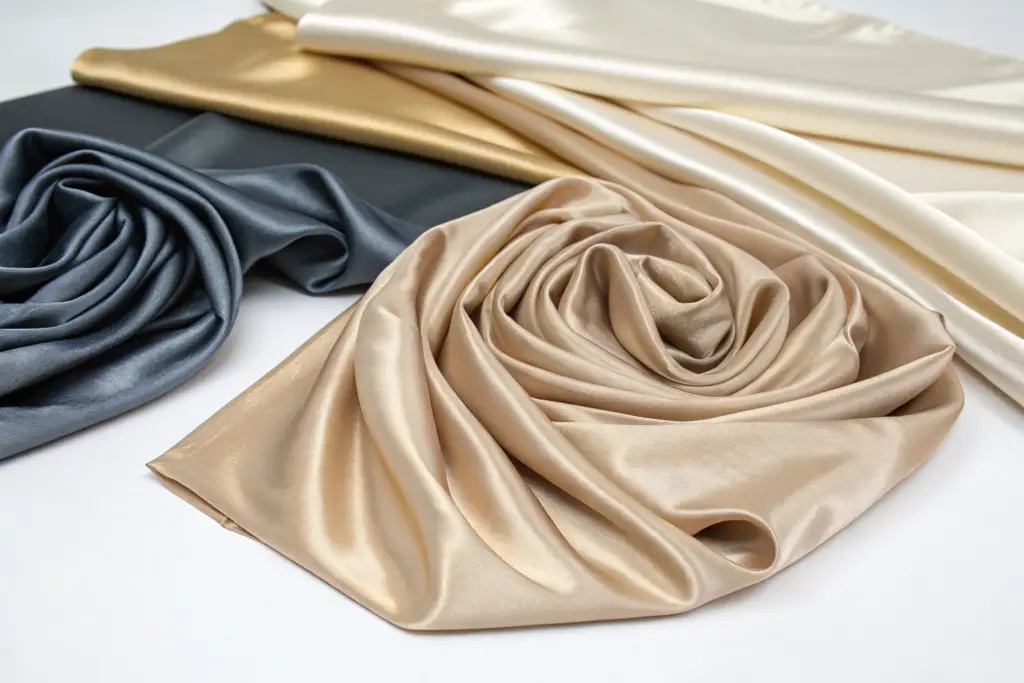
Viscose quality varies enormously based on fiber grade and production process. Cheap viscose uses shorter fibers and lower-quality pulp, resulting in fabric that pills, fades, and loses shape. Premium viscose uses longer fibers and better processing, creating fabric that drapes beautifully and maintains appearance. A Denver-based brand switched from cheap viscose to Lenzing EcoVero and saw customer perception shift dramatically. Viscose selection should prioritize fiber source and fabric weight. EcoVero and other certified viscose options carry sustainability credentials that further enhance luxury perception. We recommend clients avoid the cheapest viscose options, as the savings rarely justify the perception damage. The Lenzing viscose guide provides information on different viscose qualities and their performance characteristics.
Do Tencel and Modal Outperform Standard Viscose?
Tencel and Modal represent premium cellulosic options that consistently read as luxurious. Tencel offers exceptional drape and moisture management with environmental credentials. Modal provides softness that rivals cotton with better drape. A Portland-based brand uses Tencel exclusively for their dress collection, describing it as "silk performance at viscose prices." Premium cellulosic fabrics also offer practical advantages. They resist wrinkles better than natural fibers, hold color longer, and maintain shape through repeated wear. At Shanghai Fumao, we maintain relationships with certified Tencel and Modal suppliers, ensuring consistent quality across production runs. The Tencel fabric guide explains the performance benefits that contribute to luxury perception.
What Finishing Details Enhance Fabric Perception?
A Los Angeles-based designer told me she can make the same fabric look expensive or cheap through finishing choices alone. The same viscose, when finished with care, reads as premium. When rushed through production, it reads as fast fashion. The difference is invisible to untrained eyes but obvious to customers.
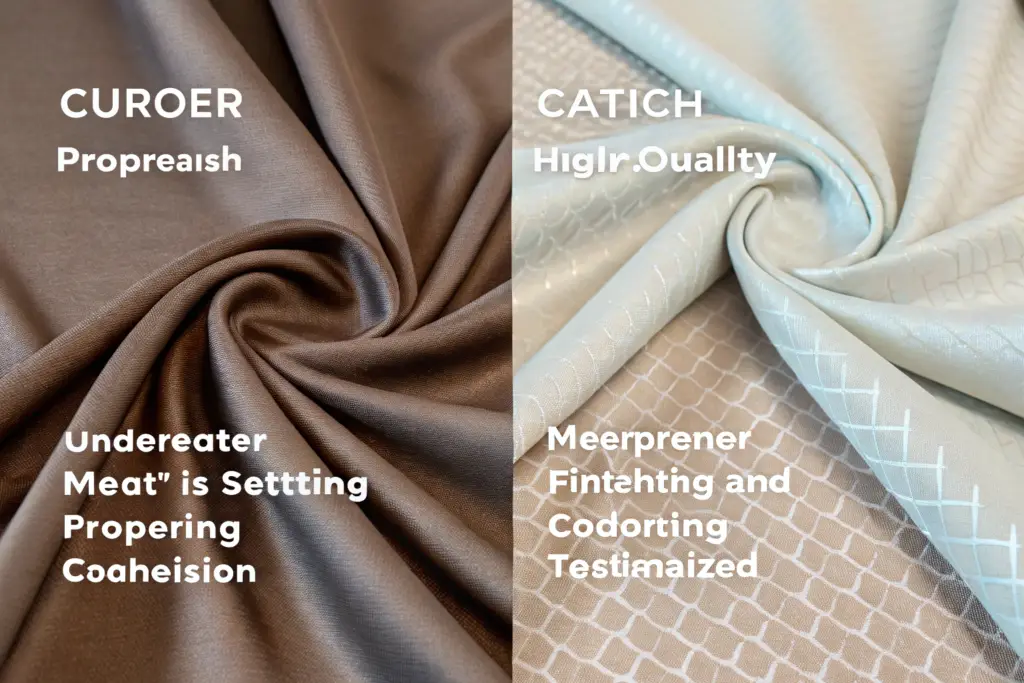
Fabric finishing dramatically affects perceived luxury. Proper finishing includes heat setting to prevent shrinkage, calendaring to create smooth surfaces, and mercerization to enhance luster. These processes happen after weaving but before cutting, and they transform how fabric looks and feels. Brands that invest in proper finishing see returns in customer perception.
How Does Fabric Finishing Change Appearance?
Finishing processes alter fabric at the surface level. Calendering presses fabric between heated rollers, creating a smooth, slightly lustrous surface that catches light. Mercerization treats cotton with caustic soda, increasing luster and dye affinity. Sanforization pre-shrinks fabric, ensuring garments maintain shape after washing. A Chicago-based brand specifies multiple finishing steps for their dresses, resulting in fabric that customers consistently describe as "feeling expensive." Finishing investment adds cost but delivers perception returns. The difference between finished and unfinished fabric is immediately obvious to customers, even if they cannot articulate why. The Textile Finishing Encyclopedia explains various finishing processes and their effects on fabric appearance.
What Role Does Dye Quality Play?
Dye quality may be the most overlooked factor in luxury perception. Cheap dyes result in uneven color, fading after few washes, and dull appearance. Quality dyes create deep, rich colors that maintain intensity. A Boston-based customer returned a dress because after one wash "the color looked tired." The fabric was fine; the dye was not. Dye selection should prioritize colorfastness and depth. Reactive dyes for cellulose fibers create the richest colors. Vat dyes for cotton offer exceptional fastness. We work with dye houses that maintain strict quality control, ensuring color consistency across production runs. At Shanghai Fumao, we provide clients with dye quality reports verifying colorfastness and depth before production.
How Do Construction Choices Complement Fabric?
A Seattle-based brand learned that even the most beautiful fabric looks cheap with poor construction. They invested in premium silk but used basic stitching and minimal finishing. Customers perceived the dresses as lower quality than competitors using similar fabric with better construction.
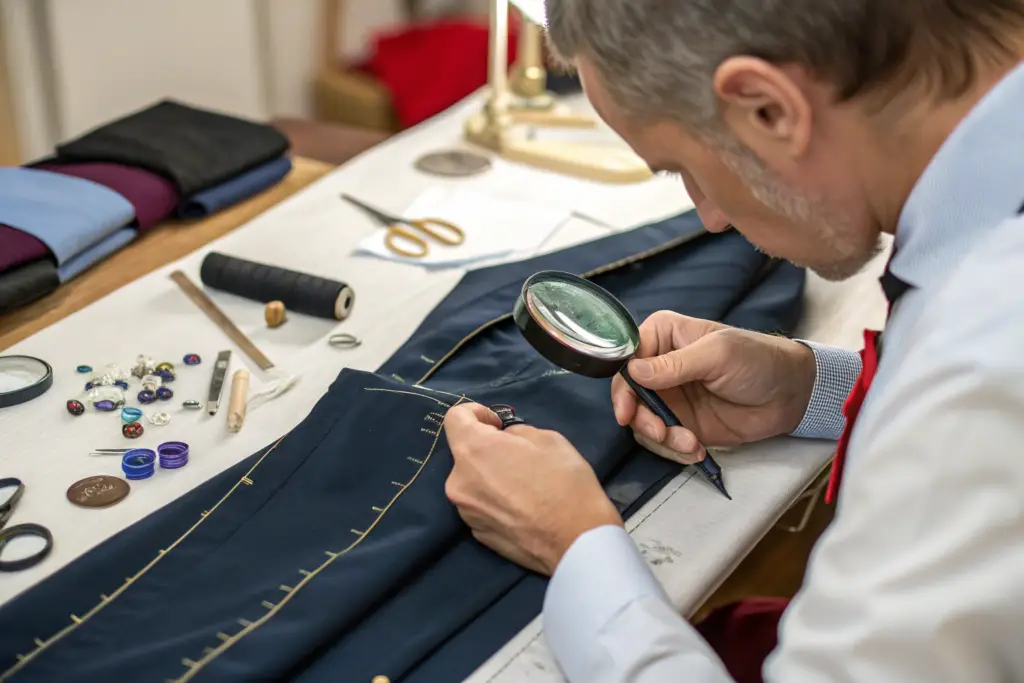
Construction choices either enhance or undermine fabric perception. Proper seam finishing, appropriate interfacing, careful pressing, and quality thread all signal that the garment deserves its fabric. Customers may not notice these details consciously, but they feel the difference. Luxury perception comes from the combination of fabric and construction, not either alone.
What Seam Finishes Signal Quality?
Seam finishing reveals a manufacturer's commitment to quality. French seams, bound seams, and carefully serged edges all signal that someone cared about the inside as much as the outside. A Philadelphia-based customer checks inside seams before buying, explaining that "if they cut corners where no one sees, they cut corners everywhere." Seam finishing also affects garment durability and comfort. Quality finishes prevent fraying, reduce bulk, and feel better against skin. At Shanghai Fumao, we offer multiple seam finishing options so brands can match finish quality to their price points and customer expectations. The Seam Finish Guide provides visual references for different seam finishes and their appropriate applications.
How Does Interfacing Affect Fabric Appearance?
Interfacing, the material used to stabilize collars, cuffs, and waistbands, dramatically affects how fabric performs. Cheap interfacing wrinkles, bubbles, and separates from fashion fabric. Quality interfacing maintains shape and disappears visually. A Denver-based designer learned this through customer complaints about collar bubbling after dry cleaning. Switching to premium interfacing solved the problem. Interfacing selection should match the fashion fabric in weight and care requirements. Fusible interfacings require precise application to prevent bubbling. Sew-in interfacings offer traditional quality but higher labor costs. We help clients select interfacing that enhances rather than undermines their fabric investment. The Interfacing Guide explains how to select interfacing that complements different fabric types.
Conclusion
Fabrics that make dresses look more expensive share specific characteristics: appropriate weight, subtle texture, quality fiber content, careful finishing, and rich color. Silk leads for obvious luxury, but quality cellulosic fabrics can approach the same perception at accessible prices. Construction choices must complement fabric investment, with proper seam finishing and interfacing completing the luxury story. Color and print selection further enhance or undermine fabric quality.
At Shanghai Fumao, we help brands select fabrics that communicate luxury at their target price points. Our fabric library includes options from basic to premium, and our construction expertise ensures that beautiful fabrics become beautiful dresses. If you are developing a dress collection and want to maximize perceived value, contact our Business Director Elaine at elaine@fumaoclothing.com. She can discuss fabric options, finishing processes, and how we help brands create dresses that look more expensive than they cost. You can also explore our dress fabric guide to understand the full range of options available for your next collection and request fabric swatches to evaluate luxury perception firsthand.