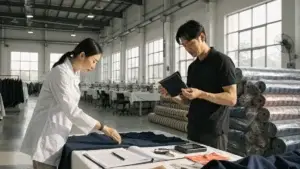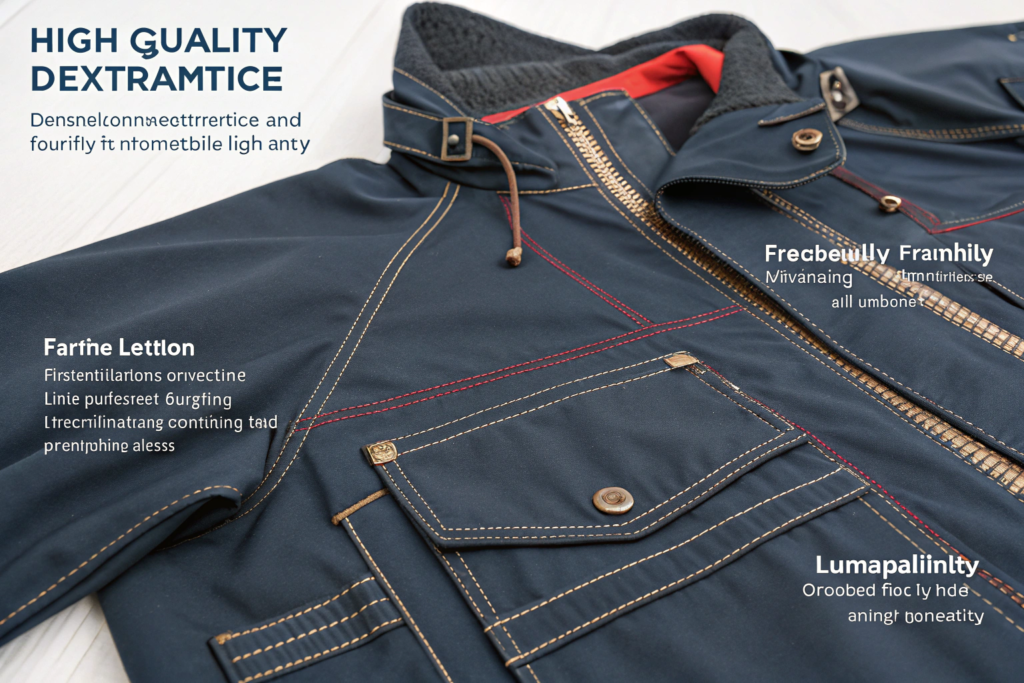
A buyer from Ohio called me last month frustrated with a shipment he received from a new supplier. The jackets looked perfect in the photos, but after his customers wore them twice, the seams started pulling apart. He was facing returns and angry emails. He asked me, "How could I have known this would happen before cutting the tags off?"
Identifying high-quality clothing that will last requires looking beyond the surface and understanding construction fundamentals. You need to examine fabric composition, stitching density, finishing details, and hardware quality. These elements determine whether a garment survives ten washes or falls apart after ten wears. Professional buyers learn to spot these details in seconds.
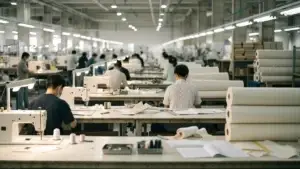
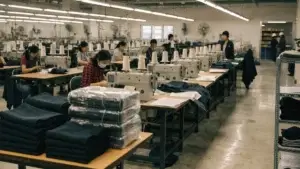
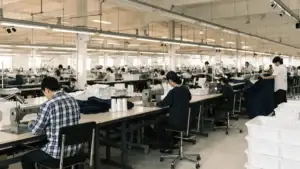
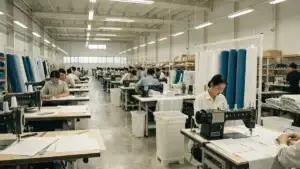
I have spent over fifteen years in garment manufacturing in Shanghai. I have seen trends come and go, but the principles of durability never change. American brands that succeed in this market know exactly what to look for when evaluating samples. At Shanghai Fumao, we have built our reputation on helping brands identify these quality markers before production begins. Let me share the specific indicators I teach my clients to examine before placing bulk orders.
What Fabric Characteristics Signal Long-Term Durability?
A denim brand from Los Angeles sent us their best-selling jeans last year for a production quote. The fabric felt thick and substantial, but when I held it up to the light, I noticed inconsistent weaving and thin spots. I warned them their current supplier was using low-grade cotton with recycled fibers. They verified my concern and switched to our mill-sourced denim. Their return rate dropped by 35% in six months.
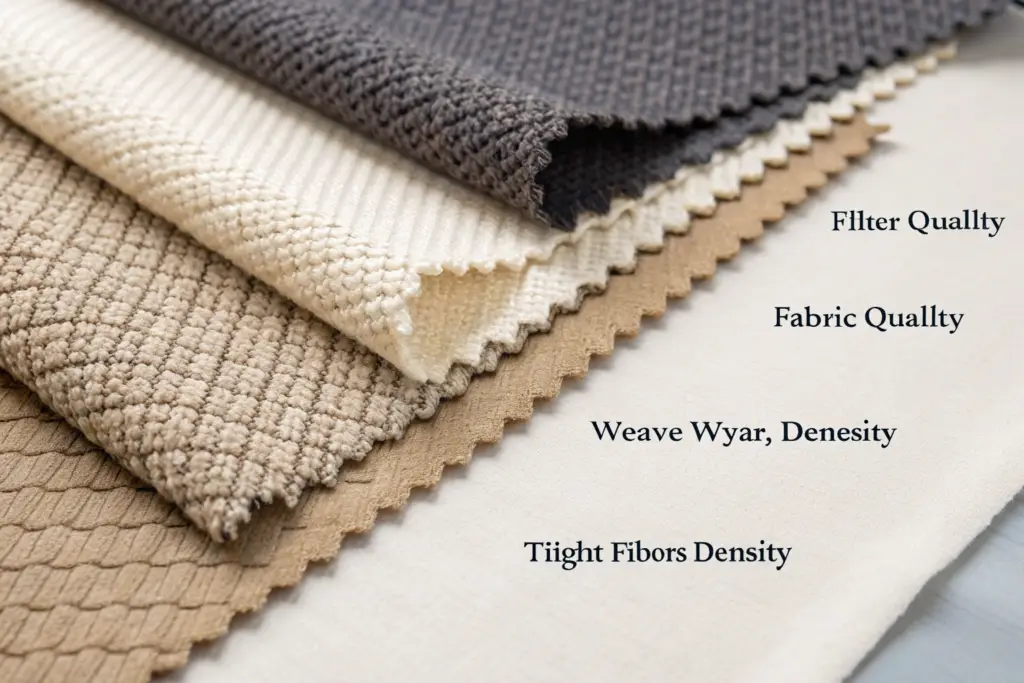
Fabric quality is the foundation of garment longevity. You must evaluate fiber content, yarn quality, fabric weight, and weave density. A durable fabric uses long-staple fibers, consistent yarn thickness, and tight construction. These factors determine how the fabric responds to stress, washing, and everyday wear.
Fabric tells the truth about a garment's future. You cannot hide poor material under good stitching. The fabric will pill, shrink, or tear eventually. Here are the specific tests I recommend performing on every fabric sample.
How Can You Test Fabric Strength Without Laboratory Equipment?
You can perform simple physical tests right at your desk. First, perform the stretch test. Hold the fabric firmly in both hands and pull in opposite directions. Quality fabric will resist stretching and return to its original shape. Poor fabric will stretch easily and stay stretched. Second, do the rub test. Take a small corner of the fabric and rub it vigorously between your thumb and fingers for twenty seconds. Look for pilling, fuzzy balls forming on the surface. A quality cotton or wool blend should resist this pilling. Third, check the light test. Hold the fabric up to bright light. You should see consistent density across the entire piece. Thin spots or variations indicate poor weaving and future failure points. I always tell my clients to request a fabric swatch set before committing to production. At Shanghai Fumao, we send them four-inch squares of every material option. This simple step has saved countless buyers from expensive mistakes. You can also read more about fabric sourcing best practices from industry resources to understand what questions to ask suppliers.
Why Does Fabric Weight Matter for Different Garment Types?
Fabric weight, measured in GSM or grams per square meter, directly correlates to durability. A t-shirt for everyday wear needs at least 180 GSM to maintain shape through multiple washes. Below that, you get the see-through, flimsy shirts that lose their collar shape after three washes. For denim, jeans require 12 to 14 ounces for regular wear. Lighter denim works for shirts but will tear at stress points in pants. I worked with a yoga wear brand last year that insisted on 200 GSM for their leggings. They wanted the buttery soft feel of lower weight fabric. We tested both options with twenty wash cycles. The 200 GSM fabric maintained compression and opacity. The lighter fabric became sheer and lost elasticity. The client chose durability over initial softness and built a loyal customer base because their leggings actually lasted. Always ask your supplier for the fabric specification sheet showing GSM, fiber blend percentages, and shrinkage test results before approving bulk production. The textile industry standards organization provides detailed explanations of how fabric weight affects performance across different garment categories.
What Stitching Details Reveal Poor Construction?
A children's wear buyer from Chicago visited our factory two years ago. She pointed to a sample on our table and said, "This stitching looks clean." I asked her to flip the garment inside out. She was shocked at the loose threads and uneven seams hidden inside. She realized her current supplier had been hiding poor workmanship for years.
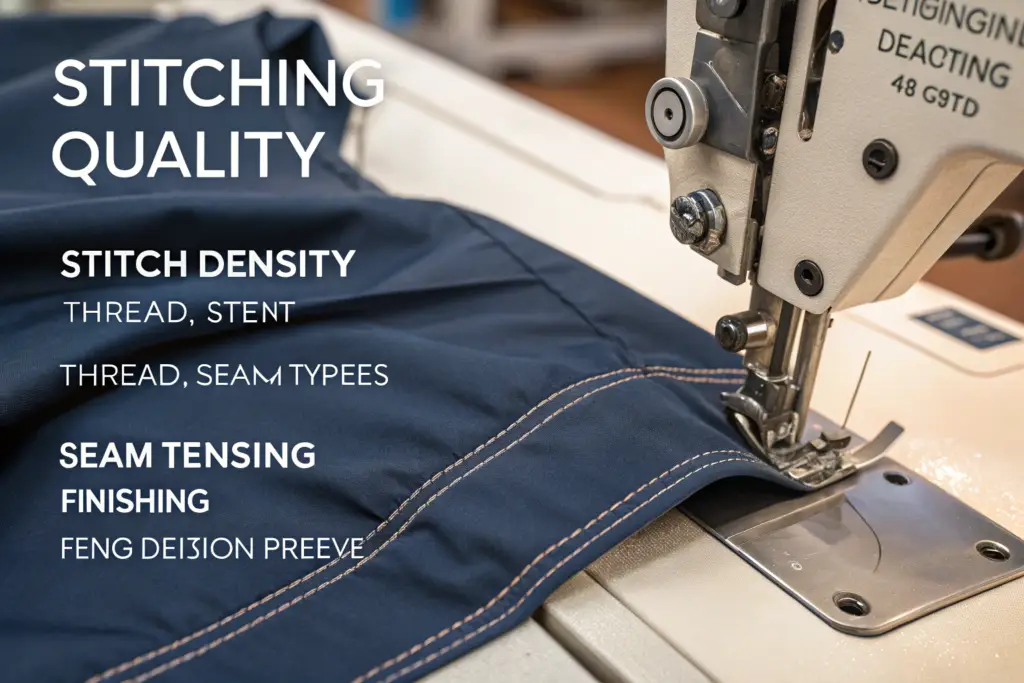
Stitching quality determines how long a garment holds together under stress. You must examine stitch density, thread tension, seam types, and edge finishing. Professional manufacturers use consistent stitch counts per inch, properly tensioned threads, and finished seams that prevent fraying. These details separate durable clothing from disposable fashion.
The outside of a garment is for show. The inside tells the real story. I train every new client to become an expert at examining construction details. Here is what I teach them to look for.
How Many Stitches Per Inch Indicate Professional Quality?
Stitch count is the easiest number to verify. For most woven garments like shirts and trousers, you need at least 10 to 12 stitches per inch. For knits and stretch fabrics, 8 to 10 stitches per inch provides enough strength while maintaining flexibility. Take a ruler and count the stitches along a straight seam. Low-quality manufacturers use 6 to 7 stitches per inch to save time and thread. These seams pop open under stress. I remember a sportswear brand that came to us with samples falling apart at the shoulder seams. Their Vietnamese supplier used 6 stitches per inch to cut costs. We produced the same design with 12 stitches per inch using high-tenacity polyester thread. The client tested both versions with athletes. Our version survived an entire season of games and washes. The old version failed after two practices. Always specify stitch density requirements in your tech pack and verify them on production samples before shipping. You can explore industrial sewing machine specifications to understand what equipment creates consistent stitch quality.
What Do Unfinished Seams and Loose Threads Tell You?
Flip the garment inside out. This five-second action reveals everything about a manufacturer's pride in their work. Quality garments have finished seams. You should see serged edges, French seams, or binding that prevents fraying. You should see thread ends trimmed close to the fabric. You should not see raw fabric edges unraveling. A few years ago, a New York brand sent us a sample for a price quote. The outside looked beautiful. The inside was a disaster. Raw edges everywhere, loose threads dangling, seams barely holding together. We quoted them a higher price than their current supplier. They chose the cheaper option and regretted it. Six months later, they came back to us after receiving chargebacks from retailers for poor quality. We now produce all their garments with fully finished seams. The extra two dollars per unit saves them thousands in returns. Check for seam finishing techniques like overlocking, flatlocking, or cover stitching depending on the garment type. Each method serves a specific purpose and indicates the manufacturer understands garment construction. The Seamwork magazine sewing glossary offers excellent visual references for different seam finishes you should expect from quality manufacturers.
Which Finishing Details Separate Premium From Cheap Manufacturing?
A boutique owner from Austin visited our showroom last year with a simple question. She held two identical looking white shirts from different suppliers. One cost fourteen dollars. The other cost twenty-two dollars. She asked why the price difference existed. I spent thirty minutes showing her the details she had never noticed before.
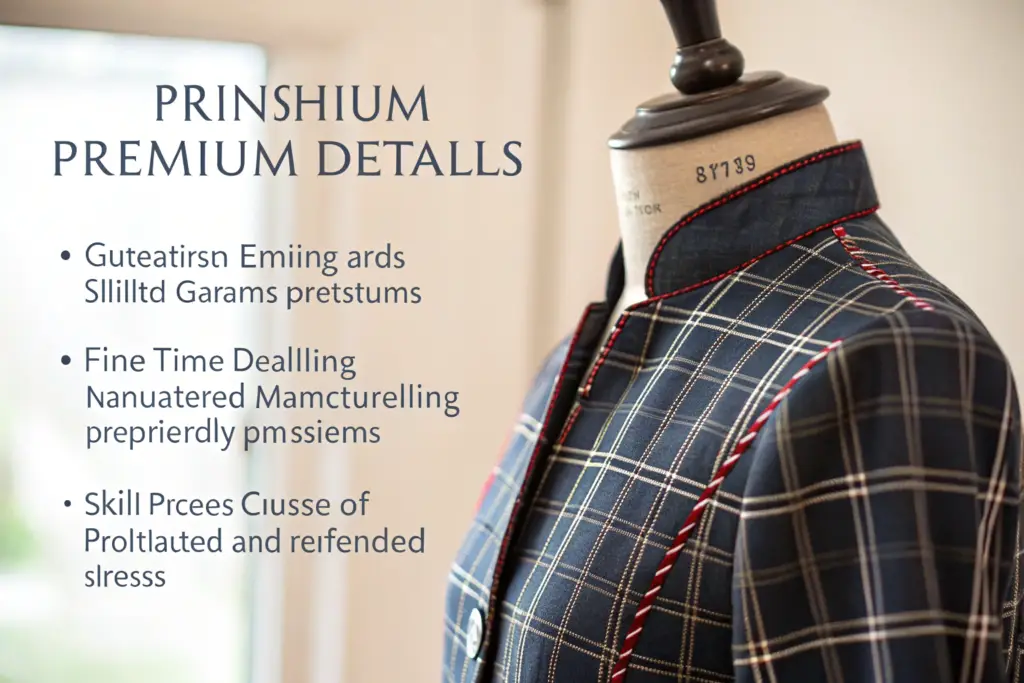
Finishing details are the signature of a skilled manufacturer. Premium garments feature matched patterns at seams, properly aligned plaids, consistent button spacing, and reinforced stress points. These details require extra time and skill during production. They also create the perceived value that allows brands to command higher prices.
The difference between good and great clothing lives in the finishing details. Mass-market manufacturers skip these steps to save minutes. Premium manufacturers invest the time because they know buyers notice. Here are the specific details I point out to every new client.
Why Do Buttons and Buttonholes Reveal Manufacturing Standards?
Button quality and buttonhole construction tell you exactly how much a manufacturer cares. Quality buttons feel smooth with no sharp edges. They have consistent color throughout, not just painted on the surface. They attach securely with at least four stitches through each hole for sew-through buttons or a properly secured shank for shank buttons. Buttonholes should be tight, consistent in size, and reinforced with bartacks at both ends. Loose, stretched, or uneven buttonholes will fail quickly. I worked with a shirt brand that kept receiving complaints about buttons falling off. We examined their samples and found the manufacturer using cheap plastic buttons and minimal stitching. We sourced higher quality corozo nut buttons from a specialized supplier and instructed our sewing team to use twelve stitches per button instead of eight. The problem disappeared. The client now specifies button quality in every contract and checks button attachment on every sample. You can learn more about button quality grades and materials from industry suppliers to make informed sourcing decisions.
What Does Pattern Matching Tell You About Factory Skill?
Pattern matching is the ultimate test of cutting and sewing accuracy. Look at plaid shirts, striped dresses, or patterned jackets. At the side seams, do the lines match perfectly? At the shoulder seams, do the patterns continue without interruption? Matching patterns requires careful fabric cutting and precise sewing. It wastes fabric because you cannot just cut randomly. Factories that skip pattern matching save money on materials but produce garments that look cheap even with expensive fabric. A high-end women's wear brand from San Francisco once sent us a complex herringbone coat design. Their previous factory could not match the pattern at the center back seam. We spent extra time laying out the pattern pieces to ensure perfect alignment. The client photographed the coat for their website, highlighting the seamless pattern flow. They sold out in two weeks. Pattern matching at critical points like center fronts, side seams, and pocket placements signals a factory that values craftsmanship over speed. At Shanghai Fumao, we consider pattern matching a baseline requirement for all woven garment production. You can read our guide on custom apparel manufacturing processes to understand how we approach these finishing details.
How Can You Verify Color Fastness and Shrinkage Before Production?
A resort wear brand from Miami called me in tears two summers ago. Their entire summer collection arrived from a new supplier looking perfect. After one wash, the bright colors faded to pastels. The garments shrunk two sizes. They had to cancel all their wholesale orders and lost their best retail partners.
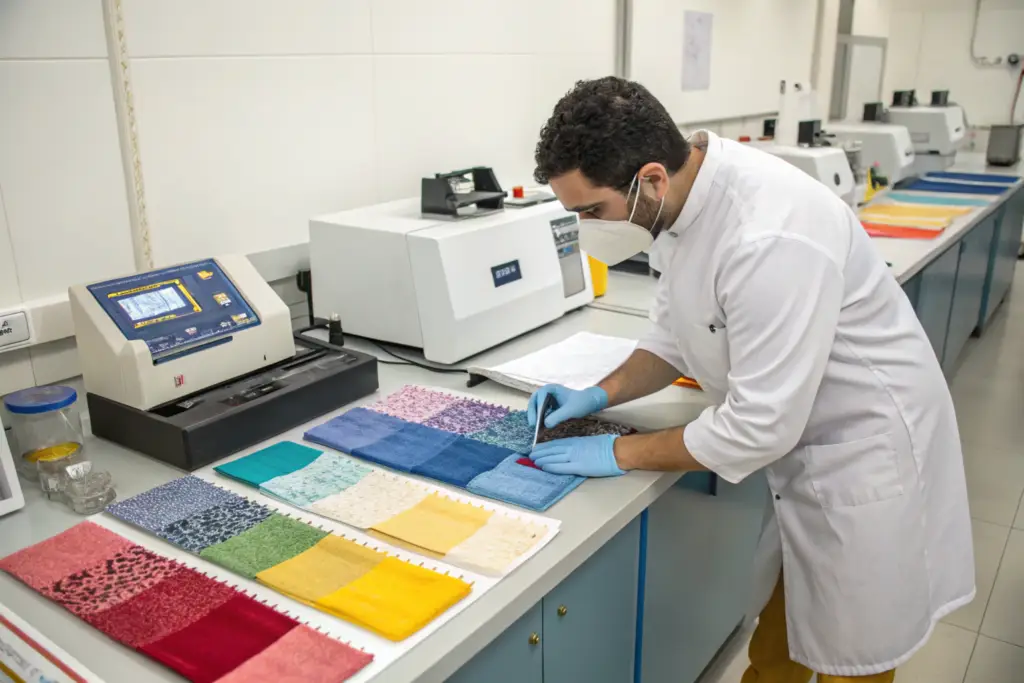
Color fastness and shrinkage testing are non-negotiable steps before bulk production. You must request wash tests, rub tests, and light fastness tests on actual production fabrics. These tests simulate real-world use and reveal problems before they destroy your inventory and reputation.
Fabric behaves differently after cutting and sewing than it does on the roll. You cannot trust mill certifications alone. You must test the actual materials your factory plans to use. Here is the testing protocol I recommend to every brand partner.
What Wash Tests Should You Request Before Bulk Production?
Request a minimum of three home laundry cycles on your pre-production samples. Wash them exactly as your customers will. Use the same temperature, same detergent, same drying method. After each cycle, measure the garment against the original spec sheet. Check for shrinkage in length, width, and sleeve length. Check for color bleeding onto white areas or trim. Check for pilling on high friction areas like underarms and sideseams. A New England outdoor brand sent us their technical fabric for a jacket project. Our wash tests revealed the fabric shrunk 5% after one dry cycle, which would make the jackets unwearable. We discovered the mill had applied the wrong finishing treatment. The client avoided a disaster by catching it during sampling. Always request shrinkage test reports from your supplier and verify the results yourself on samples. The American Association of Textile Chemists and Colorists provides standardized testing methods that reputable manufacturers should follow.
How Do You Check for Color Bleeding and Fading?
Color fastness determines whether your garments look new after ten washes or old after two. Perform the wet rub test. Take a white cotton cloth, wet it, and rub it firmly against colored areas of the fabric. Color transfer to the white cloth means bleeding issues during washing. Perform the light test. Leave a fabric sample in direct sunlight for a week or use a light fastness testing machine. Does the color fade unevenly? Does it change hue entirely? I worked with an activewear brand that wanted bright neon colors. The first samples looked amazing. Our light fastness tests showed the neon yellow fading to pale cream after forty hours of simulated sunlight. We reformulated the dye recipe with higher quality pigments and added UV inhibitors. The final product maintained its brightness through an entire season of outdoor use. Color fastness ratings from ISO or AATCC standards provide objective measurements you can trust. Always ask for these certifications before approving bulk dyeing. You can explore color fastness testing standards to understand what certifications to request from potential manufacturing partners.
Conclusion
Identifying high-quality clothing requires developing an eye for construction details that most people never notice. You must examine fabric through touch and light tests. You must count stitches and inspect seam finishes. You must check pattern matching and button security. You must verify color fastness and shrinkage through actual testing. These habits separate successful brands from those constantly fighting returns and chargebacks.
If you want to build a brand reputation on quality and durability, you need a manufacturing partner who shares these standards. At Shanghai Fumao, we build quality into every step of production, from fabric inspection to final packing. We welcome your questions and your samples. Let us show you the difference that experience makes. Contact our Business Director Elaine at elaine@fumaoclothing.com to discuss your next collection and how we can help you deliver lasting quality to your customers. You can also explore our complete manufacturing services to see how we support brands from concept to delivery.