
Certifications are supposed to be your safety net. They tell you a factory is ethical, that its products are safe, that its processes are reliable. But in my years in this industry, I have seen too many buyers fooled by fake documents. A buyer from Seattle called me once, furious. He had chosen a supplier based on a BSCI certificate they sent him. After six months of delays and quality issues, he found out the certificate number belonged to a different factory entirely. He had been deceived from day one.
Verifying an Asian manufacturer's certification is not about trusting the PDF they email you. It is about becoming a detective. You need to treat every document as potentially fraudulent until you have independently confirmed its validity with the issuing body. You must check certificate numbers on official databases, look for signs of digital manipulation, and understand what different audit grades actually mean. A certificate is just a piece of paper. Verification is the proof.
I have run Shanghai Fumao for over a decade. I have seen the good, the bad, and the ugly in this industry. I have also earned and maintained legitimate certifications because I know they matter to serious buyers like you. Let me share the practical steps you need to take to protect yourself from fraudulent claims.
How do you check a BSCI or SEDEX audit report for fraud?
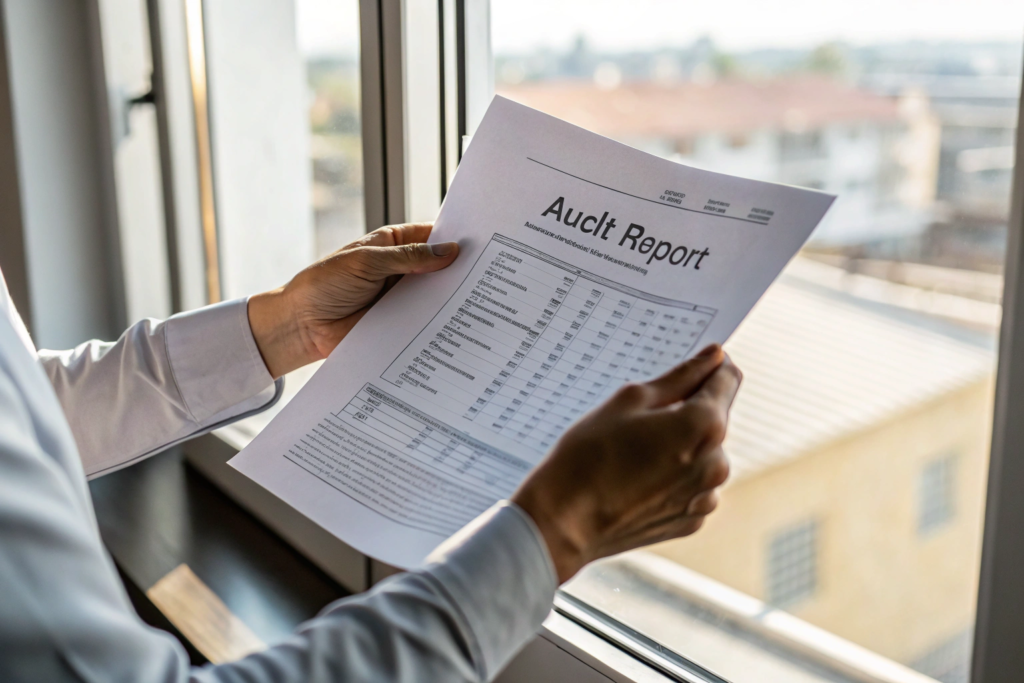
The BSCI and SEDEX audits are among the most common social compliance certifications requested by Western buyers. They are meant to ensure factories treat their workers fairly and operate safely. But because they are so common, they are also frequently faked. I have seen reports where the factory name has been photoshopped, or where an old report with a bad grade has been altered to show a good grade.
To verify a BSCI or SEDEX report, you must look at the document itself for signs of tampering, and then you must verify the audit ID number with the official platform. Check that the factory name and address on the report match the supplier you are talking to. Look at the audit date. Is it recent? Look at the overall rating. An 'A' or 'B' rating is good. A 'C' or 'D' rating indicates significant issues. If the report is a 'C' but the factory claims everything is perfect, they are hiding something.
I remember a situation from about four years ago. A potential client from Chicago sent us a BSCI report from another Chinese factory he was considering. He asked us, as a fellow manufacturer, if it looked real. The first thing I noticed was that the address on the report was incomplete. It just said a city name, not a specific street. I told him to ask for the audit ID number. He did, and the factory gave him one. When he tried to verify it on the amfori BSCI platform, the number did not exist. It was completely fake. He dodged a bullet. He later told me that if he had not checked, he would have placed a large order based on a lie. This is why you must never skip this step. A legitimate factory, like Shanghai Fumao, will have a valid, verifiable ID and will encourage you to check it. You can see our commitment to transparency on our website at Shanghai Fumao.
Where can you verify a BSCI audit ID number?
The official verification is done through the amfori BSCI platform. You usually need to be a registered amfori member to access the full database. However, you can ask your supplier for a screenshot of the audit report summary page from the official system. You can also ask them to grant you "view-only" access to their audit report through the platform. If they are legitimate, they will know how to do this. If they make excuses, be very suspicious.
What do the different BSCI grades (A, B, C, D, E) mean?
The grades reflect the level of compliance found during the audit.
- A and B are excellent. They mean the factory has very few issues and demonstrates good management practices.
- C is the most common grade. It means the factory is broadly compliant but has some areas that need improvement. A 'C' is acceptable, but you should ask what the improvement plan is.
- D and E are poor. They mean significant non-compliances were found, such as health and safety hazards or issues with working hours. You should be very cautious about working with a factory that has a 'D' or 'E' grade, especially if they have not shown evidence of fixing the problems.
How can you confirm an OEKO-TEX or GOTS certificate is real?
OEKO-TEX Standard 100 and GOTS (Global Organic Textile Standard) are the gold standards for product safety and organic content. A garment with these certifications can be marketed as safe for babies or as genuinely organic. This gives you a huge advantage in the market. But counterfeiters know this. Fake OEKO-TEX certificates are circulated all the time. They look very convincing at first glance.
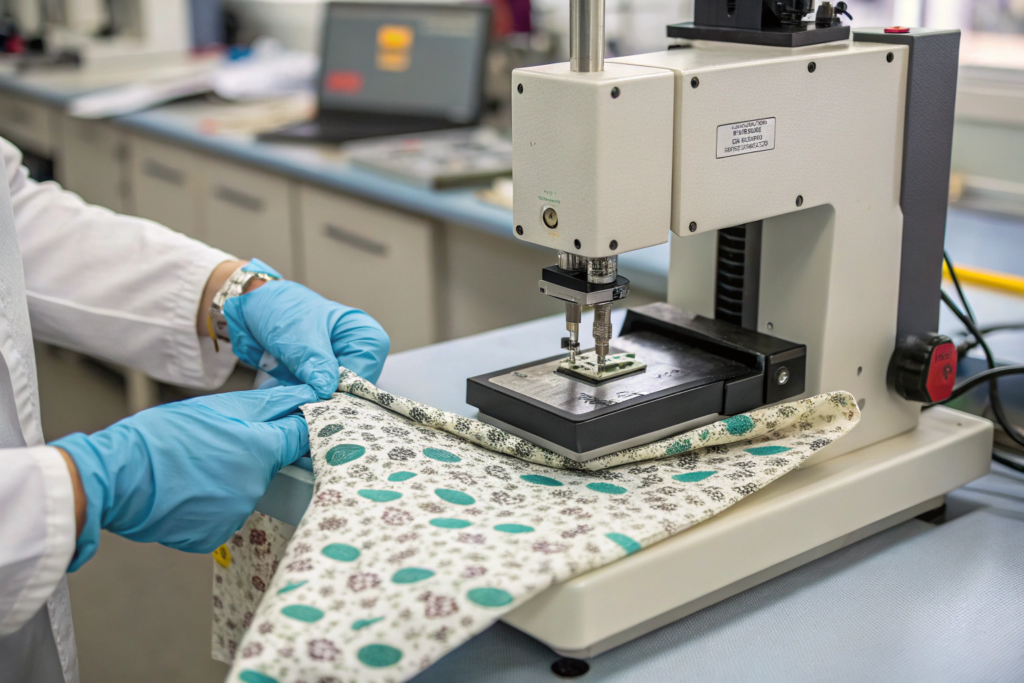
To verify an OEKO-TEX certificate, you need to go to the official OEKO-TEX website and use their "Buyers" section to search for the certificate number. Do not just look at the PDF. A real certificate will have a unique number, a valid issue date, and an expiration date. It will also list the specific products or materials that are certified, not just the factory name. For GOTS, you must check the official GOTS public database, which lists all certified facilities and their scope of certification.
I have a story about this. A few years ago, a new client from New York sent us an OEKO-TEX certificate from a potential fabric supplier. He was unsure if it was real and asked for our opinion. We looked at the certificate number and searched it on the OEKO-TEX database. The number was valid, but it was issued to a factory in India, not the one in China he was talking to. Someone had taken a real certificate and photoshopped the factory name and address. We told the client, and he avoided a major problem. If he had used that fabric and claimed it was OEKO-TEX certified, he could have faced serious legal issues for false advertising. This is why independent verification is not optional. It is essential. At Shanghai Fumao, we only work with material suppliers who provide valid, verifiable certifications. We keep copies of these verifications on file for our clients.
What is the difference between "OEKO-TEX Standard 100" and "OEKO-TEX STeP"?
OEKO-TEX Standard 100 is a product certification. It tests the finished product (fabric, thread, buttons) for harmful substances. You see this label on individual garments. OEKO-TEX STeP is a factory certification. It analyzes the factory's entire production process, including chemical management, environmental performance, and social responsibility. A factory can have STeP certification, and the products they make can have Standard 100 certification. They are different but complementary.
How often do GOTS and OEKO-TEX certificates need to be renewed?
Both certifications require regular renewal. OEKO-TEX Standard 100 certificates are typically valid for one year. You should always check the date. GOTS certification is also subject to annual surveillance audits. The certificate will have an issue date and an expiry date. If the certificate you are looking at is more than 12-15 months old, it is likely expired. Always ask for the most recent certificate.
What red flags indicate a certificate might be photoshopped?
Even the best fakes often have small mistakes. You just need to know where to look. A photoshopped certificate can look perfect at a glance, but when you zoom in, the details fall apart. Learning to spot these red flags can save you from a costly mistake. It is like being a forensic document examiner.
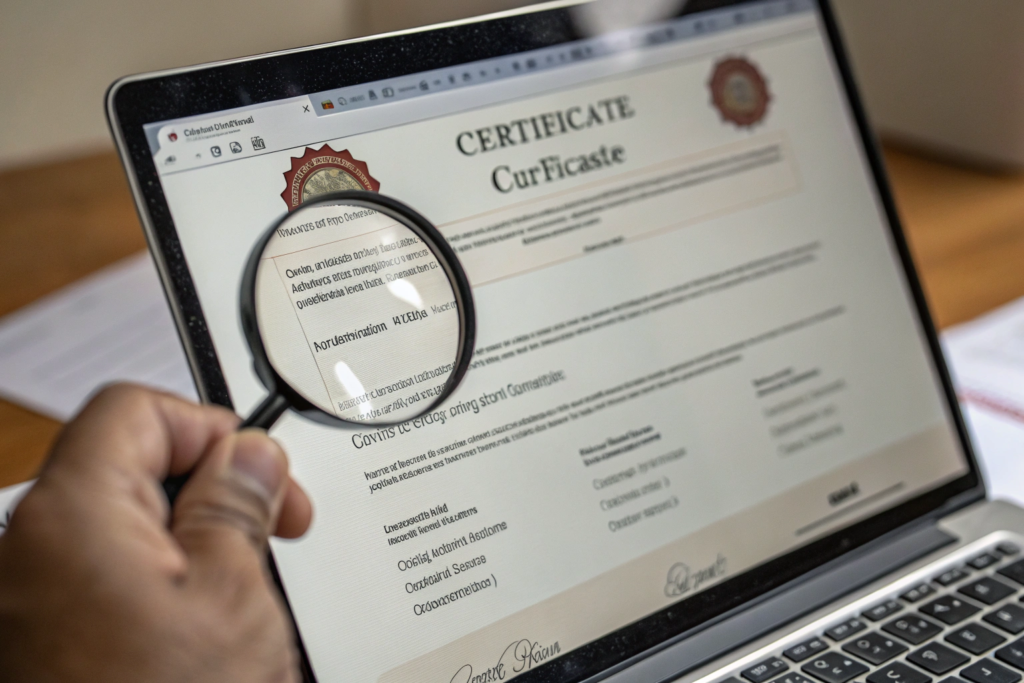
Common red flags include inconsistent fonts or font sizes within the same document. Look closely at the factory name. Does the spacing between letters look uniform, or does it change slightly? This can be a sign that text was added later. Also, check the logo. Is it high resolution, or is it pixelated and blurry? Real certificates from reputable bodies have sharp, high-quality logos. Finally, check the borders and lines on the certificate. Are they perfectly straight, or do they look misaligned? These tiny details can reveal a fake.
I recall a client from Florida who sent us a certificate he received from a potential trim supplier. He was suspicious. We looked at it together on a video call. I asked him to zoom in on the logo. It was blurry and pixelated. Then we looked at the address line. The font was slightly larger than the rest of the text, and the spacing was off. It was clearly a bad Photoshop job. We told him it was fake. He confronted the supplier, who immediately stopped responding. This simple visual check saved him from ordering thousands of dollars worth of potentially unsafe trims. This is a skill every buyer should develop. When you work with us at Shanghai Fumao, we provide original, high-quality PDFs of our certificates and encourage you to verify them through any means you choose.
Why is the "issue date" on a certificate a critical detail?
The issue date tells you how recent the audit or test was. A certificate from three years ago means nothing today. Factory conditions change. People change. Processes change. A certificate is a snapshot in time. You need a current snapshot. Always check the date. If the date is more than 12-18 months old for most compliance or product certifications, ask for a more recent one. If they cannot provide it, they may not have maintained their certification.
What should you do if the certificate number doesn't match the factory name?
If you search for a certificate number and it comes back to a different company, that is a major, non-negotiable red flag. It means the document has been tampered with. The safest course of action is to stop working with that supplier immediately. If they are willing to lie about something as fundamental as a certification, they are willing to lie about everything. Do not give them a chance to explain. Just walk away.
Why should you hire a third-party inspector to verify certifications on-site?
Documents can be faked. Numbers can be manipulated. But a physical inspection of the factory does not lie. If a factory claims to have a certification that guarantees safe working conditions, a third-party inspector can verify that with their own eyes. They can check if the fire extinguishers are real, if the exits are unlocked, and if the workers look healthy and safe.
The ultimate verification step is to hire a reputable third-party inspection company, such as SGS, Bureau Veritas, or QIMA, to perform an on-site audit. You can ask them to verify the specific certification the factory claims to hold. They will check the physical evidence and compare it to the certification requirements. This is not cheap, but for a large order or a new, untested supplier, it is the best money you can spend. It gives you absolute proof, not just a PDF.
I remember a situation from about five years ago. A distributor in New Jersey was considering a large, long-term contract with a new factory. The factory provided beautiful certificates for everything. But the distributor was smart. He hired a third-party auditor to do an unannounced visit. The auditor arrived at the factory and found that many of the fire exits were blocked with fabric rolls. The emergency lighting did not work. The workers could not show him their ID cards. The factory's social compliance was a mess, completely contradicting their clean BSCI report. The distributor cancelled the contract immediately. He told me later that the cost of the audit was a few thousand dollars. The cost of a failed shipment or a public scandal would have been millions. This is the value of on-the-ground verification. It cuts through the paperwork and shows you the reality. At Shanghai Fumao, we welcome these audits. We know our facilities meet the standards, and we are happy to prove it.

Which third-party inspection companies are most reliable?
The most recognized global leaders are SGS, Bureau Veritas, and TÜV Rheinland. For social compliance and factory audits specifically, QIMA and AsiaInspection are also very popular and have a strong presence in Asia. They all have standardized procedures and provide detailed reports. You can contact any of them, explain which certification you need verified, and they will provide a quote for the service.
What is an "unannounced" audit and why is it better?
An unannounced audit means the inspector shows up at the factory without giving them a specific date and time in advance. This prevents the factory from cleaning up temporarily or hiding problems. For social compliance audits, unannounced visits are the gold standard because they show you the factory's normal, everyday operations. A factory that is truly compliant will have no problem with an unannounced audit. A factory that has something to hide will be terrified of it. If you are serious about verification, ask your auditor to perform an unannounced visit.
Conclusion
Verifying certifications for Asian manufacturers is a critical skill. It protects your brand, your customers, and your investment. You must move beyond trusting a PDF and become an active verifier. Check BSCI and SEDEX IDs on official platforms. Verify OEKO-TEX and GOTS numbers in public databases. Train your eye to spot the visual red flags of a photoshopped document. And for the highest level of confidence, invest in an on-site, third-party audit. Each of these steps builds a wall of protection around your supply chain.
At Shanghai Fumao, we understand why this matters. We have earned our certifications through real work, not through shortcuts. We hold valid BSCI audits, we work with OEKO-TEX certified mills, and we welcome third-party inspections. We believe that transparency is the foundation of a strong partnership.
If you are looking for a manufacturing partner who is open, honest, and verifiable, let us talk. We are ready to share our documents and our facility with you. Please contact our Business Director, Elaine, at elaine@fumaoclothing.com to start a conversation built on trust.