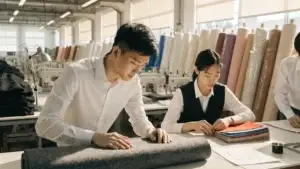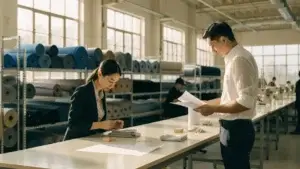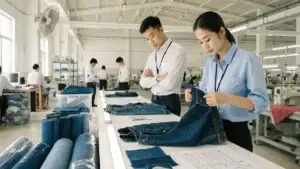
Men's wear is different from women's wear. The expectations are higher in some ways. A man buying a shirt or a jacket expects it to fit perfectly, to hold its shape, and to look exactly like the picture. There is less tolerance for variation. A buyer from Dallas called me last year, frustrated because his previous supplier's "custom" shirts all had inconsistent collar sizes. His customers were complaining, and his brand was suffering.
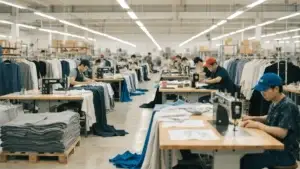
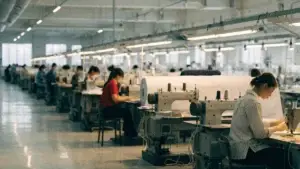
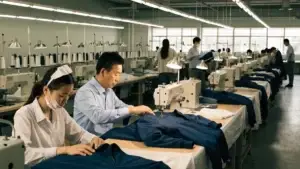
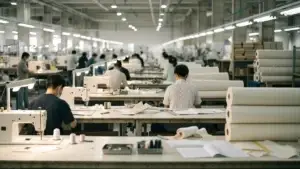
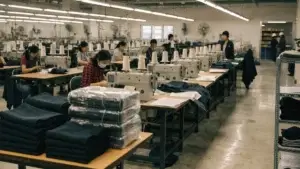
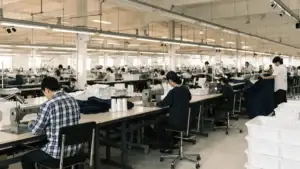
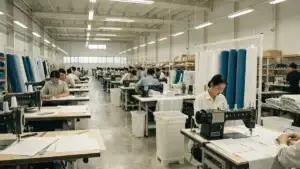
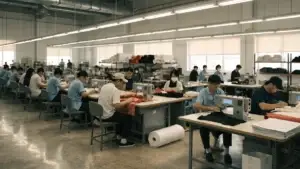
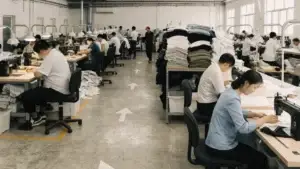
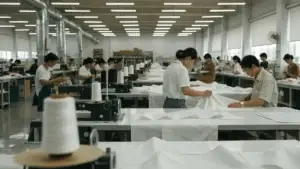
The production lines that offer the best customization for menswear are those that combine traditional tailoring skills with modern, precision equipment. You need a line that specializes in the specific garment type you want, whether it's woven shirts, tailored jackets, or casual trousers. The best lines have experienced pattern makers, operators skilled in specific techniques like fusing and topstitching, and the machinery to handle everything from delicate linings to heavy canvas.
I have run Shanghai Fumao for over a decade, and we have five production lines, each set up for different product categories. Menswear requires a level of precision and consistency that is not always necessary for other apparel. Let me walk you through what to look for and how to ensure your menswear line meets the highest standards.
What machinery defines a high-quality menswear shirt line?
A basic sewing machine can sew a simple seam. But a men's dress shirt has many complex parts: a structured collar, buttoned cuffs, a placket, and a curved yoke. Each of these parts requires specialized equipment to do it correctly and consistently. If a factory tries to make a high-end shirt on basic machines, the quality will suffer.
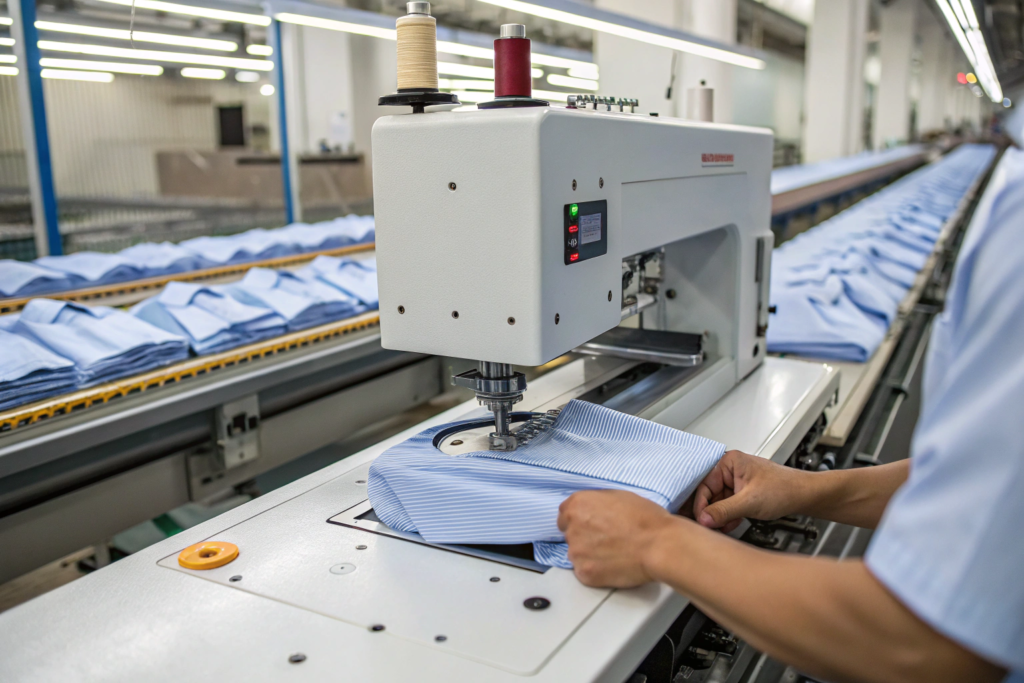
The best menswear shirt lines are equipped with dedicated machines for critical operations. Look for a line with a collar fusing machine that bonds the interfacing to the collar fabric perfectly. Look for cuff attachers and placket makers. These machines ensure that every collar stands up straight and every cuff is the same size. This level of specialization is what separates a good shirt from a great one.
Let me give you an example from our own factory. About four years ago, we invested in a new automated cuff sewing machine. Before that, our experienced sewers made beautiful cuffs, but there was always slight variation. The new machine uses lasers to align the fabric and sews the cuff with perfect consistency every single time. A client from New York who orders high-end dress shirts from us noticed the difference immediately. He said the cuffs on the new batch were more symmetrical and the stitching was flawless. That machine cost us a significant amount of money, but it improved our quality and efficiency. It also showed our clients that we are serious about menswear. When you are looking for a partner, ask about their equipment. If they cannot tell you what machines they use for specific operations, they might not have the right setup. You can see the range of our capabilities on our website at Shanghai Fumao.
What is a "fusing machine" and why does it matter for collars?
A fusing machine uses heat and pressure to bond a layer of interfacing (a stiffening fabric) to the main collar fabric. This gives the collar its structure and crispness. A good fusing machine ensures the bond is even and permanent. If the fusing is poor, the collar can bubble, wrinkle, or lose its shape after washing. This is a sign of a cheap shirt. A high-quality shirt line will have a precise, calibrated fusing press.
Why are "lockstitch" and "chainstitch" machines both important?
A lockstitch machine creates a very strong, secure seam that will not unravel. It is used for the main construction of the shirt, like sewing the side seams and attaching the sleeves. A chainstitch machine creates a seam that has a little more stretch and is often used for hemming. Some high-end shirtmakers also use a chainstitch on the bottom hem for a classic look. A versatile shirt line will have both types of machines to handle different construction needs.
How do you find a line that specializes in tailored jackets and blazers?
A tailored jacket is the most complex garment in menswear. It has layers of canvas, padding, and linings. It requires dozens of operations, many of which must be done by hand or with specialized machines. A factory that makes t-shirts cannot suddenly start making high-quality blazers. The skills and equipment are completely different.
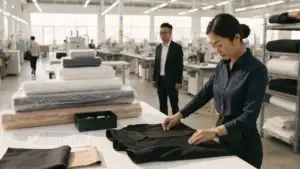
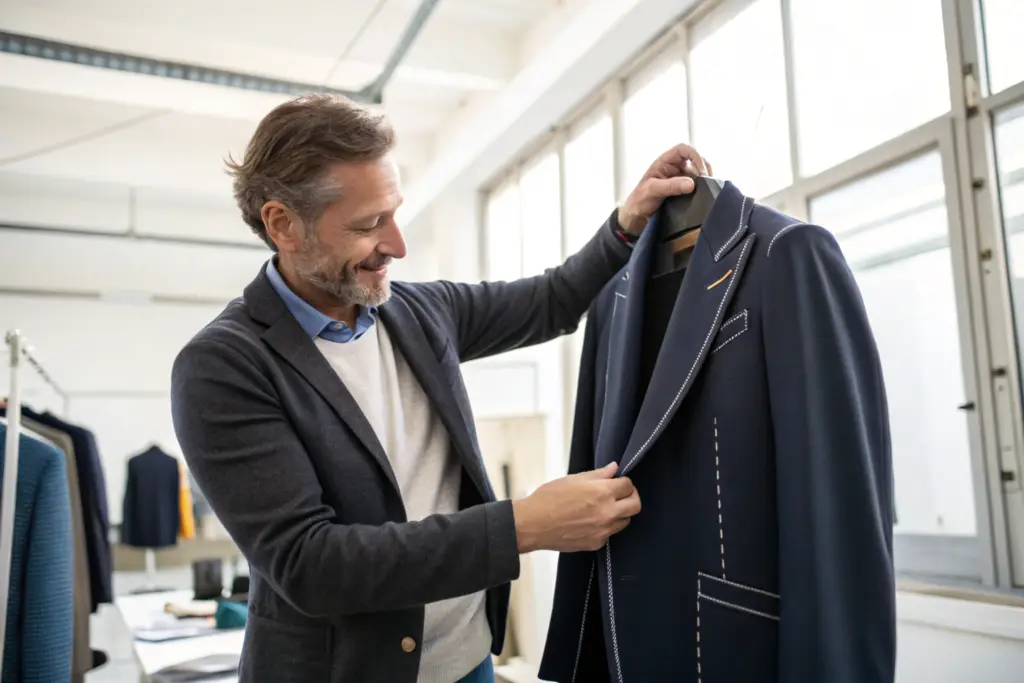
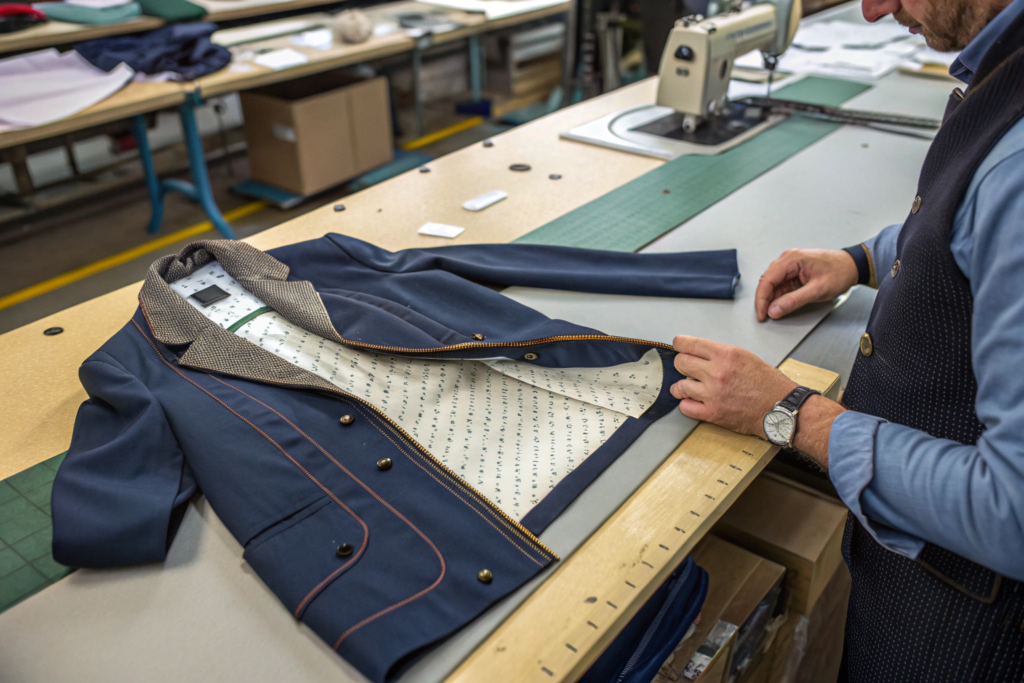
The best customization for men's jackets comes from a line with dedicated "tailored clothing" workstations. You want a line that has experience with canvas construction, either fused or floating. You want operators who understand how to set a sleeve correctly so it hangs properly. And you need pressing equipment that can shape the garment, not just flatten it. Ask to see samples of their jacket work. Look at the collar, the lapels, and the sleeve heads. These details tell you everything about their skill level.
I recall a specific project from about three years ago. A brand from San Francisco came to us wanting to produce a line of unstructured blazers. These are jackets without heavy padding or canvas, meant to be soft and comfortable. They had tried another factory, but the blazers came out looking like limp sacks. The shoulders had no shape. We sat down with our pattern maker and our most experienced jacket operator. We studied the design. We decided to use a lightweight, fusible interfacing in the front panels to give them just enough structure without making them stiff. We also used a special pressing technique to shape the shoulders. The first samples were perfect. The client told us they were the best samples they had ever received. This happened because we have a team that understands the architecture of a jacket. When you are sourcing menswear, you need this level of expertise.
What is the difference between a fused and a floating canvas jacket?
In a fused canvas jacket, the inner canvas is glued (fused) to the outer fabric. This is a more common, cost-effective method. It creates a clean, smooth look but can be less breathable and may bubble over time. In a floating canvas jacket, the canvas is attached with stitches, allowing it to "float" between the outer fabric and the lining. This is a more traditional, high-end construction method. It is more expensive, but it drapes better, breathes better, and molds to the wearer's body over time. A high-end jacket line should be able to offer both options.
How can you check the quality of a jacket's sleeve setting?
Look at the sleeve head, where the sleeve attaches to the shoulder. On a well-made jacket, there will be a small amount of extra fabric, almost like a slight puff, that gives the shoulder a clean, round shape. This is achieved through careful easing of the fabric during sewing. If the sleeve head is flat, puckered, or has ripples, the sleeve was not set correctly. The jacket will not hang well and will be uncomfortable to wear. A good jacket line will have operators who are experts at this critical step.
What customization options exist for modern men's athleisure?
Menswear is no longer just suits and shirts. The athleisure trend has created a huge demand for high-quality joggers, hoodies, polo shirts, and performance outerwear. These garments require different skills and machines than classic tailoring. They need to be comfortable, durable, and often have technical features like moisture-wicking or four-way stretch.
The best lines for menswear athleisure are those equipped to handle knit fabrics and technical trims. Knits are stretchy, which makes them harder to sew accurately than wovens. You need machines with differential feed to prevent puckering. You also need experience with ribbed cuffs, hoods, and kangaroo pockets. For performance wear, look for a line that can work with bonded seams, reflective taping, and specialty zippers.
I have seen the growth of this category firsthand. A client in Los Angeles came to us about five years ago wanting to start a high-end men's activewear brand. He had designs for joggers with zippered pockets and a special flatlock seam construction. We had to adapt our line. We brought in new flatlock machines. We trained our operators on how to sew the technical fabric without stretching it out of shape. We sourced water-resistant zippers from a specialized supplier. The first collection was a success. The client told us that his customers loved the quality and the fit. This experience taught us that menswear customization is constantly evolving. You need a partner who is willing to invest in new capabilities. At Shanghai Fumao, we are always looking at market trends and adding new equipment to meet our clients' needs.
What are "flatlock seams" and why are they used in activewear?
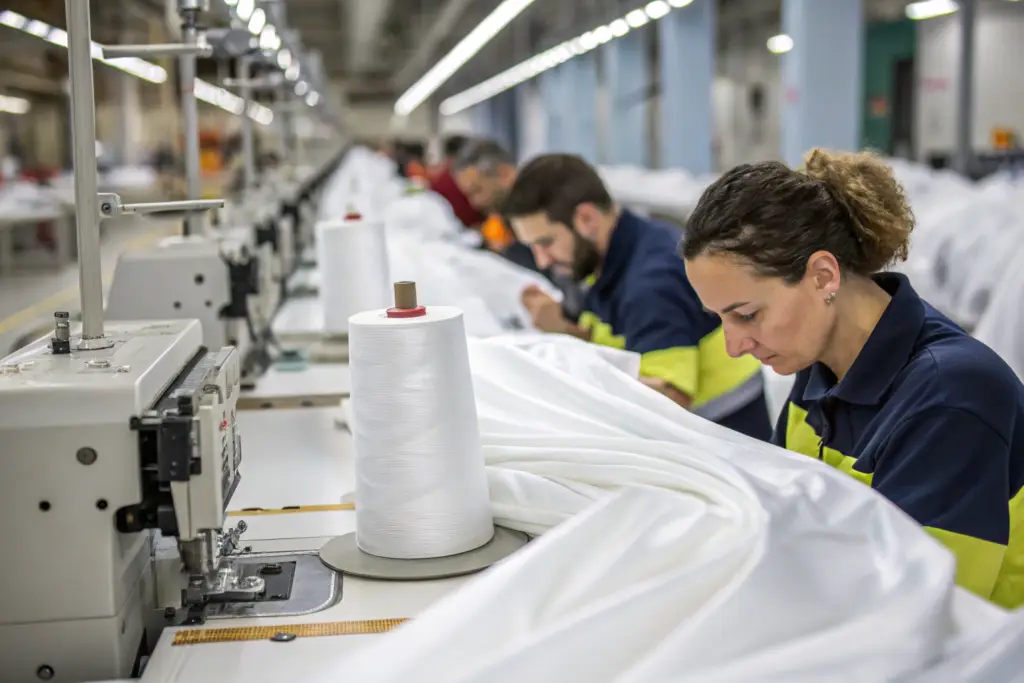
Flatlock seams are a type of seam where the two pieces of fabric are joined edge-to-edge and stitched in a way that creates a flat, smooth finish. They are very strong and lie flat against the skin, reducing chafing during movement. This makes them ideal for activewear like gym tops and running shorts. Sewing a flatlock seam requires a specialized machine and a skilled operator, as it works best on knit fabrics.
How do you ensure logos and prints last on performance fabrics?
Performance fabrics are often treated with finishes to make them moisture-wicking or water-repellent. These finishes can make it difficult for prints and logos to adhere properly. To ensure durability, you need a supplier who uses the correct type of ink and transfer paper for synthetic fabrics. For screen printing, they may need to use a special additive. For heat transfers, the temperature and pressure must be precisely controlled. Ask your supplier about their experience with printing on technical fabrics and ask to see wash test results for the prints.
Why is "fit consistency" the most important customization of all?
You can have the most beautiful fabric and the most advanced machinery. But if the fit of your garment is inconsistent—if a size large in one batch fits differently than a size large in the next batch—your brand is dead. Men, in particular, are loyal to brands that fit them well. They will buy the same shirt in multiple colors if they know it will fit every time.
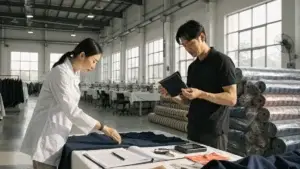
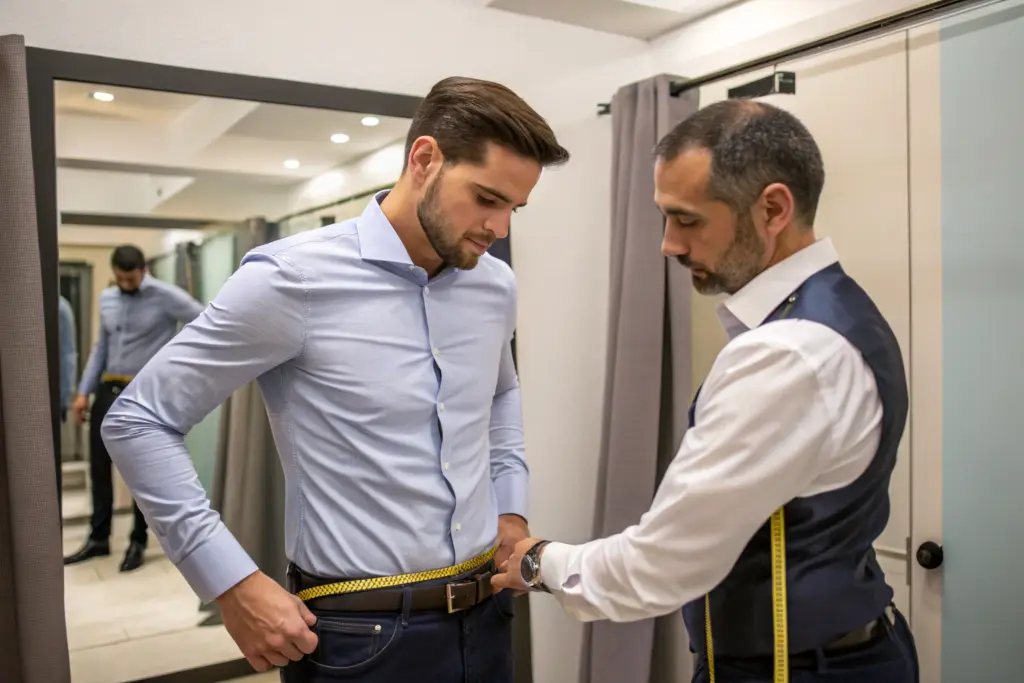
The best menswear production lines are obsessive about fit consistency. This means they have a rigorous process for grading patterns (scaling them up and down for different sizes). It means they use calibrated measuring tools during production, not just eyeballing it. And it means they have a fit model or a dress form for every size to check the finished garment. Customization is not just about adding features; it is about delivering a garment that fits exactly as intended, every single time.
I remember a situation with a long-term client from Boston who sells men's button-down shirts. He has a very loyal customer base. One season, we had a new cutting master who made a slight error in grading the pattern for a size medium. The difference was only 3 millimeters in the chest. When the shirts arrived, the client started getting emails from customers who had been buying his size medium for years. They said the shirt felt tighter. He was panicked. We investigated immediately. We found the error, apologized, and offered to remake the entire batch at our cost. It was expensive for us, but it was the right thing to do. Since then, we have implemented a double-check system. Every graded pattern is verified by a second person before cutting begins. This commitment to fit consistency is non-negotiable for us. It is what keeps our clients coming back.
What is "pattern grading" and how does it affect fit?
Pattern grading is the process of taking a sample size pattern (usually a size medium) and mathematically increasing or decreasing it to create all the other sizes (small, large, x-large). If this is done incorrectly, the proportions of the garment will be wrong. For example, the neck hole might become too big for a large, or the sleeves might become too short. Accurate grading is essential for good fit across your entire size range.
How can you, as a buyer, verify fit consistency?
You can ask for "size set samples." Before bulk production, the factory should send you one finished sample of every size you are ordering. You can then measure each one against your specification sheet. You can also try them on fit models. This is your final chance to ensure that a size small, medium, and large all fit correctly and consistently. Never approve bulk production without checking size set samples.
Conclusion
Finding the right production line for menswear customization is about finding a partner with the right specialization. You need a line with the specific machinery for your product, whether it is shirts, jackets, or athleisure. You need a team with the deep experience to handle complex techniques like canvas construction or flatlock seaming. And above all, you need a factory that is fanatical about fit consistency, because that is what builds brand loyalty in the menswear market.
At Shanghai Fumao, we have built our five production lines to serve these exact needs. We have dedicated lines for woven shirts, for tailored jackets, and for knit activewear. We invest in the best machinery and the best training. We have the quality control systems to ensure every garment that leaves our factory meets our clients' high standards.
If you are a menswear brand looking for a manufacturing partner who understands the importance of precision and quality, let us talk. We are ready to show you how we can bring your vision to life with the fit and finish your customers demand. Please contact our Business Director, Elaine, at strong>elaine@fumaoclothing.com to discuss your next collection.