You want your branded apparel to stand out with custom logos, but you're unsure how different application methods impact your production costs. The truth is logo application can increase your apparel costs by 15-200% depending on the technique, complexity, and quantity—making it crucial to understand the cost implications before finalizing your designs.
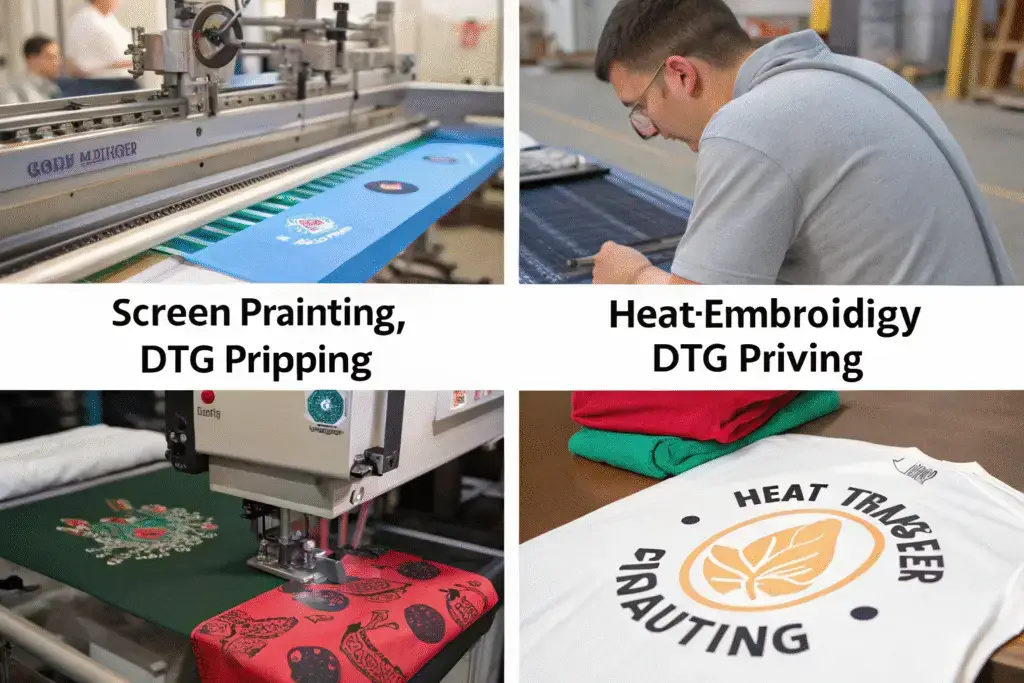
Custom logo application typically adds $0.50-$15.00 per garment to your production costs, with screen printing being most cost-effective for larger quantities (50+ units) at $1.50-$4.00 per location, embroidery ranging from $3.00-$8.00 for standard logos, and direct-to-garment printing costing $5.00-$12.00 for full-color designs. The most cost-effective method depends entirely on your order quantity, design complexity, fabric type, and quality requirements.
This comprehensive guide breaks down exactly how different logo application methods impact your apparel costs and how to choose the most economical approach for your specific needs.
What Are The Cost Components Of Logo Application?
Understanding the specific cost elements of custom logo application helps you identify where expenses occur and how to optimize them. The total cost goes beyond just the "per piece" price and includes setup, materials, labor, and minimum order requirements.
Each cost component varies significantly between application methods and can dramatically impact your total budget.
How do setup costs impact different application methods?
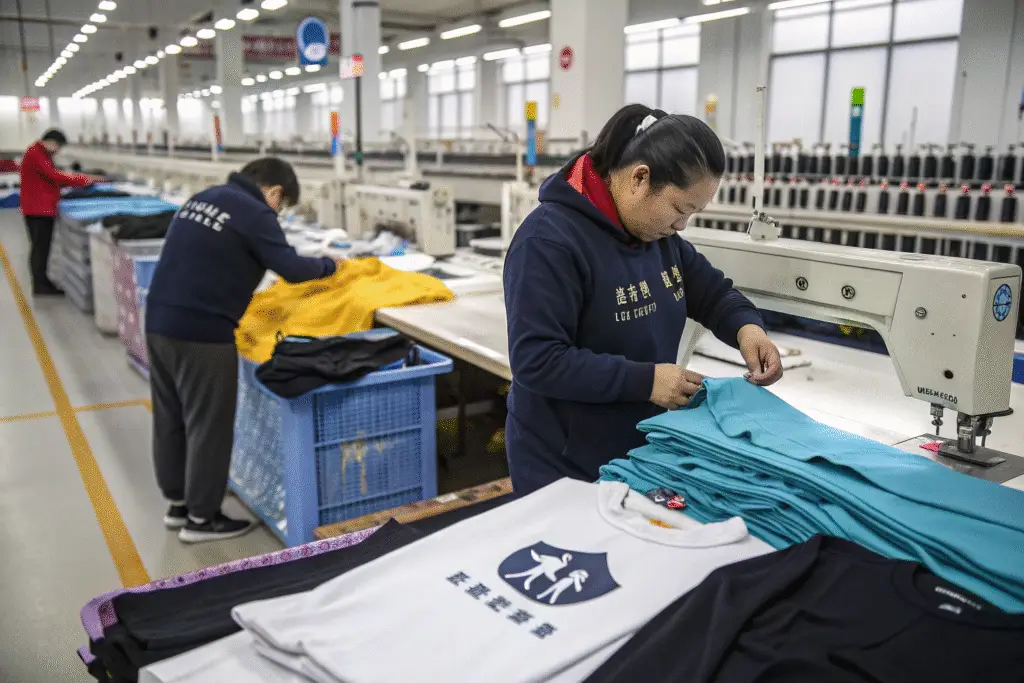
Setup costs vary dramatically by technique:
- Screen printing: $25-$50 per color for screen creation
- Embroidery: $35-$75 for digitization and programming
- Heat transfer: $20-$40 for vinyl cutting or transfer creation
- DTG printing: $0-$25 for file preparation and pretreatment
- Patch application: $15-$30 for patch manufacturing setup
A startup brand learned this lesson when their 30-unit order required $180 in screen setup costs for a 4-color logo, making screen printing economically unviable despite its lower per-unit cost. At Shanghai Fumao, we help clients understand these setup cost implications before they commit to a method.
How do material costs differ between techniques?
Material expenses vary significantly:
- Screen printing: Ink costs ($0.10-$0.50 per color)
- Embroidery: Thread costs ($0.25-$0.75 per 1,000 stitches)
- Heat transfer: Vinyl material ($0.50-$2.50 per design)
- DTG printing: Specialty inks ($0.75-$1.50 per design)
- Patches: Custom patch manufacturing ($1.50-$4.00 per patch)
When a company chose glitter heat transfer for 500 shirts, they discovered the specialty material cost $2.15 per application instead of the $0.85 they'd budgeted for standard vinyl. The material selection impact taught them to verify material costs specifically.
How Does Order Quantity Affect Logo Application Economics?
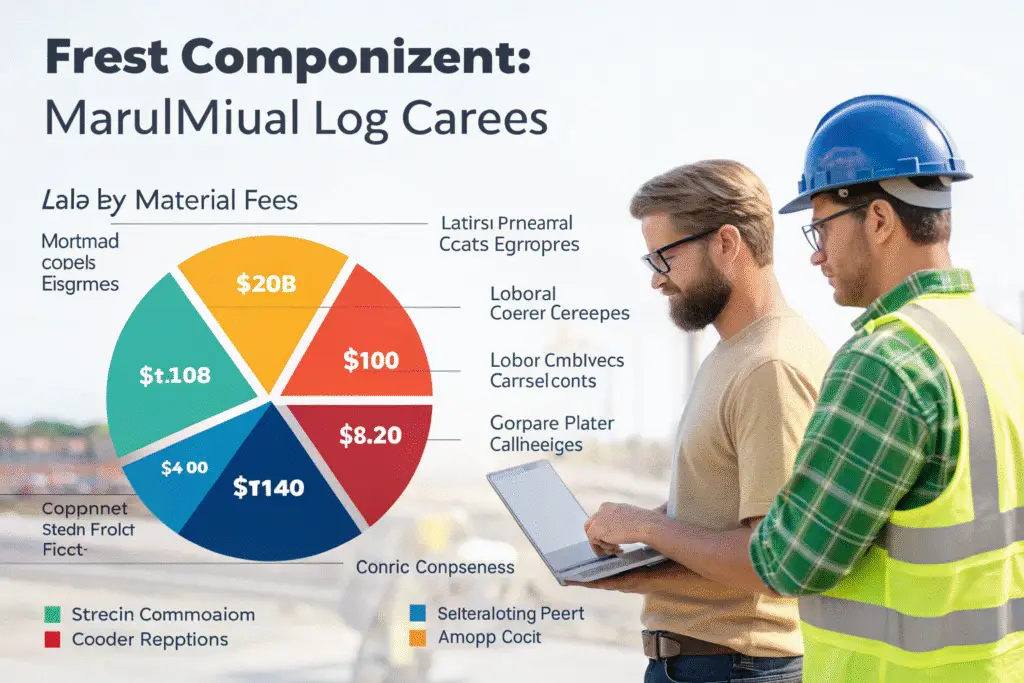
The relationship between order quantity and application cost isn't linear—it follows different economic curves for each method. Understanding these quantity breaks helps you select the most cost-effective approach for your specific production volume.
The "crossover points" where one method becomes more economical than another are crucial for cost optimization.
Where are the quantity breakpoints between methods?
Key economic thresholds:
- Under 25 units: DTG printing usually most economical
- 25-75 units: Heat transfer becomes competitive
- 75-200 units: Screen printing starts achieving economies
- 200+ units: Screen printing clearly most cost-effective
- 50-500 units: Embroidery competitive for premium positioning
A corporate client ordering 150 polo shirts discovered screen printing cost $4.25 per shirt while embroidery was $6.50—but the embroidered logos projected the premium quality their brand required. The strategic method selection considered both cost and brand perception.
How do minimum orders impact cost effectiveness?
Minimum requirements affect decision-making:
- Screen printing: Often 24-36 unit minimums
- Embroidery: Typically 12-24 unit minimums
- DTG printing: Can be as low as 1 unit
- Heat transfer: Usually 12+ units for cost efficiency
- Patch making: 50+ units for custom patches
When a startup needed only 12 branded jackets, DTG printing at $8.50 each proved more economical than embroidery's $12.00 plus $65 setup fee. The minimum order economics guided their method selection.
How Does Design Complexity Impact Application Costs?
Logo complexity dramatically affects application costs across all methods. Simple single-color designs cost significantly less than detailed multi-color or gradient designs, with cost increases that aren't always proportional to the visual complexity.
Understanding how design elements translate to cost helps you create striking logos that remain economically viable.
How do color counts affect different methods?
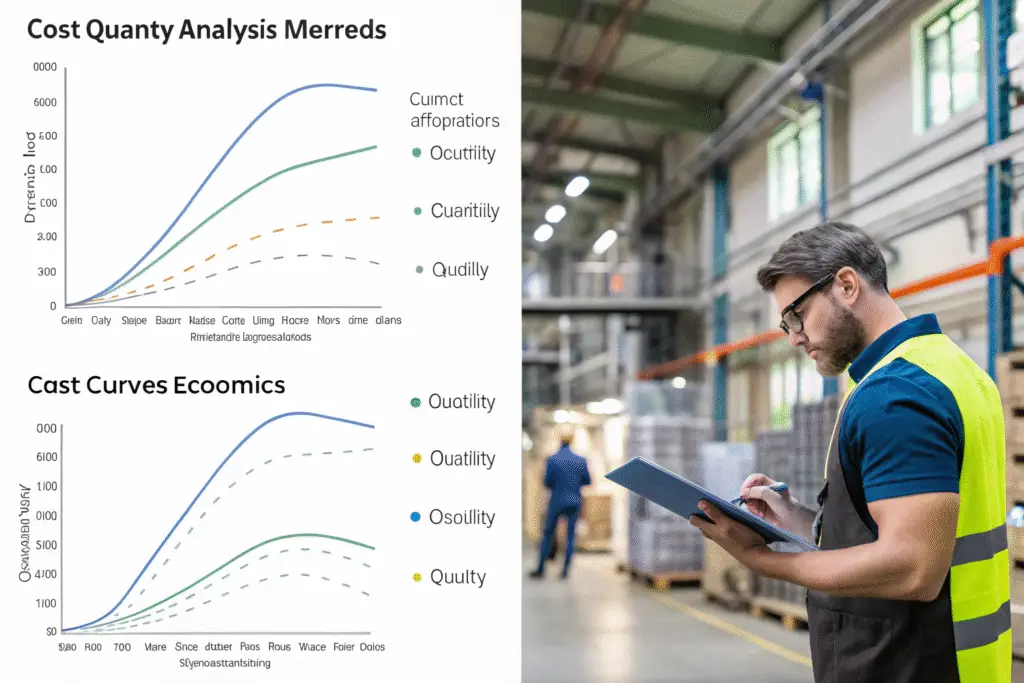
Color impact varies by technique:
- Screen printing: $25-$50 setup and $0.10-$0.30 per additional color
- Embroidery: Minimal cost impact for color changes
- DTG printing: No additional cost for multiple colors
- Heat transfer: $15-$30 setup per color for multi-layer vinyl
- Patch making: $10-$25 per additional thread color
A brand redesigned their 5-color logo to 3 colors for screen printing applications, reducing their setup costs by $85 and per-unit costs by $0.45 across 500 units—a total savings of $310. The strategic color reduction maintained brand recognition while improving economics.
How does detail level impact production costs?
Detail considerations include:
- Fine lines and small text: Higher setup and potential quality issues
- Gradients and photorealistic images: Only possible with DTG
- Stitch count in embroidery: Direct cost correlation ($0.25-$0.75 per 1,000 stitches)
- Multiple locations: Additional setup and application time
- Special effects: Foil, glow, glitter significantly increase costs
When a company's intricate logo required 18,000 embroidery stitches instead of the typical 8,000, their cost increased from $4.50 to $8.25 per garment. The stitch count awareness prompted them to simplify the design for apparel applications.
How Does Garment Type Affect Logo Application Costs?
The base garment you're branding significantly impacts logo application costs and method suitability. Different fabrics, garment constructions, and application locations present unique challenges that affect both cost and quality outcomes.
Matching application methods to garment types ensures both cost efficiency and quality results.
How do fabric types influence method selection?
Fabric-specific considerations:
- 100% Cotton: Ideal for all methods, most cost-effective
- Polyester blends: May require specialty inks or higher temperatures
- Performance fabrics: Often better with heat transfer or embroidery
- Heavy fabrics: (Denim, canvas) Excellent for embroidery
- Delicate fabrics: (Silk, lightweight knits) Limited to DTG or subtle embroidery
A fitness brand discovered that screen printing on their polyester performance tees required specialty inks that increased costs by 35% compared to printing on cotton. The fabric-specific costing informed their garment selection process.
How does application location affect pricing?
Location-based cost factors:
- Left chest: Standard positioning, most economical
- Full back: Larger area, 50-100% higher cost
- Sleeve or shoulder: Additional setup and handling time
- Multiple locations: Each additional location adds 40-80% of base cost
- Unconventional placements: (Collars, cuffs) Often require special equipment
When a brand requested left chest, right sleeve, and back neck logos, they faced a 210% cost increase compared to a single location application. The location quantity impact prompted them to prioritize their branding placement.
What Are The Hidden Costs Of Logo Application?
Beyond the apparent per-unit costs, several hidden expenses can significantly impact your total branding budget. These often-overlooked factors include testing, approval processes, quality considerations, and long-term durability issues.
Accounting for these hidden costs prevents budget surprises and ensures satisfactory results.
What quality and approval costs should you anticipate?
Often overlooked expenses:
- Strike-offs and samples: $25-$75 per application method tested
- Color matching: $15-$45 for custom color development
- Approval processes: Timeline impacts on production scheduling
- Quality testing: Wash and durability testing ($50-$150)
- Revisions and corrections: $25-$100 per revision after approval
A corporate client budgeted for logo application but didn't account for the $275 in strike-offs and color matching needed to achieve their specific brand colors across different garment types. The approval process costs represented 18% of their total branding budget.
How does durability affect long-term cost?
Longevity considerations:
- Screen printing: Excellent durability, minimal cracking with proper care
- Embroidery: Superior longevity but may cause fabric pilling
- Heat transfer: Variable durability, may crack or peel over time
- DTG printing: Good durability but may fade with repeated washing
- Patch application: Excellent durability but may require reinforcement
A restaurant choosing between heat transfer and embroidery for chef coats discovered that while heat transfer saved $3.50 per coat initially, the replacements needed after 6 months made embroidery more economical long-term. The durability analysis revealed different total cost of ownership.
Conclusion
Custom logo application significantly impacts apparel costs, with prices ranging from $0.50 for simple screen printing on large orders to $15.00 for complex embroidery or multi-color DTG printing. The most cost-effective method depends on your order quantity, design complexity, garment type, and quality requirements. By understanding the cost components, quantity breakpoints, design implications, and hidden expenses, you can make informed decisions that balance branding impact with budgetary constraints.
Strategic logo application considers both immediate costs and long-term value, ensuring your branded apparel projects the right image while remaining economically viable. If you're planning custom logo application and want to optimize costs while maintaining quality, Shanghai Fumao offers expert guidance on method selection and cost optimization based on your specific requirements. Contact our Business Director, Elaine, at elaine@fumaoclothing.com to discuss how to achieve your branding goals while controlling application costs.