You remember the pre-pandemic era when 6-8 week production timelines were standard, but now you're consistently hearing 10-14 weeks from manufacturers. What fundamentally changed in the apparel supply chain that made these extended timelines the new normal, and are these changes permanent?
2025 apparel lead times remain 25-40% longer than pre-pandemic averages due to structural supply chain changes including strategic inventory buffering, compliance complexity, diversified sourcing strategies, and capacity constraints that have created a new manufacturing equilibrium favoring resilience over pure speed. These extended timelines represent a permanent recalibration rather than temporary disruptions, requiring brands to adapt their planning processes accordingly.
Let's examine the specific structural changes that have created this new timeline reality and how successful brands are adapting their strategies for the 2025 manufacturing landscape.
How Have Supply Chain Structures Changed?
The fundamental restructuring of global apparel supply chains has introduced additional steps, verification points, and buffer stages that systematically extend production timelines compared to pre-pandemic linear models.
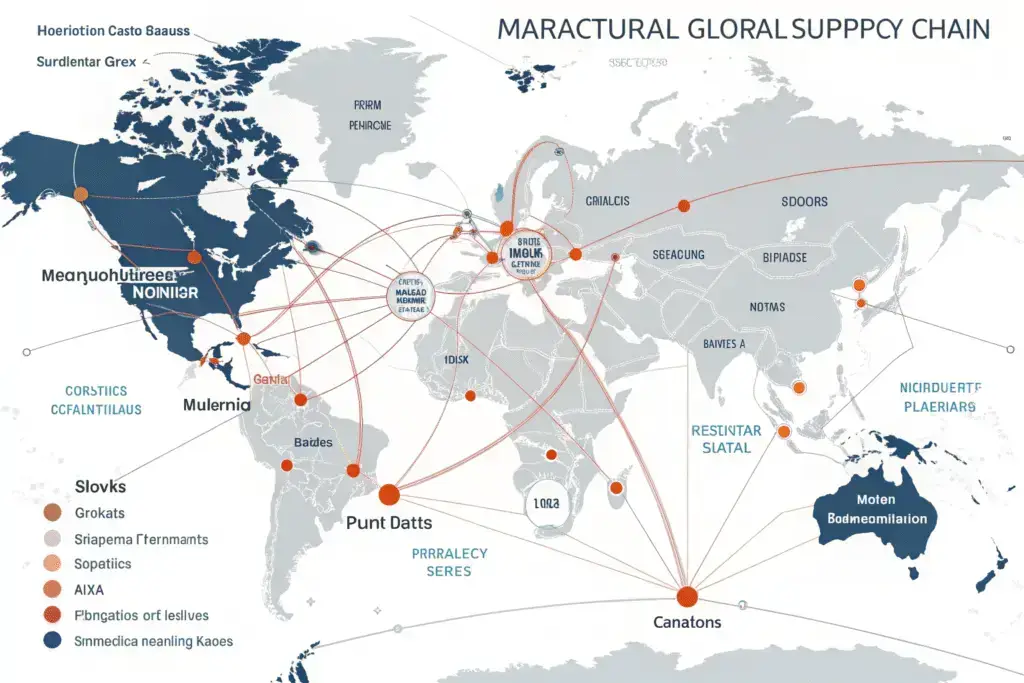
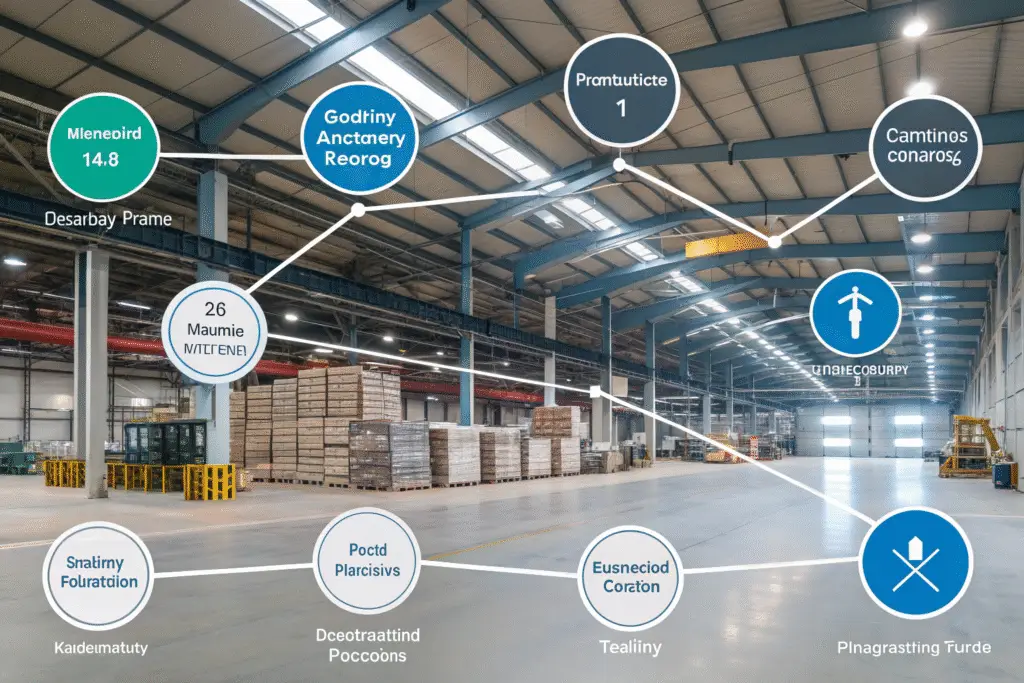
Pre-pandemic supply chains emphasized lean, just-in-time delivery with minimal inventory and highly optimized linear workflows. The post-pandemic supply chain has evolved into a networked model with intentional redundancies, strategic inventory positioning, and multiple verification layers. Where a pre-2019 production might involve fabric moving directly from mill to factory, a 2025 production typically includes: quality verification at the mill, consolidation with other materials, potential finishing at specialized facilities, and pre-shipment testing - adding 2-3 weeks to material sourcing alone. A sportswear brand we work with has adapted by developing a "supply chain map" that identifies 17 distinct stages in their current production process compared to 11 stages pre-pandemic, explaining their timeline extension from 7 to 11 weeks.
What Role Does Strategic Buffering Play?
Strategic inventory buffering at multiple supply chain levels has become standard practice, adding 10-15 days to typical lead times as various participants maintain safety stocks that slow material flow. Manufacturers now routinely buffer: common fabrics (adding 3-5 days), essential trims and components (adding 2-4 days), and packaging materials (adding 2-3 days). While these buffers provide crucial resilience against disruptions, they systematically extend timelines by reducing the velocity of material movement through the supply chain. The McKinsey Fashion State report confirms that companies maintaining strategic buffers experienced 80% fewer production stoppages but accepted 15% longer lead times as the trade-off.
How Has Sourcing Diversification Impacted Timelines?
The shift from concentrated to diversified sourcing has added 1-2 weeks to production timelines through increased coordination complexity and transportation consolidation requirements. Where brands previously sourced 80% of materials from 2-3 suppliers, current strategies typically involve 5-8 suppliers across different regions to mitigate risk. This diversification requires: additional quality standardization across suppliers, coordinated shipping and consolidation, and more complex documentation management. While this approach reduces vulnerability to single-point failures, the coordination overhead systematically extends timelines in ways that have become permanent features of the 2025 landscape.
What Compliance Factors Extend Timelines?
Expanded compliance requirements have introduced additional verification steps, documentation processes, and due diligence requirements that systematically extend apparel production timelines beyond pre-pandemic standards.
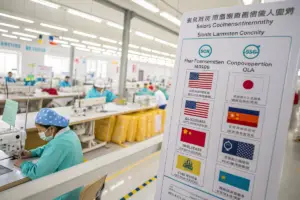
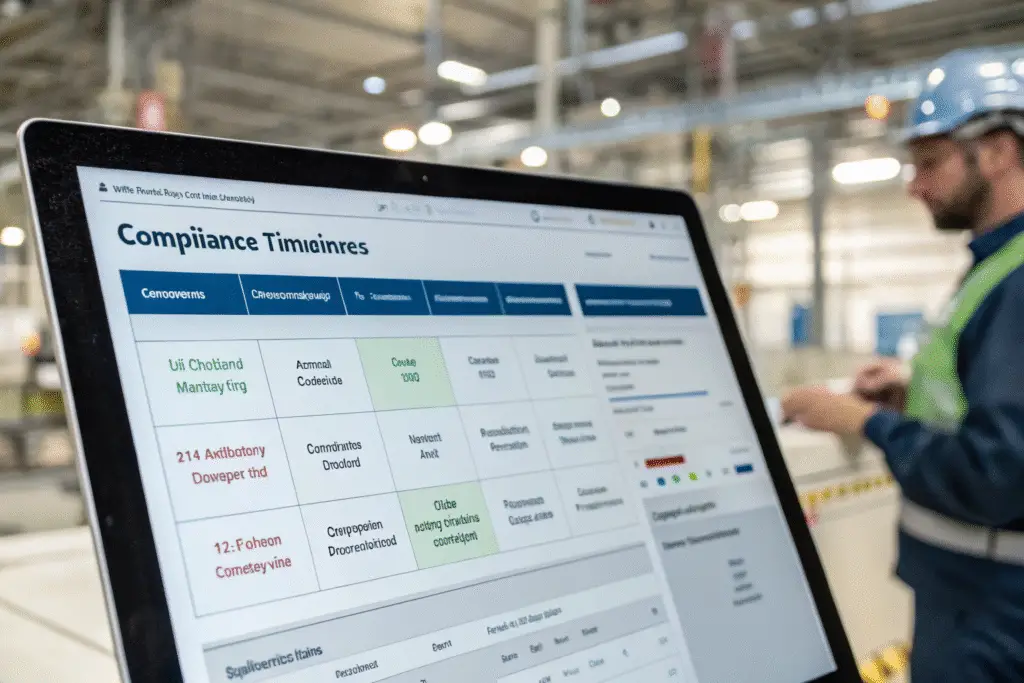
Compliance timelines have expanded significantly since 2020, adding 1-2 weeks to typical productions through: enhanced forced labor due diligence, sustainability verification, carbon footprint tracking, and detailed country-of-origin documentation. Each compliance category requires specific verification processes, independent auditing, and documentation management that simply didn't exist at the same scale pre-pandemic. We've implemented a digital compliance tracking system that streamlines these requirements, but they still add 7-10 business days to our typical production timeline compared to 2019 operations.
How Do Sustainability Requirements Affect Timelines?
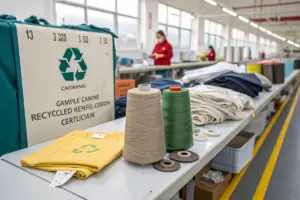
Sustainability verification and certification processes add 5-8 days to production timelines through mandatory testing, documentation, and verification steps that have become standard requirements for most retailers. Key sustainability timeline extensions include: organic content verification (2-3 days), recycled material certification (2-3 days), environmental impact documentation (1-2 days), and social compliance auditing (3-5 days). These requirements have become particularly impactful since major retailers and sustainability organizations began requiring standardized documentation for all suppliers, creating a compliance overhead that affects even small productions.
What Forced Labor Due Diligence Is Required?
Enhanced forced labor due diligence requirements under various national regulations have added 4-7 days to sourcing timelines through mandatory supply chain mapping, material tracing, and documentation verification. The U.S. Uyghur Forced Labor Prevention Act (UFLPA) and similar regulations in other markets require brands to document: material origin down to the raw material level, manufacturing facility ownership and employment practices, and transportation routing through restricted regions. This due diligence requires time-consuming verification that simply wasn't required pre-pandemic, creating a permanent timeline extension for all productions involving global supply chains.
How Have Manufacturing Operations Evolved?
Changes in factory operations, capacity allocation, and production planning approaches have created systematic timeline extensions that reflect new economic realities and risk management strategies.
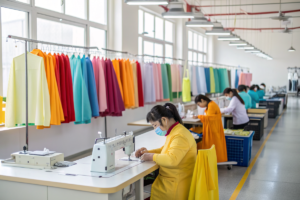
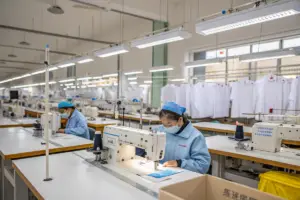
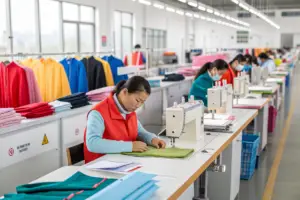
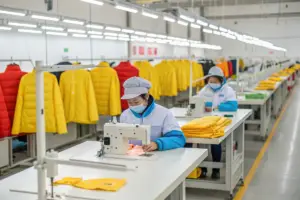
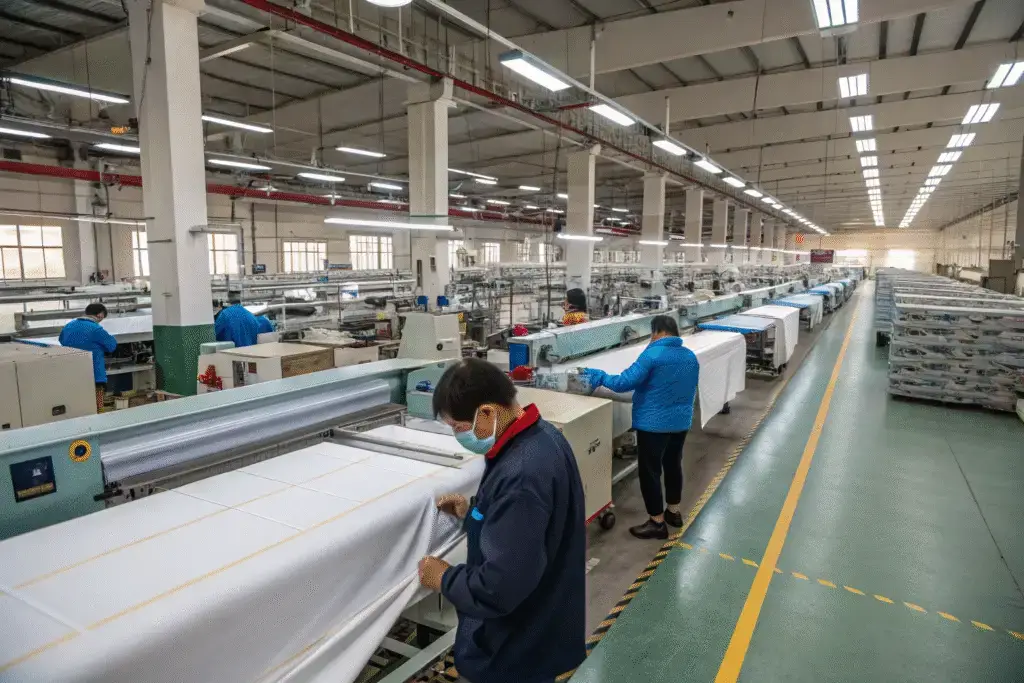
Manufacturing operations have undergone fundamental changes that extend production timelines by 1-2 weeks through: reduced overtime utilization, strategic capacity reservation, enhanced quality checkpoints, and changed worker availability patterns. Where pre-pandemic factories often operated with significant overtime to accelerate productions, current operations typically maintain standard work hours with limited overtime, extending production duration by 15-20%. Additionally, most factories now maintain 10-15% capacity reservation for emergency orders from key clients, reducing available capacity for standard productions.
Why Has Capacity Strategy Changed?
Factory capacity strategy has shifted from maximum utilization to managed capacity with strategic buffers, reducing throughput velocity but increasing reliability. Pre-pandemic factories typically operated at 95%+ utilization, while current operations maintain 80-85% utilization to accommodate: emergency orders from strategic partners, quality issue resolution time, and equipment maintenance buffers. This managed capacity approach, while creating more reliable operations, systematically extends standard production timelines by reducing the overall throughput capacity of the manufacturing ecosystem. The International Association of Clothing Manufacturers reports that this capacity management shift has added 5-8 days to typical production cycles industry-wide.
How Have Quality Processes Evolved?
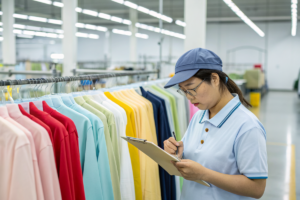
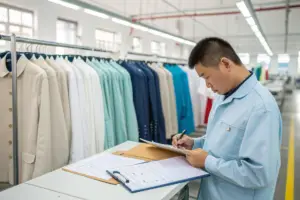
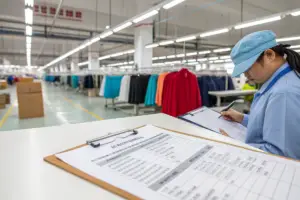
Enhanced quality control processes have added 3-5 days to production timelines through additional inspection points, improved documentation, and expanded testing requirements. Post-pandemic quality systems typically include: raw material inspection upon factory arrival (added 1 day), in-process quality checks at additional operations (added 1-2 days), and final inspection with enhanced documentation (added 1-2 days). These enhancements respond to both increased quality expectations from brands and the need to catch issues earlier in an extended supply chain where reworking or replacing materials takes significantly longer.
What Transportation Realities Affect 2025 Timelines?
Global transportation systems continue to operate with extended timelines compared to pre-pandemic standards due to changed routing patterns, port operations, and carrier strategies that have become permanent features.
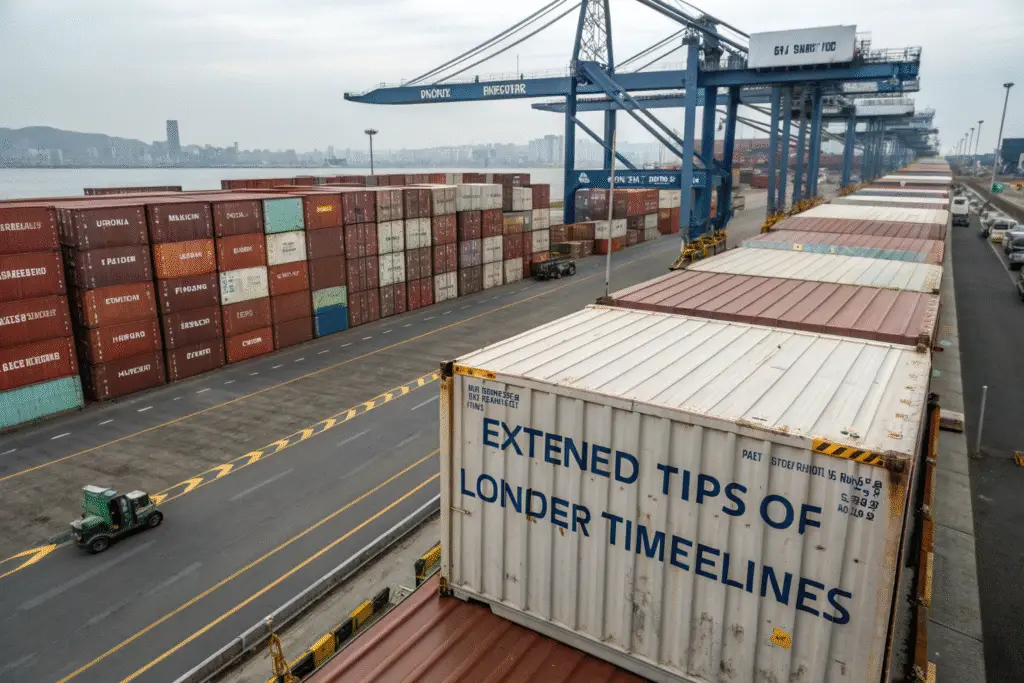
Apparel transportation timelines remain 1-2 weeks longer than pre-pandemic averages due to: continued port congestion during peak seasons, vessel schedule unreliability, multi-modal routing requirements, and customs processing delays. Ocean freight from Asia to the U.S. West Coast now typically requires 28-35 days compared to 18-24 days pre-pandemic, while air freight requires 5-10 days compared to 3-7 days. These extensions have persisted despite the resolution of the most acute pandemic disruptions because the underlying operational models have fundamentally changed.
Why Do Shipping Routes Take Longer?
Shipping routes require additional time due to vessel slow-steaming for fuel efficiency, port rotation expansions to serve diversified sourcing patterns, and congestion avoidance routing. Carriers have adopted systematic slow-steaming to reduce fuel consumption amid high energy costs, adding 3-5 days to typical transpacific crossings. Additionally, vessels now typically call at 4-6 ports compared to 2-3 ports pre-pandemic, as they service more diversified manufacturing regions. These operational changes represent permanent adaptations to new economic and environmental realities rather than temporary disruptions.
How Have Customs Processes Changed?
Customs processing requires additional time due to enhanced security screening, compliance verification, and documentation review that has become standard in the post-pandemic trade environment. Customs clearance now typically requires 3-7 days compared to 1-3 days pre-pandemic, with variations based on: forced labor documentation verification, import security filing requirements, and increased examination rates. These enhanced processes, while improving security and compliance, have created a permanent extension to the logistics portion of apparel lead times that brands must incorporate into their planning.
How Can Brands Adapt to Extended Timelines?
Successful brands are implementing specific strategies to manage extended lead times without sacrificing market responsiveness, using advanced planning, relationship development, and collection architecture adjustments.
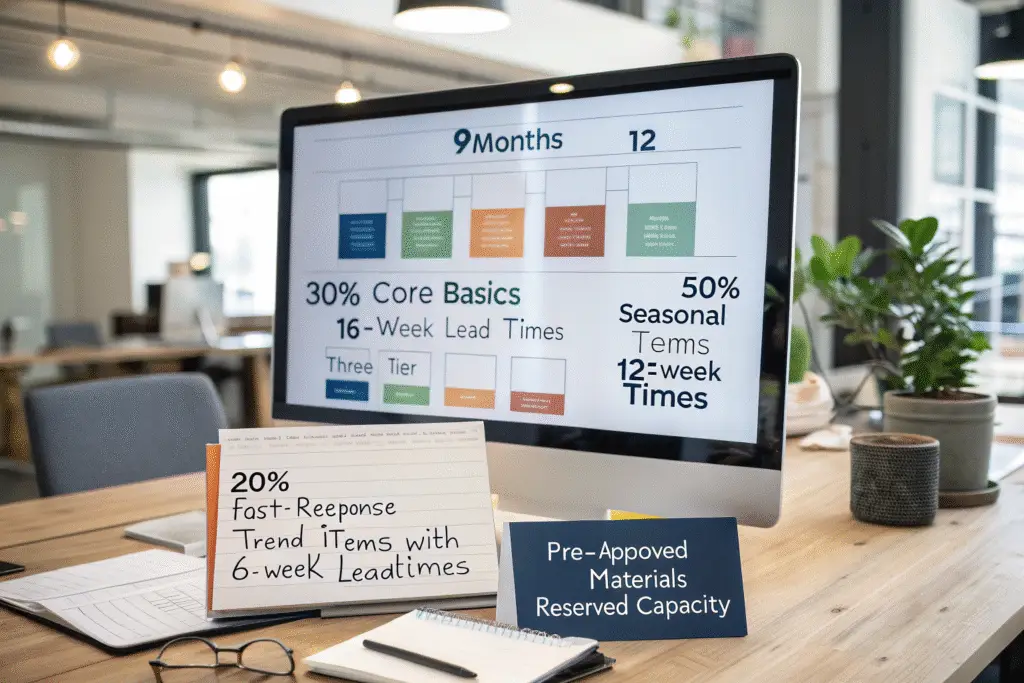
Adapting to extended timelines requires fundamental changes in planning approaches, including: 9-12 month planning horizons instead of 6-month cycles, strategic inventory positioning of core materials, relationship-based capacity reservation, and collection architectures that combine fast-response and planned elements. A contemporary brand we work with has successfully adapted by implementing a "three-tier" collection approach: 30% core basics with 16-week lead times, 50% seasonal items with 12-week lead times, and 20% fast-response trend items with 6-week lead times using pre-approved materials and reserved capacity.
What Planning Approaches Are Most Effective?
Advanced planning approaches that effectively manage extended timelines include: fabric-first development cycles, modular design systems, and relationship-based capacity planning. Fabric-first development involves selecting and committing to seasonal fabrics 4-6 months before market delivery, allowing production to begin immediately once designs are finalized. Modular design uses standardized components across multiple styles, reducing development and production time. Relationship-based capacity planning involves reserving production slots with key manufacturers based on historical order patterns rather than ordering reactively. The Fashion Innovation Center documents that brands implementing these approaches have maintained 85% on-time delivery despite extended lead times.
How Does Relationship Strategy Help?
Strategic manufacturer relationships provide timeline advantages through: prioritized production scheduling, transparent capacity information, and collaborative problem-solving when challenges arise. Brands that develop true partnerships rather than transactional relationships typically achieve 10-15% faster production times through: priority access to capacity during constrained periods, advance notice of potential delays, and willingness from manufacturers to accommodate urgent requests. This relationship advantage has become increasingly valuable in the 2025 manufacturing landscape where capacity allocation often favors reliable partners over new clients.
Conclusion
2025 apparel lead times remain substantially longer than pre-pandemic standards due to permanent structural changes across supply chains, compliance requirements, manufacturing operations, and transportation systems. These extensions represent a new equilibrium that prioritizes supply chain resilience and compliance over the pure speed optimization that characterized pre-2019 operations.
The most successful brands in this new environment are those who have accepted these timeline extensions as permanent and adapted their planning, relationships, and collection strategies accordingly. If you're navigating the challenges of extended lead times in your 2025 planning, contact our Business Director, Elaine, at elaine@fumaoclothing.com to discuss how our manufacturing approach can help you adapt to the new timeline reality while maintaining your market competitiveness.