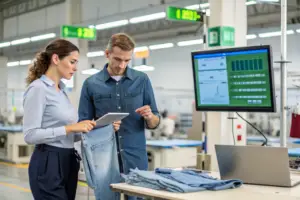
Navigating the world of clothing import can feel like a maze. You're chasing the next big trend, but hidden obstacles can derail your entire operation. Delayed shipments, quality inconsistencies, and communication breakdowns are more than just headaches—they directly impact your bottom line and brand reputation. For American apparel brand owners and distributors like you, these challenges are all too familiar. The pressure to deliver on time, with uncompromising quality, is immense. So, how can you steer clear of these common traps and build a resilient, profitable supply chain?
The key to avoiding common pitfalls in clothing import lies in proactive partnership selection, rigorous process control, and clear communication. It's not just about finding a supplier; it's about finding a reliable partner who acts as an extension of your own team. This means vetting manufacturers for proven expertise, transparent operations, and a commitment to your schedule. By focusing on these core areas, you can transform your import process from a constant firefight into a strategic advantage.
Let's break down the specific strategies that will shield your business from the most frequent and costly import mistakes.
What Are The Key Quality Control Steps For Importing Clothes?
You expect the samples you approved to be the same as the bulk production you receive. Too often, that's not the case. Inconsistent stitching, wrong colors, and faulty zippers can turn a profitable order into a total loss. Protecting your investment starts with a robust quality control framework that leaves no room for surprises.
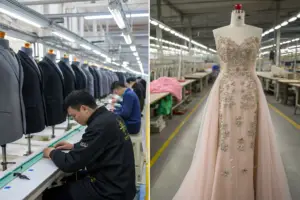
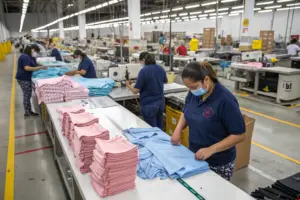
A comprehensive quality control system is multi-layered, spanning from pre-production to final shipment. It begins with fabric and component inspection and continues through in-line and final random checks. This proactive approach catches defects early, saving you from the massive cost and delay of rejecting an entire finished order. Partnering with a manufacturer that has integrated these steps into their core workflow is non-negotiable.
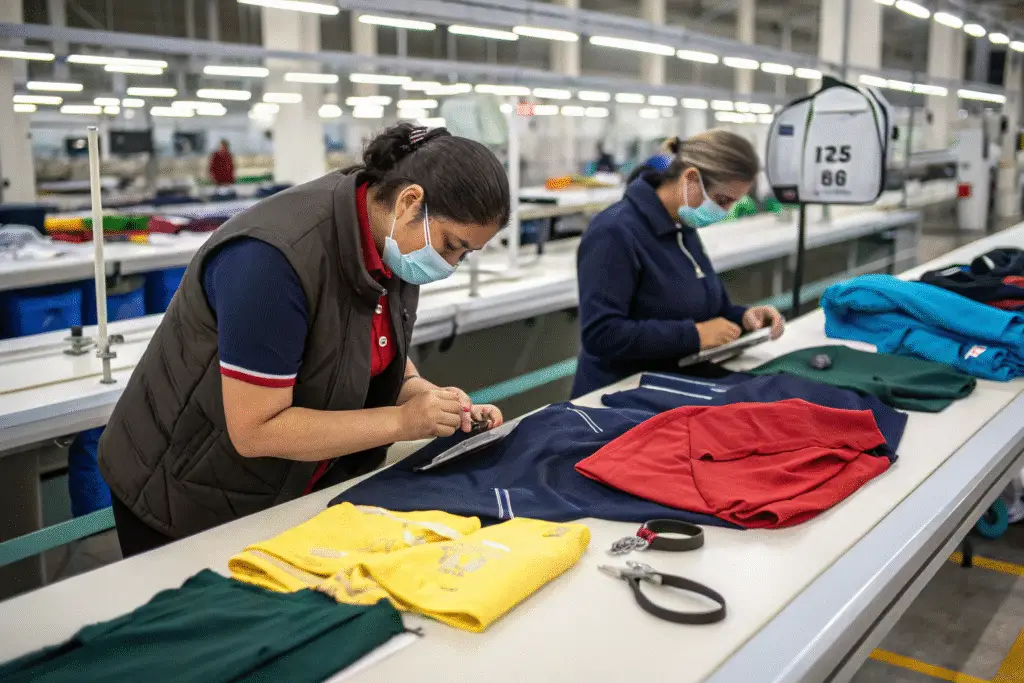
How Can You Verify Fabric Quality Before Production?
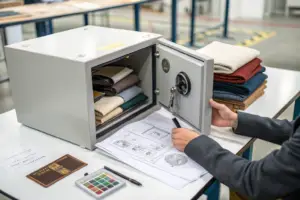
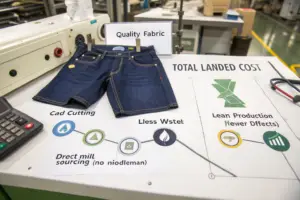
You must never assume the fabric meets your standards. The first critical step is to insist on testing the raw materials. Reputable manufacturers will provide fabric test reports from internationally recognized standards like AATCC or ISO. These tests check for colorfastness, shrinkage, pilling, and tensile strength. We always provide our partners with mill certificates and third-party lab reports for complete transparency. This practice ensures the foundation of your garment is solid before a single piece is cut, preventing catastrophic failures after the clothes reach your customers.
What Does An Effective Pre-Shipment Inspection Involve?
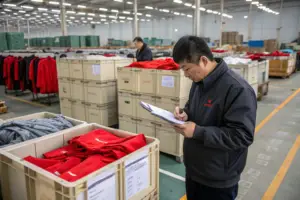
An effective pre-shipment inspection is your final defense before goods leave the factory. This is not a casual glance but a structured Statistical Process Control (SPC) method. A certified inspector randomly selects a percentage of the finished goods, based on the AQL (Acceptable Quality Limit) standard, and checks them against your tech pack. They measure dimensions, verify colors and logos, inspect stitching, and test function (like zippers and buttons). We conduct these inspections as a standard part of our full-package service, providing detailed reports with photos so you know exactly what you're getting, every single time.
How To Ensure On-Time Delivery For Clothing Orders?
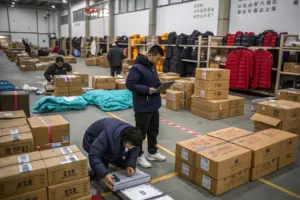
A delayed shipment doesn't just mean a late delivery; it means missed selling seasons, angry retailers, and sunk capital. The fashion calendar is ruthless, and your supply chain must be built for speed and reliability. The root cause often lies in poor production planning and a lack of buffer for unforeseen events.
Ensuring on-time delivery requires a manufacturer with a disciplined approach to project management and transparent communication. This includes providing a detailed production timeline upfront, giving regular updates on each milestone, and having contingency plans for material delays or production hiccups. Modern manufacturers use Enterprise Resource Planning (ERP) systems to track every component's journey, from fabric sourcing to the sewing line, preventing bottlenecks before they occur.
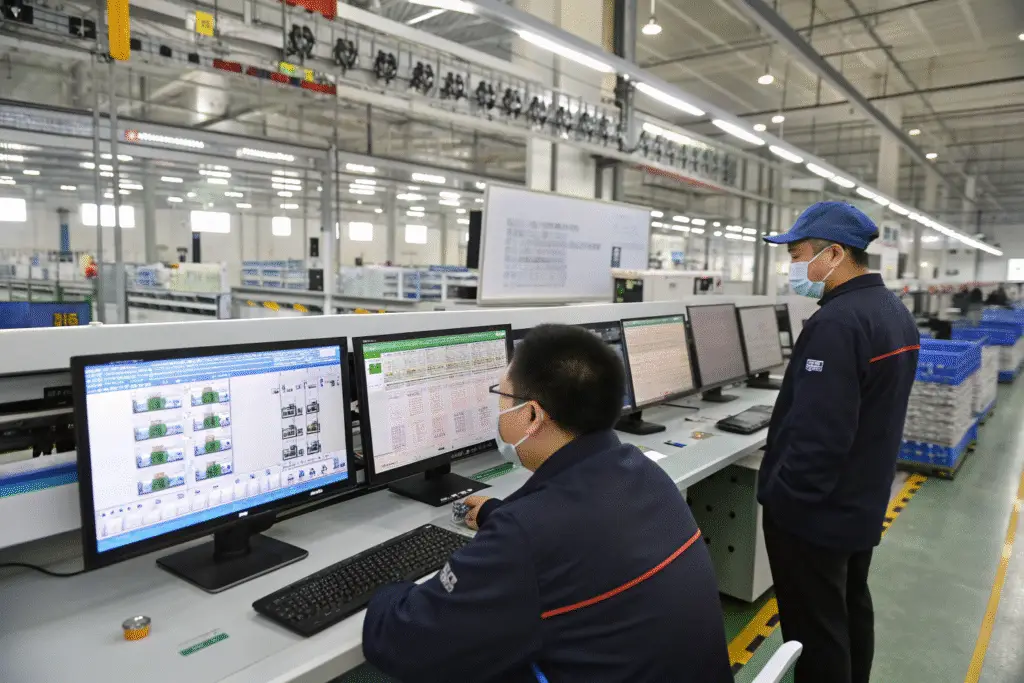
Why Is Real-Time Production Tracking Crucial?
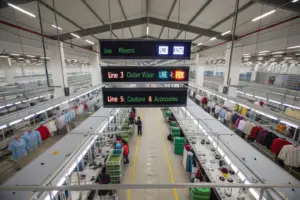
Without visibility, you are flying blind. Real-time production tracking moves you from hoping for the best to knowing the exact status. This system provides updates at critical stages: fabric arrival, cutting, sewing, finishing, and packing. We grant our clients access to a portal where they can see this progress live. This transparency eliminates the need for constant email follow-ups and gives you the confidence to plan your marketing and logistics, knowing your order is on track. It turns the complex process of garment manufacturing into a predictable, managed workflow.
How Can You Mitigate Logistics Delays?
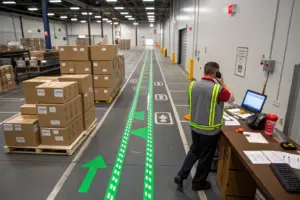
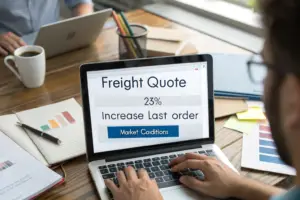
Logistics is a common failure point, but it can be managed. Mitigation starts with choosing the right Incoterm. We often recommend DDP (Delivered Duty Paid) for our U.S. clients, as it simplifies the process—we handle everything from the factory door to your warehouse. Furthermore, a reliable manufacturer maintains strong relationships with multiple freight forwarders and shipping lines. This allows them to quickly pivot if one carrier faces delays, like port congestion. By having a flexible and expert-led logistics strategy, your manufacturer can safeguard your delivery dates against external transit disruptions.
How To Improve Communication With Overseas Clothing Suppliers?
Inefficient communication is a silent profit killer. Time zone differences, language barriers, and unresponsive sales reps lead to misunderstandings, errors, and frustration. You need a partner, not just a vendor, who prioritizes clear, consistent, and direct communication.
Improving communication starts with establishing a single point of contact who understands your business and has the authority to get things done. This person should provide proactive updates, not just reactive responses. Utilizing modern collaboration tools that centralize all communication, files, and feedback is also essential. This eliminates the "email black hole" and ensures everyone is aligned on the same page, reducing the risk of costly errors.

What Is The Benefit Of A Dedicated Account Manager?
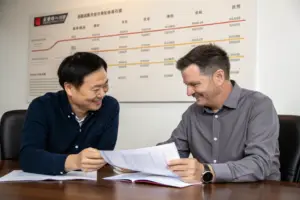
A dedicated account manager transforms your experience from transactional to relational. This person becomes an expert on your brand, your quality standards, and your expectations. Instead of explaining your needs to a different person every time, you have one go-to contact who manages your entire production process. At our company, each client works directly with a professional like our Business Director, Elaine. This ensures continuity, builds trust, and dramatically speeds up decision-making, because your manager already understands the context and history of your orders.
Which Collaboration Tools Streamline The Process?
The right tools bridge the gap created by distance. Instead of relying solely on email, efficient suppliers use integrated platforms. These can range from shared cloud folders for tech packs and design files to project management software like Asana or Trello that track tasks and deadlines. We centralize all client communications and documents on a secure platform, giving you 24/7 access to order details, sample approvals, and shipping documents. This creates a single source of truth for the entire project, ensuring nothing gets lost in translation and keeping your project moving forward smoothly.
How To Verify Authenticity Of Supplier Certifications?
Finding a supplier who claims to have all the right certifications is easy. Verifying that those certificates are legitimate and reflect actual practices is much harder. Falling for falsified documents can lead to legal issues, reputational damage, and products that are unsafe for your customers.
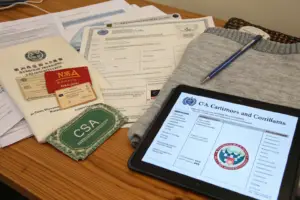
Verifying authenticity requires a proactive and multi-pronged approach. You should never take a certificate at face value. Directly checking with the issuing body, conducting third-party audits, and asking for detailed supporting evidence are all critical steps. A trustworthy manufacturer will be transparent and eager to provide all the verification you need, because their credibility is their most valuable asset.

Which Apparel Certifications Are Most Important?
Focusing on the right certifications is key. For the U.S. market, certifications related to product safety and ethical manufacturing are paramount. The OEKO-TEX Standard 100 certifies that textiles are free from harmful substances, which is crucial for consumer trust. For social compliance, BSCI or SMETA audits verify ethical labor practices. We proudly hold these certifications and encourage our clients to verify them through the official OEKO-TEX portal. This due diligence ensures you are partnering with a factory that operates responsibly and produces safe, high-quality goods.
What Red Flags Indicate A Fraudulent Supplier?
Several red flags should prompt immediate caution. Be wary of suppliers who are hesitant to provide verifiable certificate numbers or refuse a third-party audit. Vague answers about their production capacity or inability to provide real-time factory videos are also major warnings. A legitimate factory will have nothing to hide. We welcome due diligence, including virtual factory tours and direct contact with our material suppliers. This level of transparency is the best indicator of a trustworthy partner and is your strongest defense against fraud.
Conclusion
Avoiding the common pitfalls in clothing import is not about luck; it's about strategy. It requires a deliberate shift from simply finding the lowest cost to forging a true partnership with a manufacturer you can trust. By implementing rigorous quality control, demanding on-time delivery with full transparency, establishing clear communication channels, and thoroughly verifying certifications, you build a supply chain that is resilient, efficient, and profitable.
Your success in the competitive U.S. apparel market depends on the strength of your foundation. The right manufacturing partner doesn't just make clothes; they safeguard your brand, your timeline, and your peace of mind. If you are ready to transform your sourcing process and eliminate these common headaches, let's start a conversation. Contact our Business Director, Elaine, today at elaine@fumaoclothing.com to discuss how we can become the reliable, high-value manufacturing extension for your brand.