When the temperature soars, your choice of clothing becomes a critical factor in your comfort. For apparel brands and retailers, selecting the right fabrics for hot weather collections is not just a matter of style—it's a fundamental business decision that impacts customer satisfaction and sales. This guide will cut through the noise and provide clear, actionable insights.
The best fabrics for hot weather clothing are natural fibers like cotton and linen, and specialized synthetic fabrics like polyester and nylon that are engineered for moisture-wicking and breathability. The key lies in the fabric's ability to allow air circulation, draw sweat away from the skin, and dry quickly, all while feeling light and comfortable against the body.
Understanding these fabric properties is essential for creating best-selling summer lines. Let's explore the top-performing fabrics that will keep your customers cool and your business thriving.
What is the most breathable fabric for summer?
Breathability is the gold standard for hot weather fabric. It refers to how well air can pass through the material, allowing body heat to escape and cool air to circulate. This prevents heat and sweat from getting trapped against the skin. If your garments don't breathe, your customers will feel sticky and uncomfortable, leading to negative reviews and returned items.
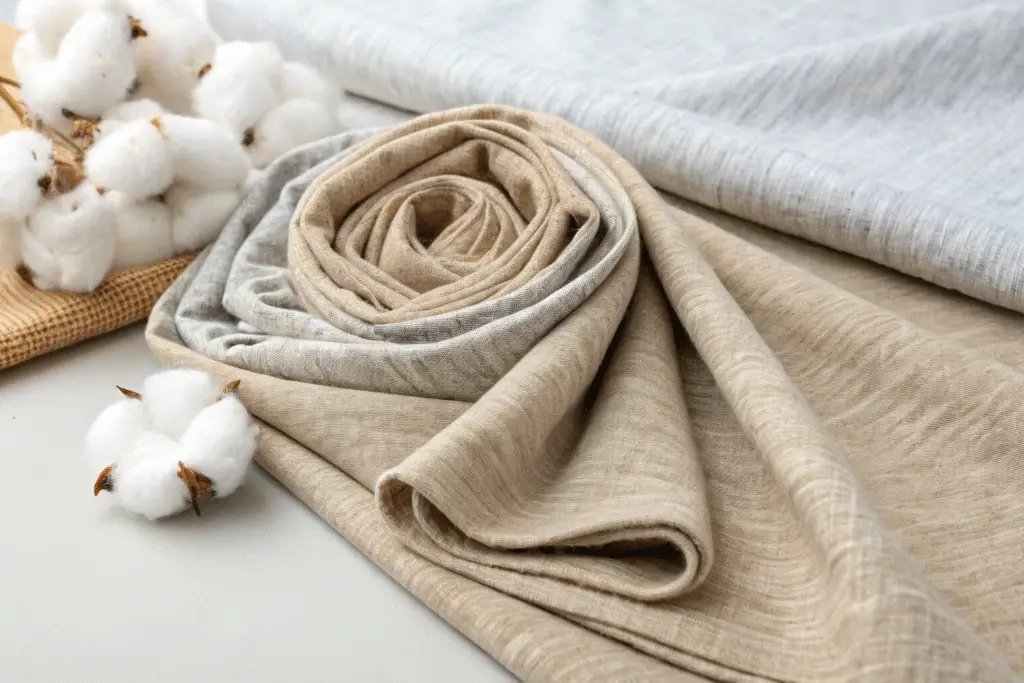
The title for the most breathable fabric is a close race, but cotton often takes the crown, especially in its premium forms. Its natural fibers are woven in a way that creates tiny gaps for air to flow freely. For brands looking for a winning product, investing in high-grade cotton jersey for t-shirts is a proven strategy. Another top contender is linen, made from the flax plant. Its loose, thick yarns create an exceptionally airy structure, making it a classic choice for sophisticated summer shirts and blouses.
Why is cotton a top choice for heat?
Cotton's dominance isn't by accident. Its natural absorbency allows it to pull moisture from the skin. While it doesn't dry the fastest, this absorption process provides a cooling sensation. Furthermore, cotton is hypoallergenic and gentle on sensitive skin, broadening your target market. From a manufacturing standpoint, cotton is highly versatile. It can be blended with other fibers and is suitable for a wide range of apparel from casual tees to more formal woven shirts, giving your collection tremendous flexibility.
How does linen keep you cool?
Linen’s cooling power is all about its unique structure. The fibers are hollow, which creates a natural insulation barrier while promoting exceptional airflow. This structure allows linen to absorb and release moisture faster than almost any other fabric, preventing that damp feeling. A key advantage for brands is its durability; linen becomes softer and stronger with each wash, a quality you can market to consumers looking for long-lasting value. While pure linen wrinkles easily, our factory often blends it with cotton to create a fabric that maintains its cool, breathable properties while being more resilient for everyday wear.
Which synthetic fabrics are best for hot weather?
The word "synthetic" can sometimes raise eyebrows, but modern engineered fabrics are game-changers for performance wear. While natural fibers are fantastic for everyday comfort, synthetic fabrics excel in situations involving high activity and sweat. They are designed to manage moisture in a completely different way, making them ideal for your activewear and sportswear lines.
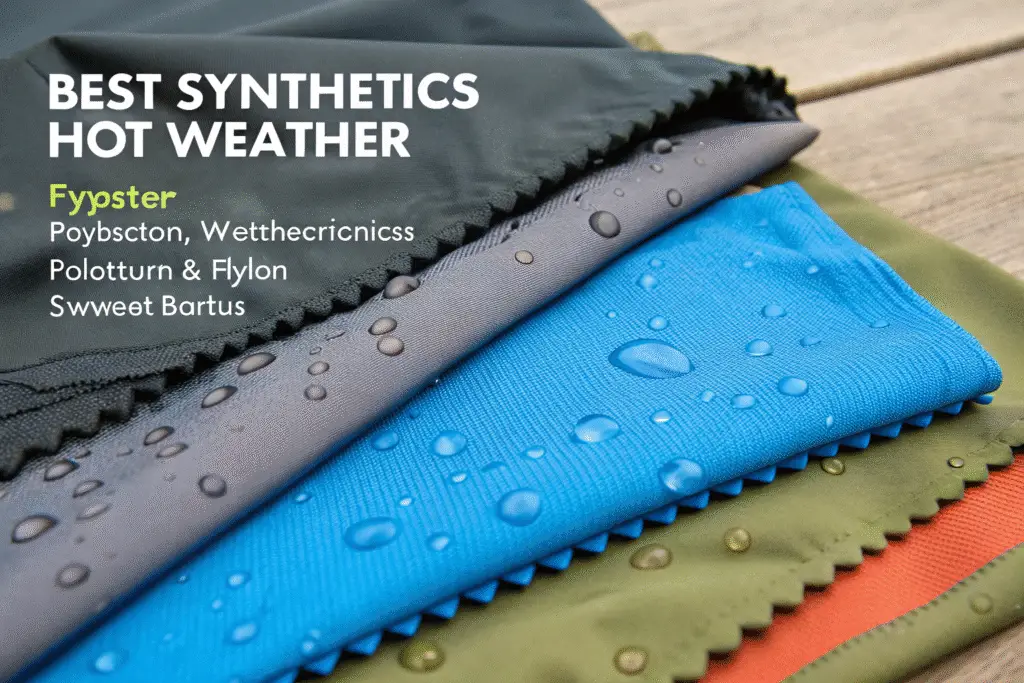
The best synthetic for hot weather is polyester, specifically in its moisture-wicking form. Unlike cotton which absorbs moisture, polyester is hydrophobic – it repels water. Instead of soaking up sweat, it pulls the moisture to the surface of the fabric where it can evaporate quickly. This keeps the wearer dry and comfortable during intense physical activity. Another excellent synthetic is nylon, which shares similar quick-drying and durable properties, often used in lightweight outerwear and athletic gear.
What makes moisture-wicking fabric work?
Moisture-wicking is a process, not just a material. It relies on capillary action, where moisture is drawn along the tiny channels within the synthetic yarns from the inside of the fabric to the outside. Think of it like a network of tiny straws pulling sweat away from the skin. This process is enhanced by special chemical treatments applied during the fabric manufacturing stage. For a brand owner, specifying this treatment to your clothing manufacturer is crucial for creating performance-oriented products that live up to their promises.
Are all synthetic fabrics uncomfortable?
This is a common misconception. Early synthetics were often stiff and clingy, but textile technology has advanced dramatically. High-quality polyester and nylon are now engineered to be incredibly soft, lightweight, and smooth. The key is in the construction and finishing. For example, using microfibers—extremely fine threads—creates a fabric that is exceptionally soft against the skin. Furthermore, blending synthetics with a small percentage of natural fibers like cotton can create a hybrid fabric that offers the best of both worlds: the moisture-wicking of polyester and the soft hand-feel of cotton.
How to choose fabric for hot and humid conditions?
Humidity adds a new layer of complexity to fabric selection. When the air is already saturated with moisture, a fabric's drying speed becomes more important than its absorbency. In these conditions, you need fabrics that pull sweat away and evaporate it rapidly, rather than holding onto it like a sponge. Making the wrong choice here can lead to garments that feel heavy, wet, and cold against the skin.
The winning strategy for humidity prioritizes quick-drying capabilities. This is where synthetic blends and certain lightweight natural weaves truly shine. A classic example is the polyester-cotton blend, which balances the comfort of cotton with the faster-drying performance of polyester. Another excellent choice is lightweight merino wool, which sounds counterintuitive but is a top-tier performance fiber known for managing moisture and odor even when damp.
| Fabric Type | Best For | Key Benefit | Consideration for Brands |
|---|---|---|---|
| 100% Cotton | Everyday Casual Wear | High Breathability, Softness | Can feel heavy when soaked; prone to shrinking. |
| Linen | Resort Wear, Smart Casual | Excellent Airflow, Quick-Drying | Wrinkles easily; may require specific care messaging. |
| Moisture-Wicking Polyester | Activewear, Sportswear | Keeps Skin Dry, Durable | Can retain body odor if not treated. |
| Nylon | Lightweight Outerwear, Swimwear | Strong, Quick-Drying, Lightweight | Less breathable than polyester. |
| Poly-Cotton Blend | Uniforms, Daily Basics | Balanced Comfort & Performance | Varies based on blend ratio (e.g., 65/35 vs 50/50). |
Why is quick-drying ability crucial?
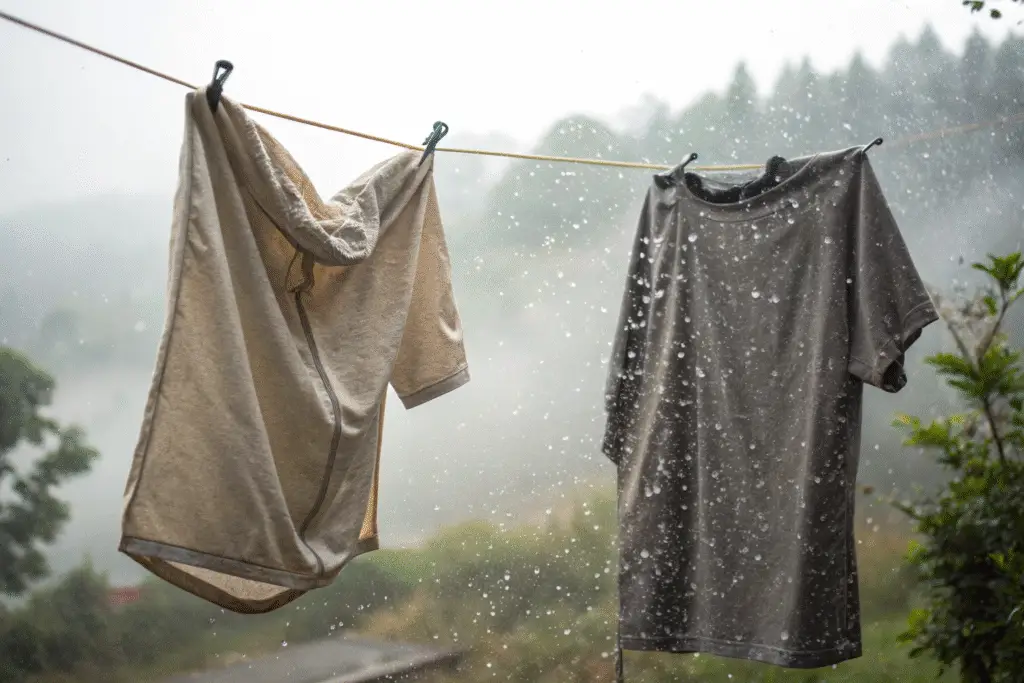
In humid weather, sweat does not evaporate easily. A fabric that absorbs moisture and holds it, like a standard cotton t-shirt, will remain wet for a long time. This not only causes discomfort but can also lead to skin chafing and the growth of bacteria that cause odors. Quick-drying fabrics minimize the time the skin is in contact with moisture, maintaining a more comfortable body temperature and overall wearer experience. For your brand, using these fabrics translates to higher customer loyalty in geographic markets with tropical or humid climates.
Which fabric blends work best?
Blending fibers allows you to engineer a fabric with targeted advantages. For hot and humid conditions, consider these blends:
- Polyester-Cotton (65/35 or 50/50): This is the workhorse blend. It reduces the shrinkage and wrinkling of pure cotton while improving drying time. It's a safe, cost-effective, and popular choice for a wide range of garment types.
- Linen-Cotton: This blend mitigates the high wrinkling of pure linen, making it more practical for daily use while retaining most of its superior breathability and style.
- Tencel (Lyocell) Blends: Tencel is a form of rayon made from sustainable wood pulp. It is exceptionally soft, breathable, and has excellent moisture-wicking properties. Blending Tencel with cotton or polyester creates a premium, eco-friendly fabric with a luxurious drape, ideal for high-end women’s wear and men’s wear.
What fabric certifications ensure quality?
For a business owner, fabric quality and ethics are non-negotiable. Certifications provide third-party verification, giving you and your customers confidence in the product's safety, sustainability, and performance. They are a powerful tool for quality control and marketing, especially when sourcing from overseas suppliers.
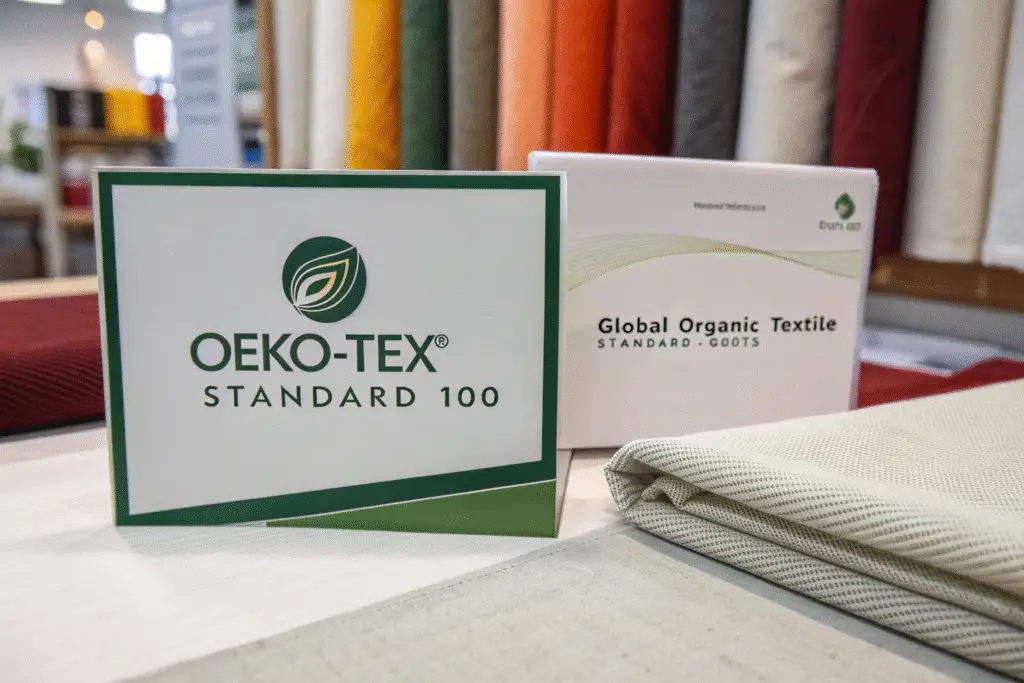
Prominent certifications include OEKO-TEX Standard 100, which tests for harmful substances, ensuring the fabric is safe for human skin. For organic claims, the Global Organic Textile Standard (GOTS) is the leading certification, covering the entire supply chain from harvesting to labeling, and ensuring strict ecological and social criteria. For performance fabrics, look for certifications that verify specific claims, like moisture-wicking or UV protection.
How does OEKO-TEX certification protect my brand?
The OEKO-TEX Standard 100 certification is a critical risk management tool. It guarantees that every component of a textile—from the threads to the dyes and prints—has been tested against a list of over 1,000 regulated and unregulated harmful chemicals. By sourcing certified fabrics, you protect your brand from potential liability and recalls related to allergic reactions or chemical safety issues. It provides a clear, trustworthy message to your customers that you prioritize their well-being, which is a strong selling point in today's market.
Why is GOTS important for organic cotton?
Simply claiming a product is "organic" is not enough. The GOTS certification provides the traceability and credibility your brand needs. It confirms that the cotton was grown without toxic pesticides and that the entire manufacturing process (spinning, knitting, dyeing, finishing) meets high environmental and social standards. This is your safeguard against "greenwashing." For brands targeting the eco-conscious consumer, using GOTS-certified fabrics is a powerful way to demonstrate a genuine commitment to sustainability, which can justify a premium price point and build a strong brand reputation.
Conclusion
Selecting the best fabrics for hot weather is a strategic process that balances breathability, moisture management, and drying speed. Natural champions like cotton and linen offer unparalleled comfort for everyday wear, while advanced synthetics like polyester provide superior performance for active lifestyles. The right choice ultimately depends on the specific use case and target market for your apparel line. By understanding these fabric properties and prioritizing verifiable quality through certifications, you can build a summer collection that delights customers and drives repeat business.
To ensure your next hot-weather clothing line is crafted with precision from the right fabrics, partner with a manufacturer that understands these nuances. Let us help you create garments that are not only stylish but also technically superior for the climate. For a consultation on your specific needs, please contact our Business Director Elaine at: elaine@fumaoclothing.com.