The textile industry is under increasing pressure to provide fabrics that balance comfort, durability, and sustainability. Buyers and consumers alike want materials that reduce environmental impact without compromising performance. Traditional fibers like cotton and polyester dominate the market, but they also bring challenges such as water waste, pesticide use, and microplastic pollution.
Fermented bamboo fiber is gaining traction because it offers softness, durability, and eco-friendliness, making it a strong alternative to conventional textiles. Produced through a biological fermentation process, it reduces chemical dependency and answers the growing demand for sustainable innovation in fashion and textiles.
This development is more than a passing trend. It provides solutions to long-standing pain points in the industry: breathable fabrics, improved moisture control, and verified compliance with international environmental standards. In the following sections, I will explain why fermented bamboo fiber stands out, how it performs, and where it is being adopted.
What Makes Fermented Bamboo Fiber Sustainable?
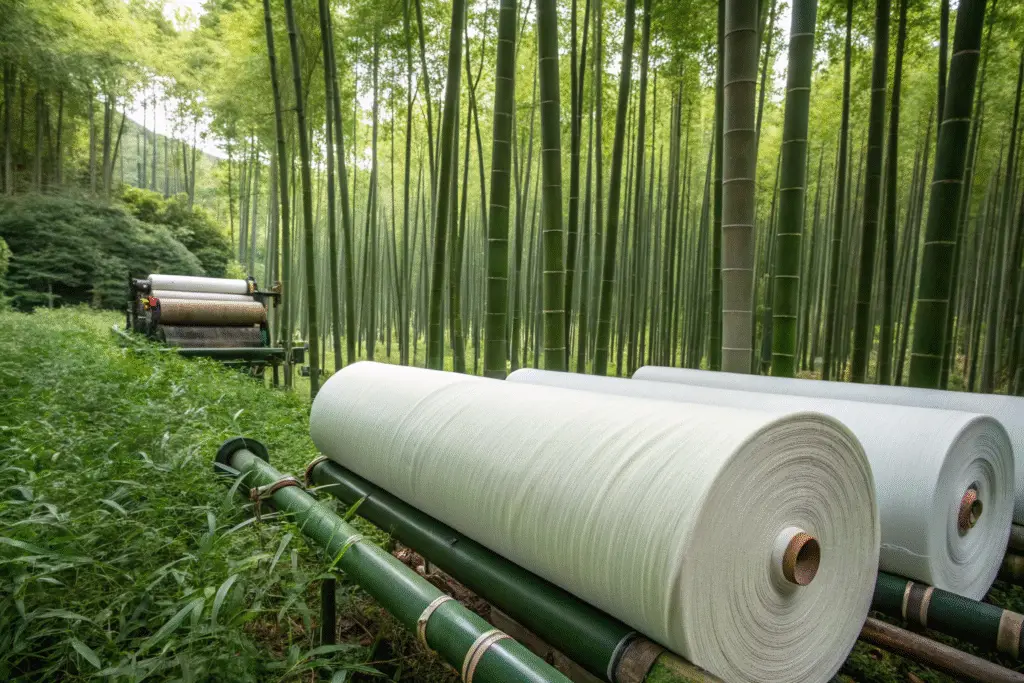
Fermented bamboo fiber is made by breaking down bamboo pulp using natural enzymes or microbes instead of harsh chemicals. This method minimizes toxic byproducts, making the process safer for workers and cleaner for the environment.
It is sustainable because bamboo grows rapidly, requires little water, and regenerates naturally without replanting. Combined with fermentation, this lowers the carbon footprint compared with cotton or petroleum-based synthetics.
How Does Bamboo Compare To Cotton In Resource Use?
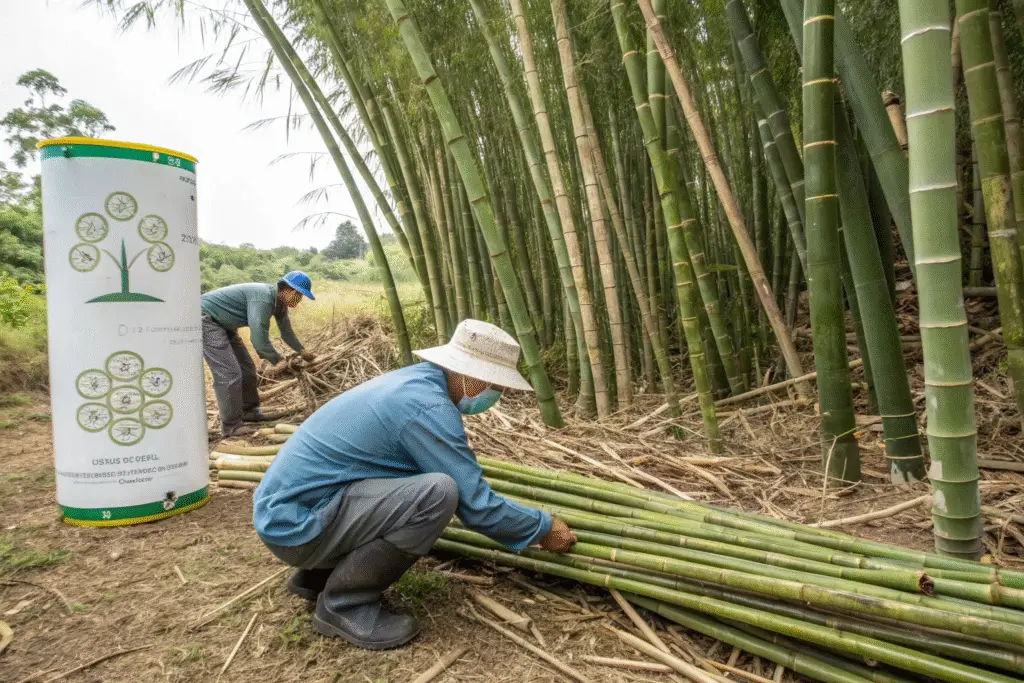
Bamboo grows quickly, needs minimal irrigation, and thrives without pesticides. Cotton, in contrast, demands high water consumption and often depends on fertilizers. Studies from Textile Exchange highlight bamboo’s efficiency, showing why sustainability-focused brands are moving toward it.
Additionally, bamboo can grow on marginal land where cotton cannot, making it less competitive with food crops. This characteristic further supports its role as a responsible raw material for the textile industry.
Does Fermentation Reduce Chemical Dependency?
Yes. Traditional bamboo rayon relies on solvents like carbon disulfide. Fermented bamboo fiber avoids these by using biological processes, cutting toxic waste and improving worker safety.
Certifications such as Oeko-Tex validate the absence of harmful substances, giving global buyers confidence. Verified eco-labels are increasingly required for entry into Western markets.
How Does It Perform Compared To Other Fabrics?
Performance matters as much as sustainability. Buyers want fabrics that not only meet environmental standards but also satisfy consumer expectations for comfort and durability. Fermented bamboo fiber meets this balance effectively.
It performs strongly because it combines softness, breathability, and odor resistance, making it suitable for both daily wear and active lifestyles. This versatility places it alongside cotton, linen, and synthetics as a competitive option.

Is It Comfortable For Daily Wear?
Yes. Bamboo fiber fabrics are silky and smooth, often compared to high-quality cotton or cashmere. They regulate body temperature, keeping users cool in heat and warm in cold. Retailers like Boody promote bamboo clothing for its comfort and softness.
Because it is hypoallergenic, bamboo fiber is also ideal for people with sensitive skin, making it popular in baby apparel and wellness fashion.
How Does It Handle Moisture And Odor?
Fermented bamboo fiber wicks moisture efficiently, helping users stay dry during active use. It also has natural antibacterial properties, reducing odor build-up, which is a major benefit in sportswear.
According to REI, bamboo blends are especially valued in outdoor clothing because they dry faster than cotton and feel softer than polyester, striking a balance between performance and comfort.
What Industries Are Adopting Bamboo Fiber?
Fermented bamboo fiber is moving from niche use to mainstream adoption. Its versatility allows it to enter multiple markets, from fashion to home textiles.
Industries are adopting bamboo fiber because it is safe, versatile, and meets consumer demand for eco-friendly products. This adoption includes apparel, wellness, baby wear, and household goods.
Why Is It Popular In Baby And Wellness Markets?
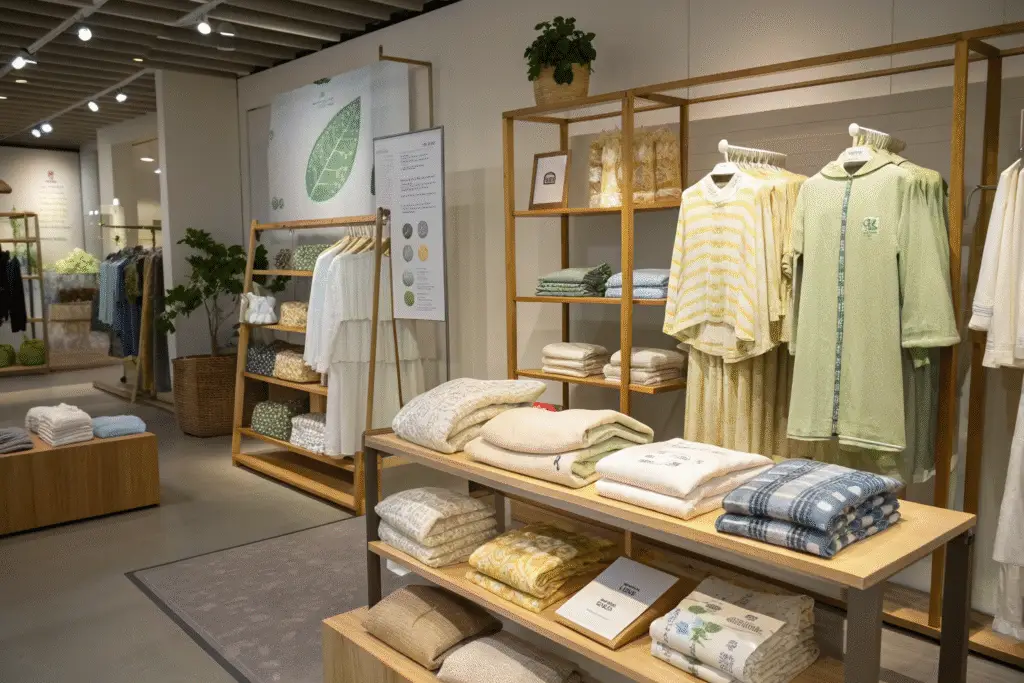
Parents prioritize natural fabrics free of harmful chemicals for baby clothing and bedding. Bamboo fiber’s hypoallergenic qualities make it highly suitable. Companies like Kyte Baby highlight its safety and comfort in their product lines.
Wellness brands also benefit, using bamboo in yoga wear, robes, and eco-friendly loungewear that aligns with health-focused lifestyles.
Is The Home Textile Market Growing For Bamboo?
Yes. Bamboo fiber bedding, towels, and blankets are gaining strong consumer interest. Its breathability and moisture control improve sleep quality, making it a premium option.
Companies like Cariloha promote bamboo sheets as a luxury alternative to cotton, showing its growing role in lifestyle products.
What Challenges Still Exist For Bamboo Fiber?
Despite its benefits, fermented bamboo fiber faces obstacles in cost, production scale, and certification. Buyers need to weigh these carefully when sourcing.
Challenges include higher costs than conventional fibers, limited mass production capacity, and the need for recognized certifications. These factors can slow adoption despite strong interest.

Is Cost A Barrier For Large Buyers?
Yes. Producing fermented bamboo fiber is more expensive than making polyester or cotton. For high-volume sourcing, this can discourage price-sensitive buyers.
However, as technology advances and demand increases, production efficiency is improving. More suppliers are investing in fermentation facilities, which will gradually lower costs and expand capacity.
Do Certifications Influence Buyer Trust?
Absolutely. Without certifications, sustainability claims risk being dismissed as greenwashing. Standards such as Global Organic Textile Standard (GOTS) and Oeko-Tex are essential for building credibility.
Large importers and distributors often make certification a requirement when selecting suppliers, especially for Western markets where compliance is strictly monitored.
Conclusion
Fermented bamboo fiber is gaining traction because it combines sustainability with strong performance. It offers breathable comfort, moisture control, and antibacterial properties while reducing environmental impact through fermentation-based production. Its adoption spans fashion, wellness, baby products, and home textiles, with growing recognition from eco-conscious consumers.
At Shanghai Fumao Clothing, we closely follow textile innovations and integrate them into manufacturing solutions for our partners. With our expertise, we help brands source reliable, eco-friendly fabrics like bamboo and turn them into finished products ready for international markets.
If you want to explore bamboo fiber or other sustainable textiles for your next apparel collection, reach out to our Business Director Elaine at strong>elaine@fumaoclothing.com. Together, we can design and produce garments that meet both market demand and environmental responsibility.