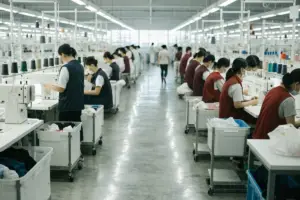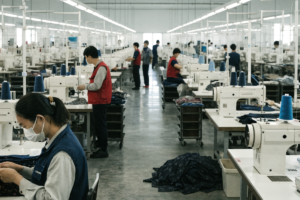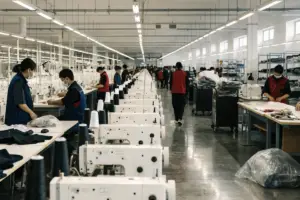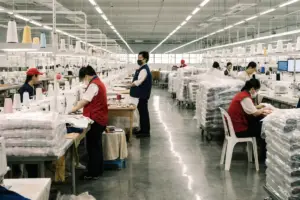
For US importers, the buzz around Vietnam as a “cheaper alternative” to China has grown louder, especially after certain Chinese textile and apparel products were hit with tariffs as high as 46%. But when you peel back the layers of raw numbers, real-world logistics, and business operations—does Vietnam sourcing really offer better value?
Despite lower duty exposure, Vietnam’s actual landed costs often don’t undercut China, especially for full-package, custom apparel production.
As a factory owner in China who frequently discusses options with American buyers, I’ll break down whether Vietnam sourcing truly saves money once all costs—freight, lead time, flexibility—are factored in.
What’s Behind the 46% Tariff Rate on Chinese Apparel?
The US government has implemented a combination of Section 301 tariffs, anti-dumping measures, and safeguard duties on various Chinese textile categories. For some items like polyester knitwear or synthetic trousers, the cumulative duty rate can approach or exceed 46%.
This makes buyers assume that Vietnam, with its lower tariff exposure under GSP or MFN terms, is automatically the smarter choice. But the reality is nuanced.
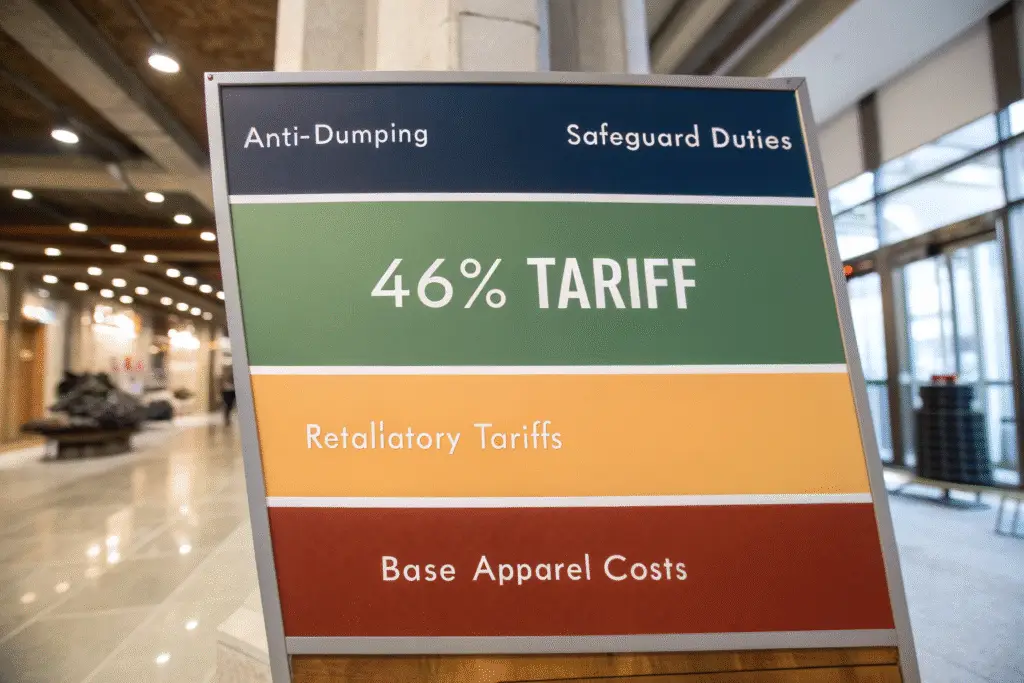
Which Products Are Affected by 46% Duties?
The high-tariff list includes many synthetic fiber garments—especially those classified under HTS code 6104, like women’s knitwear. These categories face additional 25–30% duties on top of base rates.
Buyers who depend heavily on such SKUs naturally start sourcing alternatives. However, the USTR official list makes it clear that not all apparel types are equally affected. Cotton items, children’s wear, and natural fibers face fewer restrictions.
Are Tariffs the Only Price Variable?
Not at all. When I explain sourcing cost to buyers, we factor in the FOB price, freight charges, port handling, lead time, and compliance support. Vietnam might skip the tariff, but often carries higher fabric import costs and less automation in manufacturing.
That’s why many brands who initially switched to Vietnam have quietly started rebalancing back to China or using blended production models.
What Are the Hidden Costs of Sourcing from Vietnam?
Vietnam may avoid some tariffs, but their production ecosystem is less mature than China’s. From fewer vertically integrated mills to higher MOQ requirements, these differences carry real hidden costs.
When clients request small-batch, customized apparel with branding, Vietnam’s costs rise quickly due to fabric sourcing delays and lack of full-package service.
Does Vietnam Have the Same Fabric Availability as China?
No. Many Vietnamese factories still rely on imported Chinese or Korean fabrics, especially for technical or performance textiles. This dependency adds 7–10 days of lead time and extra freight costs to every order.
When buyers source from Vietnam but the fabric still comes from China, they essentially “re-import” some of the same tariff risk—especially under stricter US origin audits by CBP.
How Reliable Are Vietnam’s Production Timelines?
Compared to China’s hyper-efficient clusters, Vietnam’s lead times are often 2–3 weeks longer. During Q4, this lag can lead to missed US retail windows. The US–Vietnam shipping lane also sees more frequent congestion than the robust China–US freight corridor.
Many buyers mistakenly assume cost savings, only to find out late delivery costs them more in lost sales or air freight corrections.
Are FOB Prices from Vietnam Actually Lower?
Let’s talk numbers. A Vietnam factory may quote a FOB price that’s $0.30–$0.50 lower per piece, which excites price-sensitive buyers. But what isn’t quoted?
China often offers DDP quotes, factory-level customization, and free warehousing—which aren’t reflected in Vietnam’s base price.
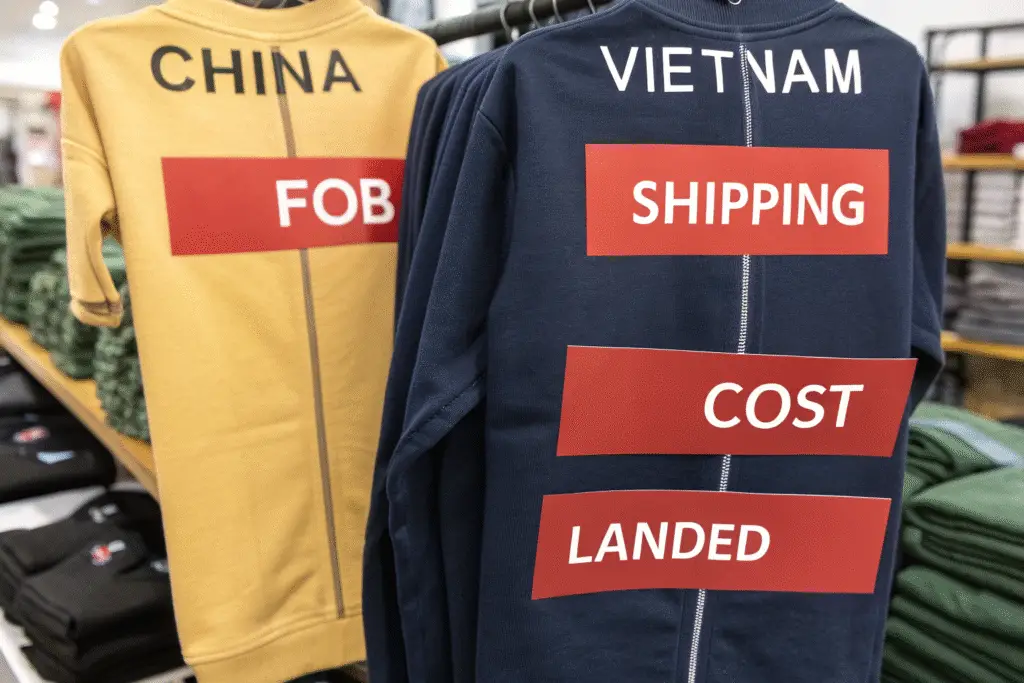
What Services Are Often Excluded in Vietnam’s Quotes?
In our audits, many Vietnam suppliers exclude things like label sewing, custom packaging, and photo documentation from their base price. These are standard at our factory.
Sites like GlobalSources or Fibre2Fashion often show Vietnam prices that seem attractive—until you factor in testing, export documentation, and agent commission layers.
Is Labor Really That Much Cheaper?
Labor rates in Vietnam are 20–30% lower than in coastal China, yes. But that doesn’t always mean lower unit costs. Productivity is lower, rework rates are higher, and skilled machine operators are harder to retain.
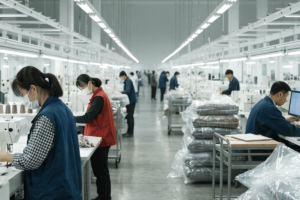
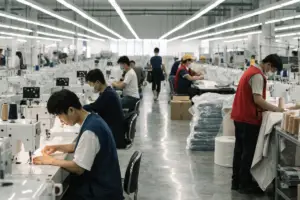
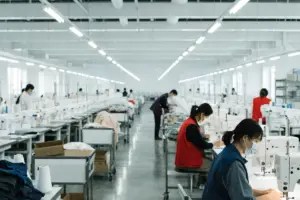
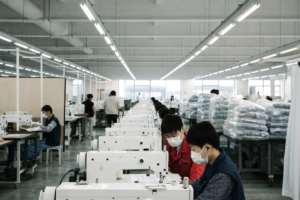
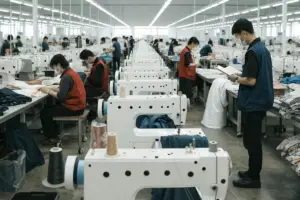
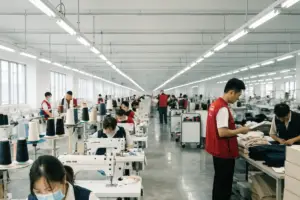
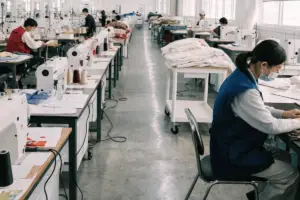
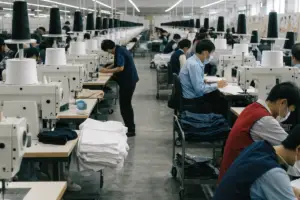
Our 5-line factory can output 30% more garments per worker per day than many Vietnam plants. That productivity offsets wage differences and speeds delivery.
What Should Buyers Ask Before Switching to Vietnam?
Buyers like Ron who have been burned by delays or hidden fees in Vietnam often come back to us with smarter questions.
Before switching, importers should assess not just the unit price, but the total ecosystem of reliability, speed, and service that’s behind it.
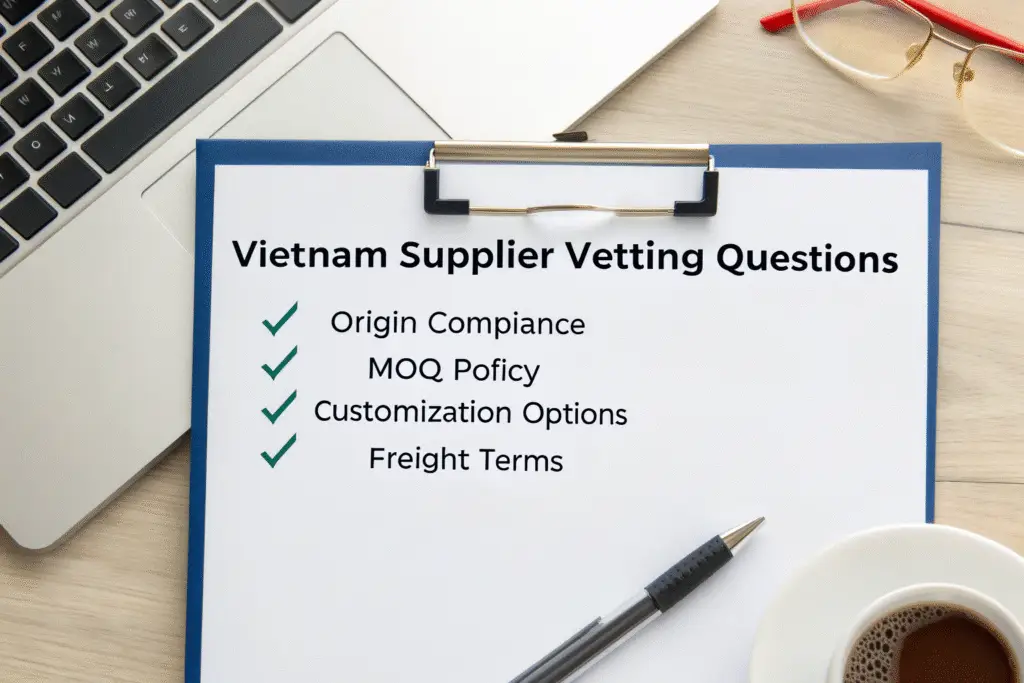
Can the Supplier Handle Complex Customization?
If you’re offering logoed activewear, printed trims, or adjustable cuts, you need a supplier that doesn’t outsource every detail. In Vietnam, many full-package capabilities are split between factories, which creates bottlenecks.
Ask whether your supplier owns or co-owns fabric mills, printing stations, and packaging lines. This matters more than a 3% price dip.
Is the DDP Option Available?
Many Vietnam factories still only offer FOB or CIF. In contrast, we offer DDP to any US address, covering duties, taxes, and door delivery. This saves clients from hiring a US customs broker or facing penalties from improper import valuation.
Conclusion
The headline numbers might make Vietnam look cheaper—but if you’re sourcing full-package apparel, managing timelines tightly, or customizing at scale, the story changes. Once all costs are on the table, Vietnam isn’t always the cheaper route.
That’s why many of our clients—especially in the U.S.—trust our factory in China to deliver value beyond the price tag. We offer transparency, consistency, and DDP service that ensures true cost control. If you’re weighing sourcing decisions in light of tariffs, let’s run a comparative cost breakdown together. Reach out to our Business Director Elaine at elaine@fumaoclothing.com and we’ll help you choose the best route for your brand.