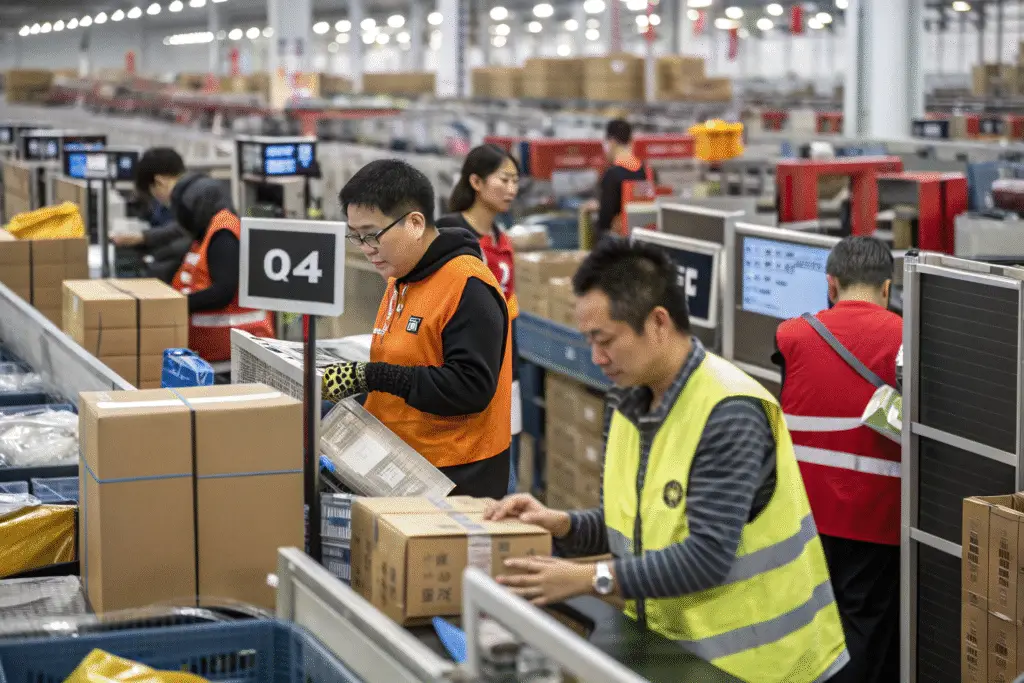
Peak fashion seasons—like back-to-school, holiday, and spring collections—can bring your supply chain to a crawl. From fabric shortages to container trucks backed up for miles, delays can ruin product launches and sales events.
The key to avoiding shipment delays during these seasons is proactive planning: forecast demand, lock in lead times, secure logistics capacity, and build relationships with suppliers and forwarders.
In this post, I’ll walk you through tested strategies that help fashion brands keep their inventory on time—even when the calendar gets crowded.
What Causes Delays in Peak Fashion Seasons?
Peak delays usually stem from surging demand—across production, transit, and customs.
Common bottlenecks include raw material shortages, factory capacity strain, port congestion, and paperwork lag.
Why Do Factories Struggle During Peak Times?
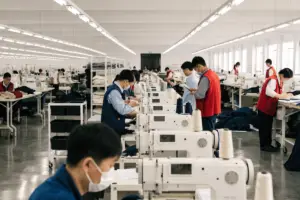
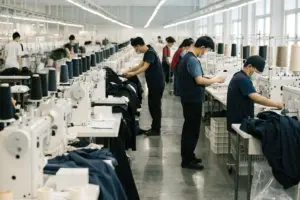
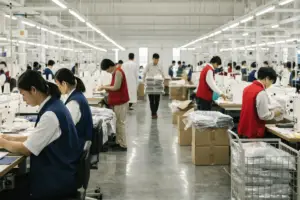
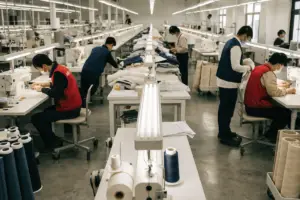
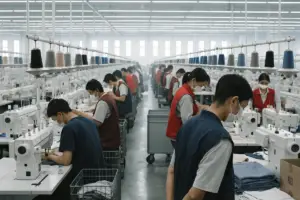
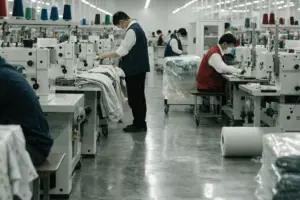
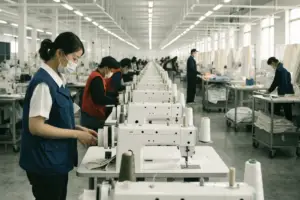
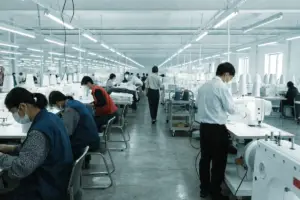
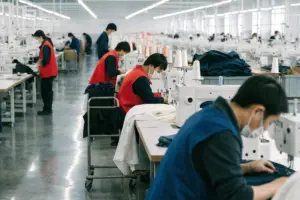
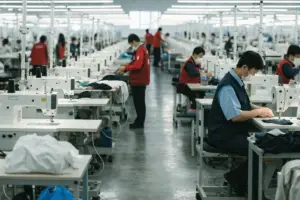
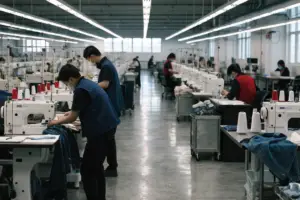
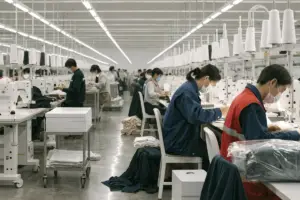
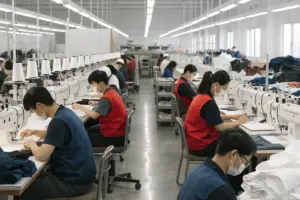
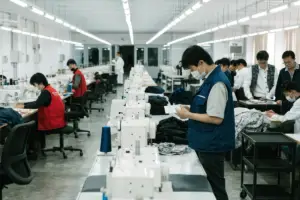
Factories face volume spikes due to overlapping orders. If raw fabrics run low or machines get overloaded, garments fall behind schedule.
According to China Briefing, production lead times can rise 20–30% during Q3 and Q4.
What Makes Ports Overflowed?
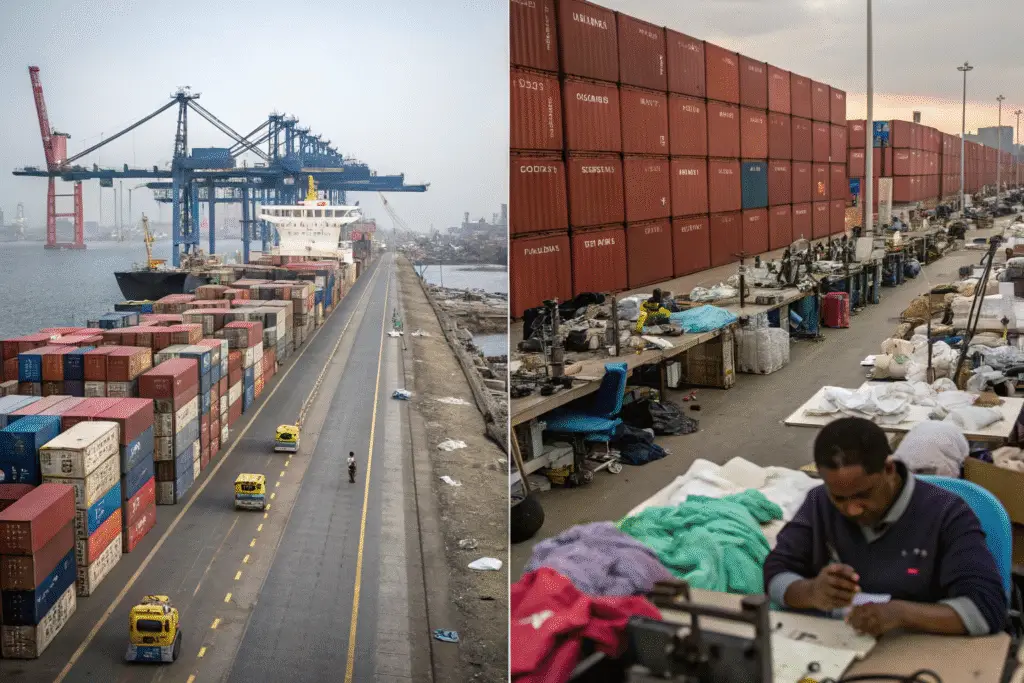
Ports handle back-to-back shipments. High traffic means fewer berths, ground delays, and soaring container rates.
Freightos reports container delays increase by 40–60% in holiday seasons.
How to Forecast & Prepare Lead Times
Good forecasting beats fire drills.
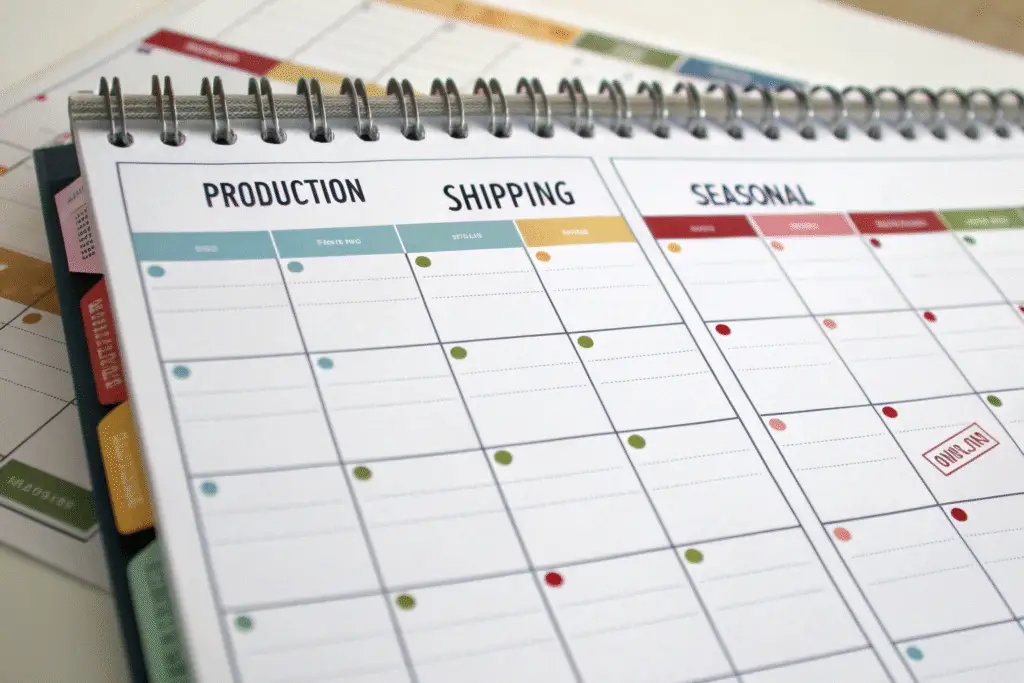
Start planning at least 4 months ahead for Q4 and 3 months for spring.
When Should You Lock Fabric and Production?
- Textiles ordered: T minus 5–6 months
- Production booking: T minus 4 months
- Shipping window: T minus 3 months
These give buffer for sampling delays, shipping schedules, and customs clearance.
How to Secure Logistics Capacity in Advance?
Locking logistics early means locked-in space and rate.
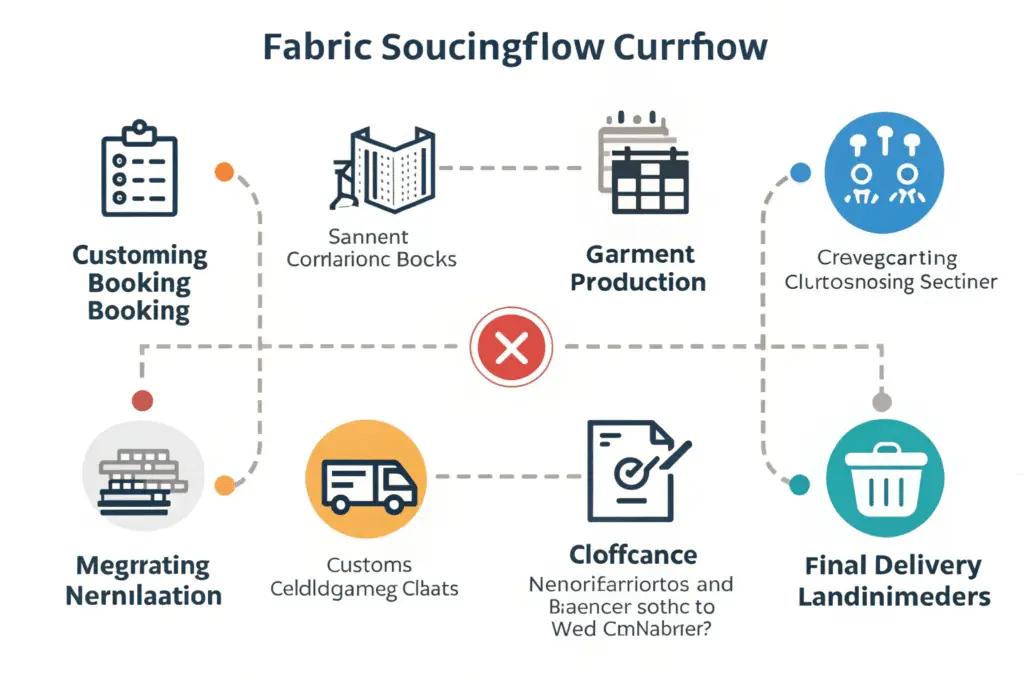
Reserve containers or space with freight forwarders 8–10 weeks before shipping.
Should You Pre-Book Container Space?
Yes. Forwarders like Maersk and COSCO offer blanket container contracts with guaranteed monthly allocation. This removes last-minute risk.
Is Air or Rail a Backup Option?
For urgent shipments, air or rail can be lifesavers. Use air for high-margin or urgent SKUs and rail for cross-Asia-Europe routes—ideal for compressed timelines.
How to Improve Communication with Suppliers & Forwarders?
Frequent and clear communication prevents surprises.
Check in production weekly and confirm shipping details 2 weeks before cutoff.

What Tools Work Best?
- ClickUp / Trello for production task tracking
- DingTalk / WeChat Work for vendor messaging
- Shared Google Sheets with delivery milestones
Sync calendars and booking docs to avoid misalignment.
How to Manage Risk with Multiple Suppliers?
Avoid relying on one source.
Split production across two factories or stagger delivery—especially for core SKUs.
When Is Multi-Factory Strategy Useful?
Great for:
- High-volume essentials
- Seasonal best-sellers
- Core SKU backups
This ensures if one line slips, the other can cover the shipping gap.
How to Clear Customs Efficiently?
Customs clearance often becomes a late-stage delay.
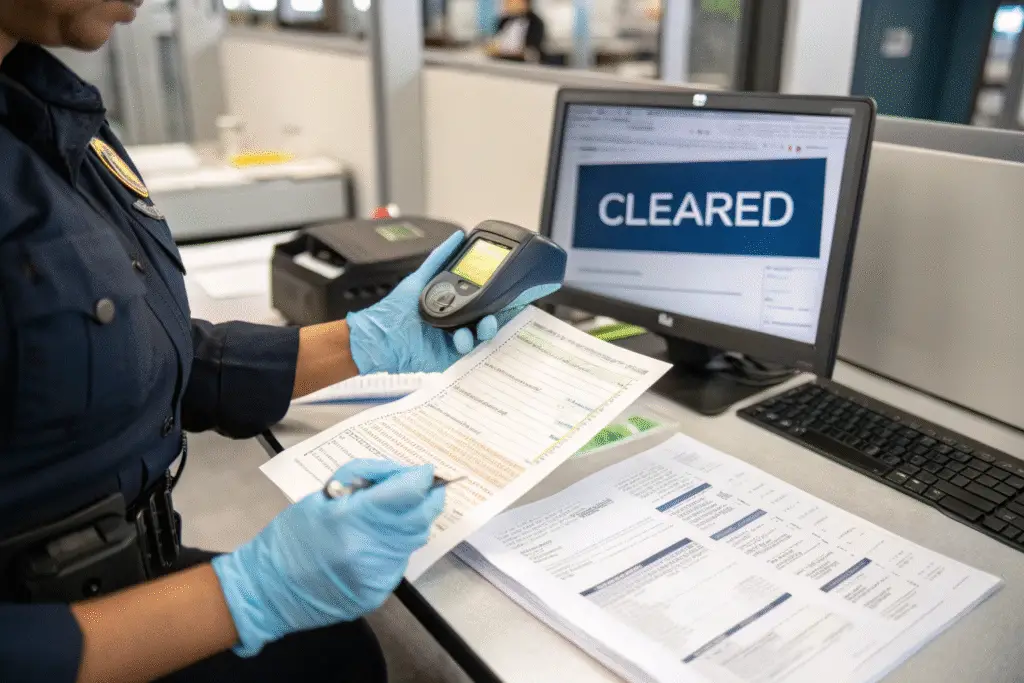
Prepare all docs early and audit them pre-shipment.
What Documentation Should Be Ready?
- Commercial Invoice & Packing List
- Certificate of Origin
- Import/Export Licenses
- HS codes confirmed
Have your freight forwarder or customs broker validate 2 weeks before ETA.
Conclusion
Avoiding shipment delays during peak fashion seasons takes foresight, consistent communication, and smart supply chain choices. By forecasting correctly, pre-booking logistics, splitting production, and preparing documentation, your brand can beat the season’s chaos—and win every drop window.
Make peak season performance your competitive advantage. Plan early, connect often, and protect every shipment.