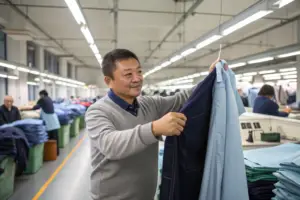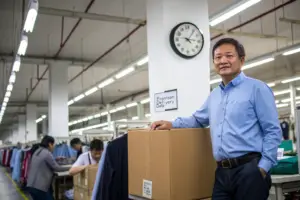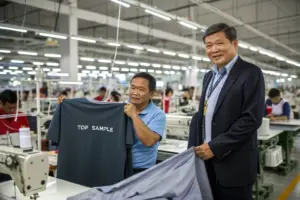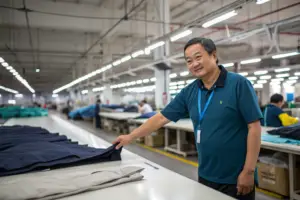
The capsule collection model is gaining attention. It’s praised for sustainability, minimalism, and consumer appeal. But from the perspective of a garment factory like ours, capsule production is far from simple. Behind the clean aesthetic are layers of logistical, technical, and design hurdles that brands often underestimate.
Capsule collections come with unique production challenges—from tight coordination and low MOQ requirements to material constraints and unpredictable demand.
If you're planning a capsule collection or already struggling with delays or material waste, understanding these challenges early can help you avoid costly mistakes. Let’s break it down from the production floor.
Why Are Capsule MOQs Hard to Balance with Factory Capacity?
Capsule collections often mean fewer SKUs and limited quantities per style. That sounds great for reducing inventory, but for factories, it breaks the traditional efficiency model.
Low MOQs in capsule collections create tension between efficient batch production and flexible manufacturing requirements.
How do small order sizes disrupt factory workflows?
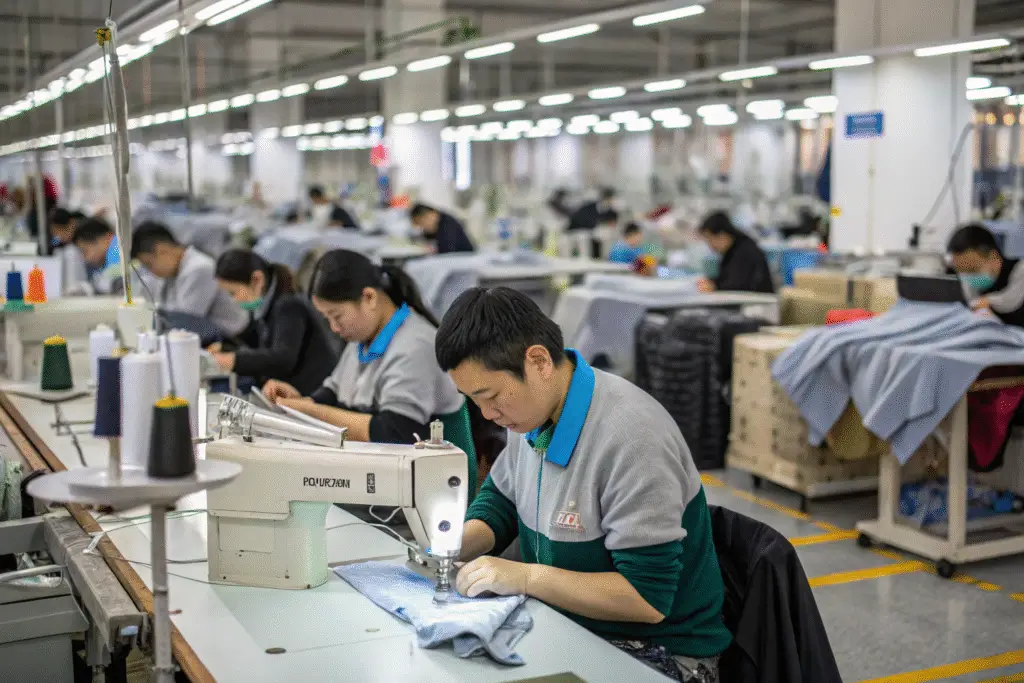
Our factory relies on batching similar products for cutting, sewing, and finishing. When a capsule brand wants just 100 pieces per style, the setup and overhead costs per unit go up. This disrupts lean manufacturing flows and forces idle time across production lines.
To help our American clients, we use modular production cells that can scale up or down. But there’s always a trade-off—smaller runs mean lower margins unless we optimize for speed and standardization.
Why do small runs increase unit cost?
Fixed costs like tech packs, sample iterations, and machine setup don’t scale down proportionally. If you produce 100 instead of 1000, the price per piece goes up sharply. For many U.S. capsule brands, this comes as a shock during pricing discussions.
One solution is fabric and trim standardization across multiple SKUs, which spreads the cost. Another is combining production windows with other brands to hit higher cut-ticket quantities.
How Do Capsule Collections Affect Fabric Procurement?
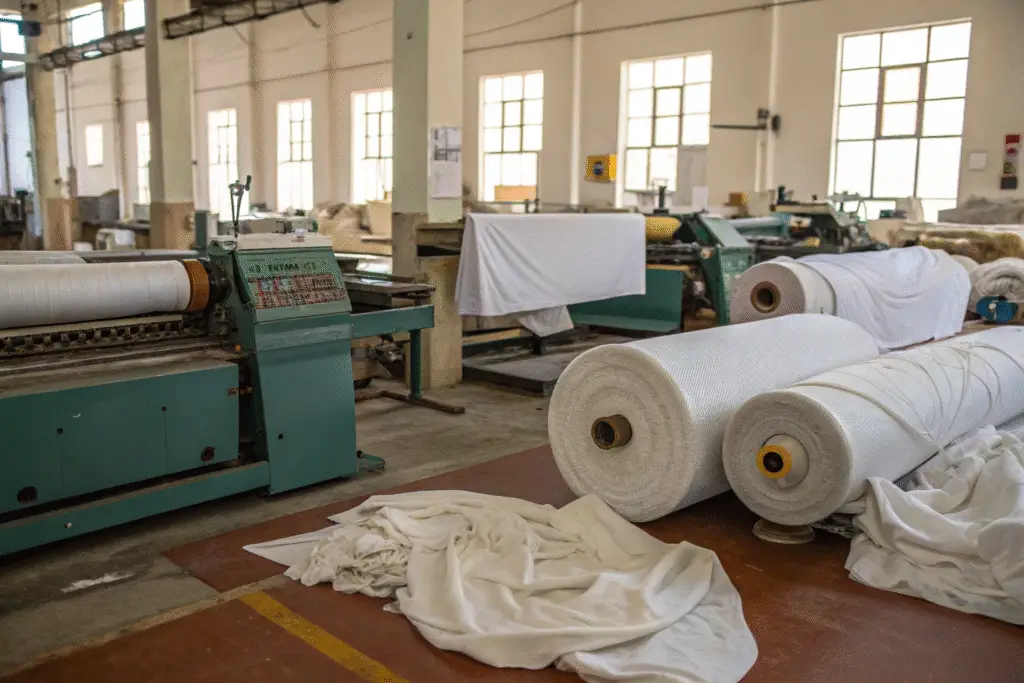
Capsule collections demand precision in fabric selection, often using premium or uncommon textiles. But these materials aren’t always available in small lots or with short lead times.
Fabric procurement for capsule lines is challenging due to low volume requirements, lead time pressures, and limited supplier flexibility.
Why is sourcing small quantities so difficult?
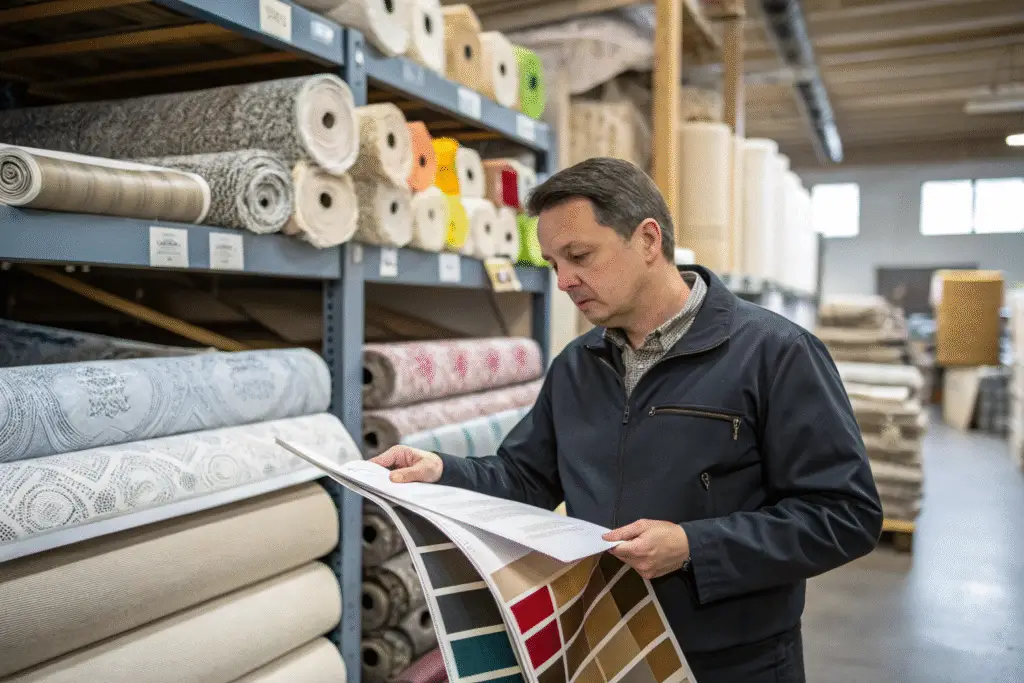
Many mills set their minimum order quantities (MOQs) high—300 to 1000 yards per color. Capsule brands may only need 100 yards. In such cases, we either pay a premium, overbuy, or negotiate shared orders across clients.
The risk of overstocked dead fabric is real. We maintain relationships with stock fabric vendors in China and India who specialize in short-yardage supplies. But that often limits the brand’s creative freedom.
How do fabric lead times impact capsule timelines?
Most capsule collections follow tight seasonal launches. But fabric mills work on 45–60 day cycles. If your ideal fabric isn’t in stock, the timeline stretches. This affects sample approval, fitting, and final production—all delayed.
To solve this, we advise early fabric lock-in, even before sketches are finalized. Swatch libraries from previous seasons also help speed up material decisions, especially when brands prioritize function over trend.
Why Are Fit and Style Iterations More Demanding in Capsules?
Capsule designs are often versatile and elevated. That means each garment must perform across multiple use cases—layering, mixing, day-to-night styling. As a result, achieving perfect fit and balance becomes more complex than in mass fashion.
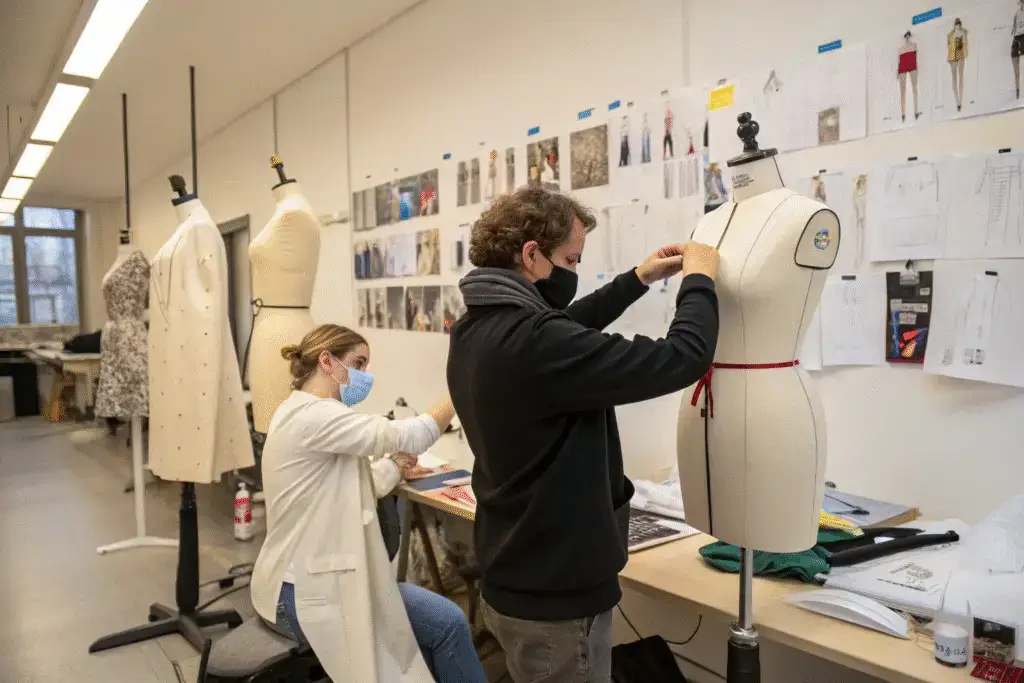
Capsule garments require more precise fit engineering, leading to more sampling rounds, delays, and production recalibration.
Why does each capsule item need extra sampling?
Each piece in a capsule is supposed to stand alone and work with others. This dual purpose increases the need for fitting iterations. A blouse must look good tucked and untucked. A jacket must layer over both slim and wide silhouettes.
Every extra revision costs time and money. Many of our clients don’t account for the number of sample rounds needed in this model. It’s not uncommon to go through four or five rounds before bulk approval.
How does fabric choice affect fit consistency?
Capsule brands often want one base silhouette in several fabrics—say, cotton poplin and Tencel. But these materials behave differently when cut, sewn, and worn. That means each variation needs separate pattern adjustments.
We use 3D fit simulation tools to preview how garments perform across fabrics. It doesn’t replace human wear testing, but it cuts sampling time. Still, clients must prepare for parallel pattern development when fabric changes.
What Production Planning Issues Arise in Capsules?
Because capsule launches are fast and frequent, production planning becomes a puzzle. Each capsule may have fewer styles, but they often run on overlapping timelines, pressuring factories to multitask across development and delivery.
Capsule collections make production planning more complex due to multiple overlapping mini-launches, tight turnarounds, and resource juggling.

How do overlapping timelines strain production?
Instead of two big seasons (Spring/Summer, Fall/Winter), capsule brands may launch monthly. Each drop needs a sample cycle, materials, QA, and shipping coordination. This puts pressure on pattern makers, line leaders, and logistics teams to multitask continuously.
To manage this, we use a rolling production schedule aligned with capsule calendars. But even the best plan suffers when a fabric shipment delays or when a client changes colors last minute.
Why is it harder to allocate factory resources?
Capsule collections don't allow batching efficiencies. One capsule may need printing. Another may need embroidery or seam-taping. These differences pull resources in different directions and reduce line stability.
We combat this by maintaining in-house flexibility across five production lines. However, for brands that don’t commit to consistent calendars, frequent rescheduling results in capacity underutilization, driving up cost.
Conclusion
Capsule collections promise beauty and sustainability—but the path to produce them is full of hurdles. Low MOQs challenge our capacity planning. Specialized fabrics stretch our sourcing timelines. Perfect fit demands more iteration than expected. And overlapping launches exhaust resources. Yet, for those willing to collaborate closely, plan ahead, and build systems, capsule collections become not just viable—but profitable. At Fumao, we've helped U.S. brands scale capsule strategies by turning these challenges into operational strengths.