Growing bodies don’t follow fashion schedules. They change fast—and brands that ignore this risk losing trust and sales.
Capsule collections for kids and maternity should stretch, shift, and stay useful—through size jumps, trimester turns, and all the mess in between.
As a manufacturer working with global apparel brands, I’ve seen how a smart capsule line simplifies life for parents and moms-to-be. The logic stays the same—but the pieces need to flex in every sense.
What Core Pieces Work Best for Growing Bodies?
Rapid growth is the rule—not the exception—when designing for children or expecting mothers. That’s why every core piece needs to adapt, not resist.
The best capsule items for growing bodies are soft, adjustable, and wearable across multiple sizes and months.
Which garments stay useful during constant size shifts?
For maternity capsules:
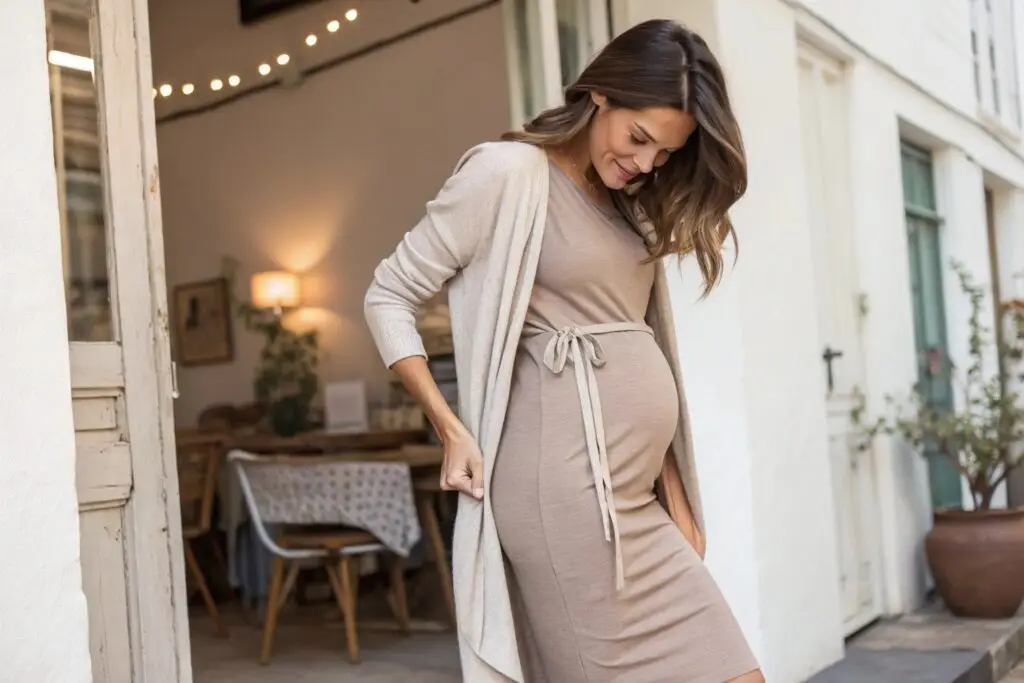
- Stretch wrap dresses that adjust as the belly grows
- Elastic waist joggers that sit comfortably through all trimesters
- Oversized button shirts that work open or closed, even for nursing
- Layering tanks with built-in bra or support zones
For kidswear capsules:
- Rompers with crotch snaps for easy diaper changes
- Stretch leggings that grow with leg length
- T-shirts with dropped shoulders that extend wear across sizes
- Jackets with rollable sleeves for long-lasting seasonal use
Here’s a side-by-side comparison:
| Audience | Core Capsule Item | Adaptability Feature |
|---|---|---|
| Maternity | Wrap dress | Expands at waist, adjusts neckline |
| Kids | Drop-shoulder tee | Extra room in chest and arm area |
| Maternity | Knit skirt with foldover waist | Covers bump or folds below it |
| Kids | Convertible overalls | Adjustable straps, cuffable hem |
We’re not just designing for size. We’re designing for transitions. And that requires forethought in every seam.
How to Design Capsules with Comfort and Flexibility
Comfort isn’t a luxury in maternity and kidswear—it’s a requirement. Capsules in these categories must stretch, breathe, and never bind.
A comfortable, flexible design ensures garments remain wearable longer and become daily go-tos for growing or expecting users.
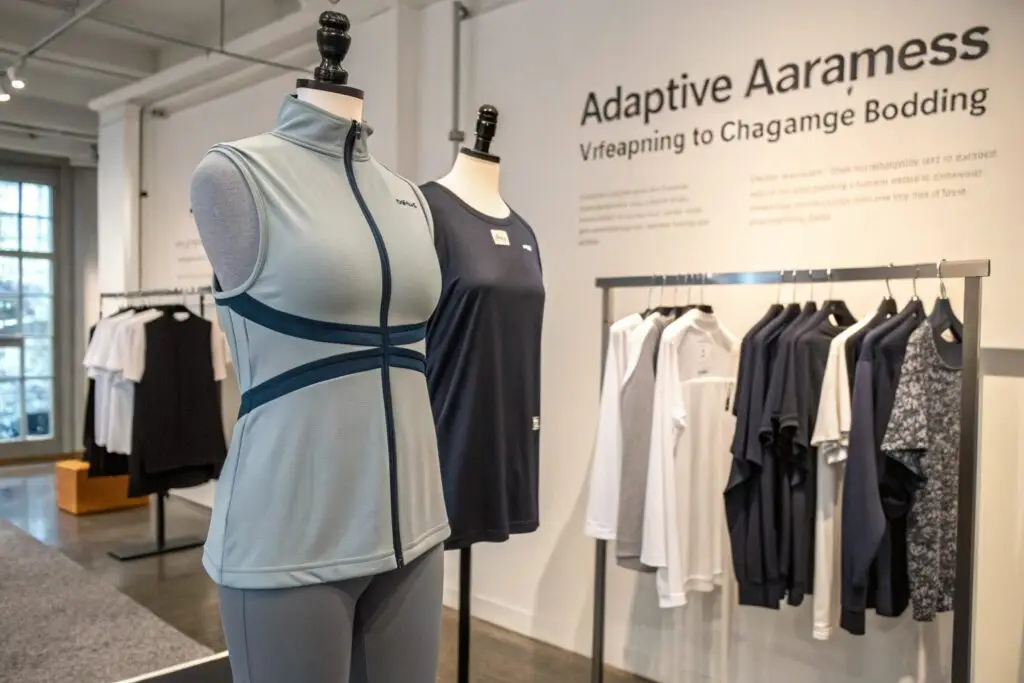
What makes capsule pieces feel “just right” to wear?
I always advise clients to focus on three design factors:
-
- Soft jerseys, ribbed cotton, spandex blends
- Breathable knits for heat regulation
-
- Flatlock seams to avoid skin irritation
- Tagless labels or printed labels for comfort
-
- Slightly oversized silhouettes
- Stretch panels at pressure points (waist, side seams, bust)
For both maternity and children, consider the following design priorities:
| Design Feature | Kidswear Benefit | Maternitywear Benefit |
|---|---|---|
| High-stretch fabrics | Accommodates play, crawling, growth | Expands comfortably with body changes |
| No hard closures | Easier dressing for infants/toddlers | Avoids pressure on belly or bust |
| Reversible styles | Dual-use expands perceived value | Versatility for different occasions |
| Light layering ability | Weather-adjustable capsule combos | Breathability for temperature swings |
Comfort and flexibility also reduce return rates. When customers feel confident that the clothes will grow with them—or their kids—they buy more with fewer hesitations.
Balancing Style, Practicality, and Rapid Size Changes
Maternity and children’s fashion don’t need to sacrifice style for function. But it’s all about balance. No one wants disposable fashion—or clumsy “practical” gear that looks outdated fast.
Good capsule design blends clean, modern aesthetics with features that support growth, play, pregnancy, and parenting.
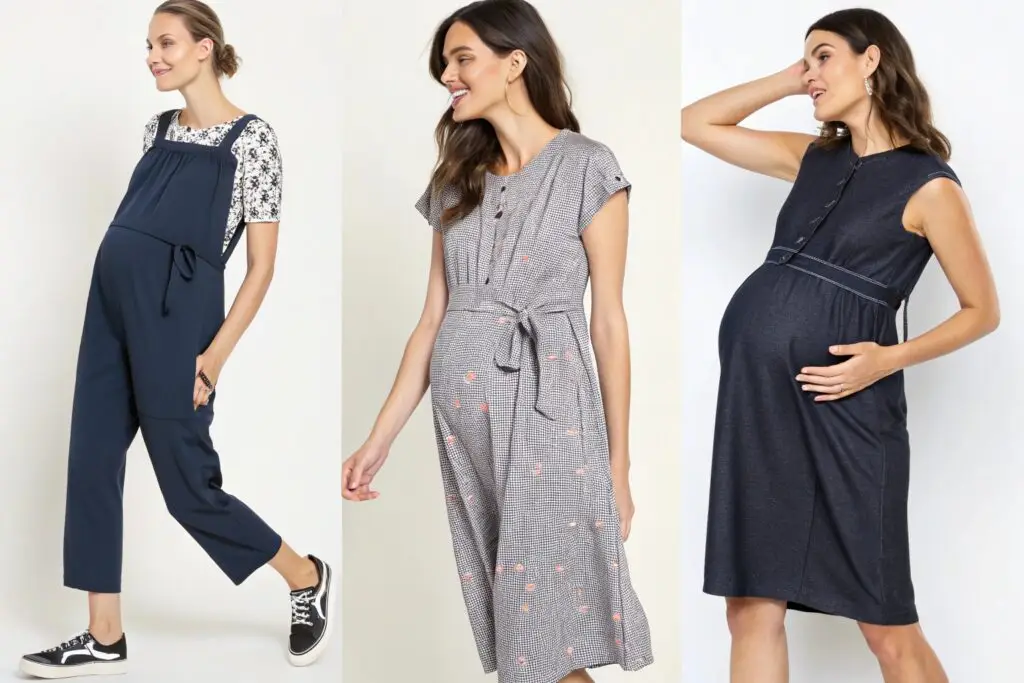
How do you make garments look sharp while staying practical?
The key is minimalism with intention. Think modern necklines, subtle prints, and easy layering. Here’s how we approach it:
- Color palettes: Stick to 3–5 complementary tones across the drop. Avoid overly kiddish or gendered colors.
- Simple silhouettes: Choose shapes that flatter multiple body stages or allow unisex appeal.
- Practical details: Hidden snaps, soft zippers, pull-on waists—make parenting easier without adding bulk.
Let’s look at some real-world examples:
| Piece | Style Element | Practical Feature |
|---|---|---|
| Maternity tunic top | High-low hem, split sleeves | Nursing-friendly front pleats |
| Kids jumpsuit | Monotone chic with wood buttons | Shoulder snaps and crotch access |
| Maternity shirt dress | Vertical stripe pattern | Wrap tie waist, nursing access hidden placket |
| Unisex baby cardigan | Soft pastel color block | Reversible, easy front snaps |
Parents don’t want to choose between “cute” and “convenient.” You can give them both—in one capsule collection.
Can Capsule Logic Simplify Parenting and Packing?
Capsule wardrobes aren’t just about owning fewer items. For parents, they’re about owning the right items—those that work harder, mix better, and cause less stress.
A smart capsule layout cuts decision fatigue, reduces packing time, and gives parents predictability during unpredictable stages.
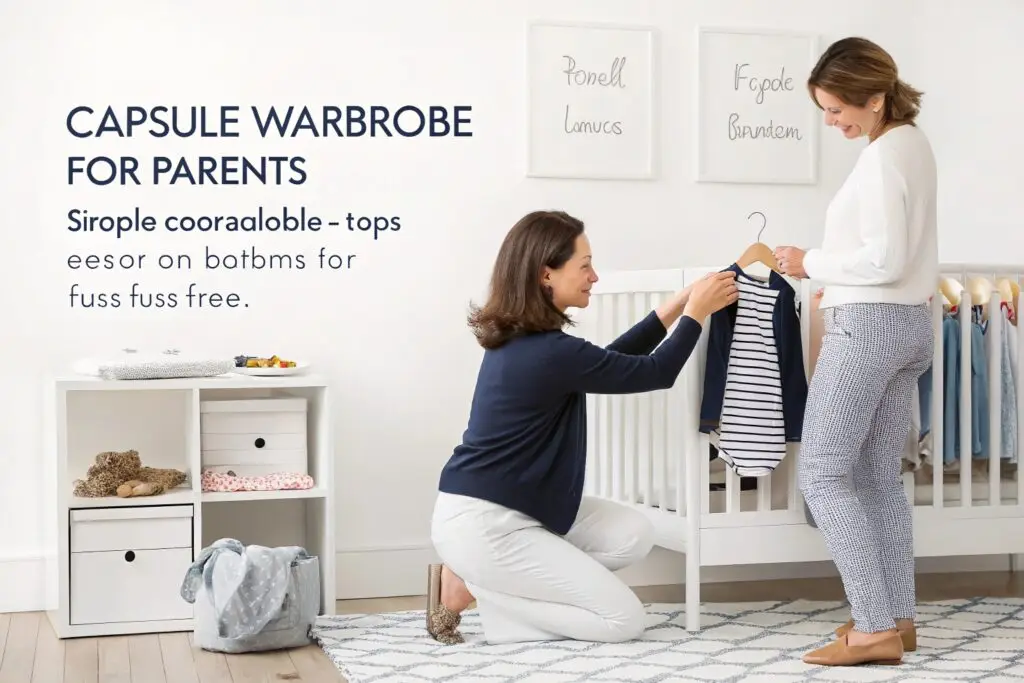
What are the real-life benefits for families?
-
Packing light for trips
A 10-piece capsule = 30 outfit combos. That’s a full week of clothing in a small bag. -
Faster dressing
When all tops match all bottoms, toddlers and pregnant moms waste less time choosing. -
Easier laundry rotation
Fewer items means less sorting. And if you use neutral tones, stains are easier to hide. -
More intentional shopping
Capsule logic prevents overbuying in the wrong size or style.
Let’s illustrate with a quick toddler capsule:
| Item | Quantity | Mix Potential |
|---|---|---|
| Basic cotton tees | 3 | 3 tops |
| Stretch leggings | 2 | 2 bottoms |
| All-weather jacket | 1 | outer layer |
| Hoodie with zipper | 1 | outer layer |
| Jumpsuit | 1 | one-piece style |
| Elastic shorts | 2 | 2 bottoms |
That’s just 10 pieces—but over 15 combinations. The same applies to maternitywear when planned smartly.
Capsule planning isn’t just a design tool. For your customers, it becomes a daily relief. And that emotional impact is what drives brand loyalty in these segments.
Conclusion
Capsule collections work for growing bodies and growing families—when designed with stretch, style, and smarts. When your pieces adapt to life’s real changes, your brand becomes part of those lives for the long haul.