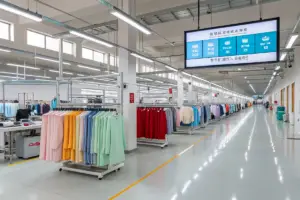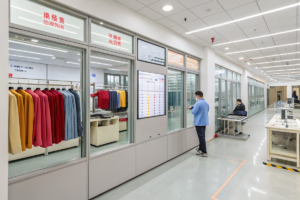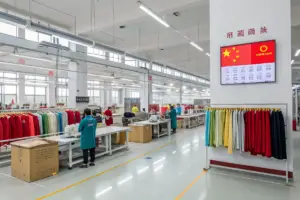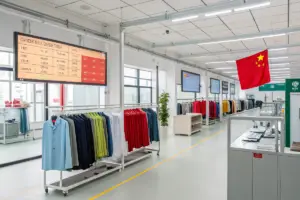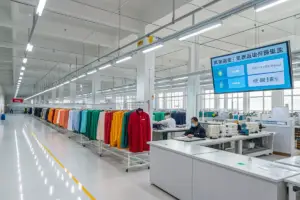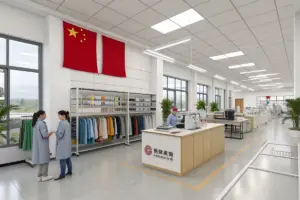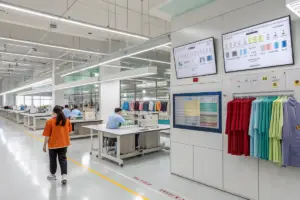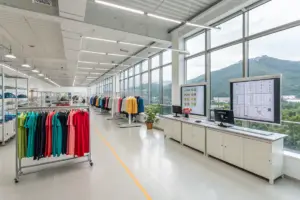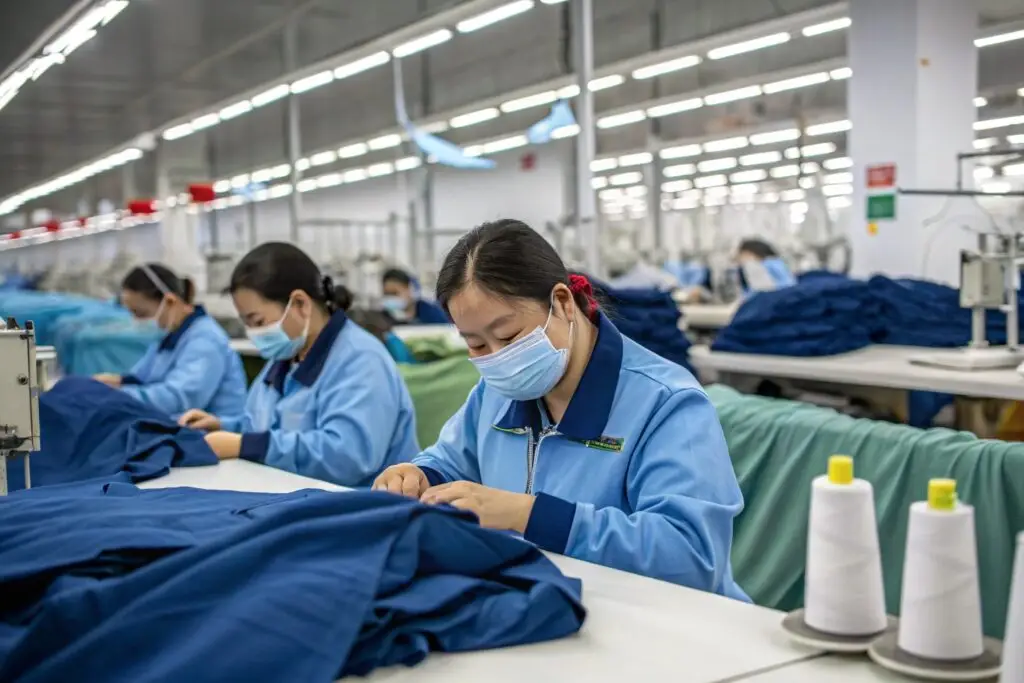
Behind every well-fitting shirt or durable jacket is a manufacturing partner who made it possible. Quality doesn’t happen by chance—it’s built, tested, and refined every step of the way.
Clothing manufacturers maintain top quality by following strict quality control standards, using skilled labor, inspecting materials, and improving production processes from fabric to final finish.
Let’s explore how apparel manufacturers protect your brand’s reputation by making sure every garment meets your expectations.
What is quality control in apparel industry?
Quality control is the backbone of every reliable clothing factory. It ensures that every piece meets the design spec, fits well, and holds up after use.
In the apparel industry, quality control refers to the process of checking garments for defects, accuracy, and performance—before, during, and after production.
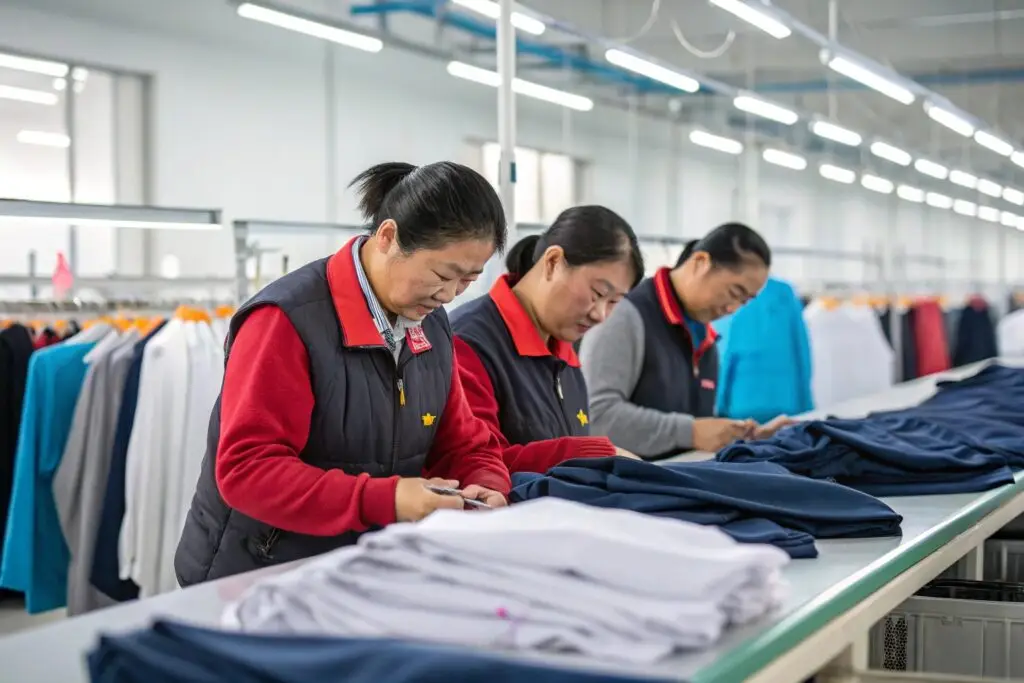
Key stages of quality control1
| Stage | Focus Area |
|---|---|
| Pre-production | Fabric inspection, shrinkage tests |
| In-line inspection | Stitching accuracy, seam placement |
| End-of-line QC | Fit checks, loose threads, stains |
| Final inspection | Packing, labeling, measurements |
I’ve worked with factories that perform up to 5 separate inspections before a garment is approved. That’s how they catch issues early and prevent returns.
Common apparel QC checks2
- Seam strength and consistency
- Symmetry between left/right sides
- Colorfastness and print durability
- Fit measurements by size
- Clean finishing—no skipped stitches or fraying
Good factories will also document their QC process and provide defect reports3 to clients.
What is the manufacturer’s role in the fashion industry?
Fashion brands create the vision. Manufacturers bring it to life—stitch by stitch, seam by seam.
Manufacturers in the fashion industry are responsible for transforming design ideas into finished garments through pattern making, sourcing, cutting, sewing, and packaging.
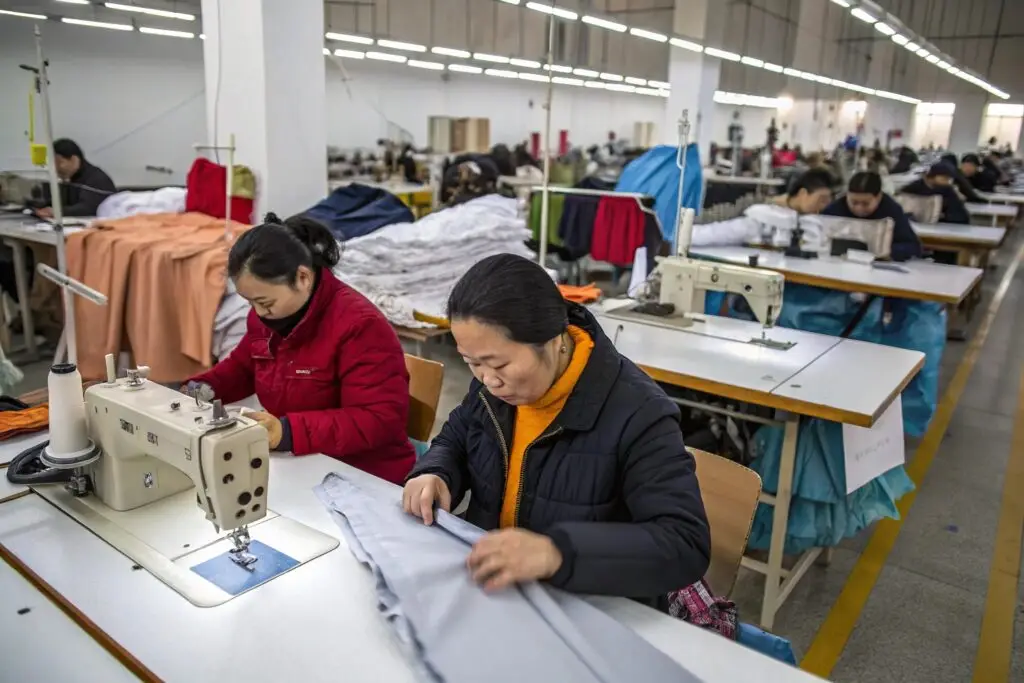
What manufacturers actually do
- Interpret tech packs or samples
- Source and test fabrics or trims
- Create production patterns and size grading4
- Cut fabrics with precision
- Sew garments according to quality standards
- Apply branding, tags, packaging
- Manage timelines and logistics for bulk orders
| Role in Production | Details |
|---|---|
| Sample development | Helps refine fit and function |
| Material sourcing | Balances cost, availability, and quality |
| Production management | Organizes labor, timelines, and tracking |
| Final inspection & delivery | Ensures readiness for shipping |
The best manufacturers also offer feedback on construction5 and suggest ways to improve garment quality during development.
Why the role matters
A strong manufacturer protects your brand reputation. They help prevent late deliveries, product recalls, and quality complaints—while saving money through smarter production planning.
What determines the quality of clothing?
What separates a $10 t-shirt from a $50 one? Quality goes far beyond looks—it comes down to construction, materials, and consistency.
The quality of clothing is determined by the fabric, fit, construction techniques, stitch count, finishing details, and consistency across the production run.
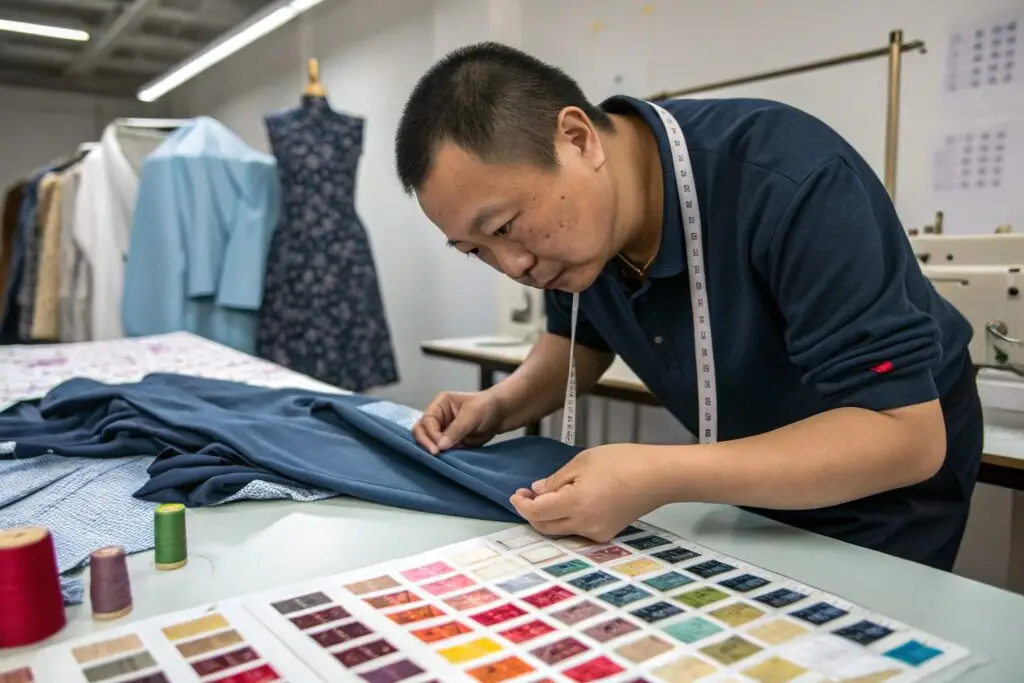
Main factors that impact garment quality
| Quality Factor | What It Means |
|---|---|
| Fabric type6 | Impacts softness, drape, durability |
| Stitch per inch (SPI)7 | More stitches = stronger seams |
| Pattern accuracy8 | Ensures consistent shape and sizing |
| Finishing work | Clean hems, secure labels, no loose threads |
| Shrinkage or wash tests | Maintains fit and color over time |
I’ve seen brands triple their customer retention just by upgrading fabric and tightening their stitching specs. People notice—even if they don’t always know why.
Other overlooked quality indicators
- Lining and reinforcement in key areas
- Label placement and clarity
- Tension of seams and stretch areas
- Ease of movement during wear
Great quality is invisible when done right—but very noticeable when it’s missing.
What is the main purpose of an apparel manufacturing industry?
Why do manufacturers matter so much in the fashion ecosystem? Because without them, creativity stays on paper.
The main purpose of the apparel manufacturing industry is to efficiently convert fashion designs into wearable, sellable garments while maintaining quality, scale, and affordability.
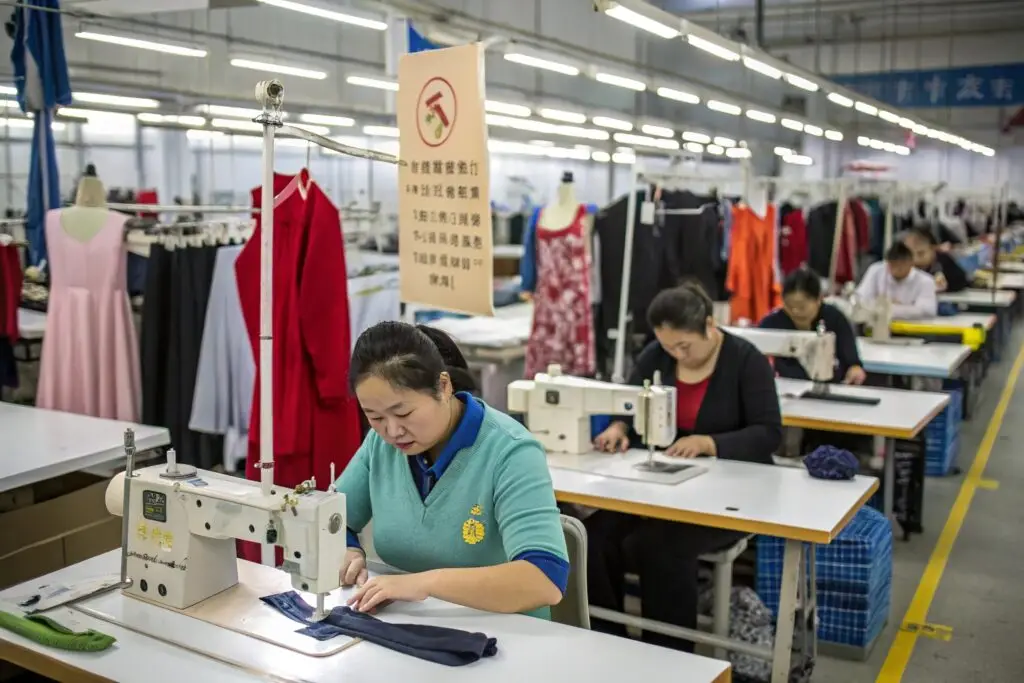
What the industry supports
- Fashion innovation9 – Turning concepts into tangible clothing
- Global trade10 – Supplying goods across continents
- Job creation11 – Employing millions worldwide
- Brand growth – Helping designers scale from 1 to 100,000 pieces
- Technical expertise – Advising on fit, fabric behavior, cost savings
| Industry Function | Outcome |
|---|---|
| Production at scale | Fulfills brand and market demand |
| Quality management | Reduces defects and returns |
| Price optimization | Keeps product margins sustainable |
| Supply chain integration | Connects brands to sourcing |
I’ve helped brands go from sewing 50 pieces at home to managing 5,000-piece monthly orders—thanks to a factory that understood not just how to sew, but how to grow with them.
The big picture
Manufacturers make the fashion business possible. They help turn design into reality, dreams into products, and ideas into something people can wear.
Conclusion
Behind every great brand is a great manufacturer. From raw fabric to finished garments, quality comes from systems, people, and care. Choosing the right factory means protecting your brand and delivering clothing that looks good, feels great, and lasts long.
-
Understanding best practices in quality control can help improve garment quality and reduce returns, ensuring customer satisfaction. ↩
-
Exploring common QC checks can provide insights into maintaining high standards in garment production, essential for any apparel business. ↩
-
Learning about the significance of defect reports can enhance your understanding of quality assurance and improve production efficiency. ↩
-
Exploring this topic reveals how precise patterns and grading can lead to better fitting garments and customer satisfaction. ↩
-
Understanding feedback on construction can enhance garment quality and production efficiency, making it essential for manufacturers and brands alike. ↩
-
Understanding fabric types can help you choose better clothing that lasts longer and feels great. ↩
-
Learn how SPI influences the strength of seams, ensuring your clothes withstand wear and tear. ↩
-
Discover how pattern accuracy ensures consistent sizing and shape, leading to better fitting clothes. ↩
-
Explore this link to discover cutting-edge advancements in fashion that are shaping the industry and influencing consumer choices. ↩
-
Understanding global trade’s role in fashion can provide insights into market dynamics and sourcing strategies that affect brands worldwide. ↩
-
Learn about the significant employment opportunities generated by the fashion industry and its influence on economies around the world. ↩