Despite all the tech, apps, and “smart” shopping tools, buying clothes in 2025 still leaves many of us frustrated, overwhelmed, and unsure of our choices.
Buying clothes is stressful in 2025 because of decision fatigue, over-saturation of options, confusing sizing, sustainability guilt, and rising concerns about value versus quality.
Even with AI suggestions and free returns, many shoppers still feel anxious, rushed, or regretful after making a purchase. Let’s break down why.
Why is clothes shopping so stressful?
Shopping for clothes should be fun, right? But for many people, it’s an exhausting task that ends with disappointment instead of satisfaction.
Clothes shopping is stressful because of inconsistent sizing, overwhelming choices, unclear product quality, social pressure, and the constant push to “buy now.”
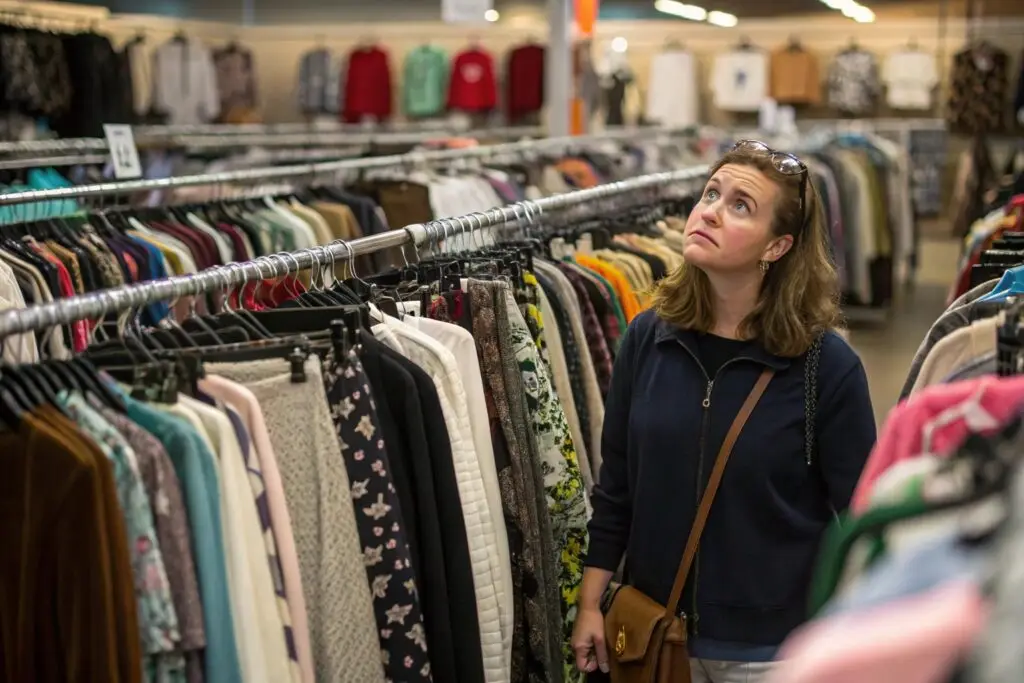
What are the biggest causes of shopping anxiety?
Here’s what makes the process so mentally draining:
- Sizing chaos1: One brand’s M is another’s XS.
- Option overload2: Too many styles, not enough guidance.
- Time pressure: Limited drops, flash sales, countdown timers.
- Sustainability guilt3: Ethical concerns vs. budget limits.
- Fear of regret: Will I actually wear this?
| Stress Trigger | Why It Happens |
|---|---|
| Inconsistent sizing | No universal chart across brands |
| Endless options | Thousands of SKUs per store |
| Aggressive marketing | Urgency tactics, trend cycles |
| Poor quality | Fast fashion disguised as luxury |
| Return fatigue | Hassle of shipping, refund delays |
I remember trying to find a black hoodie for fall—after 3 hours of scrolling and 8 open tabs, I still couldn’t decide. Everything looked similar, but none felt right. I gave up. That’s how modern shopping fatigue works.
How does digital shopping make it worse?
We thought online shopping would make things easier. But it added new problems:
- Infinite scrolling with no filters that actually help
- AI recommendations that push trends, not personal style
- Poor product photos that hide fit or fabric issues
- Fake reviews that don’t reflect real experiences
All of this creates stress. Not because clothes aren’t available, but because we don’t trust what we’re seeing.
Why no buy 2025?
There’s a quiet shift happening in consumer culture—and you might’ve felt it.
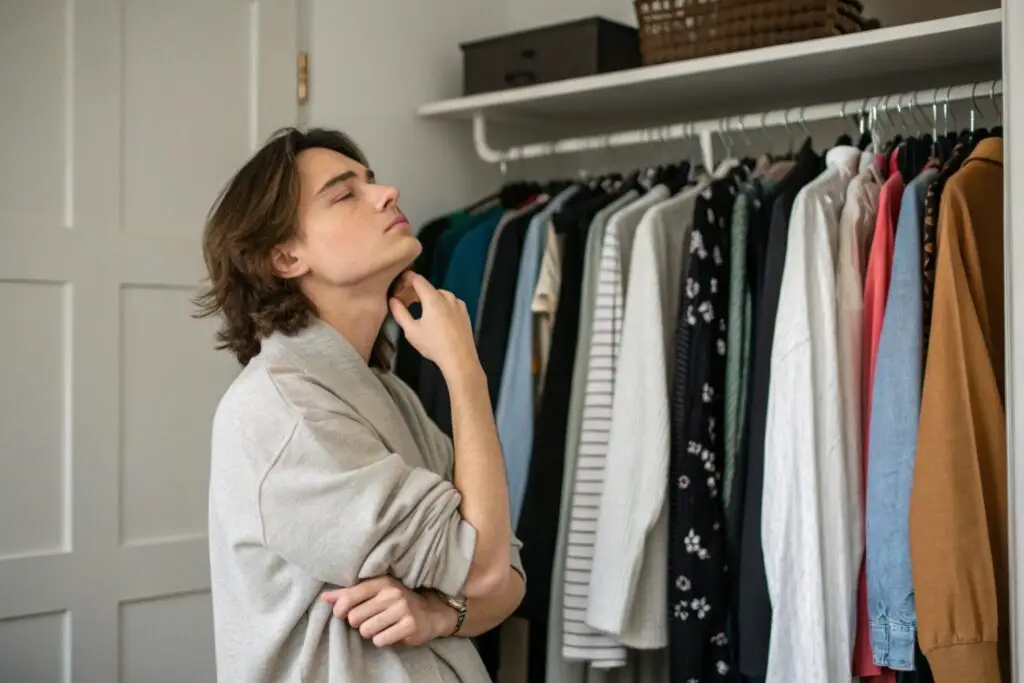
“No Buy 2025” is a growing trend where individuals pledge to stop or significantly reduce clothing purchases in favor of mindful consumption, rewearing, or thrifting.
What is behind this movement?
The no-buy movement4 gained traction after years of overconsumption and fast fashion fatigue. In 2025, more people feel:
- Tired of clutter and regretful purchases
- Frustrated by poor garment quality
- Concerned about the environment
- Overwhelmed by trends that change too quickly
- Disconnected from personal style
Instead of buying, people are:
- Rewearing what they own
- Repairing damaged clothes
- Thrifting or swapping with friends
- Learning to appreciate slow fashion5
| Reason to Pause Buying | Emotional Impact |
|---|---|
| Wardrobe overload | Decision fatigue |
| Sustainability | Eco-anxiety |
| Budget stress | Financial insecurity |
| Style confusion | Lack of identity |
I joined a “no buy month” challenge last winter. What started as a reset turned into a re-evaluation of my entire closet. I realized I wore 15% of what I owned—and didn’t love most of it.
How are brands reacting to this?
Some fashion labels now embrace:
- Rental models for events and office wear
- Buy-back programs and resale platforms
- Durability guarantees to fight fast fashion
- Fewer drops and seasonless collections
But many still chase short-term sales, pushing “new arrivals” weekly. This tension adds to buyer stress—caught between wanting to support good brands and feeling manipulated by marketing.
What is the no spending in 2025?
It’s not just fashion—2025 is seeing a broader anti-consumption trend.
The “no spending” mindset in 2025 reflects a global movement of mindful minimalism, where people intentionally reduce shopping habits to regain control over time, space, and money.

Why are people spending less?
Between rising living costs, digital burnout, and growing awareness about waste, more people are asking: Do I really need this?
Top reasons include:
- Inflation and financial pressure6
- Desire for fewer, better things
- Climate anxiety and waste awareness7
- Mental burnout from ads and sales
- Return to personal values
| Spending Shift | Underlying Emotion |
|---|---|
| Buy less, choose well | Simplicity, calm |
| Delay purchases | Intentionality |
| Avoid impulse buys | Self-trust, discipline |
| Track consumption | Awareness, purpose |
People aren’t just spending less—they’re trying to feel better. That’s why 2025’s most successful brands are the ones that sell more meaning, not just more stuff.
How does this affect clothing brands?
You can’t just sell fashion—you need to sell clarity. Buyers want:
- Transparency
- Long-lasting quality
- Style that transcends trends
- Emotional connection8
As a brand owner, I’ve shifted our messaging from “new collection” to “wear it for years.” And we’ve seen our return rate drop—and customer loyalty rise.
Why do clothes feel so cheap now?
Even expensive clothes sometimes disappoint. Why does everything feel thinner, flimsier, and less built to last?
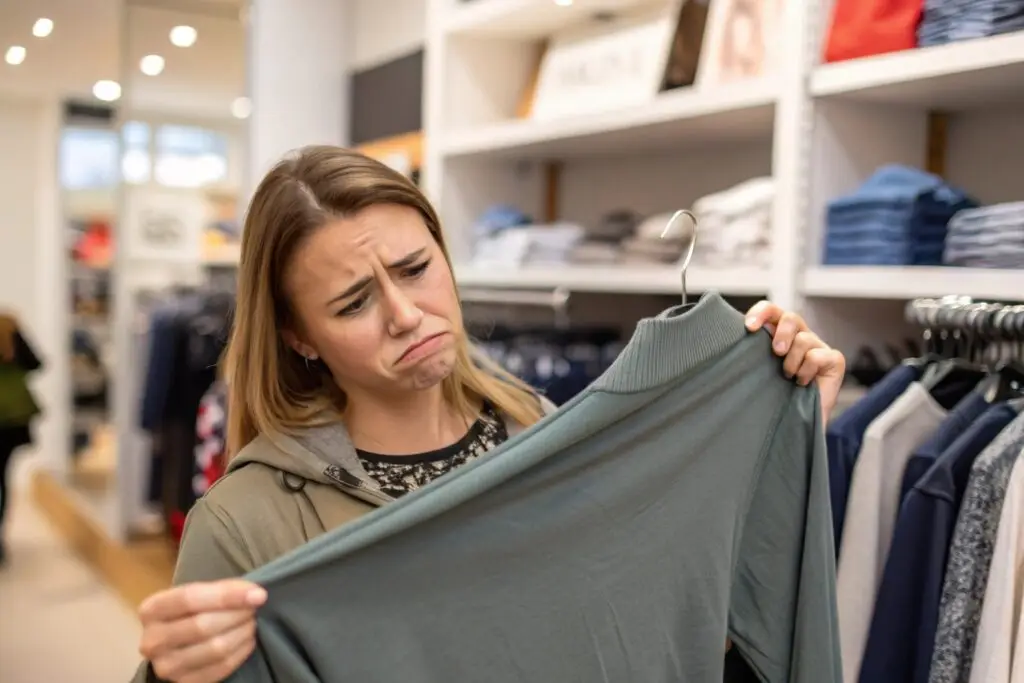
Clothes feel cheap now because many brands prioritize cost-cutting, speed, and margin over quality, using lower-grade fabrics, faster sewing, and mass production shortcuts.
What’s changed in garment quality9?
Over the last decade, here’s what happened:
- Fabrics shifted from cotton to cheaper synthetics
- Seams got shorter, stitches got looser
- Dyes and finishes faded faster
- Labels removed sourcing details
| Then (2010) | Now (2025) |
|---|---|
| 220 GSM cotton tees | 160 GSM blends |
| Double-stitched seams | Single-stitch, glued hems |
| Lined jackets | Unlined or single-layer |
| Button reinforcement | Loose buttons, plastic |
It’s not just fast fashion, either. Even mid-tier brands are cutting corners to compete with ultra-low prices and fast turnaround expectations.
What can you do as a buyer?
- Learn to read fabric weight10 and fiber content
- Pay attention to seam construction11 and fit details
- Look for brands that talk about durability, not just style
- Wash and care for clothes properly to extend life
I’ve started buying fewer items, but spending more per piece—and I feel better every time I get dressed. That’s the shift happening in 2025: quality over quantity, comfort over chaos.
Conclusion
Buying clothes in 2025 is more complicated than ever—not because we don’t have options, but because we have too many, with too little clarity. From shifting values to confusing quality, the fashion world is changing fast—and it’s up to all of us to shop smarter, and feel better doing it.
-
Understanding sizing chaos can help you navigate online shopping better and make informed choices. ↩
-
Exploring option overload can reveal insights into how too many choices can lead to shopping anxiety. ↩
-
Learning about sustainability guilt can help you balance ethical concerns with your shopping habits. ↩
-
Explore the no-buy movement to understand its significance in promoting sustainable fashion and reducing overconsumption. ↩
-
Discover the principles of slow fashion and how it encourages mindful consumption and quality over quantity. ↩
-
Understanding the impact of inflation can help you navigate your finances better and make informed spending decisions. ↩
-
Exploring this topic can provide insights into sustainable practices and how to align your spending with your values. ↩
-
Discover how emotional branding can enhance customer loyalty and improve your brand's success in a competitive market. ↩
-
Understanding garment quality trends can help you make informed purchasing decisions and choose better clothing options. ↩
-
Learning about fabric weight can enhance your shopping experience and ensure you select durable and comfortable clothing. ↩
-
Exploring seam construction can reveal how it affects the longevity and fit of your garments, leading to smarter purchases. ↩