In the world of business, vertical integration is a strategy that allows companies to control multiple stages of their supply chain. But what exactly does it mean to be a vertically integrated company, and how does it impact operations? Let’s explore the concept, its benefits, and its applications in the fashion industry.
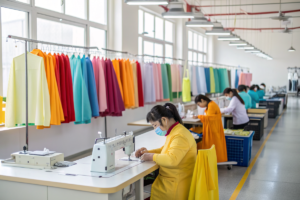
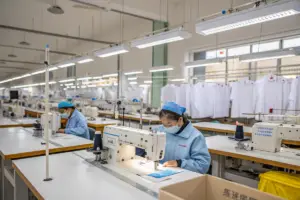
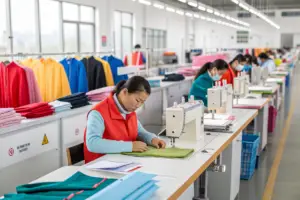
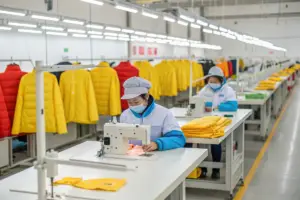
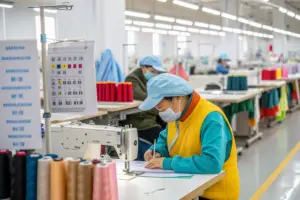
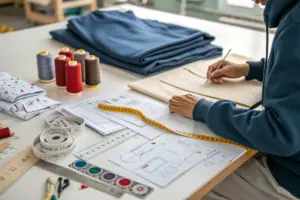
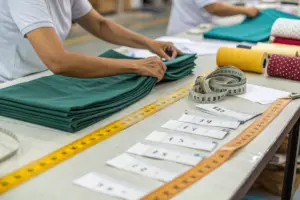
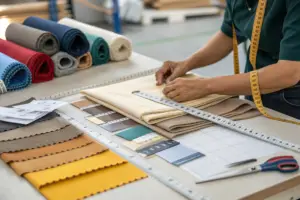
A vertically integrated company controls multiple stages of its supply chain, from production to distribution and retail. This approach improves efficiency, reduces costs, and ensures quality control. At Fumao Clothing, we recognize the value of vertical integration and incorporate its principles to deliver high-quality garments efficiently.
Now, let’s dive deeper into the key features of vertical integration, how it improves supply chain efficiency, and its pros and cons in the retail industry.
Key Features of a Vertically Integrated Company
Vertical integration involves controlling multiple stages of the supply chain, but what are its key features?
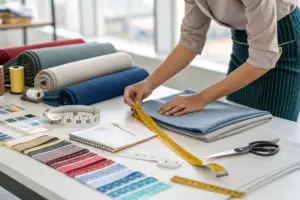
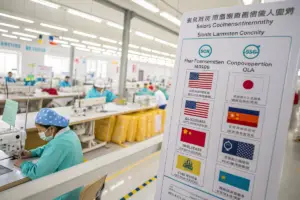
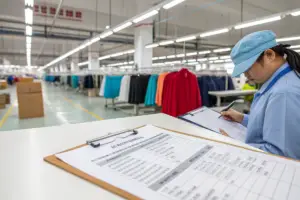
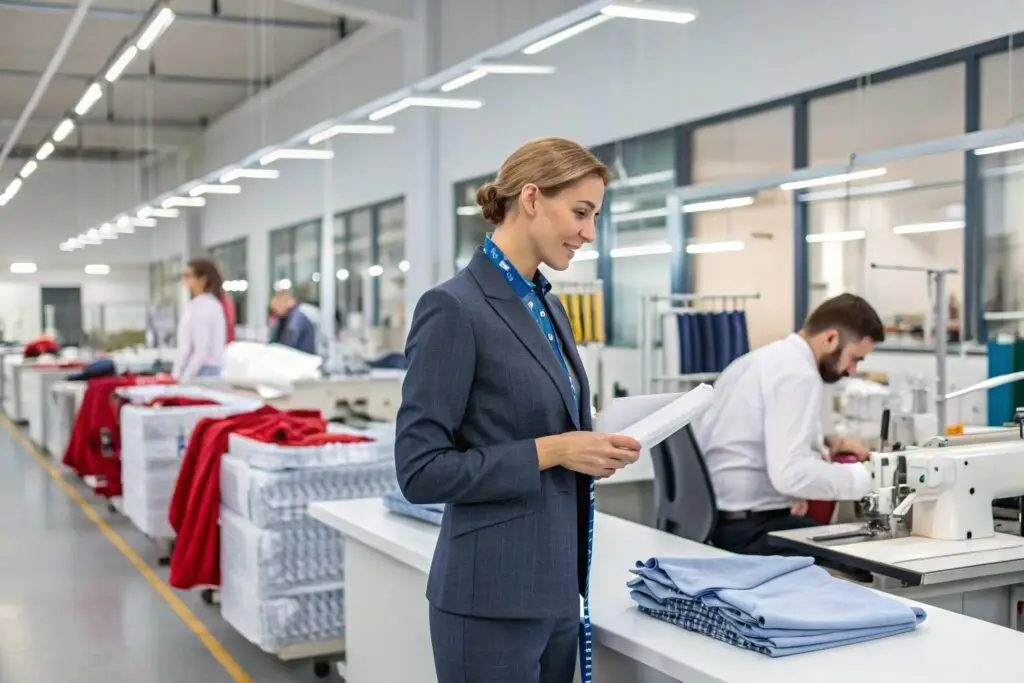
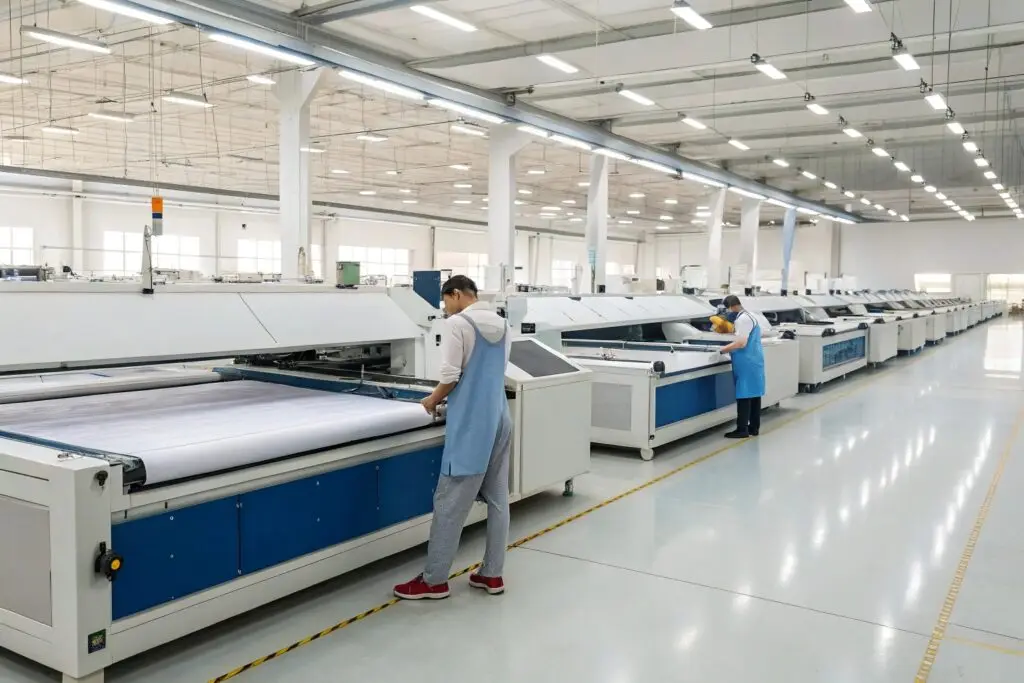
The key features of a vertically integrated company include ownership of production facilities, control over distribution channels, and direct retail operations. This allows the company to streamline processes, reduce costs, and maintain quality standards. Fumao Clothing adopts these principles to enhance our manufacturing and delivery processes.
What Are the Main Components of Vertical Integration?
The main components of vertical integration include:
- Production Control: Owning or controlling manufacturing facilities to ensure quality and efficiency.
- Distribution Management: Managing logistics and distribution channels to reduce lead times.
- Retail Operations: Operating owned stores or e-commerce platforms to control the customer experience.
By controlling these components, a company can achieve greater efficiency and profitability.
How Does Vertical Integration Benefit Companies?
Vertical integration benefits companies by:
- Reducing Costs: Eliminating middlemen lowers production and distribution costs.
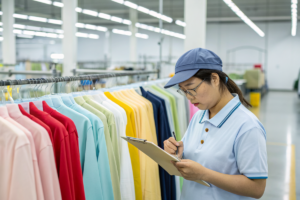
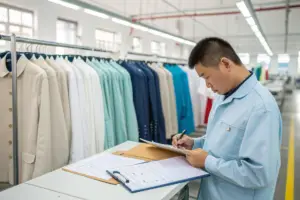
- Improving Quality: Direct oversight of production ensures high-quality products.
- Increasing Efficiency: Streamlined processes reduce lead times and improve responsiveness.
These benefits make vertical integration a powerful strategy for businesses.
How Vertical Integration Improves Supply Chain Efficiency
Vertical integration is known for improving supply chain efficiency, but how does it achieve this?
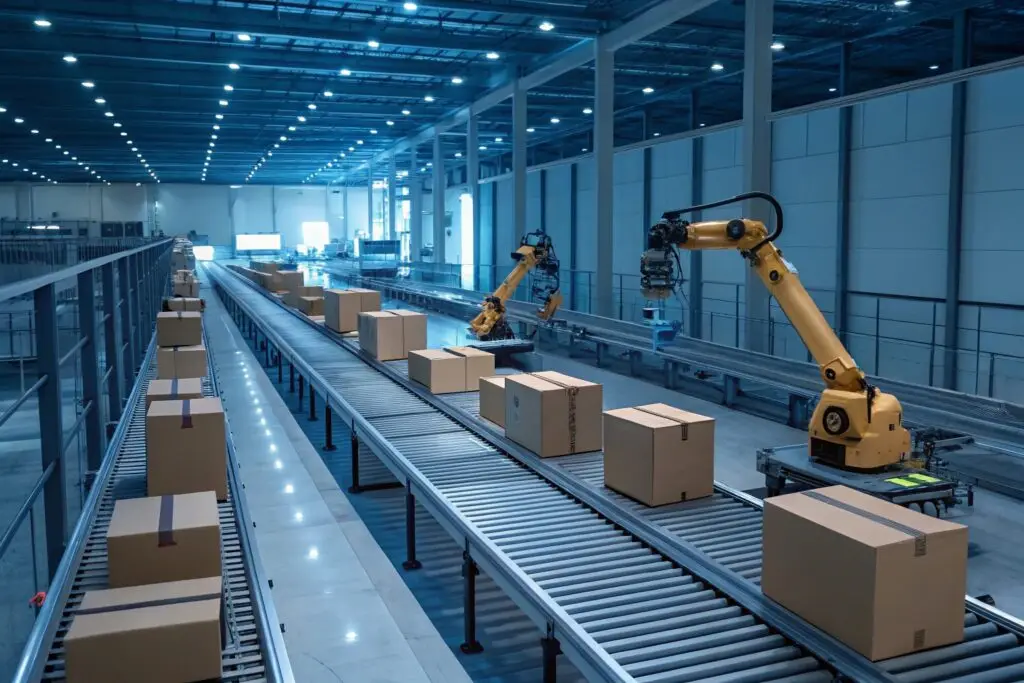
Vertical integration improves supply chain efficiency by eliminating intermediaries, streamlining processes, and enabling faster decision-making. By controlling multiple stages of the supply chain, companies can reduce lead times, lower costs, and respond quickly to market changes. Fumao Clothing leverages these advantages to deliver efficient and high-quality manufacturing solutions.
What Are the Key Efficiency Gains?
The key efficiency gains from vertical integration include:
- Faster Production: Direct control over manufacturing allows for quicker production cycles.
- Reduced Lead Times: Streamlined logistics and distribution reduce delivery times.
- Improved Coordination: Better communication and coordination between supply chain stages enhance overall efficiency.
By achieving these gains, companies can operate more effectively and meet customer demands faster.
How Does Vertical Integration Enhance Responsiveness?
Vertical integration enhances responsiveness by:
- Real-Time Adjustments: Companies can quickly adapt to changes in demand or market trends.
- Direct Feedback: Faster communication between production and retail allows for immediate improvements.
- Agility: Streamlined processes enable quicker decision-making and implementation.
These advantages make vertical integration a valuable strategy for staying competitive.
Examples of Vertically Integrated Fashion Brands
Many successful fashion brands use vertical integration to their advantage. Who are they, and how do they benefit from this model?
Examples of vertically integrated fashion brands include Zara, H&M, and Nike. These companies control multiple stages of their supply chains, from production to retail, allowing them to reduce costs, improve quality, and respond quickly to trends. Fumao Clothing draws inspiration from these leaders to enhance our operations.
How Does Zara Use Vertical Integration?
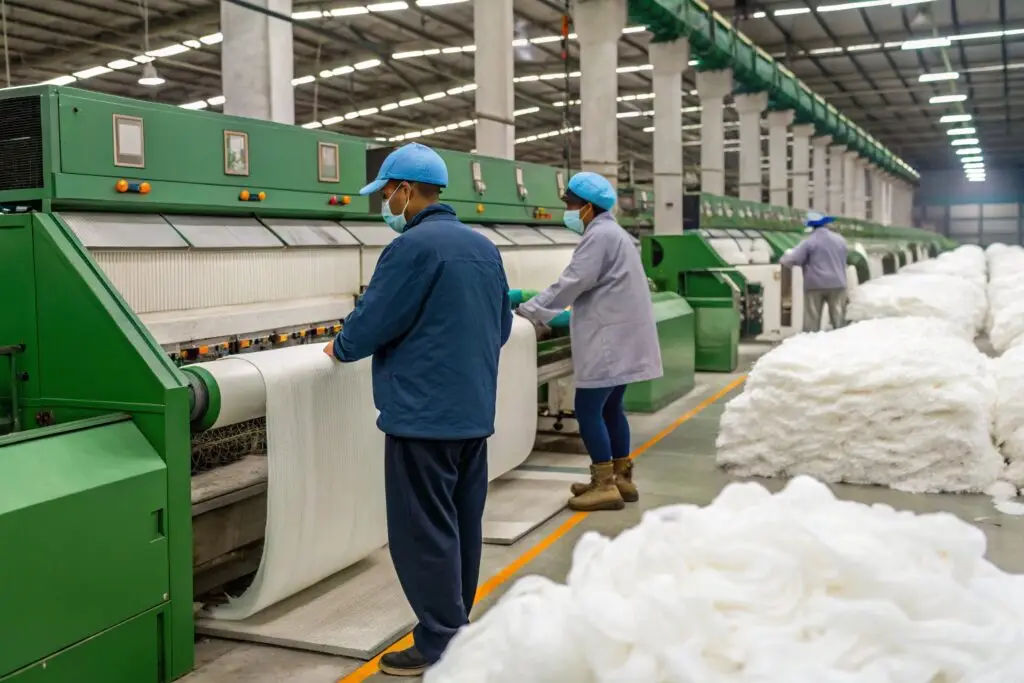
Zara’s vertical integration includes:
- In-House Design: Zara’s design team creates collections based on real-time market trends.
- Own Manufacturing: The company owns many of its factories, ensuring quality and efficiency.
- Retail Control: Zara operates its own stores, maintaining control over the customer experience.
This model allows Zara to bring new designs to market quickly and maintain high standards.
What Are the Benefits for H&M and Nike?
H&M and Nike also benefit from vertical integration by:
- Reducing Costs: Controlling production and distribution lowers expenses.
- Ensuring Quality: Direct oversight of manufacturing ensures high-quality products.
- Enhancing Flexibility: Quick adjustments to production and distribution meet changing demands.
These benefits make vertical integration a key factor in their success.
Pros and Cons of Vertical Integration in Retail
Vertical integration offers many advantages, but it also has its challenges. What are the pros and cons?
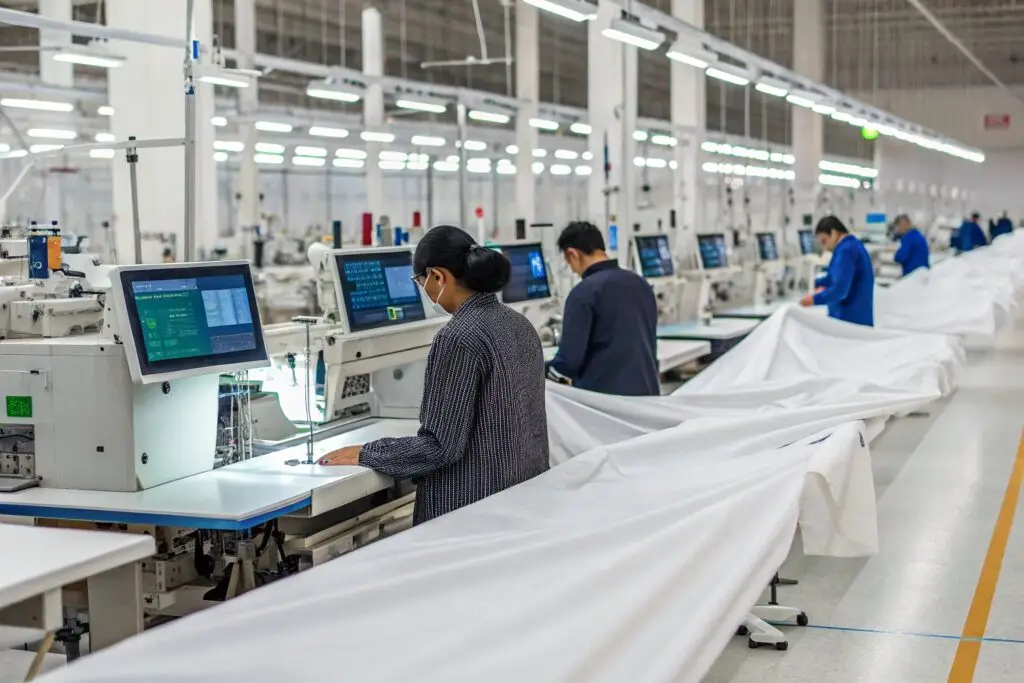
The pros of vertical integration in retail include cost reduction, quality control, and improved efficiency. However, the cons include high initial investment, increased complexity, and potential risks. Fumao Clothing carefully considers these factors to balance the benefits and challenges of vertical integration.
What Are the Pros of Vertical Integration?
The pros of vertical integration include:
- Cost Reduction: Eliminating intermediaries lowers production and distribution costs.
- Quality Control: Direct oversight of manufacturing ensures high-quality products.
- Efficiency: Streamlined processes reduce lead times and improve responsiveness.
These advantages make vertical integration a powerful strategy for retailers.
What Are the Cons of Vertical Integration?
The cons of vertical integration include:
- High Initial Investment: Owning and managing multiple stages of the supply chain requires significant capital.
- Increased Complexity: Managing diverse operations can be challenging and resource-intensive.
- Potential Risks: Dependence on internal operations can be risky if issues arise.
By understanding these challenges, companies can make informed decisions about vertical integration.
Conclusion
Vertical integration is a powerful strategy that allows companies to control multiple stages of their supply chain, improving efficiency, reducing costs, and ensuring quality. While it offers many benefits, it also comes with challenges that require careful consideration. Fumao Clothing draws inspiration from vertically integrated leaders like Zara and Nike to deliver high-quality, efficient manufacturing solutions. Contact us today to learn more about how we can help you achieve your business goals.