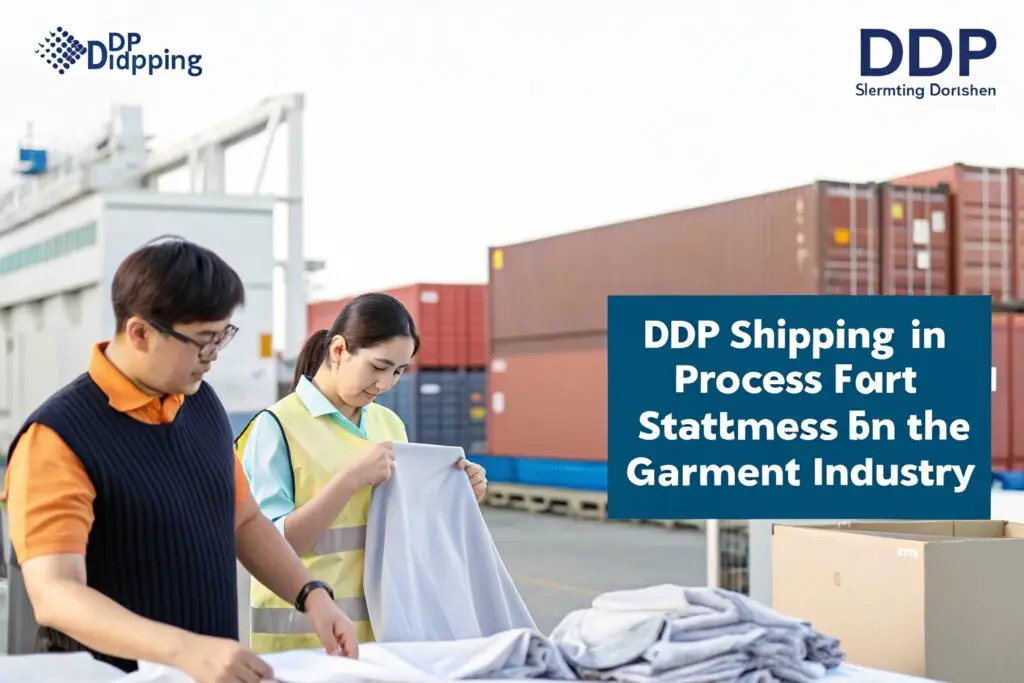
Are you concerned about how US tariffs might eat into your profits? With rising trade tensions, many businesses are looking for ways to minimize costs and maintain healthy margins. Let’s explore how DDP (Delivered Duty Paid) can be your solution.
DDP is a shipping method where the manufacturer handles all logistics, including customs clearance and tariffs. By choosing DDP, you can avoid unexpected costs, streamline your supply chain, and protect your profit margins. Fumao Clothing, a leading garment manufacturer, offers DDP services to help you navigate the complexities of international trade.
Now, let’s dive deeper into the impact of tariffs and how DDP can safeguard your business. From understanding protective tariffs to exploring their effects, this guide will help you make informed decisions.
How Do Protective Tariffs Protect the American Industry?
Protective tariffs are designed to shield domestic industries from foreign competition. But how do they work, and what are their implications for your business?
Protective tariffs are taxes imposed on imported goods to make them more expensive than locally produced items. This encourages consumers to buy domestic products, supporting local industries and jobs. However, for businesses importing goods, these tariffs can significantly increase costs.
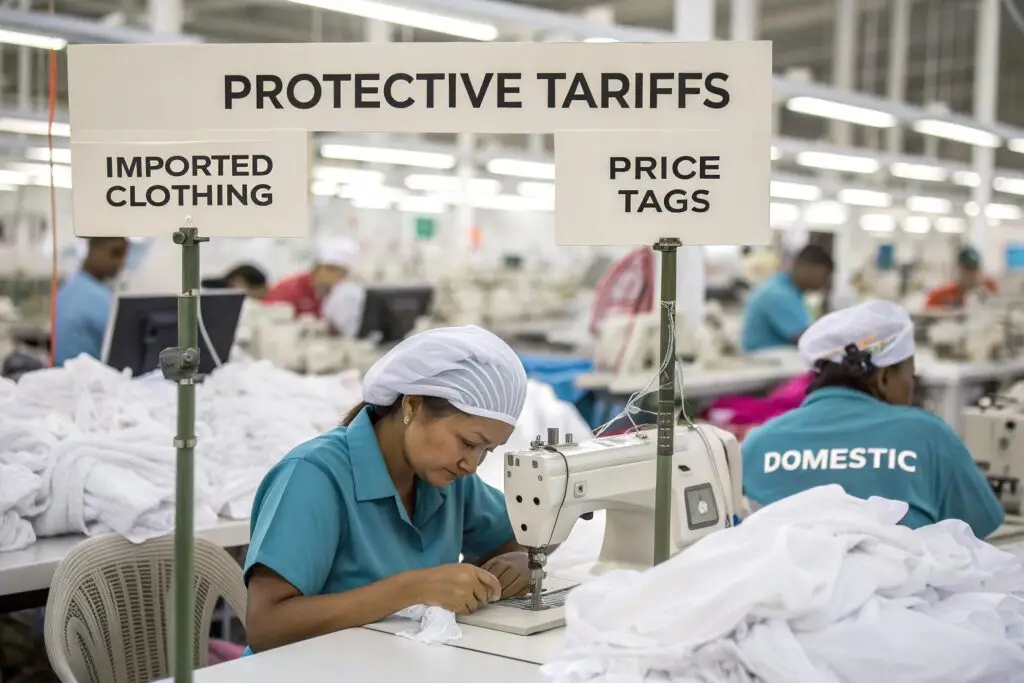
How Do Tariffs Impact Importers?
For importers, protective tariffs1 can lead to higher costs and reduced profit margins. Here’s how:
- Increased Costs: Tariffs add to the overall cost of imported goods, making them less competitive in the market.
- Supply Chain Disruptions2: Higher costs may force businesses to find new suppliers or adjust pricing strategies.
- Consumer Prices3: To maintain margins, businesses may pass on the additional costs to consumers, potentially reducing demand.
By understanding these impacts, you can better prepare for the challenges posed by protective tariffs.
What Are the Long-Term Effects of Protective Tariffs?
While protective tariffs aim to support domestic industries, they can have long-term consequences:
- Trade Wars4: Tariffs can lead to retaliatory measures from other countries, escalating trade tensions.
- Market Distortions5: They may create inefficiencies in the market by favoring less competitive domestic producers.
- Global Supply Chains: Businesses reliant on global supply chains may face increased complexity and costs.
Navigating these challenges requires strategic planning and reliable partners like Fumao Clothing, which offers DDP to mitigate tariff-related risks.
How Can I Avoid Paying Tariffs?
Tariffs can be a significant burden for businesses importing goods. But are there ways to avoid or minimize these costs?
One effective way to avoid paying tariffs is by using DDP (Delivered Duty Paid) shipping. With DDP, the manufacturer handles all customs duties and taxes, ensuring a hassle-free experience for you. Fumao Clothing’s DDP services help you avoid unexpected costs and maintain predictable pricing.
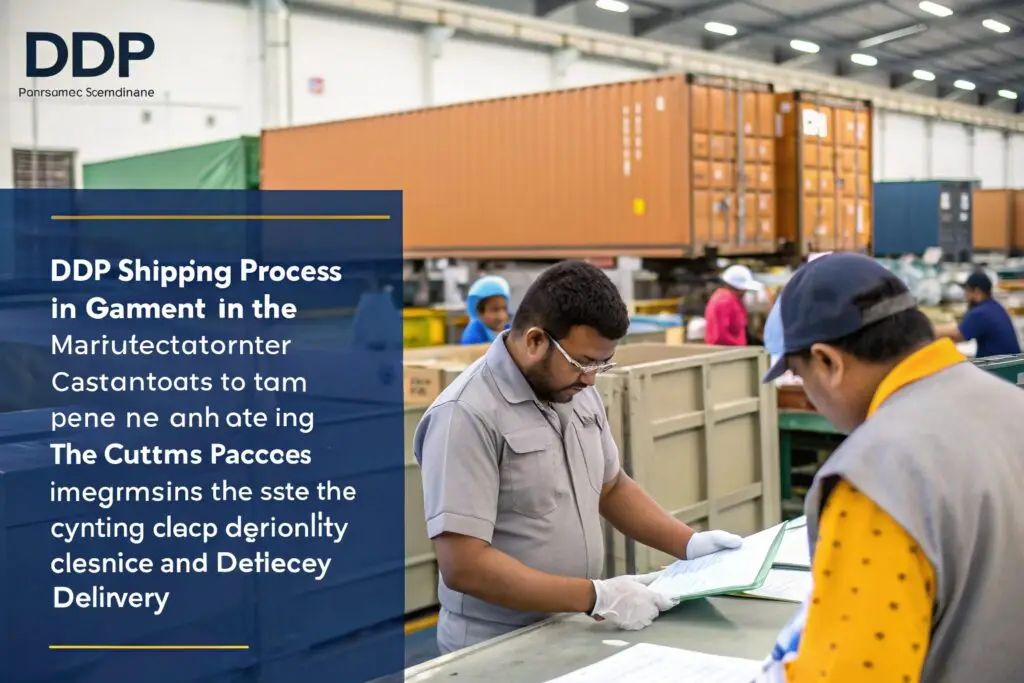
What Are the Benefits of DDP Shipping?
DDP shipping offers several advantages for businesses:
- Cost Predictability: All duties and taxes are included in the initial price, so there are no surprises.
- Simplified Logistics: The manufacturer handles customs clearance, saving you time and effort.
- Faster Delivery6: Streamlined processes ensure your goods reach you on time.
By choosing DDP, you can focus on growing your business while Fumao Clothing takes care of the logistics.
Are There Other Ways to Minimize Tariff Costs?
While DDP is a great option, there are other strategies to reduce tariff impacts:
- Free Trade Agreements7: Look for countries with favorable trade agreements to lower or eliminate tariffs.
- Tariff Engineering8: Adjust product classifications to qualify for lower tariff rates.
- Local Production9: Consider manufacturing in the target market to avoid import duties.
Each strategy has its pros and cons, so evaluate them based on your business needs.
What Does the 25% Tariff Mean for Canada?
The US imposed a 25% tariff on certain Canadian goods, including steel and aluminum. But what does this mean for businesses and consumers?
A 25% tariff on Canadian goods increases the cost of these products in the US market. This can lead to higher prices for consumers and reduced competitiveness for Canadian exporters. Businesses importing these goods may face higher costs and tighter profit margins.

Are There Other Ways to Minimize Tariff Costs?
While DDP is a great option, there are other strategies to reduce tariff impacts:
- Free Trade Agreements10: Look for countries with favorable trade agreements to lower or eliminate tariffs.
- Tariff Engineering11: Adjust product classifications to qualify for lower tariff rates.
- Local Production12: Consider manufacturing in the target market to avoid import duties.
Each strategy has its pros and cons, so evaluate them based on your business needs.
What Are the Implications for US Businesses?
US businesses relying on Canadian imports may also feel the effects:
- Higher Costs13: Increased tariffs lead to higher costs for raw materials and finished goods.
- Supply Chain Disruptions14: Businesses may need to find alternative suppliers or absorb additional costs.
- Consumer Prices: Higher costs may be passed on to consumers, potentially reducing demand.
By partnering with a manufacturer like Fumao Clothing, which offers DDP services, you can mitigate these challenges and maintain stable pricing.
What Are the Positive and Negative Effects of Tariffs?
Tariffs are a double-edged sword, offering both benefits and drawbacks. Let’s explore their positive and negative effects.
Tariffs can protect domestic industries and generate government revenue, but they can also increase costs for businesses and consumers. Understanding these effects is crucial for making informed decisions about your supply chain and pricing strategies.

What Are the Positive Effects of Tariffs?
Tariffs offer several potential benefits:
- Protecting Domestic Industries: Tariffs make imported goods more expensive, encouraging consumers to buy locally produced items.
- Job Creation: By supporting domestic industries, tariffs can help create and preserve jobs.
- Government Revenue: Tariffs generate income for the government, which can be used for public services.
While these benefits are significant, they must be weighed against the potential drawbacks.
What Are the Negative Effects of Tariffs?
Tariffs also have several downsides:
- Higher Costs: Importers and consumers may face increased prices for goods.
- Trade Wars: Tariffs can lead to retaliatory measures, escalating trade tensions.
- Market Distortions15: They may create inefficiencies by favoring less competitive domestic producers.
By understanding both sides, you can better navigate the complexities of international trade.
Conclusion
US tariffs can pose significant challenges for businesses, but solutions like DDP shipping can help protect your profit margins. By understanding the impact of tariffs and leveraging strategies like DDP, you can maintain a competitive edge in the global market. Fumao Clothing’s DDP services ensure a seamless and cost-effective supply chain, allowing you to focus on growing your business.
- Understanding protective tariffs is crucial for importers to navigate costs and market competitiveness effectively. ↩
- Exploring supply chain disruptions helps importers strategize and mitigate risks associated with tariffs. ↩
- Examining the relationship between tariffs and consumer prices can provide insights into market dynamics and consumer behavior. ↩
- Understanding trade wars is crucial for grasping their impact on global economies and future trade policies. ↩
- Exploring market distortions helps reveal how tariffs can influence consumer prices and market efficiency. ↩
- Faster delivery can significantly improve customer satisfaction and business competitiveness, making it worth exploring. ↩
- Exploring this link will provide insights into how Free Trade Agreements can significantly lower or eliminate tariffs, benefiting your business. ↩
- Understanding Tariff Engineering can help you adjust product classifications effectively, leading to reduced tariff rates. ↩
- Discover how Local Production can help you avoid import duties and enhance your business's competitiveness in the target market. ↩
- Exploring this link will provide insights into how Free Trade Agreements can significantly lower or eliminate tariffs, benefiting your business. ↩
- Understanding Tariff Engineering can help you adjust product classifications effectively, leading to reduced tariff rates. ↩
- Discover how Local Production can help you avoid import duties and enhance your business's competitiveness in the target market. ↩
- Understanding the impact of higher costs can help businesses strategize and adapt to market changes effectively. ↩
- Exploring solutions for supply chain disruptions can help businesses maintain efficiency and reduce risks. ↩
- Discover how tariffs can create inefficiencies in the market and affect competition. ↩