When collaborating with your mill, ensuring the most accurate fabric representation is crucial for achieving your design vision. From understanding fabric quality to identifying the best production methods, every step matters. Let’s explore how to work effectively with your mill to get the best results.
To get the most accurate fabric representation, communicate clearly with your mill, understand fabric construction, and evaluate quality through detailed samples and testing. At Fumao Clothing, we prioritize collaboration and transparency to ensure your fabric meets your expectations.
Now, let’s dive deeper into how to determine fabric quality, understand production methods, and identify excellent fabrics when working with your mill.
How Do You Determine the Quality of a Fabric?
Determining the quality of a fabric is essential for ensuring your final product meets your standards. But how can you evaluate fabric quality effectively?
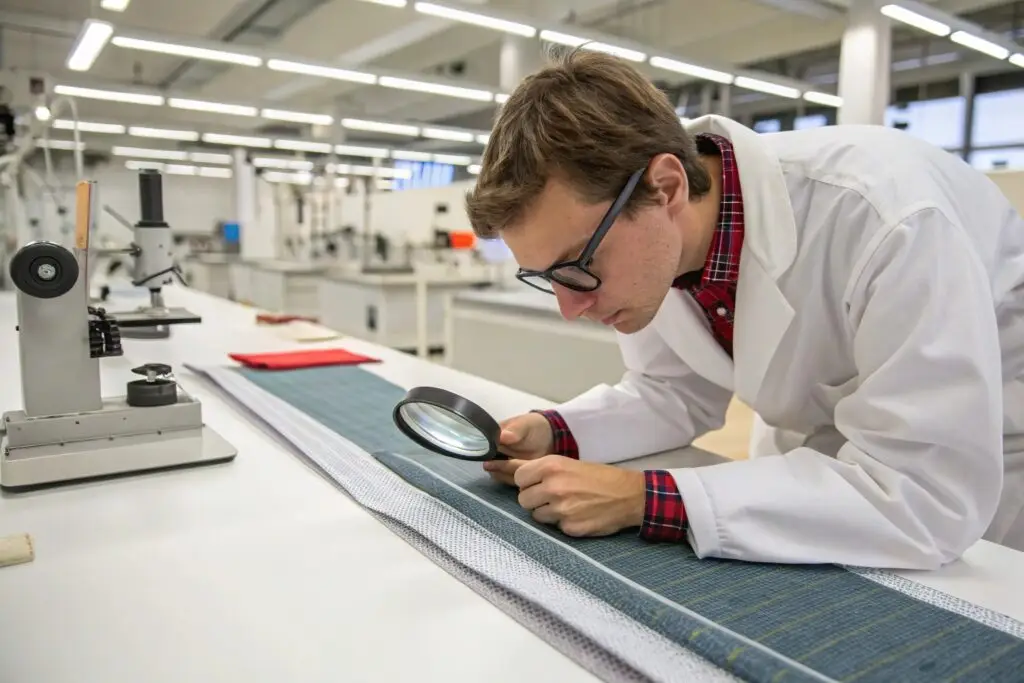
To determine the quality of a fabric, evaluate factors like fiber content, weave, weight, and durability. Request detailed samples, conduct thorough testing, and work closely with your mill to make informed decisions. Fumao Clothing provides comprehensive testing and samples to ensure your fabric meets your quality standards.
What Should You Look for in Fabric Quality?
When evaluating fabric quality, consider the following factors:
- Fiber Content1: The type of fibers used (e.g., cotton, polyester, silk) affects the fabric’s feel, durability, and performance.
- Weave2: The weave pattern (e.g., plain, twill, satin) impacts the fabric’s texture, strength, and drape.
- Weight: The fabric’s weight determines its suitability for different types of garments.
- Durability3: Test the fabric’s strength and wearability to ensure it meets your quality standards.
By focusing on these factors, you can determine the quality of your fabric.
How Can Testing Fabric Samples Help?
Testing fabric samples can help you:
- Evaluate Quality: Ensure the fabric meets your quality standards.
- Assess Durability: Test the fabric’s strength and wearability.
- Confirm Aesthetic Appeal: Verify that the fabric’s texture, weight, and drape match your vision.
These steps ensure your fabric choice aligns with your design goals.
What is the Correct Method of Fabric Production?
Understanding the correct method of fabric production is key to achieving the best results. But what does the process involve?
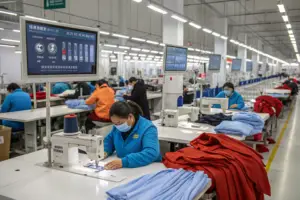
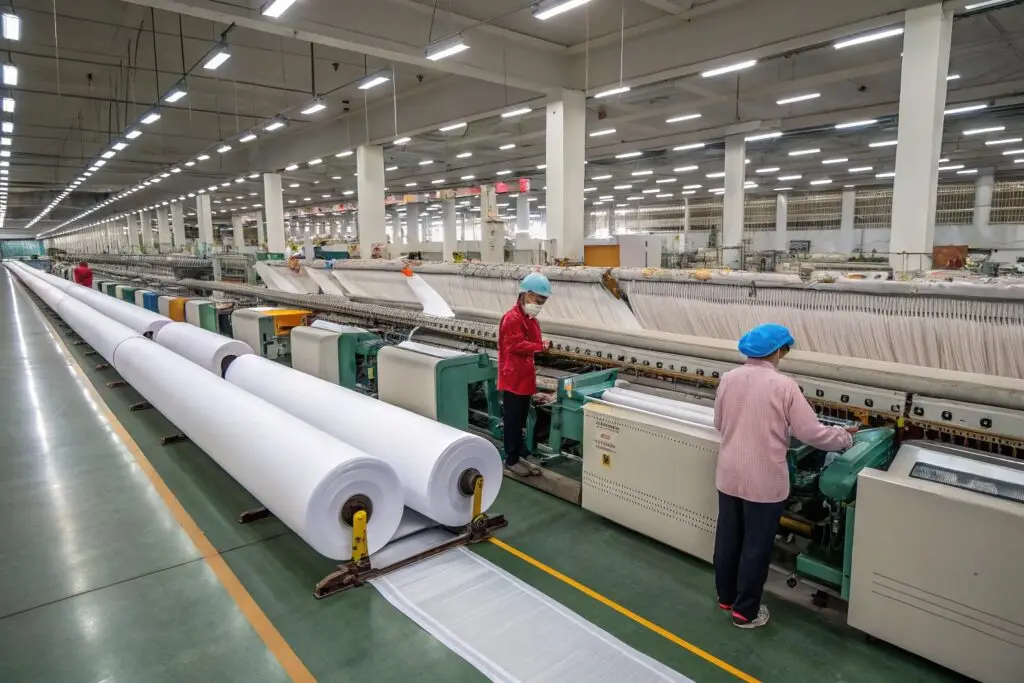
The correct method of fabric production involves several steps, including fiber selection, yarn spinning, weaving or knitting, dyeing, and finishing. Each step must be carefully executed to ensure the final fabric meets your quality standards. Fumao Clothing follows rigorous production methods to deliver high-quality fabrics.
What Are the Key Steps in Fabric Production?
The key steps in fabric production include:
- Fiber Selection4: Choose high-quality fibers that meet your design and performance requirements.
- Yarn Spinning5: Spin the fibers into yarns of the desired thickness and strength.
- Weaving or Knitting: Weave or knit the yarns into fabric using the chosen pattern.
- Dyeing and Printing6: Apply color or patterns to the fabric using dyeing or printing techniques.
- Finishing: Treat the fabric to enhance its texture, durability, and appearance.
By following these steps, you can ensure the final fabric meets your expectations.
Why is Understanding Fabric Production Important?
Understanding fabric production is important because:
- Ensures Quality: Knowing the production process helps you identify potential issues and ensure quality.
- Improves Communication: Understanding the process allows you to communicate more effectively with your mill.
- Enhances Design: Knowledge of production methods can inspire new design possibilities.
These benefits make understanding fabric production a critical part of the design process.
How Can You Best Understand the Construction of a Fabric?
Understanding the construction of a fabric is essential for evaluating its quality and suitability. But how can you do it effectively?
To understand the construction of a fabric, examine factors like fiber content, weave or knit pattern, and finishing techniques. Request detailed samples, conduct thorough testing, and work closely with your mill to gain insights into the fabric’s construction. Fumao Clothing provides detailed information and samples to help you understand fabric construction.
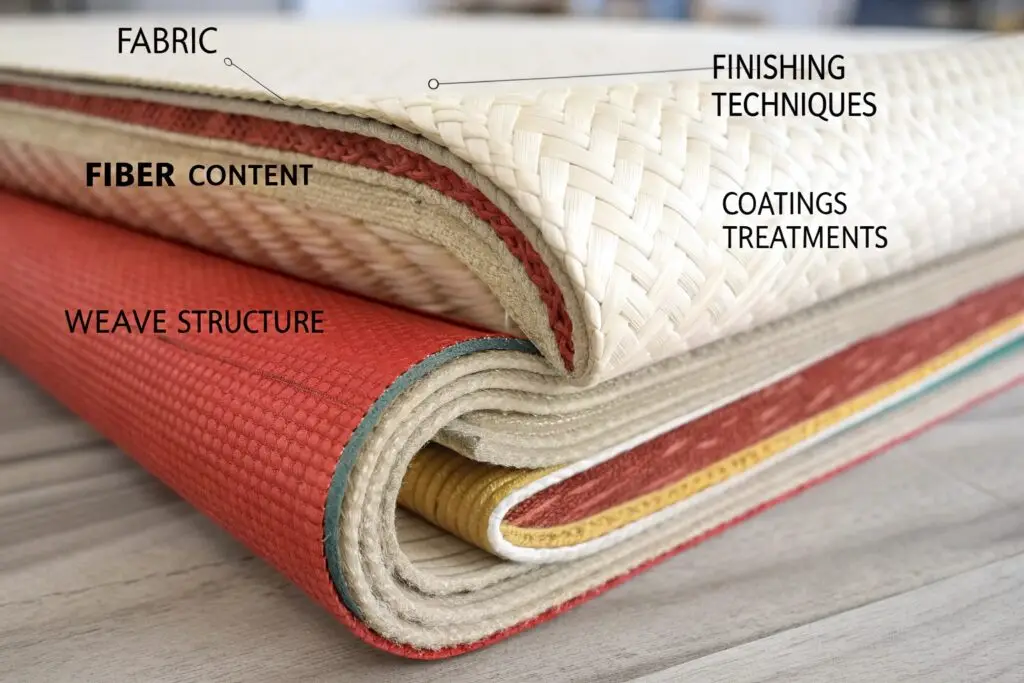
What Should You Look for in Fabric Construction?
When evaluating fabric construction, consider the following factors:
- Fiber Content7: The type of fibers used affects the fabric’s feel, durability, and performance.
- Weave or Knit Pattern8: The pattern impacts the fabric’s texture, strength, and drape.
- Finishing Techniques9: Treatments like brushing, coating, or washing can enhance the fabric’s properties.
By focusing on these factors, you can gain a deeper understanding of fabric construction.
How Can Understanding Fabric Construction Help?
Understanding fabric construction can help you:
- Evaluate Quality: Identify potential issues and ensure the fabric meets your standards.
- Make Informed Choices: Choose fabrics that align with your design and performance requirements.
- Enhance Design: Use your knowledge of construction to create innovative designs.
These benefits make understanding fabric construction a valuable skill.
How Can You Identify an Excellent Fabric?
Identifying an excellent fabric involves more than just visual inspection. But how can you ensure your fabric meets the highest standards?
To identify an excellent fabric, evaluate factors like fiber quality, construction, durability, and aesthetic appeal. Request detailed samples, conduct thorough testing, and work closely with your mill to ensure your fabric meets your standards. Fumao Clothing provides high-quality fabrics and detailed testing to help you identify excellence.
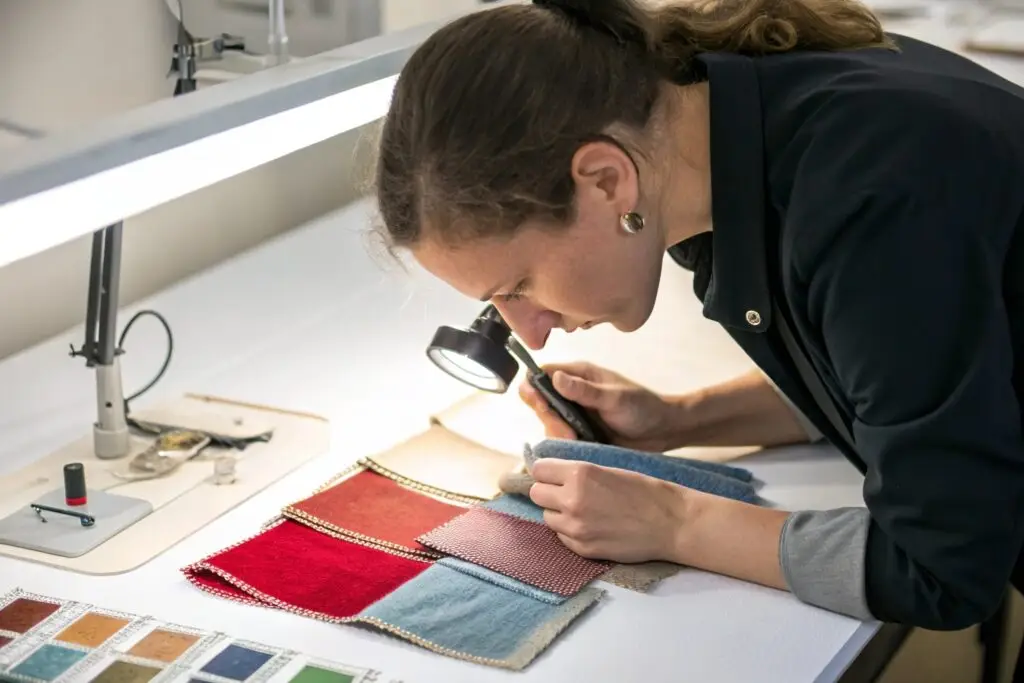
What Are the Key Indicators of an Excellent Fabric?
The key indicators of an excellent fabric include:
- High-Quality Fibers10: The fabric is made from premium fibers that ensure durability and performance.
- Superior Construction11: The weave or knit pattern is consistent and free of defects.
- Durability: The fabric withstands wear and tear, maintaining its appearance over time.
- Aesthetic Appeal: The fabric’s texture, weight, and drape align with your design vision.
By focusing on these indicators, you can identify excellent fabrics.
How Can Testing Fabric Samples Help?
Testing fabric samples can help you:
- Evaluate Quality: Ensure the fabric meets your quality standards.
- Assess Durability12: Test the fabric’s strength and wearability.
- Confirm Aesthetic Appeal: Verify that the fabric’s texture, weight, and drape match your vision.
These steps ensure your fabric choice aligns with your design goals.
Conclusion
Working with your mill to get the most accurate fabric representation involves clear communication, understanding fabric construction, and evaluating quality through detailed samples and testing. By following these steps, you can ensure your fabric meets your expectations. Fumao Clothing is committed to collaboration and transparency to help you achieve the best results. Contact us today to learn more about how we can help you ensure fabric quality.
-
Understanding fiber content is crucial for selecting fabrics that meet your needs in terms of feel and durability. Explore this link to learn more. ↩
-
The weave of a fabric significantly influences its texture and strength. Discover more about different weaves and their impact on quality. ↩
-
Testing fabric durability is essential for ensuring long-lasting quality. Find out effective methods to assess durability in fabrics. ↩
-
Exploring this resource will provide insights into choosing the right fibers for quality fabric production, enhancing your design outcomes. ↩
-
This link will help you understand various yarn spinning techniques, crucial for achieving desired fabric characteristics. ↩
-
Discovering current trends in dyeing and printing can inspire innovative designs and improve your fabric's aesthetic appeal. ↩
-
Exploring this link will deepen your understanding of how fiber types influence fabric quality and performance. ↩
-
This resource will provide insights into how different patterns impact texture and durability, essential for fabric selection. ↩
-
Learning about finishing techniques will help you understand how they enhance fabric characteristics and longevity. ↩
-
Explore this link to understand how high-quality fibers enhance durability and performance in fabrics, ensuring long-lasting use. ↩
-
Discover the importance of superior construction in fabric quality and how it impacts durability and aesthetics. ↩
-
Learn about various methods to assess fabric durability, ensuring your choices stand the test of time and wear. ↩