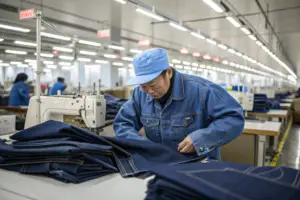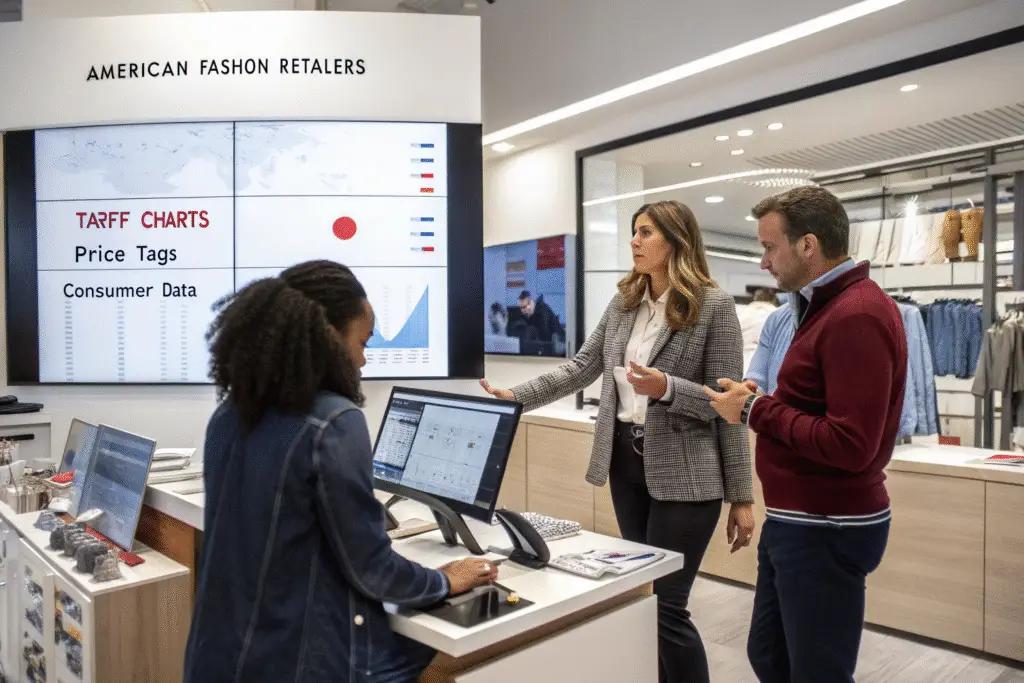
Rising tariffs are back in the spotlight for American apparel retailers. With the U.S. government imposing fresh duties on imported garments from countries like China and India, everyone from wholesalers to fashion brands is asking the same question: will retailers take the hit—or will shoppers?
Recent data reveals a mixed strategy. Some retailers are absorbing part of the cost to stay competitive, while others are quietly raising prices, especially in high-margin segments.
As a Chinese apparel manufacturer working closely with U.S. brands, I’ve seen how buyers are recalculating profit margins and making tough choices. Let’s uncover what the numbers really say—and how brands can adapt without losing customers.
How Are Tariffs Impacting Apparel Costs in the US?
Apparel is among the top categories hit by the new tariff schedules. From polyester blends to cotton trousers, import duties can now range from 15% to as high as 50%—especially on products originating from India due to recent trade tensions.
This means every $5 FOB shirt could cost up to $7 by the time it lands in a US warehouse.
What Does Recent Trade Data Say About Tariff Costs?
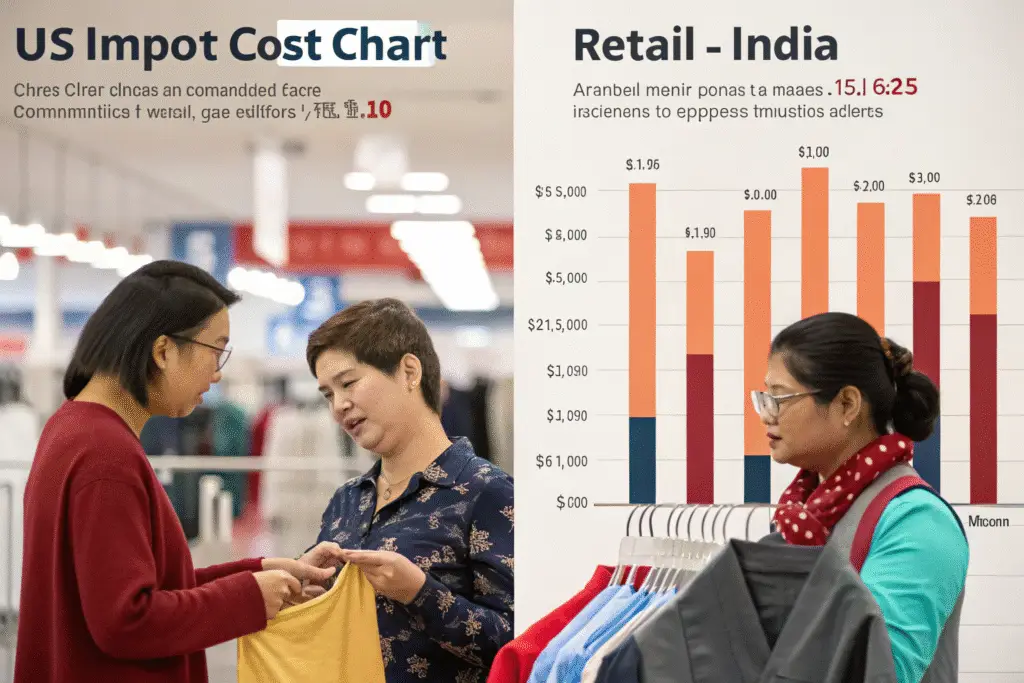
According to USTR, U.S. apparel imports from China alone face a blended average duty rate of 18–25% in 2025. If you're sourcing a $2.80 FOB T-shirt, it becomes nearly $3.60 post-tariff—before even factoring in logistics, warehousing, and distribution.
The USITC reports that cotton garments are particularly affected, and the cost difference is even higher for synthetics and kidswear. The extra landed cost has forced retailers to choose between:
- Reducing margin per item
- Passing costs to end consumers
- Switching to lower-cost sourcing countries (but many of them also face tariffs)
How Are Apparel Buyers Responding at the Wholesale Level?
Our clients fall into three camps:
| Buyer Strategy | Description |
|---|---|
| Cost Absorbers | Lower profit per piece to keep shelf price stable |
| Partial Pass-Through | Raise price modestly (e.g. $1 on $15 tee) |
| Full Pass-Through | Transfer entire tariff cost to MSRP |
While luxury brands tend to pass on costs, mass retailers try to hold pricing steady to protect volume.
Do Consumers Notice or React to Post-Tariff Price Increases?
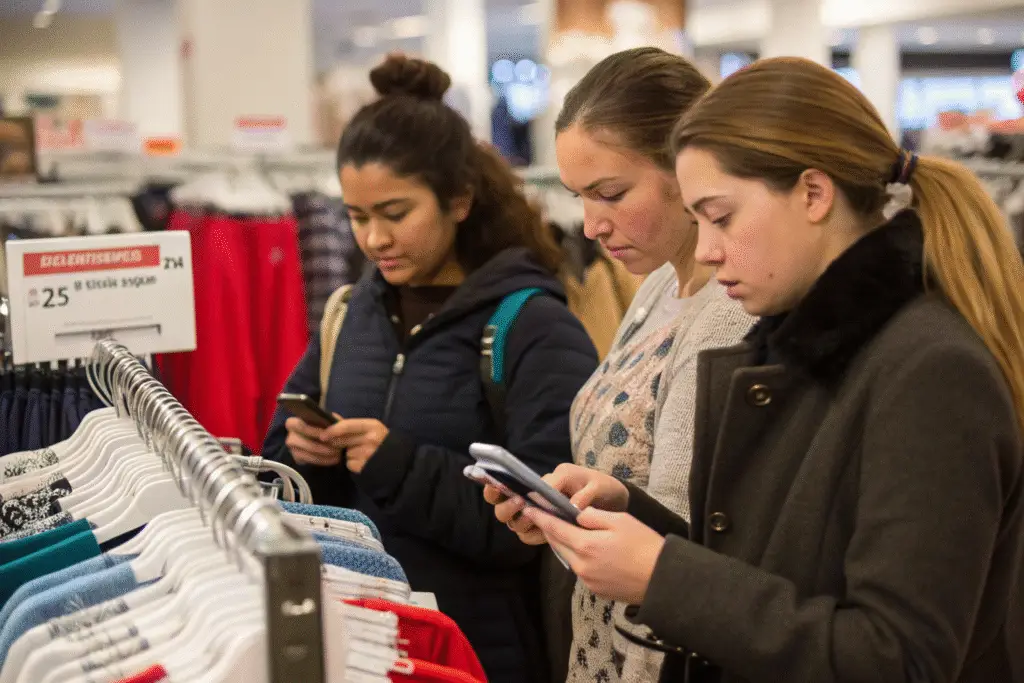
Price perception is a critical factor in U.S. fashion retail. When prices jump—even by a few dollars—shoppers notice. But do they change their behavior?
Studies show shoppers tolerate moderate increases under $5, especially if quality and branding remain strong.
What Do Surveys Say About Shopper Sensitivity?
A recent McKinsey study found:
- 42% of U.S. shoppers noticed clothing price increases in Q2 2025
- Only 18% changed brands due to small increases (under $5)
- Price jumps over 10% led to a 36% drop in brand loyalty
This means retailers have some flexibility—but not much. Buyers who previously charged $24.99 for leggings now try to stay under psychological thresholds like $29.99, even if their margin shrinks.
Are Any Categories More Immune to Price Hikes?
Yes. We’ve seen that niche categories—like recycled fabric apparel, kids’ seasonal wear, and comfort-first loungewear—tolerate higher prices because of their perceived value.
For instance, one of our U.S. clients introduced a GRS-certified activewear line. Even with a $4 increase, sales stayed strong due to sustainability branding. It’s about positioning the value, not just the cost.
What Strategies Are Retailers Using to Offset Tariff Burden?
Retailers aren’t just raising prices to cope. They're redesigning SKUs, changing fabric specs, and working closer with suppliers to lower production costs.
Creative pricing strategies and better sourcing partnerships are key to staying profitable post-tariff.

How Are Brands Redesigning for Cost Efficiency?
Simple changes help lower total cost:
- Switching from 100% cotton to polycotton blends
- Reducing trims, prints, or pocket counts
- Using neutral colorways to avoid dye surcharges
These moves don’t compromise style but make production cheaper. Platforms like Centric PLM help brands simulate how fabric and design choices affect total landed cost.
One client removed metal trims from a jacket, saving $1.25 per unit—which offset 70% of the new tariff.
Are Suppliers Offering Creative Solutions?
Absolutely. At Shanghai Fumao, we proactively propose DDP shipping, flexible MOQs, and value-engineered designs. Some of our clients now do monthly drops of 500–1000pcs with lighter packaging to avoid dimensional weight charges.
Tools like Freightos and Maersk Flow help retailers plan smarter and avoid overpaying on logistics, which is crucial when duties are unpredictable.
Will Price Pressure Slow Down in the Next 12 Months?
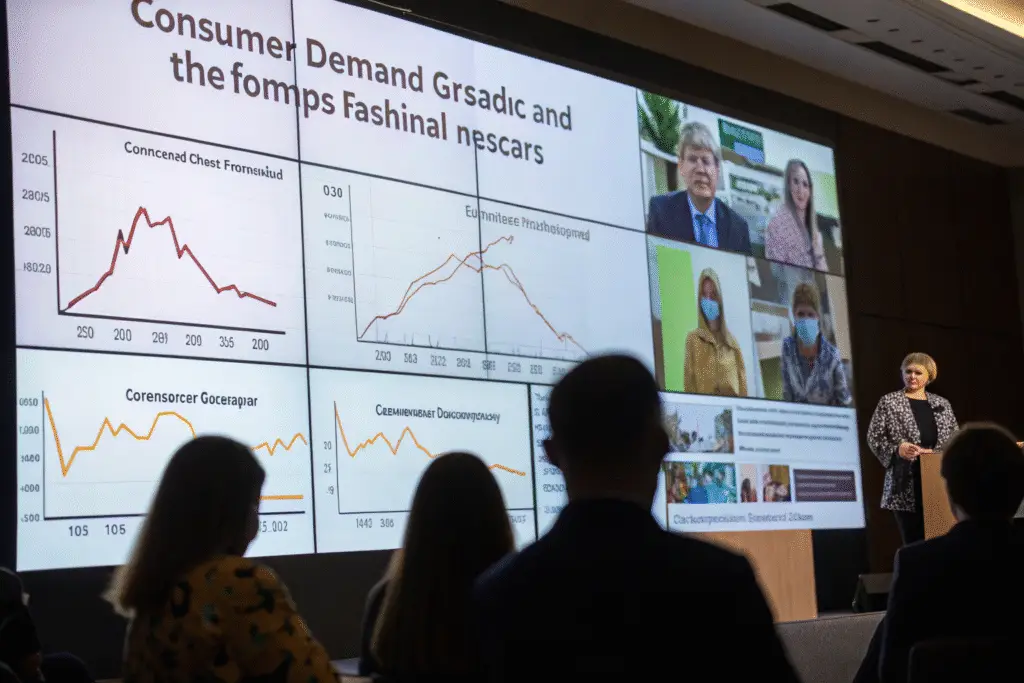
Looking ahead, brands want clarity—but the geopolitical environment suggests continued volatility. Will tariffs ease, or will more hikes come?
Most forecasts suggest price pressure will remain, forcing retailers to maintain hybrid strategies.
What Are Trade Analysts Predicting?
According to the Peterson Institute for International Economics, tariff easing is unlikely before the 2026 U.S. elections. The Biden administration has kept many Trump-era tariffs intact and even added new ones on strategic textiles.
Retailers should brace for:
- Continuation of current duties (15–25%)
- Possible expansion to accessories and synthetic fabrics
- Greater scrutiny on country-of-origin claims
What Should Apparel Buyers Do in 2025–2026?
Here’s what we advise:
| Action | Reason |
|---|---|
| Diversify factories | Spread risk across China, Vietnam, and Bangladesh |
| Optimize designs | Lower base cost, keep price stable |
| Switch to DDP terms | Let factory manage tariffs, reduce surprises |
| Prioritize fast-turn styles | Avoid long inventory hold during tariff shifts |
We’ve helped buyers move from large seasonal bulk orders to flexible monthly drops—cutting cost exposure while maintaining consistent sell-through.
Conclusion
U.S. retailers are walking a tightrope. Absorbing tariffs eats profits. Raising prices risks losing shoppers. But smart strategy, supplier cooperation, and flexible sourcing can ease the pressure.
At Shanghai Fumao, we help U.S. apparel buyers like Ron find the sweet spot: we optimize designs, reduce costs, and manage DDP delivery—all without hiding surprises. Our lean systems and transparent pricing help retailers stay competitive in a high-tariff world.
If you're planning your next collection and wondering how tariffs will affect it, reach out to our Business Director, Elaine, at elaine@fumaoclothing.com. Let’s build tariff-proof collections together.