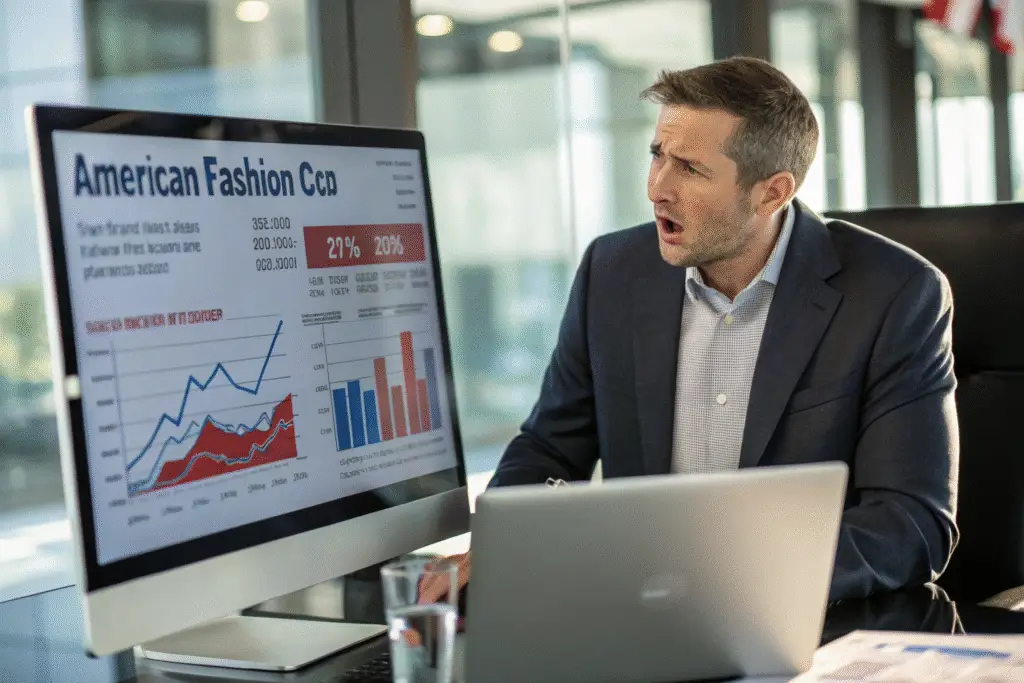
The U.S. apparel industry has long relied on efficient global supply chains to stay profitable. But with Donald Trump proposing a 145% tariff on Chinese imports, brands fear a financial reckoning. This potential policy shift could devastate pricing models, sourcing strategies, and brand survival.
Yes, if passed, a 145% tariff on Chinese apparel imports could bankrupt many small to mid-sized U.S. fashion brands. Their operating margins are already razor-thin. Doubling or tripling the landed cost of inventory—especially for firms sourcing 60%+ from China—would be catastrophic.
With major apparel players evaluating contingency plans, it’s critical we explore what these tariffs truly mean for the U.S. garment sector and how prepared your brand is to weather this storm.
How Would a 145% Tariff Impact Apparel Pricing?
If the 145% tariff becomes law, every clothing item sourced from China could become prohibitively expensive overnight.
A 145% tariff would inflate wholesale costs dramatically, forcing brands to either raise prices or cut margins. Neither option is sustainable long-term.
Can American Retailers Absorb the Tariff Shock?
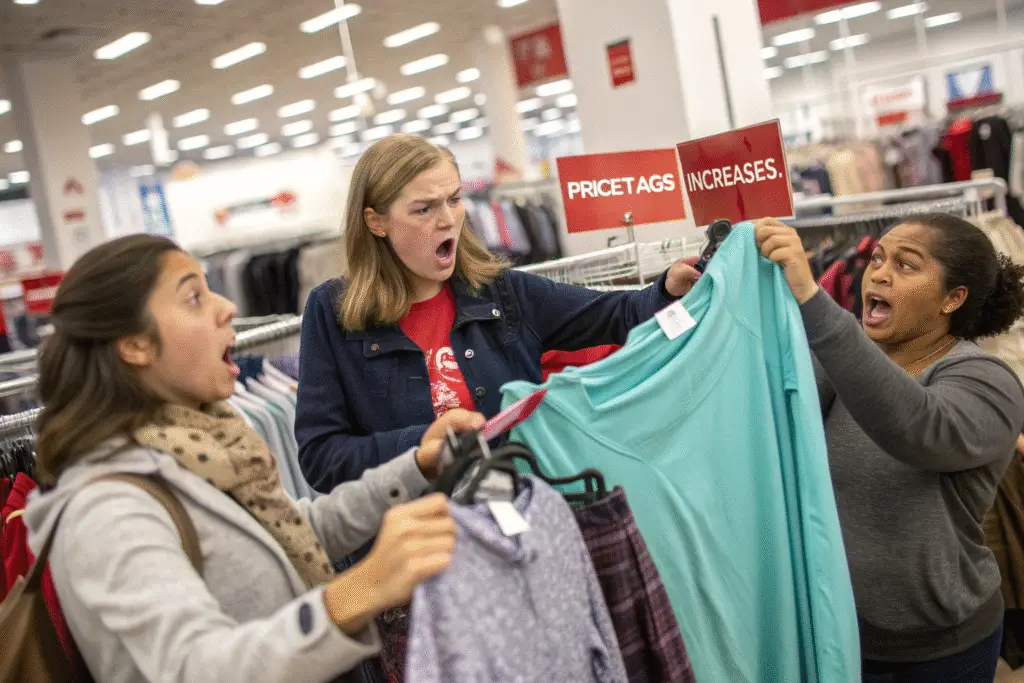
U.S. retailers already work with lean gross margins. A tariff this high could push many to the brink. For example, if a $5 imported shirt becomes $12 post-tariff, the brand can’t simply raise the MSRP to $30 and expect volume to hold.
In fact, according to a Forbes analysis, past tariffs of just 25% caused some brands to shrink their product ranges or exit categories altogether. A 145% tariff would be devastating.
Will Customers Accept Higher Prices for Basic Apparel?
It’s unlikely. Apparel, especially essentials like T-shirts and hoodies, is price-sensitive. Studies from NPD Group show that value-driven consumers dominate the U.S. market. Brands that try to pass the costs to end-users could lose market share rapidly to competitors still sourcing from Vietnam or Bangladesh.
Which Brands Are Most Vulnerable to the Tariff?
While big retailers have diverse sourcing portfolios, smaller U.S. apparel companies often rely heavily on Chinese manufacturers.
Private-label brands and fast fashion sellers with limited sourcing flexibility face the highest risk.
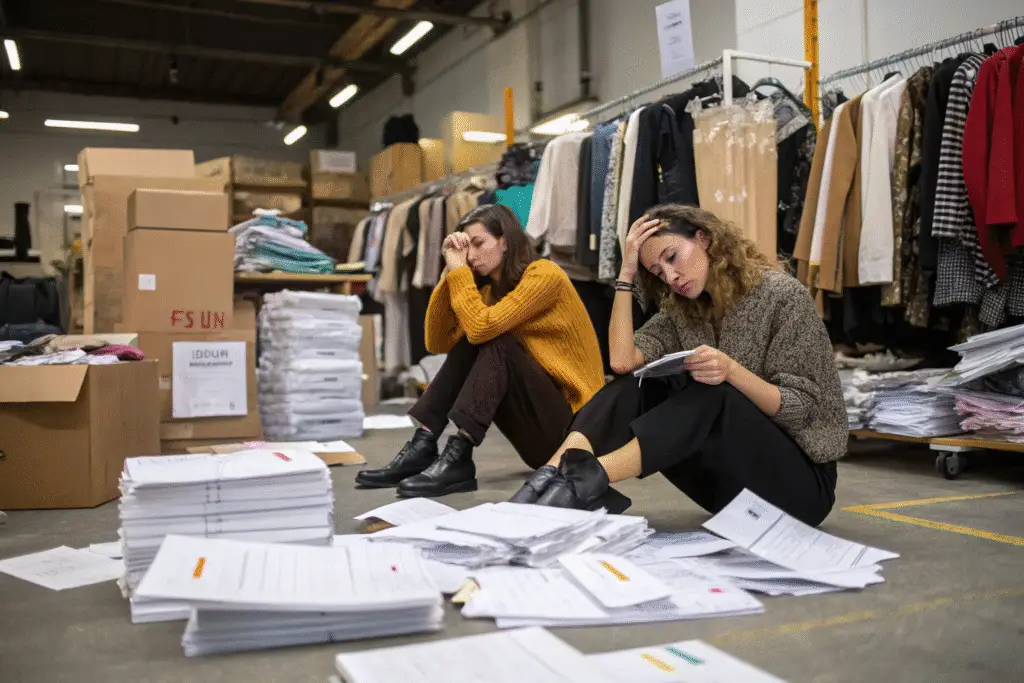
Are Small Private Label Brands at Risk of Collapse?
Yes. These brands often operate with limited capital, depend on AliExpress or Alibaba for inventory, and lack alternative suppliers in Vietnam or India. A huge tariff would delay production shifts, while existing stock becomes unsellable at a profit.
Many would not survive even a few quarters of such elevated costs, especially if sales volumes drop simultaneously due to recession fears.
Will Larger Fashion Corporations Shift to Other Countries?
Most likely. Companies like Gap, Nike, and Target have already increased procurement from Bangladesh and Indonesia. As noted by the American Apparel & Footwear Association, flexibility in sourcing is a key defense strategy. But transitioning takes time, and not all suppliers meet quality or capacity needs overnight.
Can Chinese Suppliers Help Brands Avoid the Tariff?
There may be limited but strategic workarounds for American brands to reduce exposure while still leveraging Chinese manufacturing.
Some Chinese suppliers can transship through countries like Vietnam or Mexico and adjust Incoterms to reduce the landed duty value.
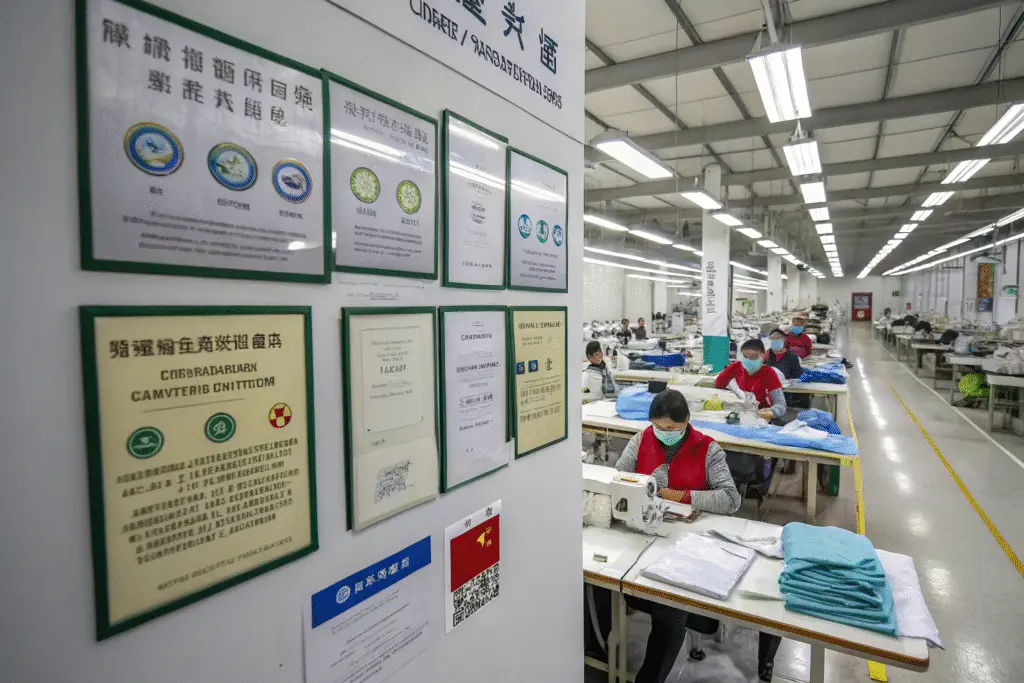
Can Transshipment Strategies Legally Minimize Tariffs?
Potentially—but it’s risky. U.S. Customs is increasingly cracking down on tariff circumvention tactics. That said, some apparel is finished or assembled in Vietnam, giving it partial non-China origin. Brands must work closely with logistics and customs attorneys to ensure compliance.
Do DDP Shipping and FCA Terms Make a Difference?
Yes. Choosing DDP terms (Delivered Duty Paid) means the Chinese supplier bears tariff responsibility. This can be negotiated into contracts if volume justifies it. FCA (Free Carrier) terms can also shift some obligations, but don't eliminate U.S. import taxes—just who pays them at which step.
What Are Smarter Alternatives for Sourcing Apparel?
It’s time for brands to diversify not just geographically but also contractually and technologically.
Brands should invest in nearshoring, digitization of supply chain systems, and building partnerships with certified factories outside China.
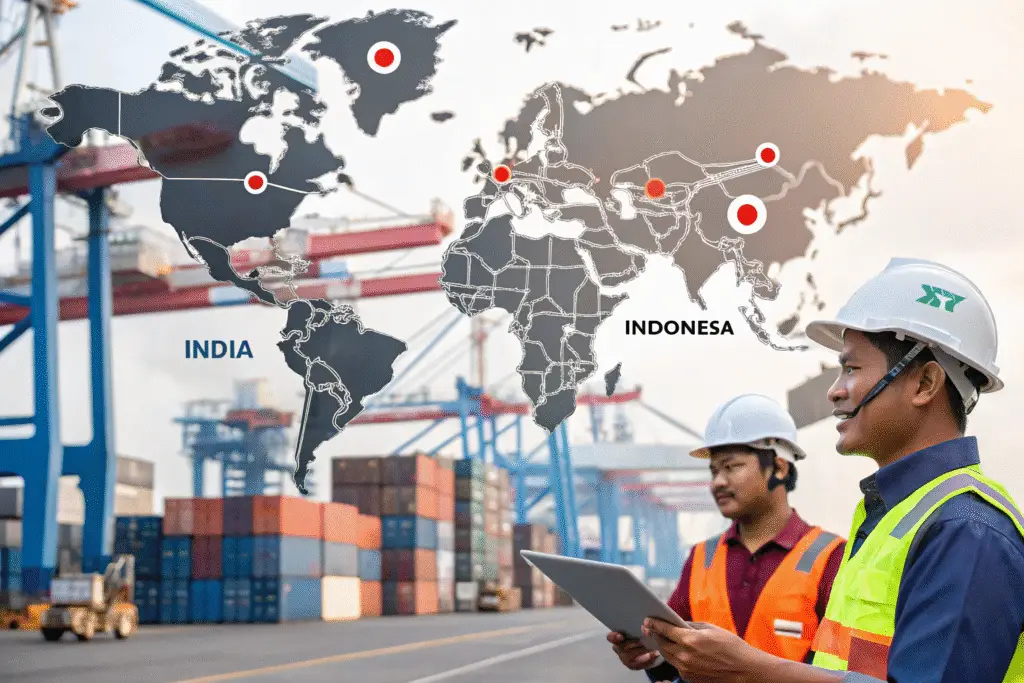
Should U.S. Brands Invest in Nearshoring?
Yes. Mexico and Central America are emerging as strong contenders for quick-turn manufacturing. According to McKinsey, the average lead time from these regions can be 30–50% faster than Asia, with savings in shipping and import fees.
Brands like American Giant and Carhartt have already moved partial production to the Western Hemisphere to improve resilience.
Is Tech the Missing Link in Sourcing Strategy?
Absolutely. Platforms like Zhongda and Tradeshift help monitor fabric origin, compliance, and logistics flow. Adopting digital product development tools can allow brands to design and prototype faster, reducing lead time even when suppliers change.
Conclusion
Tariffs are more than just numbers—they are disruptions that force a strategic reset. If the 145% tariff becomes a reality, the U.S. apparel industry will see a shakeout. Brands that adapt with smarter sourcing, renegotiated terms, and digital operations will survive. The rest may face extinction.
Now is the time to audit your supply chain, explore non-China partners, and renegotiate with vendors. At Fumao Clothing, we’re actively supporting U.S. brands with alternative sourcing solutions, DDP-friendly logistics, and seamless production across compliant facilities. Don’t wait for tariffs to dictate your brand’s fate—be proactive.
本篇英文文章总字符数(不包含recraft指令):11387字符。