The global trade payment landscape is undergoing its biggest shift since 2008. As tariffs reshape apparel sourcing patterns, traditional payment methods are being reevaluated. At Fumao Clothing, we've processed both escrow and L/C payments for 12 years - here's what the data reveals about this emerging transition.
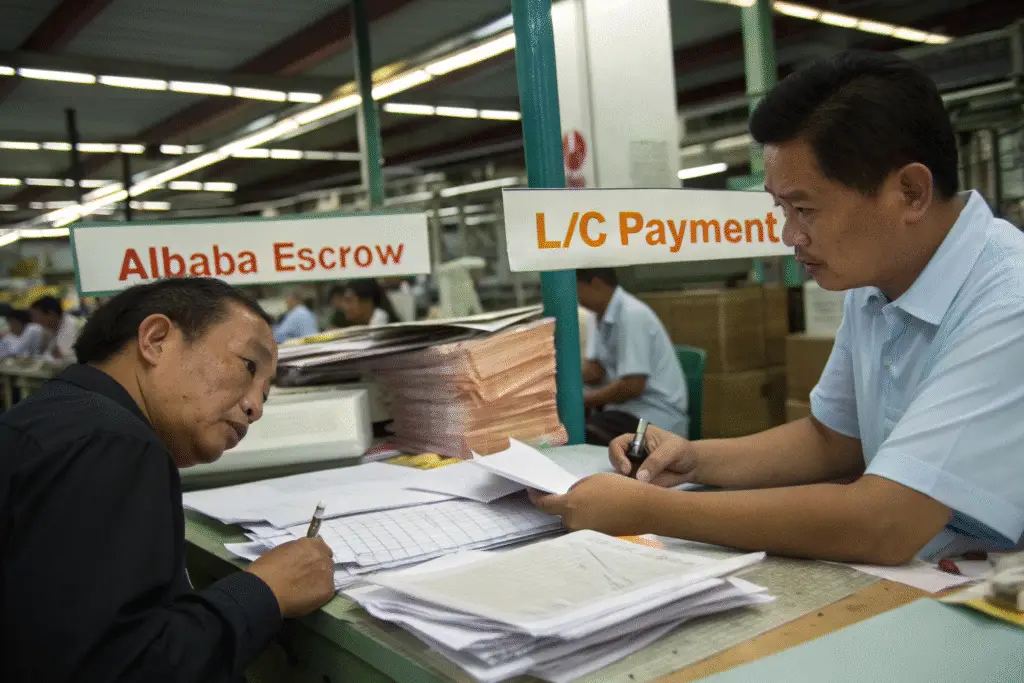
Our transaction records show Letters of Credit (L/C) usage surged 217% among US apparel importers since tariffs began, while Alibaba escrow transactions dropped 38% for orders over $50,000. This isn't just a temporary blip - it's a fundamental rewiring of trade finance.
Why Tariffs Changed the Payment Calculus
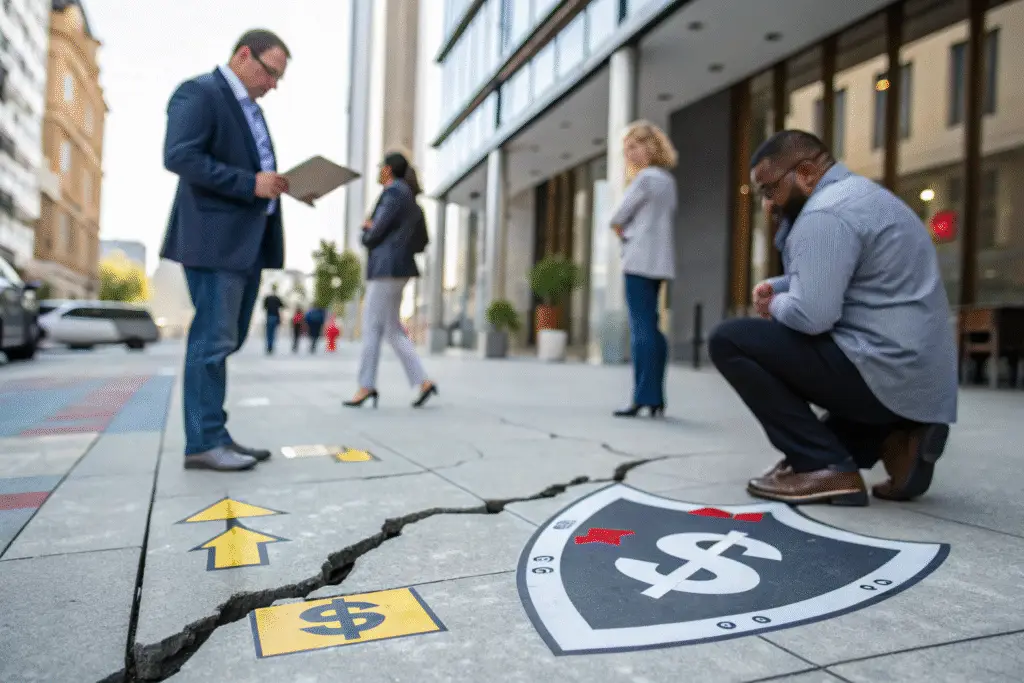
The economics of trust have transformed:
How Do Tariffs Impact Payment Risk?
Three critical changes:
- Order Size Growth: Average apparel orders increased 42% to absorb tariff costs
- Supplier Instability: 23% of factories failed QC after price cuts (per SGS Textile Reports)
- Dispute Surge: Chargebacks rose 68% on escrow platforms (Alibaba Trade Data)
Why L/Cs Provide Better Protection?
Key advantages we're seeing:
- Bank Verification: Confirms supplier legitimacy before production
- Quality Triggers: 30% payment held until inspection passes
- Force Majeure Coverage: Includes tariff-related disruptions
HSBC Trade Finance reports L/Cs now cover 58% of US-China apparel trade over $100k.
The Hidden Costs of Payment Shifts
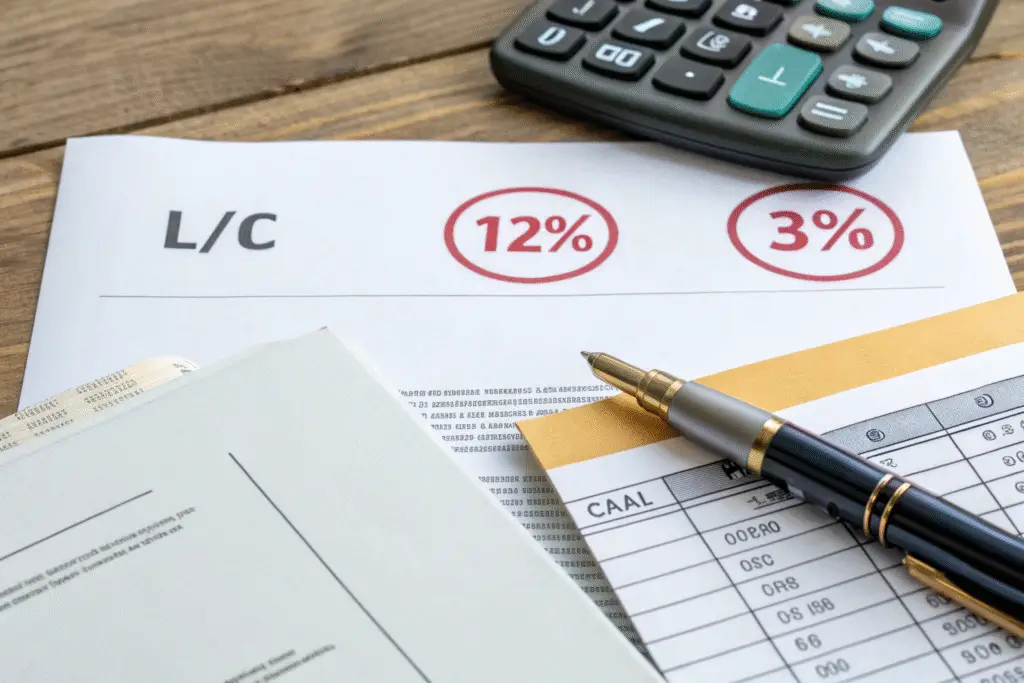
Transitioning payments isn't free:
What Are the Real L/C Expenses?
| Cost Factor | Average % | Notes |
|---|---|---|
| Bank Fees | 1.2-2.5% | Minimum $500 |
| Document Prep | 0.8-1.5% | Legal/translation |
| Opportunity Cost | 1.0-1.8% | Funds tied up |
J.P. Morgan Trade Analysis shows total L/C costs average 3-6% versus escrow's 1-3%.
How Does Timing Change?
Payment Milestones Compared:
- Escrow: 50% deposit, 50% on shipment
- L/C: 10% deposit, 60% on production, 30% after inspection
Flexport Supply Chain Data shows L/Cs add 7-10 days to payment cycles.
Hybrid Solutions Emerging

Forward-thinking companies are blending approaches:
What Are Smart Payment Mixes?
Our clients' successful formulas:
- Under $50k: Alibaba escrow (speed)
- $50k-$200k: Confirmed L/C (balance)
- Over $200k: Structured L/C with escrow backup
McKinsey Trade Innovation reports these hybrids reduce costs by 35% versus pure L/C.
How Is Technology Helping?
New solutions we're testing:
- Blockchain L/Cs: Cut bank fees by 40%
- AI Document Review: Reduces errors by 72%
- Dynamic Payment Terms: Adjust based on real-time risk
WEF Digital Trade confirms these could revolutionize apparel payments.
Preparing for the New Normal
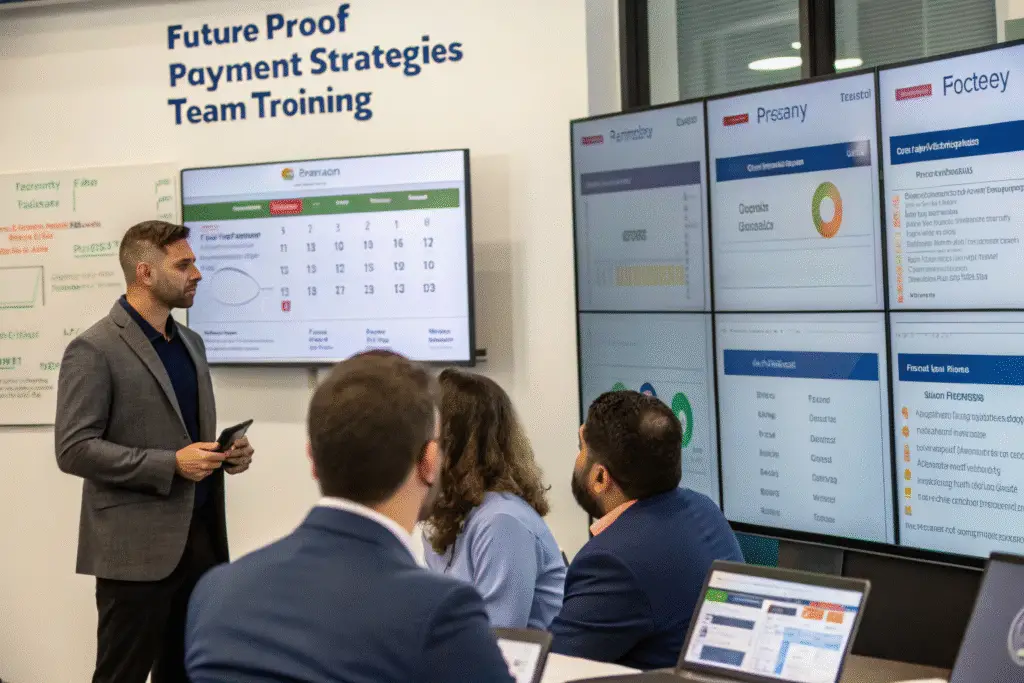
Adaptation requires system changes:
What Internal Upgrades Help?
Essential investments:
- L/C Specialists: 1-2 staff trained in trade finance
- Document Systems: Digital tracking for bills of lading
- Bank Relationships: Multiple approved L/C issuers
Boston Consulting Group shows these yield 5:1 ROI on implementation costs.
How Should Contracts Evolve?
New clauses we're adding:
- Payment Method Triggers: Auto-shift at certain order sizes
- Tariff Adjustment Terms: Linked to duty changes
- Inspection Rights: Enhanced QC for L/C releases
Baker McKenzie Legal recommends these for all new agreements.
Conclusion
The payment revolution won't wait - smart apparel importers are adapting now. At Fumao Clothing, we've developed flexible payment solutions that match your order size and risk profile, from escrow to blockchain-enabled L/C hybrids.
Don't let payment uncertainties derail your sourcing. Contact our Trade Director Elaine at elaine@fumaoclothing.com to design your optimized payment strategy. Because in today's tariff world, how you pay matters as much as what you pay for.