As U.S. tariffs continue to impact global apparel sourcing—especially from India, Vietnam, and Bangladesh—smart importers are digging deeper into customs law for relief. One powerful, often-overlooked tool? The First Sale Rule.
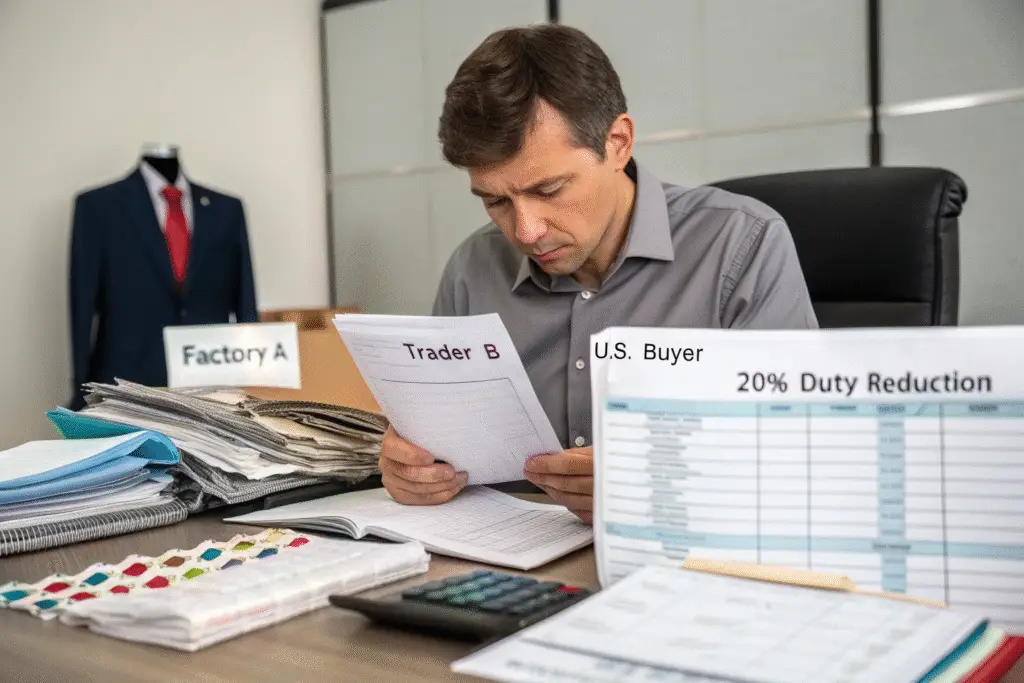
This legal provision can reduce your dutiable value by up to 20% by letting you declare the factory’s price—not the middleman's markup—as the basis for import duties.
If you're buying through a trading company or intermediary, you're probably overpaying on tariffs without realizing it. Here's a breakdown of how the First Sale Rule works and how you can start applying it—legally and safely.
What Is the First Sale Rule and Why Is It Still Legal?
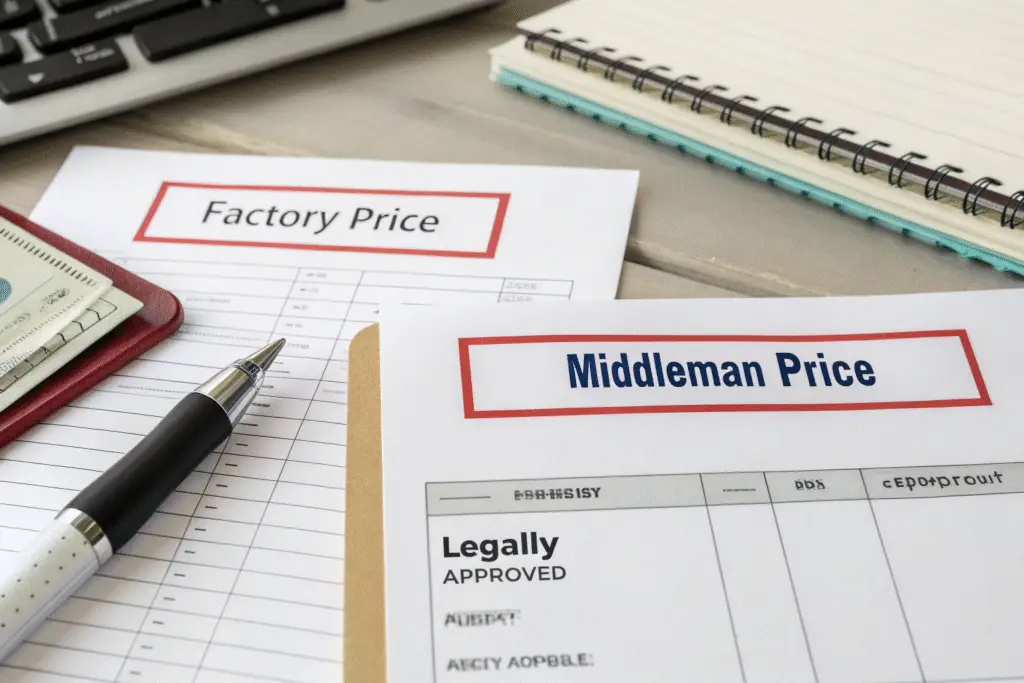
The First Sale Rule allows U.S. importers to declare the transaction value between the manufacturer and the middleman (if all parties are independent and compliant) instead of the final invoice from the middleman to the U.S. buyer.
This means you can legally lower your duty base if you structure your orders correctly and maintain proper documentation.
When Was the First Sale Rule Approved?
The rule was codified under U.S. Customs Law 19 CFR § 152.103, and reaffirmed in a 2016 CBP ruling.
It’s most useful when:
- You buy via a trading company
- The factory price is clearly documented
- All parties are unrelated or act at arm’s length
- The transaction is structured before goods ship
CBP guidance supports this process as long as the documents prove bona fide sales at each level.
Is It Still Allowed in 2025?
Yes. While there were attempts to repeal the rule, it remains valid and enforceable today. In fact, brands like Lands’ End have openly used First Sale to legally lower tariff costs on mass imports.
How Much Can You Save on Apparel Duties?
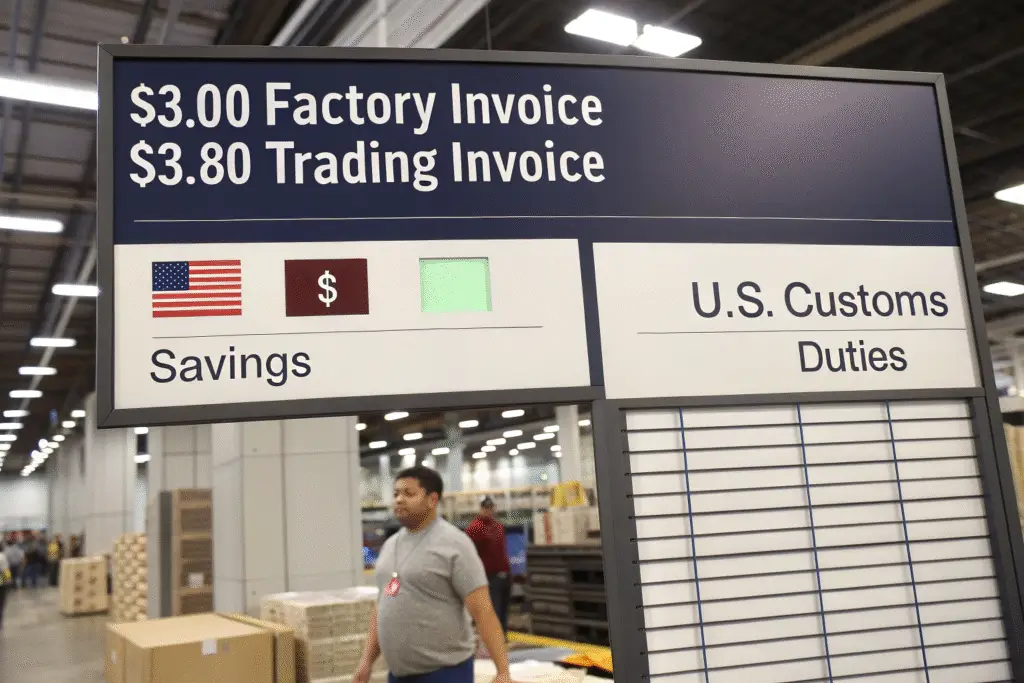
Savings can be significant. Apparel duties typically range from 16% to 32%, so even a small reduction in declared value brings a big difference across containers.
On average, First Sale reduces dutiable value by 10–25%, depending on your sourcing structure and intermediary markup.
Sample Cost Impact Table
| Source Price | Middleman Price | Duty Rate | Duty Paid (FS) | Duty Paid (Final) | Savings |
|---|---|---|---|---|---|
| $3.00 | $3.80 | 20% | $0.60 | $0.76 | $0.16 |
| $4.50 | $5.50 | 17% | $0.77 | $0.94 | $0.17 |
Multiply that savings by 100,000 units and you're talking $16,000–$25,000 saved—on just one order.
Try simulating your savings with SimplyDuty's calculator.
What Apparel Categories Benefit Most?
- T-shirts, polos, hoodies (16.5–18% duty)
- Woven shirts and trousers (19–28% duty)
- Jackets and outerwear (27.7–32%)
- Synthetic activewear (up to 32%)
These categories are perfect for First Sale savings, especially if sourced through large intermediaries.
What Documents Are Required to Use First Sale?
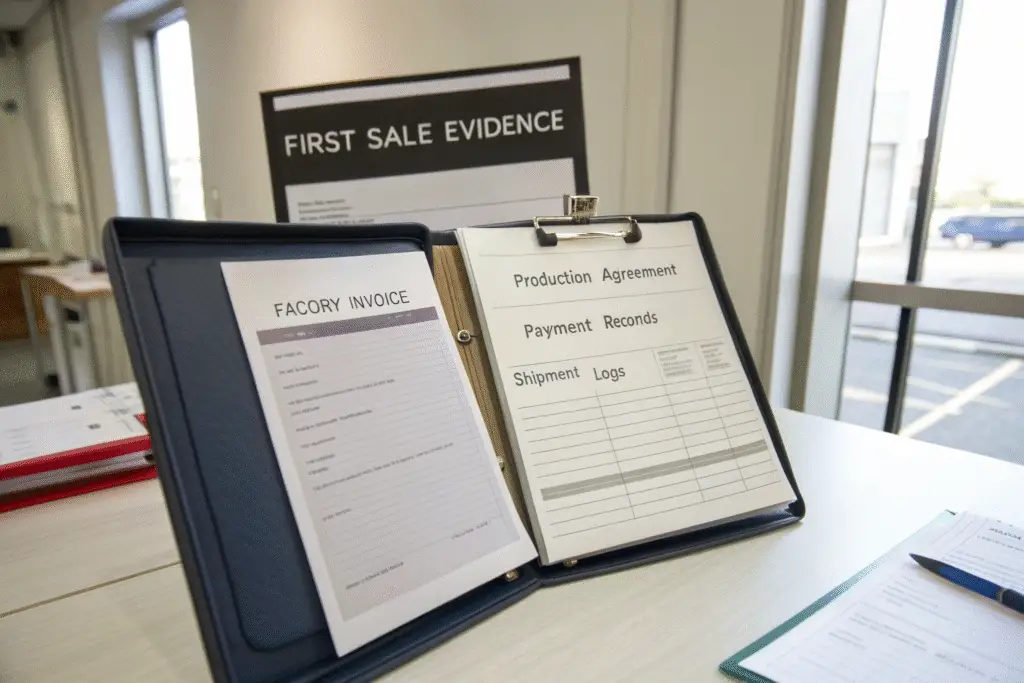
To use First Sale Rule during customs declaration, you need a clear audit trail that shows a valid sale between factory and intermediary, and independence of parties.
U.S. Customs must see evidence that the first sale was legitimate, at arm’s length, and not manipulated.
Minimum Documentation Checklist
- Factory invoice to the middleman
- Middleman invoice to the U.S. buyer
- Proof of payment from buyer to middleman
- Proof of payment from middleman to factory
- Packing list and shipping instructions
- Factory purchase order
- Declaration letter signed by importer
You must also ensure terms are agreed in advance—first sale must be the intended method at time of shipment, not after-the-fact.
You can refer to U.S. CBP's Informed Compliance Publication for full guidance.
Do You Need a Customs Broker?
Yes, ideally. Work with brokers experienced in apparel and First Sale claims. We partner with firms like Flexport and C.H. Robinson who handle these declarations seamlessly for our U.S. clients.
How to Structure First Sale into Your Supply Chain?
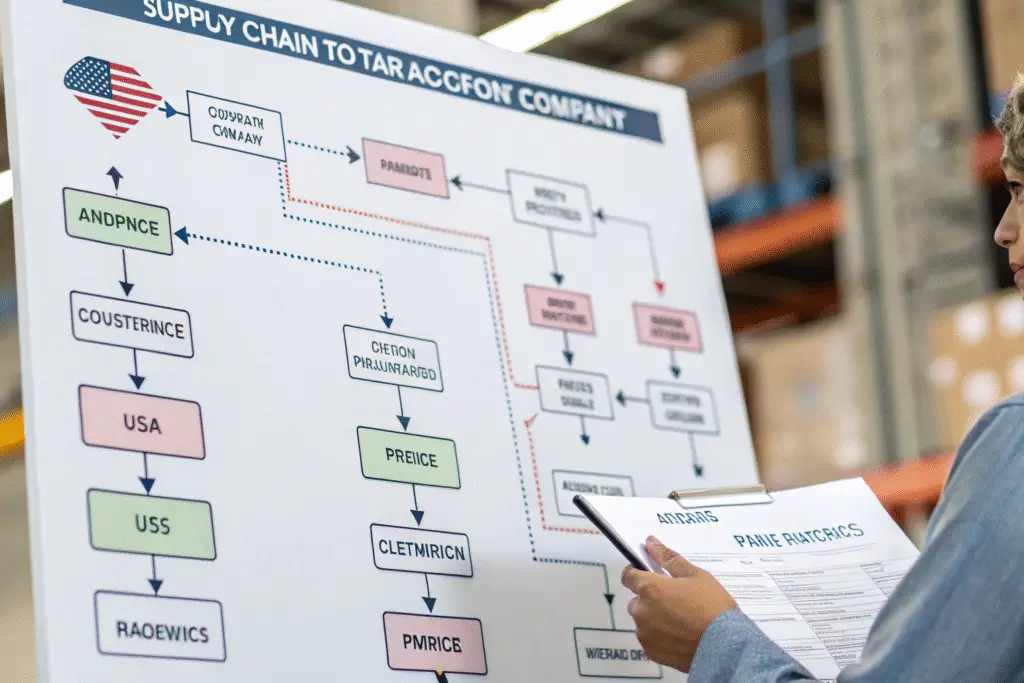
Planning is everything. If your trading company is willing to support First Sale declarations, we can build this into your order process.
We’ve helped clients shift from FOB middleman pricing to factory-based First Sale declarations—cutting total duty costs by 15–20% over a full year.
Can Chinese Suppliers Support This Legally?
Yes—especially full-package factories like ours that deal directly with trading partners and offer transparent invoicing. In fact, most of our DDP clients ask us to structure First Sale documents proactively.
What we provide:
- Dual invoice system
- Supplier declarations
- Factory compliance data
- Payment routing support
- Digital shipment logs via CargoWise
Does This Work for DDP Shipments?
Yes, but it must be structured correctly. DDP doesn’t mean customs invisibility—you can still declare the factory transaction value as long as you're the Importer of Record and have documentation.
We ensure our DDP clients benefit from First Sale where applicable by maintaining full transparency and shipping on their behalf.
Conclusion
The First Sale Rule is one of the most underutilized legal tools in global garment trade. If you’re buying through agents or trading companies and still declaring the higher invoice, you’re voluntarily paying more in tariffs than necessary.
At Shanghai Fumao, we help our U.S. apparel clients implement First Sale correctly—with full documentation, logistics transparency, and customs-aligned invoices. The result? 20% duty savings and a stronger bottom line.
Want to know if you qualify for First Sale benefits? Contact our Business Director Elaine at elaine@fumaoclothing.com and let’s walk through your invoice chain together.