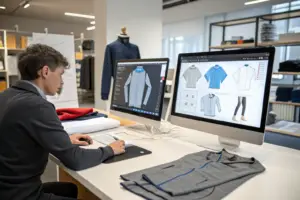
Let's be honest—choosing hardware for your clothing line? It seems straightforward. Until... zippers break. Buttons fall off. Buckles tarnish. These tiny components? They can completely derail a great design. Personally I think many brands get so focused on fabric they forget—hardware determines whether a garment survives past three washes.
Truth is, your hardware supplier choice directly shapes product quality, durability, and frankly—customer satisfaction. Good zippers, buttons, snaps? They make garments work flawlessly. Poor ones? Well—they lead to returns and damage your brand's reputation. To be honest, partnering with someone who provides certified, consistent hardware isn't optional anymore; it's essential for quality control in apparel manufacturing.
Understanding this connection—it's your first step toward building something lasting. Let's explore, shall we?
How Does Hardware Quality Actually Affect Garment Longevity?
Low-quality hardware—it's why garments fail early. A beautiful shirt? Useless if buttons crack. A stylish jacket? Abandoned when the zipper jams. These components take real stress—their failure shortens clothing life dramatically. Investing in good hardware from the start? It protects your designs.
Hardware quality matters because these pieces get used—repeatedly. Buttons get pulled. Zippers get slid. Snaps get fastened—countless times. Cheap plastic, thin metal alloys? They crack. They corrode. They deform under pressure—long before fabric wears out. Good hardware—nylon coil, proper metal alloys? Engineered to last through daily use. Makes the garment stay functional, honestly, for its entire expected life.

What are the most common hardware failures—really?
Common failures—they're predictable, actually. Zippers? A major pain point. Sliders coming off track. Teeth not interlocking. Tapes shrinking differently in wash—causing puckering. Buttons? Plastic ones crack around sewing holes, lose their coating. Snaps pop open under pressure—plating rubs off. Buckles break at their weakest point. These aren't minor defects—they're deal-breakers. Personally I think sourcing from proven garment hardware manufacturing experts becomes crucial—avoids these costly, reputation-damaging issues.
How should you test hardware—before production?
Testing—don't just take their word for it. Reputable manufacturers? They run tests—you should too. Zipper pull tests measure breaking force. Buttons and snaps—cross-cut tests check plating adhesion. Fatigue tests simulate repeated use. Corrosion resistance? Salt spray tests—essential for sweat or weather exposure. Always ask for test reports and relevant certifications. This due diligence—it ensures components perform in the real world. To be honest, it's your best defense.
Why is Supplier Communication—Honestly—Key for Hardware?
Inefficient communication with suppliers—it's a real pain point. Delayed emails. Confused specifications. No technical support—it derails projects before they start. When you can't convey quality needs clearly—or get timely answers? The risk of wrong hardware increases. Good communication—it's the bridge between design vision and physical product.
Effective communication—it's everything in hardware sourcing. Makes sure your quality, compliance, logistics needs get understood. A responsive supplier with a dedicated expert—not some generic sales rep—they offer technical advice. They spot potential issues. They provide clear documentation. This transparency? It prevents misunderstandings about materials, lead times, certification validity—common causes of delays and failures. Good communication turns suppliers into partners—actually, true partners.

How to avoid misunderstandings—with suppliers?
Avoiding misunderstandings—create one unambiguous source of truth. Detailed Tech Packs help—but for hardware, go further. Provide physical approved samples. Use Pantone codes. Agree on documented Acceptable Quality Limit (AQL) standards. And personally I think—insist on one knowledgeable contact at the supplier. Someone who gets your business. Has authority. Eliminates that "telephone game" effect with junior staff.
What questions—should you really ask potential suppliers?
Vetting suppliers—ask the right questions. Don't just focus on price. Dig deeper. "Can you show test reports for corrosion resistance?" "How do you verify material composition?" Ask about experience with your garment type—and their key certifications. Inquire about lead times—and their protocol for delays. Their answers? They reveal expertise, transparency, reliability. Helps avoid partners who cut corners—or worse, falsify documents.
Can Your Supplier—Really—Guarantee On-Time Delivery?
Delayed hardware shipments—they halt entire production lines. Make you miss selling seasons. One of the costliest problems in apparel. If your supplier can't guarantee reliable material flow—your business faces real risk. Their logistics capability? As important as component quality.
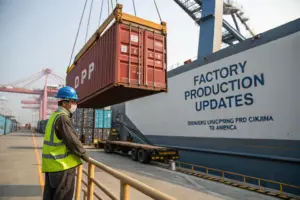
A professional supplier—they can guarantee on-time delivery. Through robust planning. Reliable logistics partnerships. They control raw material inventory. They schedule production efficiently. They use proven export channels. They should provide transparent lead times—communicate proactively about delays. For international buyers? DDP (Delivered Duty Paid) services become crucial—supplier takes full responsibility from factory to your port. No surprises. No hidden fees.

What logistics options—ensure timely delivery?
Logistics options—balance speed, cost, reliability. Air freight—fast but expensive. Sea freight—cost-effective for volume, but slower. Work with suppliers who have strong ties to major [global freight forwarders]—secures space and rates. For seamless experience? Insist on DDP management. They handle everything—factory to destination port. Reduces your admin burden. Minimizes transit risks. Personally I think—it's the way to go.
How does DDP shipping—protect against delays?
DDP shipping—offers real protection. Under DDP terms? The seller bears all risks and costs until delivery to your door. Export formalities. International freight. Insurance. Import duties. Taxes. Prevents customs surprises—a common delay cause. When suppliers manage the whole chain? They've got vested interest in smooth delivery. This integrated approach to shipping and logistics makes them accountable partners—not just vendors.
What Certifications—Should a Reliable Supplier Actually Have?
Certifications—they're not just paperwork. They're independent verification of commitment to quality, safety, ethics. For buyers? Risk management tools. Suppliers who invest in certifications—they demonstrate professional, transparent operations. Your best defense against falsified records or substandard materials.
A reliable supplier needs certifications validating material safety, quality management, environmental compliance. OEKO-TEX® Standard 100? Critical for garment hardware—certifies components free from harmful chemicals. ISO 9001 for Quality Management—ensures consistent quality control. ISO 14001 for Environmental Management—shows sustainability commitment. These certifications? Proof they operate to international standards. Gives you confidence—actually, real confidence—in their products and processes.

How to verify certifications—are they authentic?
Falsified certificates—unfortunately, they happen. Verify authenticity? Ask for original documents. Go directly to certification body websites—OEKO-TEX® or ISO sites. They have public "certificate database" searches. Enter supplier name or certificate number—confirm validity and expiration. This five-minute check? Can save you from catastrophic partnerships. Reputable suppliers? They'll gladly provide details—encourage verification.
Why are material safety certifications—like OEKO-TEX—important?
Material safety certifications—non-negotiable. Especially for North American and European markets. OEKO-TEX® Standard 100—global benchmark. Tests for regulated harmful substances: heavy metals, pesticides, allergenic dyes. Using certified hardware ensures no skin contact with harmful chemicals—basic consumer safety. Protects your brand from liability, recalls. Shows commitment to responsible manufacturing—increasingly important to consumers. Fundamental for sustainable and ethical fashion practices. To be honest—it's just good business.
Conclusion
Your hardware supplier choice? It's strategic—echoes through every part of your brand. Not just a cost to minimize. An investment in product quality, customer satisfaction, brand integrity. Durable zippers and buttons? Clear communication preventing errors? On-time delivery protecting selling seasons? Authentic certifications ensuring safety? All connected. Ignoring any area? Leads to product failures, unhappy customers, damaged reputation.
Prioritizing partnership with technically proficient, communicative, certified suppliers? Builds a solid foundation for your apparel line. This proactive sourcing approach—it turns vulnerabilities into advantages. Lets you bring reliable, high-quality products to market with confidence. Your hardware? Should be the last thing customers ever think about.
Looking for a manufacturing partner who gets this? We're here to help. Contact our Business Director, Elaine, at elaine@fumaoclothing.com. Let's discuss how Shanghai Fumao becomes your reliable, high-value production extension—to be honest, we're ready when you are.