
I will never forget the call from a client in Miami. She was excited. Her first big collection had just arrived. She opened the boxes. The colors were wrong. The sizing was off. The pockets were in the wrong place. She was devastated. She had spent her entire savings. She asked me, "What did I do wrong?" I asked her one question. "Did you provide a tech pack?" There was silence. She said, "What is a tech pack?" That conversation taught me something important. Many new brands do not know what a tech pack is. They do not know that without it, they are trusting their entire business to chance.
A detailed tech pack is essential for budgeting apparel because it is the single source of truth for your entire production process. It contains all the information a factory needs to accurately quote, source materials, and manufacture your garment. Without a tech pack, quotes are guesses, sampling takes longer, mistakes happen, and costs spiral out of control. With a tech pack, you get accurate pricing, faster production, and fewer costly errors.
As the owner of Shanghai Fumao, I have seen the difference a good tech pack makes. I have seen clients save thousands of dollars because their tech pack was clear and complete. I have also seen clients lose thousands because they relied on vague descriptions and hope. Let me explain why a tech pack is the most important tool for managing your budget.
What Exactly Is A Tech Pack And Why Does It Matter?
A tech pack is not just a sketch. It is a comprehensive document that tells the factory everything they need to know to make your garment correctly. It is the blueprint. It is the instruction manual. It is the contract. Without it, you are relying on the factory to guess what you want. Guessing leads to mistakes. Mistakes cost money.
A tech pack is a detailed document that includes technical flat sketches of your garment from multiple angles, a measurement spec sheet with sizes and tolerances, a bill of materials listing every fabric and trim, construction details explaining how it should be made, and labeling and packaging instructions. It leaves no room for interpretation or error.
Think of it as the difference between asking someone to build a house by describing it, and giving them a full set of architectural blueprints.

What Are The Essential Components Of A Tech Pack?
Every tech pack should include several key sections. First, technical flat sketches. These are detailed, two-dimensional drawings showing the front, back, and sometimes side views of the garment. They show seam lines, pocket placements, and design details. Second, a measurement spec sheet. This lists every measurement point on the garment and the required measurement for each size. It should include tolerances, the acceptable range of variation. Third, a bill of materials, often called a BOM. This lists every single component: the main fabric, lining, thread, buttons, zippers, labels, hang tags, and packaging. It should include the supplier or source if known. Fourth, construction details. This explains how the garment should be assembled. Stitch types, seam finishes, topstitching details. Fifth, labeling and packaging instructions. Where should the care label go? What information is on the hang tag? How should the garment be folded and bagged? A client in Denver had a tech pack that missed the label placement. The factory put the labels in the wrong spot. She had to have them removed and re-sewn on thousands of garments. It cost her thousands of dollars. For templates and guidance, resources from the Council of Fashion Designers of America (CFDA) offer excellent tech pack templates.
How Does A Tech Pack Prevent Costly Misunderstandings?
Language barriers are real. Even with good English, descriptions can be misinterpreted. What you call a "pocket" might be different from what the factory understands. A tech pack replaces words with pictures and numbers. There is no ambiguity. You show exactly where the pocket goes. You give the exact measurements. You specify the exact thread color. A client in Chicago once described a "slight gathering" at the waist. The factory interpreted that as a much fuller gather than she wanted. The samples were wrong. They had to be redone. If she had included a sketch with the exact gather ratio, she would have saved time and money. For more on technical communication, organizations like ASTM International provide standards for garment measurement and specification.
How Does A Tech Pack Help You Get Accurate Quotes?
When you ask a factory for a quote without a tech pack, they are guessing. They have to make assumptions about fabric, trims, and construction complexity. Their quote will include buffers for the unknown. Those buffers cost you money. With a tech pack, the factory can calculate exactly what is needed. The quote becomes accurate, not a guess.
A detailed tech pack allows a factory to provide an accurate, itemized quote. The bill of materials tells them exactly what fabrics and trims are needed. The spec sheet tells them how much fabric each garment requires. The construction details tell them how much labor is involved. With this information, they can calculate precise costs for materials, labor, and overhead. You get a real price, not a guess with a safety margin.

How Does The Bill Of Materials Drive Accurate Fabric And Trim Quotes?
The bill of materials is the shopping list. It tells the factory exactly what to buy. Without it, they have to assume. Will you want branded buttons or generic ones? Polyester thread or cotton? A woven label or a printed one? Each choice has a different cost. If the factory assumes the cheapest options to give you a low quote, you will be surprised later when you want better quality. If they assume expensive options to be safe, their quote will be too high. A client in Austin learned this lesson. She asked for a quote without a BOM. The factory assumed basic plastic buttons. She wanted custom metal buttons. The price difference was $1.50 per unit. On 5,000 units, that was $7,500 she had not budgeted for. Now, she always includes a detailed BOM. For trim sourcing, companies like YKK for zippers and Bischoff for trims provide specifications that can be included in your BOM.
How Does The Spec Sheet Help Calculate Fabric Consumption?
Fabric is the biggest cost in most garments, often 50% to 60% of the total. To quote accurately, the factory needs to know how much fabric each garment requires. This is called consumption. The spec sheet, with its detailed measurements, allows the pattern maker to estimate consumption accurately. They can calculate the yards or meters needed per garment. Without this, they are guessing. A client in New York got a quote based on a rough consumption estimate. When the actual patterns were made, the consumption was 15% higher than estimated. Her fabric cost jumped. Her margin disappeared. With a proper spec sheet, the consumption would have been calculated accurately from the start. For fabric consumption calculators and guides, resources from Textile School can be very helpful.
How Does A Tech Pack Reduce Sampling Time And Costs?
Sampling is expensive. Each round of samples costs money for materials and labor. If your instructions are vague, you will need more rounds. The first sample will be wrong. You will send feedback. The second sample will be better but still off. You might need three, four, or five rounds. Each round costs time and money. A good tech pack gets it right the first time.
A detailed tech pack reduces sampling time and costs by providing clear, complete instructions from the start. The first sample has a much higher chance of being correct. This means fewer sampling rounds, lower sampling costs, and faster time to market. It also means you spend less time writing feedback and more time moving forward.
How Many Sampling Rounds Can A Good Tech Pack Save?
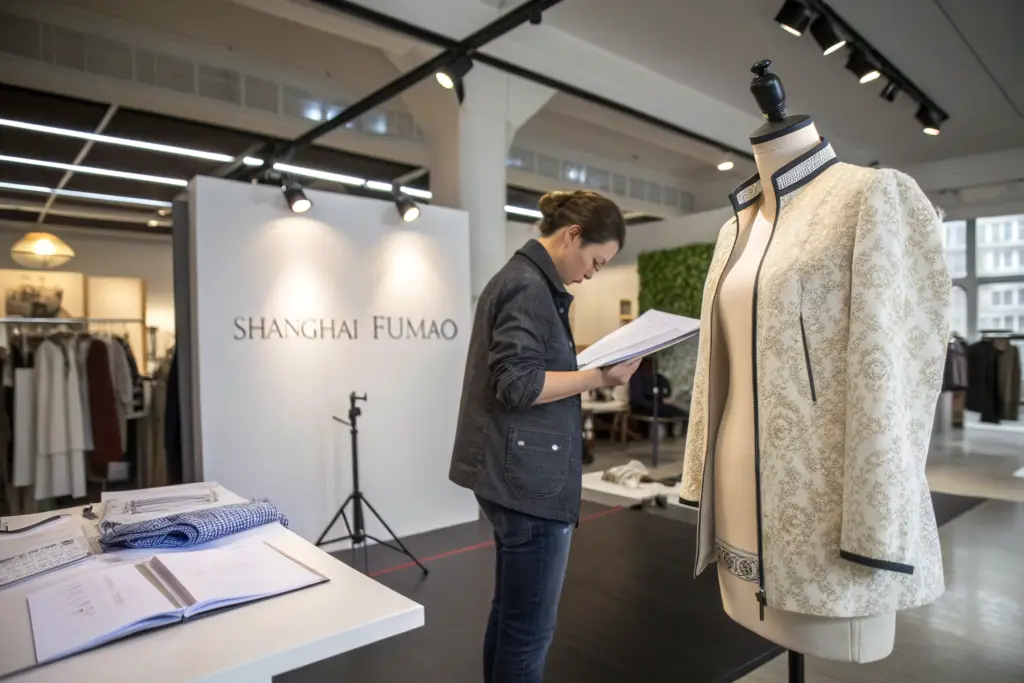
Without a tech pack, three to five rounds are common. With a good tech pack, you can often get it right in two rounds, sometimes even one. A client in Boston came to us with a beautiful tech pack for a complex jacket. Every detail was specified. The first sample was 95% correct. We made minor adjustments and the second sample was perfect. Total sampling cost was half of what she had budgeted. She was thrilled. Another client sent only sketches and measurements. Her first sample was completely wrong. The proportions were off. The pockets were misplaced. She went through four rounds of samples and spent triple what she planned. For more on the sampling process, the CFDA offers guidance for emerging designers.
What Happens When Construction Details Are Missing?
Construction details matter. How many stitches per inch? What type of seam finish? Should the topstitching be single or double? These details affect both the look and the cost. If they are missing, the factory will make their own assumptions. You may not like their assumptions. A client in Seattle designed a pair of jeans. Her tech pack specified the measurements and the fabric, but not the seam finish. The factory used a standard overlock finish. She wanted a flat-felled seam, which is more durable and looks cleaner. The difference in labor cost was significant. She had to either accept the standard finish or pay for rework. If she had specified it in the tech pack, the quote would have included the correct labor from the start. For construction standards, organizations like ASTM International provide specifications for various seam types and finishes.
How Does A Tech Pack Protect You During Production?
The tech pack is not just for quoting and sampling. It is also your quality control tool. It is the standard against which every finished garment is measured. If a garment does not match the tech pack, it is wrong. You have a basis for rejecting it.
During production, the tech pack serves as the quality control bible. Inspectors use it to check measurements, construction, and materials. If there is a dispute about whether a garment is correct, the tech pack is the final authority. It protects you from accepting defective goods and gives you leverage if something goes wrong.

How Do Inspectors Use The Tech Pack For Quality Control?
Inspectors use the tech pack constantly. They check measurements against the spec sheet. They verify that the correct fabrics and trims are used. They confirm that construction details match the specifications. They ensure labels are placed correctly. Every check is against the tech pack. If something does not match, it is noted as a defect. A client in Chicago had a large order of shirts. The factory accidentally used a slightly different thread color on the buttonholes. It was subtle, but it was wrong. The inspector caught it because the tech pack specified the thread color. The factory had to redo the buttonholes on hundreds of shirts. The client was protected. For more on quality control standards, resources from the American Society for Quality (ASQ) and inspection companies like SGS provide detailed guidance.
What Happens In A Dispute Without A Tech Pack?
Without a tech pack, a dispute is a mess. You say the garment is wrong. The factory says it is right. You have no objective standard to settle it. You might end up accepting goods you do not want, or you might end up in a costly legal battle. With a tech pack, the evidence is clear. The garment either matches the specifications or it does not. A client in New York once had a dispute over fabric quality. The fabric felt different from the sample. Without a tech pack specifying the exact fabric weight and composition, she had no proof. She had to accept the goods and sell them at a discount. She lost thousands. Now, every tech pack she sends includes detailed fabric specifications. For legal protection, having a clear, signed-off tech pack can be crucial. Resources from the International Trade Administration can provide guidance on contracts and dispute resolution.
Creating A Tech Pack That Works For Your Budget
Creating a tech pack takes work. It requires learning new skills or hiring someone who has them. But that work pays for itself many times over in accurate quotes, faster sampling, and fewer mistakes. It is one of the best investments you can make in your brand.
Creating an effective tech pack requires attention to detail and a clear understanding of garment construction. You can create your own using templates and software, or you can hire a technical designer. The key is to be complete and accurate. Every measurement, every material, every construction detail should be specified. The more complete your tech pack, the more accurate your budget will be.
Can I Create A Tech Pack Myself Or Do I Need A Professional?
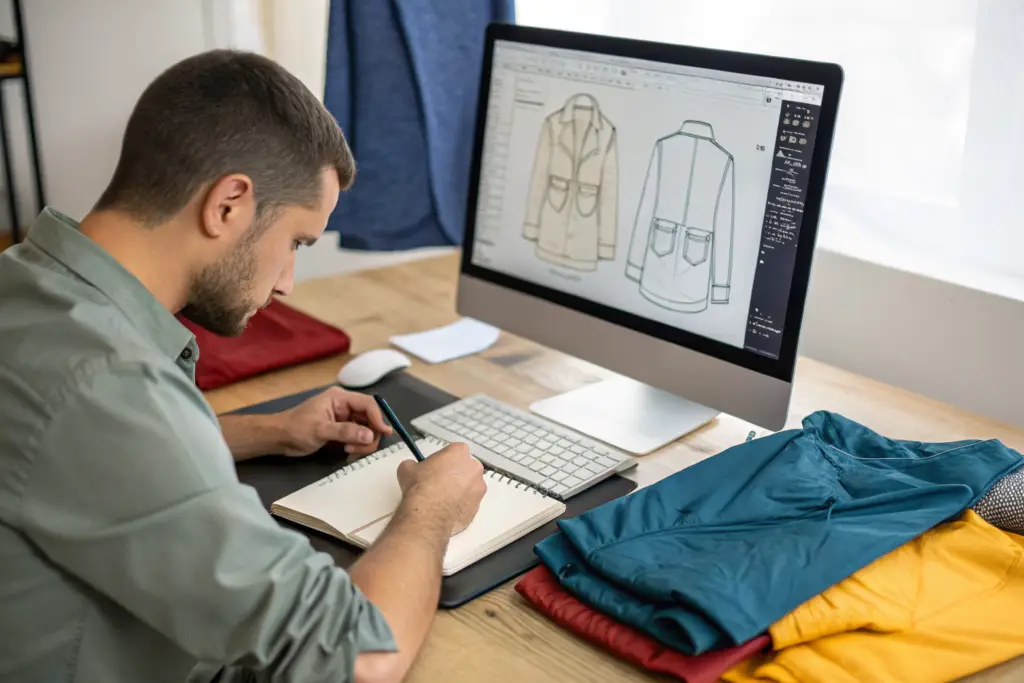
You can create a simple tech pack yourself using templates. There are many resources online, including free templates from the CFDA and other organizations. For simple styles, this can work well. But for complex garments, or if you are not confident in your technical knowledge, hiring a professional technical designer is a wise investment. They know how to specify measurements, choose appropriate seams, and avoid common pitfalls. A client in Austin created her own tech packs for her first collection. She made a few mistakes, but she learned. For her second collection, she hired a technical designer. The tech packs were much better. Sampling was faster. The final products were higher quality. The cost of the designer was covered by the savings in sampling and the reduction in mistakes. For tech pack software and templates, resources like TechPack Designer and the CFDA are excellent places to start.
What Software Or Tools Can Help Me Build A Tech Pack?
There are many tools available. Adobe Illustrator is the industry standard for creating flat sketches. Excel or Google Sheets are great for spec sheets and bills of materials. There are also specialized tech pack software platforms like Techpacker, Backbone, and others that integrate everything into one system. These platforms can make the process easier and help ensure you do not miss anything. A client in Denver uses Techpacker for all her tech packs. She loves that she can share them online, get feedback, and keep everything organized. For small brands starting out, a simple combination of Illustrator and Excel works perfectly. For more on tech pack tools, online resources like Business of Fashion and fashion technology blogs often review the latest software.
Conclusion
A detailed tech pack is not just a nice-to-have. It is essential for budgeting apparel. It gives you accurate quotes by providing factories with complete information. It reduces sampling time and costs by getting it right the first time. It protects you during production by serving as the quality control standard. And it prevents costly misunderstandings and disputes. The time and money you invest in creating a good tech pack pays back many times over in savings and peace of mind.
At Shanghai Fumao, we work with brands at every level. Some come to us with perfect tech packs. Others come with just sketches. We help them all. But we always encourage them to develop their tech packs. It makes our job easier, and it makes their business stronger. We can review your tech pack, provide feedback, and help you refine it. We want you to succeed.
If you are ready to take control of your budget and your production quality, and you want to work with a partner who values clear communication and precision, I would love to talk. Let's discuss your upcoming collections and how we can help you create tech packs that work. Please reach out to our Business Director, Elaine, to start that conversation. Her email is elaine@fumaoclothing.com. Together, we can build something that lasts.