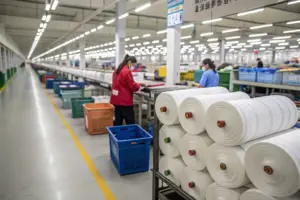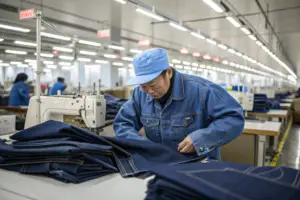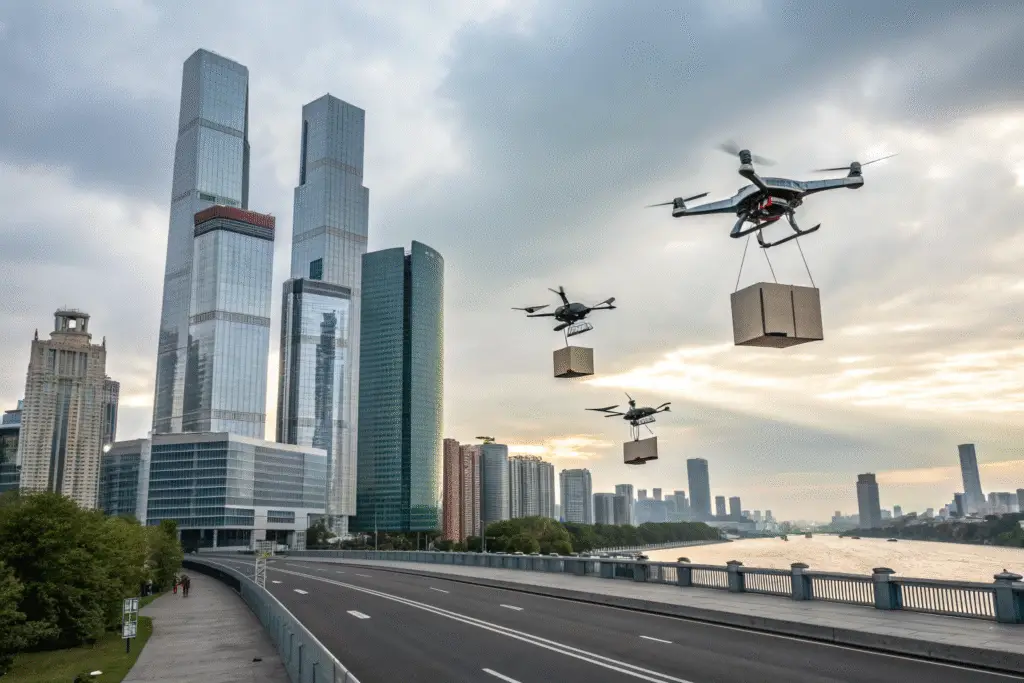
In the apparel supply chain, speed and efficiency determine competitiveness. Buyers in the United States rely on fast sample approvals to keep up with seasonal cycles and consumer demand. Traditional couriers often cause delays due to customs, routing, and traffic, which results in lost opportunities.
Drone delivery for sample shipments is transforming logistics with faster speed, lower costs, and sustainable operations.
For suppliers like us at Shanghai Fumao, adopting drone solutions not only demonstrates innovation but also provides our buyers with a more reliable experience. Let’s explore how drone delivery solves common challenges in sample logistics.
Faster Sample Approvals With Drone Delivery
The apparel industry operates on short seasonal cycles. A delay of a few days in sample delivery can lead to missed opportunities in production and sales. Drone delivery provides a faster alternative, ensuring that buyers receive samples within hours instead of days.
Drone delivery enables near-instantaneous local shipments, allowing buyers to make quicker approvals and accelerate production timelines.
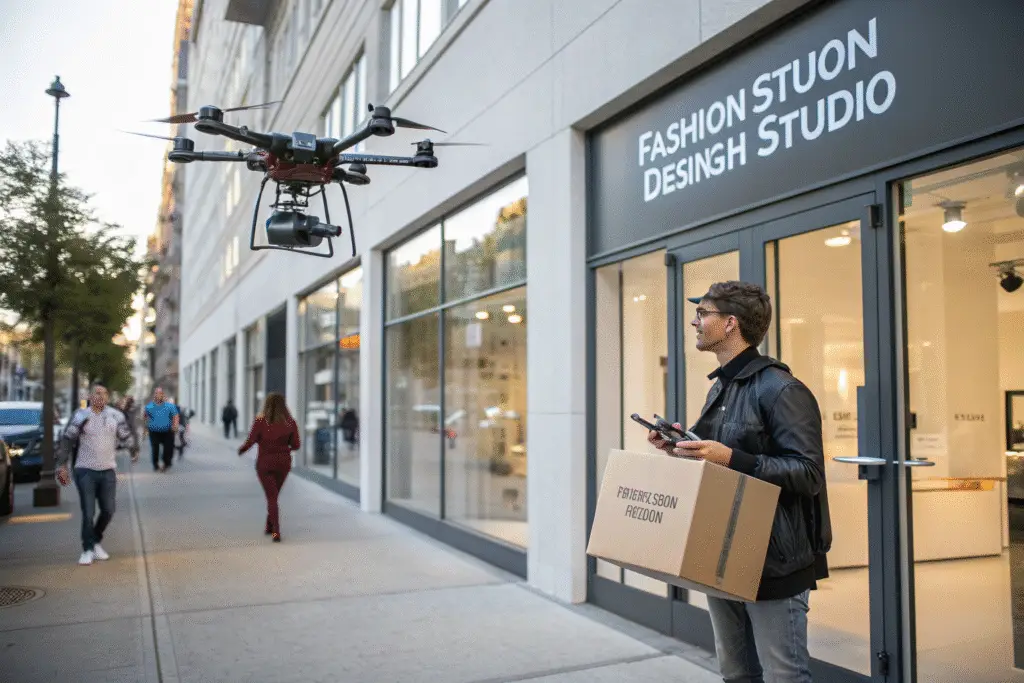
Why Does Speed Matter In Apparel Sourcing?
In fashion, timing is everything. Seasonal launches are tightly scheduled, and late approvals can push entire collections off the retail calendar. Using drones, samples can bypass customs bottlenecks and road traffic, enabling same-day approvals. According to Vogue Business, retailers that shorten sample cycles gain a measurable advantage in trend adoption.
Traditional couriers cannot always guarantee timeliness due to logistics complexity. By contrast, providers like Zipline show that drone logistics can complete local deliveries in minutes. For international buyers sourcing from developing countries, drones reduce the dependency on congested road transport in last-mile delivery.
How Does Drone Delivery Compare To Express Couriers?
Even express couriers that advertise “same-day” delivery are often slowed by ground transportation. Trucks and vans are subject to congestion, accidents, or route restrictions. Drones fly directly between supplier warehouses and buyer offices, avoiding delays.
Companies like UPS Flight Forward have already piloted programs proving that drones consistently outperform trucks in urban and suburban last-mile delivery. This speed advantage allows apparel companies to shorten design cycles and maintain alignment with fast fashion trends.
Cost Efficiency In Drone Sample Logistics
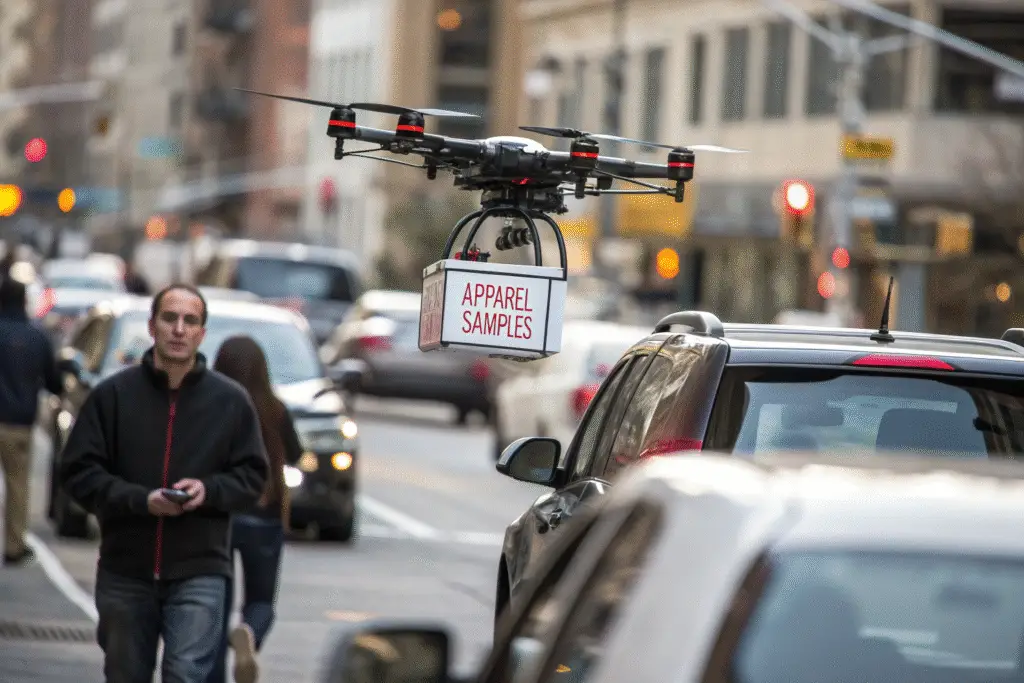
Cost efficiency is a major factor in global apparel sourcing. Traditional express couriers often apply high surcharges for urgent sample shipments. For lightweight packages, drones provide a leaner, more cost-effective model.
Drone delivery reduces operating costs by eliminating driver wages, fuel expenses, and inefficiencies in last-mile transportation.
Why Are Samples Ideal For Drone Logistics?
Samples are usually small and light, often under one kilogram. This makes them perfectly suited for drones, which have limited payload capacity but excel in delivering compact packages.
Drone operators like Wing already demonstrate commercial delivery of small goods at scale. Compared to paying premium DHL Express or FedEx International Priority fees, drones reduce costs for both suppliers and buyers. These savings accumulate over multiple sourcing cycles, lowering overall procurement expenses.
How Do Drones Lower Overall Supply Chain Costs?
By bypassing congested delivery networks, drones cut delays that would otherwise add indirect costs. They also reduce the frequency of lost or damaged packages common in manual courier systems. For example, reports from McKinsey & Company show that automated drone logistics reduce last-mile delivery expenses by up to 40%.
Apparel brands that adopt drones for sample logistics can reinvest these savings into product development and marketing. Over time, this strengthens competitiveness and profitability.
Green And Sustainable Logistics With Drones
The fashion industry is under intense pressure to adopt greener practices. Logistics contribute significantly to carbon emissions, and brands are searching for cleaner alternatives.
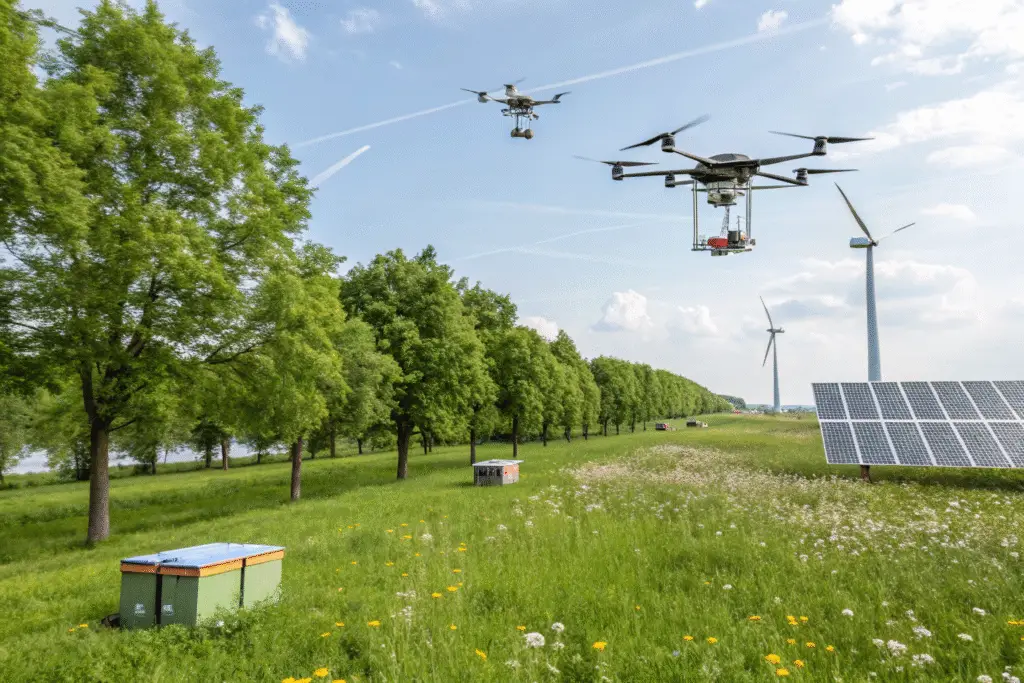
Drone delivery offers a sustainable logistics solution by using electric propulsion systems that reduce carbon emissions compared to trucks and vans.
How Do Drones Reduce Environmental Impact?
Unlike fuel-based vehicles, drones run on rechargeable batteries, producing zero direct emissions. A World Economic Forum study shows that replacing trucks with drones in short-distance delivery can cut emissions by up to 30%.
Furthermore, drones reduce traffic congestion, indirectly lowering carbon footprints in cities. By aligning logistics with sustainability goals, apparel companies improve brand reputation and comply with international environmental standards such as ISO 14001.
Why Is Sustainability Important To Apparel Buyers?
Eco-conscious consumers increasingly prefer to purchase from brands with visible sustainability initiatives. For apparel buyers, demonstrating commitment to green logistics improves credibility in sustainable fashion markets.
Retailers who promote eco-friendly logistics benefit from stronger consumer trust and differentiation in crowded markets. Adopting drone delivery for samples is not just a cost-saving measure but also a marketing advantage for brands targeting environmentally aware audiences.
Challenges And Future Of Drone Logistics
While promising, drone logistics for sample shipments is not without limitations. Regulations, payload capacity, and weather reliability continue to shape its adoption timeline.
The future of drone logistics depends on advancements in technology, regulatory approval, and infrastructure support.
What Regulatory Barriers Limit Drone Adoption?
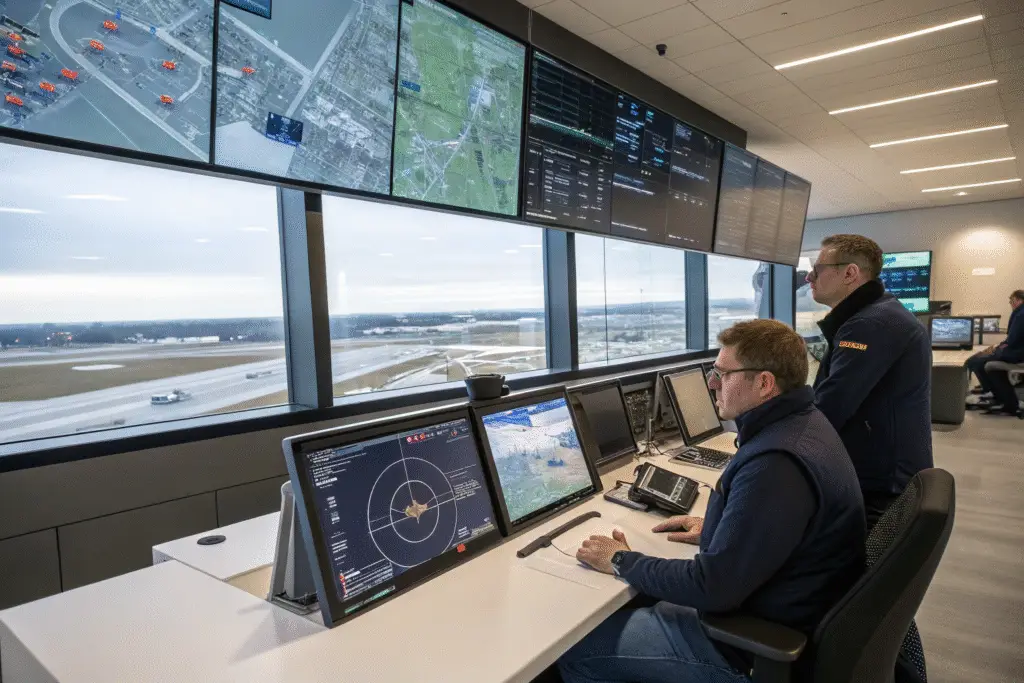
Airspace regulations are among the biggest obstacles. In the U.S., the Federal Aviation Administration (FAA) restricts certain types of drone flights, including beyond visual line of sight (BVLOS) operations. These rules limit scalability until broader legal frameworks are in place.
Still, progress is being made. Countries in Europe and Asia are piloting drone corridors, and the FAA is gradually expanding approvals for commercial drone programs. As regulations evolve, drone logistics will become more accessible for global apparel supply chains.
What Technical Challenges Remain?
Payload capacity is still limited, making drones suitable primarily for samples and small packages. Weather is another constraint—strong winds and rain can ground drone fleets.
Research projects such as NASA UTM are developing traffic management systems for drones to ensure safety in congested airspace. As battery life and weatherproofing improve, drones will become increasingly reliable. For apparel suppliers, early adoption provides an innovation advantage in logistics competitiveness.
Conclusion
Drone delivery is redefining how apparel samples move between suppliers and buyers. With faster approvals, lower costs, and sustainable operations, drones provide a forward-looking logistics solution for the fashion industry.
For now, drones are most effective for lightweight, short-distance sample shipments. As regulations relax and technology matures, their role will expand into broader supply chain applications.
At Shanghai Fumao, we continuously explore advanced logistics solutions, including drone delivery, to give our international buyers reliable and efficient service. If you want to accelerate your sourcing process with innovative logistics, please contact our Business Director Elaine at elaine@fumaoclothing.com.