For any apparel brand owner, the words "supply chain" can bring both hope and worry. You hope for smooth production and on-time delivery. You worry about delays, miscommunication, and quality issues that can derail your entire season. What if there was a way to bring absolute clarity and trust to every step of your garment manufacturing process, even when your factory is across the globe? The answer might lie in a technology you associate more with finance than fashion: blockchain.
Blockchain technology offers a revolutionary solution for cosmic supply chain audits in apparel manufacturing by creating an immutable, transparent, and decentralized ledger that tracks every step of a product's journey, from raw material sourcing to final delivery. This level of traceability directly addresses critical pain points for brand owners, such as verifying ethical sourcing, preventing certificate falsification, and ensuring logistical integrity, ultimately building a foundation of trust that transcends traditional business boundaries.
Understanding your supply chain shouldn't feel like rocket science. It should be as clear as looking at a finished garment. Let's explore how blockchain is transforming supply chain transparency from a lofty ideal into a practical, powerful tool for business growth.
How Can Blockchain Verify Ethical Material Sourcing?
Every great garment starts with great materials. But for brand owners, verifying the origin and ethical standards of fabrics can be a major challenge. How can you be sure your supplier's claims are accurate? Blockchain provides a definitive answer.
Blockchain creates a secure, unchangeable record for every batch of material. When a textile mill produces fabric, details like material composition, origin, and compliance certifications are recorded on the blockchain. This record is permanent and cannot be altered. As the fabric moves to the cutting and sewing facility, each transfer is logged. This process, often called smart contract integration, automates verification. It ensures that only materials meeting your predefined standards enter your production line. This directly tackles the pain point of suppliers falsifying certificates. You gain peace of mind knowing your product's story begins ethically.

What is the real cost of opaque sourcing?
The cost goes far beyond money. Unverified sourcing can lead to reputational damage that takes years to repair. If your customers discover your "organic cotton" shirts came from a non-certified source, the fallout can be severe. Blockchain acts as a preventive shield. By using a distributed ledger, every participant in the supply chain, from the farmer to the factory, adds verified information. This creates a chain of custody that is auditable by you in real-time. You are no longer dependent on a sales rep's promises. You have direct access to verified data, turning your supply chain from a liability into a competitive advantage that you can market to your customers.
How does traceability improve my brand's value?
Today's consumers are increasingly conscious. They want to know the story behind the clothes they buy. A transparent supply chain, verified by blockchain, becomes a powerful marketing tool. You can share the journey of your garment—from the specific source of the cotton to the factory where it was sewn. This builds immense trust and loyalty. It proves your commitment to ethical practices. For you, the brand owner, this transparency also means faster problem-solving. If an issue arises with a specific fabric batch, you can instantly trace it back to its origin, minimizing the impact and ensuring a swift resolution.
Can Blockchain Prevent Garment Shipping Delays?
Delayed shipments are more than an inconvenience; they mean missed selling seasons and lost revenue. The traditional process often involves a maze of paperwork, manual updates, and unclear responsibility. Blockchain introduces a new level of efficiency and predictability to logistics.
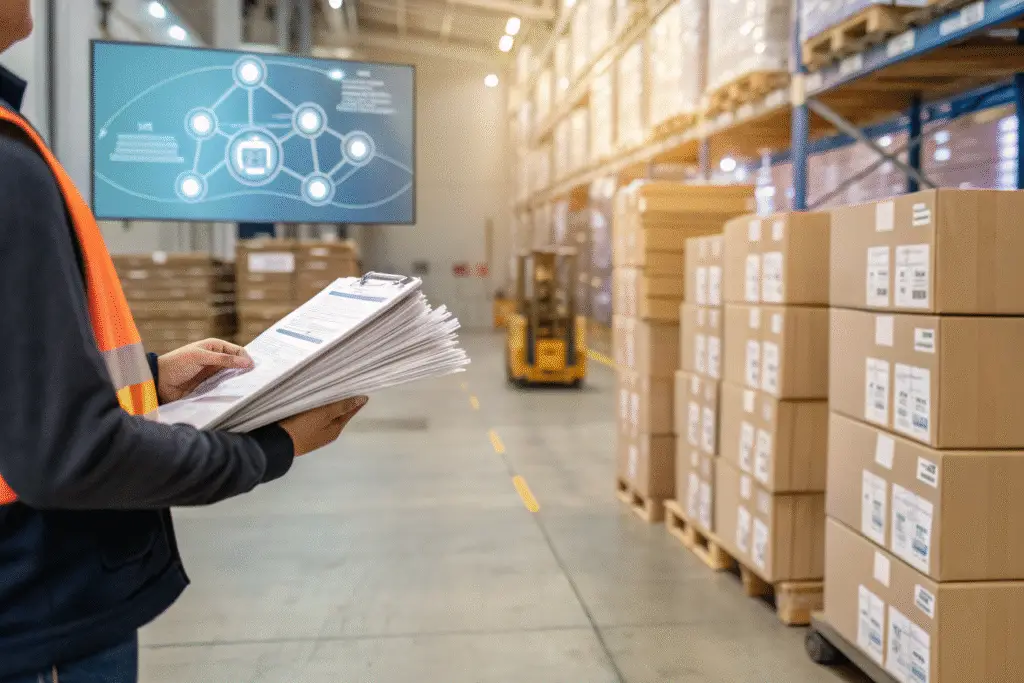
Blockchain streamlines the entire shipping process by providing a single, shared source of truth. When a production order is completed at our facility, the event is timestamped and recorded on the blockchain. The bill of lading can be converted into a smart digital asset. As the container moves from our factory to the port, onto the ship, and through customs, each step is logged automatically by authorized parties. This eliminates manual data entry errors and provides you with a real-time, accurate view of your shipment's location. You know exactly where your order is and can anticipate its arrival, allowing for better inventory planning and sales strategies.
How does real-time tracking save me money?
Real-time tracking directly impacts your bottom line. By knowing the precise status of your shipment, you can optimize your warehouse scheduling and reduce storage costs. More importantly, it allows for proactive problem management. If the system shows a container is held up at customs, you can authorize your logistics team to act immediately, preventing weeks of delay. This level of control is a game-changer for managing DDP (Delivered Duty Paid) shipments, where we handle all logistics until the goods arrive at your door. Blockchain makes the entire process transparent, so you are never in the dark.
What happens when multiple parties are involved?
International shipping involves many players: manufacturers, freight forwarders, shipping lines, customs brokers, and trucking companies. Traditional communication between these entities is slow and prone to errors. Blockchain creates a permissioned network where all parties update and access the same information. This shared logistics framework reduces disputes, automates compliance checks, and cuts down the massive paperwork typically associated with international trade. The result is a faster, more reliable, and more efficient shipping process that gets your products to market on time, every time.
How Does Blockchain Enhance Quality Control Communication?
Inefficient communication with sales reps is a common frustration. Questions about quality inspections can get lost in translation or delayed in email chains. Blockchain transforms quality control from a point-in-time check into a continuous, transparent dialogue.
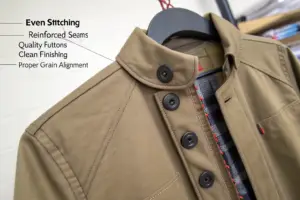
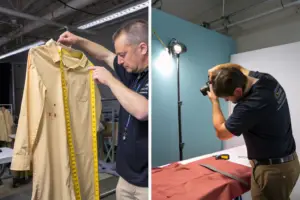
Imagine a system where every quality check is recorded immutably. When our QC team inspects a batch of polo shirts, the results—fabric weight, stitch quality, color fastness tests—are logged directly onto the blockchain. You, as the brand owner, have immediate access to this data. There is no need to wait for a weekly report or chase a rep for updates. This creates an objective, data-driven record of quality that both parties can trust. It turns subjective claims into verifiable facts, building a stronger, more transparent partnership.
Is my design data safe on a blockchain?
Security is paramount, especially when sharing sensitive design specifications and tech packs. Blockchain's decentralized nature makes it highly secure. Instead of storing data on a single server vulnerable to attacks, it is distributed across a network. Access to specific data, like your unique customizable logo designs or pattern files, can be controlled through cryptographic keys. You grant permission to who can see what and when. This ensures your intellectual property is protected throughout the development and production process, giving you confidence when collaborating with an overseas partner.
Can this prevent pre-shipment quality disputes?
Absolutely. Often, disputes arise when expectations set during prototyping don't match the final bulk production. Blockchain can store the approved prototype specifications, including photos and measurement charts. During bulk production, QC data is continuously compared against this golden standard. Any deviations are flagged immediately for correction, long before the entire order is completed. This proactive approach to quality assurance prevents large-scale errors and ensures the final product you receive is exactly what you approved, saving time, money, and preserving the business relationship.
Is Implementing Blockchain in Manufacturing Complicated?
The term "blockchain" can sound complex and expensive, something only for giant corporations. However, for forward-thinking manufacturers like us, it's a strategic investment in partnership and reliability. The implementation is becoming increasingly streamlined.
We have integrated blockchain technology into our existing full-package manufacturing system. This means you don't need to invest in any special software or train your team. You access the transparent supply chain data through a simple, secure online portal. It's as easy as checking your email. The complexity is on our end—we've done the work to embed sensors and data loggers at key stages of production. This allows us to automatically capture and verify information, feeding it into the blockchain ledger without disrupting workflow.
What about the cost versus the return?
The return on investment is clear. While there is an initial setup cost for us as the manufacturer, the value it brings to you, our partner, is immense. It significantly reduces the risks of delays, miscommunication, and quality failures—the very things that cost you money. This investment in transparency is part of our commitment to being your reliable partner. It's not an extra fee but a core part of our service that delivers competitive pricing in the long run by eliminating costly errors and building a more efficient supply chain.
How does this fit with my current sourcing process?
It fits seamlessly. Your process remains the same: you place an order, we confirm, and we produce. The difference is the unparalleled visibility you now have. You are not changing how you work; you are enhancing the information available to you. This aligns perfectly with modern B2B expectations, where data-driven decision-making is key. It empowers you to make smarter business decisions and gives you a compelling story to tell your own customers.
Conclusion
The goal of using blockchain for supply chain audits is not to create a "cosmic" level of complexity, but to achieve a universe of clarity. It's about transforming the opaque into the obvious, turning doubts into data, and building partnerships on a foundation of unshakeable trust. For apparel brand owners, this technology directly addresses the critical pain points of ethical verification, on-time delivery, and quality communication.
The future of apparel manufacturing is transparent, efficient, and secure. It's about providing you with the tools to have complete confidence in your supply chain, no matter where in the world your products are made. This is the new standard of reliability we are committed to offering.
If you are ready to experience a new level of partnership and bring absolute transparency to your next apparel order, let's talk. Contact our Business Director, Elaine, at elaine@fumaoclothing.com to discuss how we can build a secure and successful supply chain for your brand.