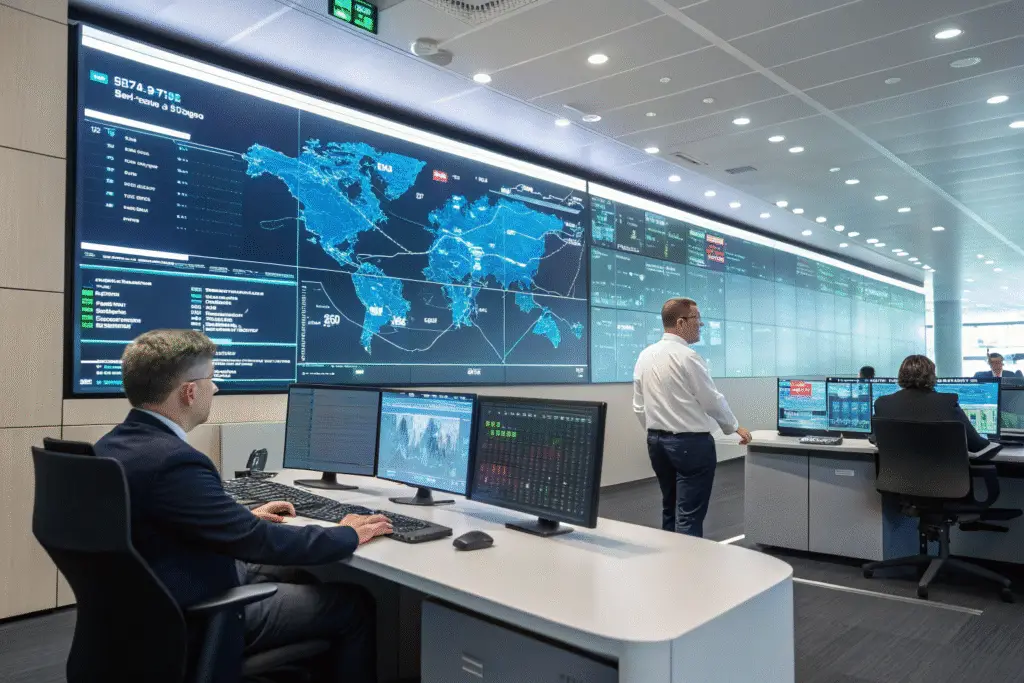
Global trade has grown increasingly complex due to fluctuating tariffs, shifting supply chains, and unpredictable regulatory changes. For importers, exporters, and logistics providers, forecasting costs has become a major challenge. Traditional methods often fail to capture the speed and volatility of these changes, leading to unexpected expenses and reduced competitiveness.
AI-powered predictive tariff cost modeling addresses this problem by analyzing historical data, monitoring real-time signals, and simulating future trade scenarios with greater accuracy. By leveraging machine learning and advanced analytics, businesses gain better visibility into costs and can make smarter, faster decisions.
In the sections below, I will explain how AI improves forecast accuracy, how it strengthens risk management, how it integrates into supply chain planning, and what role it will play in the future of global trade forecasting.
Improving Forecast Accuracy With AI
The strongest reason for using AI in tariff cost modeling is its ability to process massive datasets and uncover patterns that traditional models or human analysis often miss.
By combining historical tariff records, macroeconomic indicators, and real-time trade data, AI can generate far more precise cost predictions.
Instead of reacting to tariff changes after they occur, businesses can anticipate fluctuations and adjust strategies ahead of time.
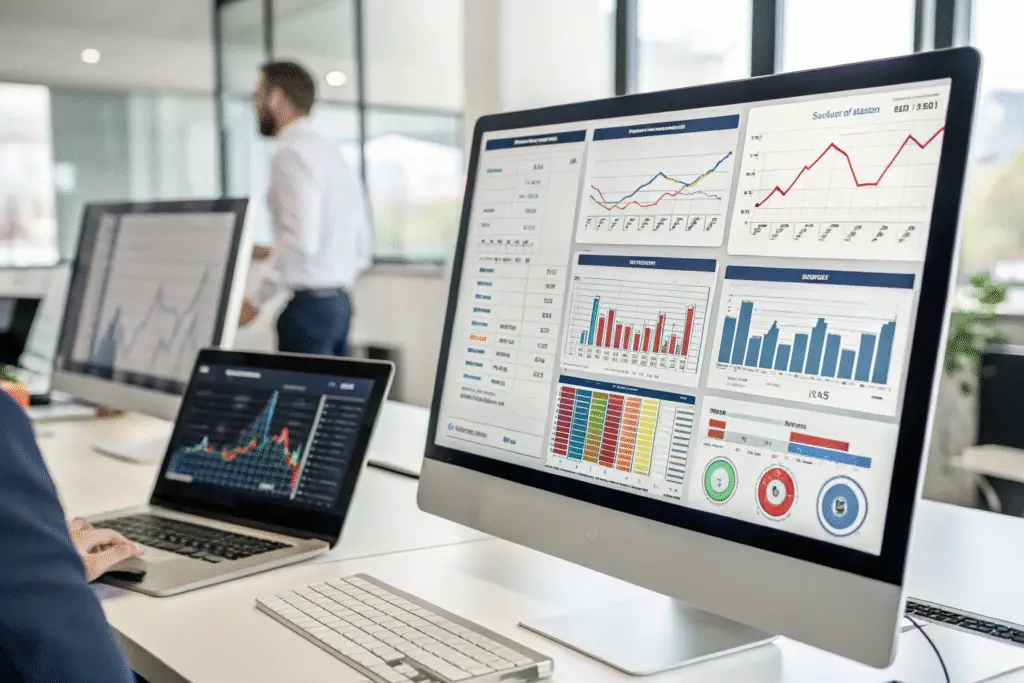
How Does AI Deliver Greater Accuracy?
Machine learning algorithms continuously learn from historical and current trade data, cross-referencing it with commodity prices and geopolitical events. According to World Bank, AI-driven forecasting improves accuracy by up to 30% compared with static models.
What Benefits Do Companies Gain?
Accurate predictions allow companies to refine sourcing strategies, set competitive pricing, and avoid unexpected financial shocks. This creates a stronger competitive position in industries where margins are already narrow.
Managing Risks And Uncertainty
Tariff changes often happen with little notice, exposing companies to sudden financial and operational risks. AI-based models can simulate multiple outcomes, helping businesses prepare for different possibilities in advance.
This predictive capability enables proactive risk management, turning uncertainty into manageable scenarios.
With scenario modeling, companies can make informed decisions rather than relying on guesswork.
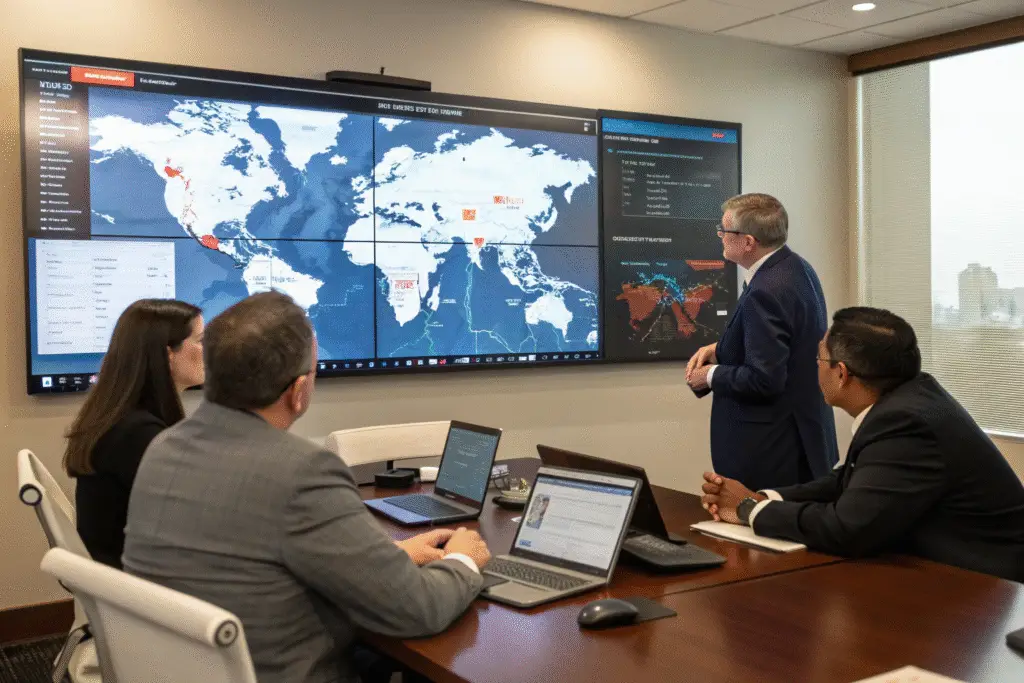
How Does AI Improve Risk Management?
AI tools evaluate how tariff changes will affect specific products, routes, and suppliers. Reports from McKinsey show that businesses using scenario modeling significantly reduce their exposure to financial risk.
Can AI Predict Political Policy Changes?
AI cannot predict political decisions directly, but it can detect early warning signals such as rising trade tensions or historical cycles. This allows businesses to prepare for potential policy shifts instead of being caught off guard.
Enhancing Supply Chain Efficiency
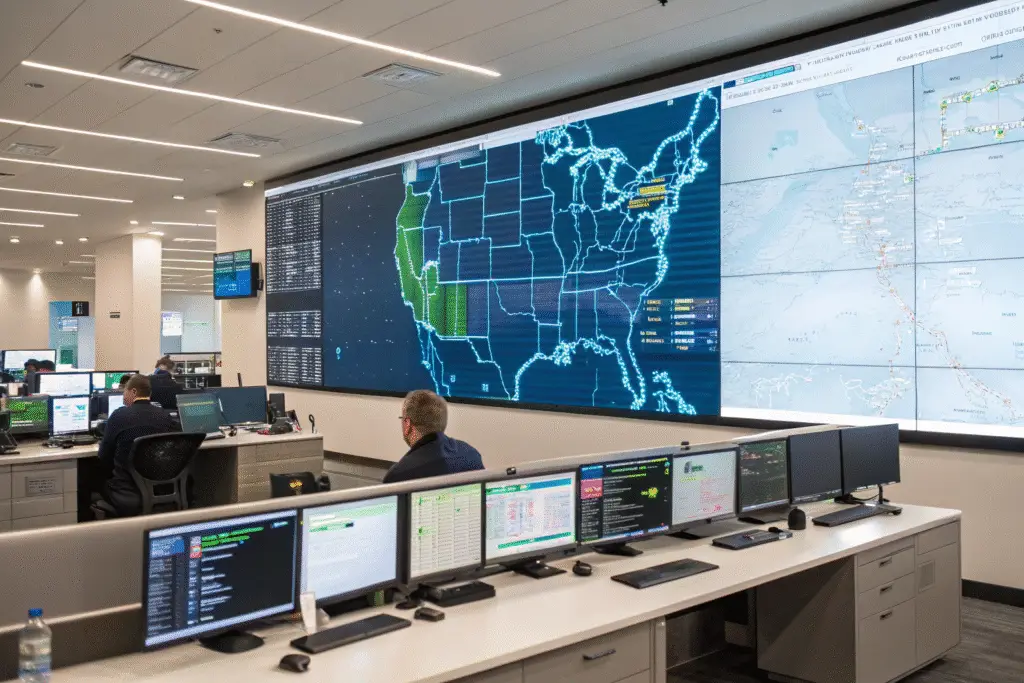
Since tariffs directly influence total landed costs, AI models are increasingly being integrated into supply chain planning. By combining tariff forecasts with customs, logistics, and supplier data, AI provides a more complete picture of operational costs.
This integration allows businesses to optimize supply chain structures, cut costs, and improve transparency.
Instead of focusing only on tariffs, companies can make smarter choices across the entire logistics chain.
How Does AI Support Supply Chain Optimization?
AI systems calculate the total landed cost, including tariffs, duties, and transport expenses. According to Deloitte, this approach helps businesses redesign supply chains to reduce costs by as much as 15%.
Which Industries See The Biggest Benefits?
Sectors with complex global sourcing—such as apparel, electronics, and automotive—benefit the most. For these industries, AI-driven insights directly translate into higher profitability by improving supplier and logistics strategies.
The Future Of AI In Trade Forecasting
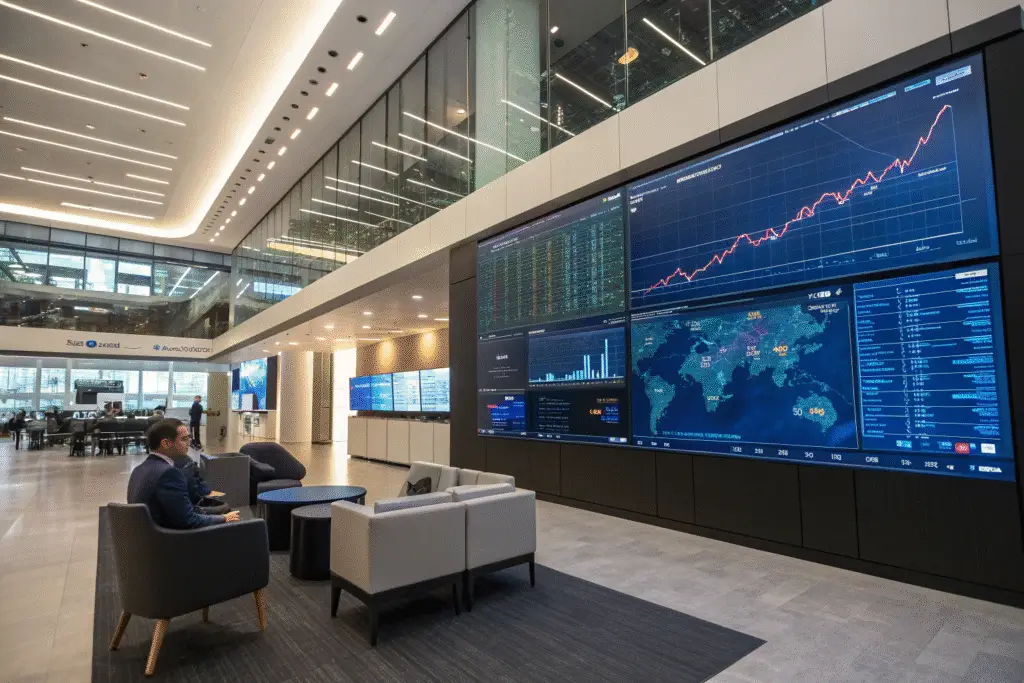
As trade becomes increasingly data-driven, AI will play an even greater role in tariff modeling and forecasting. Future systems will integrate predictive analytics with real-time monitoring, giving companies instant visibility into global trade risks.
By combining AI with blockchain, IoT, and cloud platforms, businesses will create adaptive forecasting ecosystems capable of supporting automated decision-making.
This evolution will shift forecasting from static reports to dynamic, real-time decision support tools.
What Technologies Will Strengthen AI Forecasting?
Blockchain ensures data reliability, IoT provides real-time supply chain updates, and cloud platforms deliver the processing power needed for complex AI models. Reports from PwC highlight that integrating these technologies will make trade forecasting more accurate and reliable.
Will AI Replace Human Decision-Makers?
No. AI will serve as a powerful decision-support tool, while human judgment remains essential for interpreting results and guiding long-term strategy.
Conclusion
AI is transforming predictive tariff cost modeling by delivering higher forecast accuracy, strengthening risk management, enhancing supply chain efficiency, and shaping the future of global trade forecasting. Its ability to process large-scale data and simulate complex scenarios gives businesses a competitive edge in an unpredictable market.
For companies engaged in international trade, adopting AI-driven tariff cost modeling is no longer optional. It has become a necessity for staying resilient and competitive in today’s fast-changing global economy.