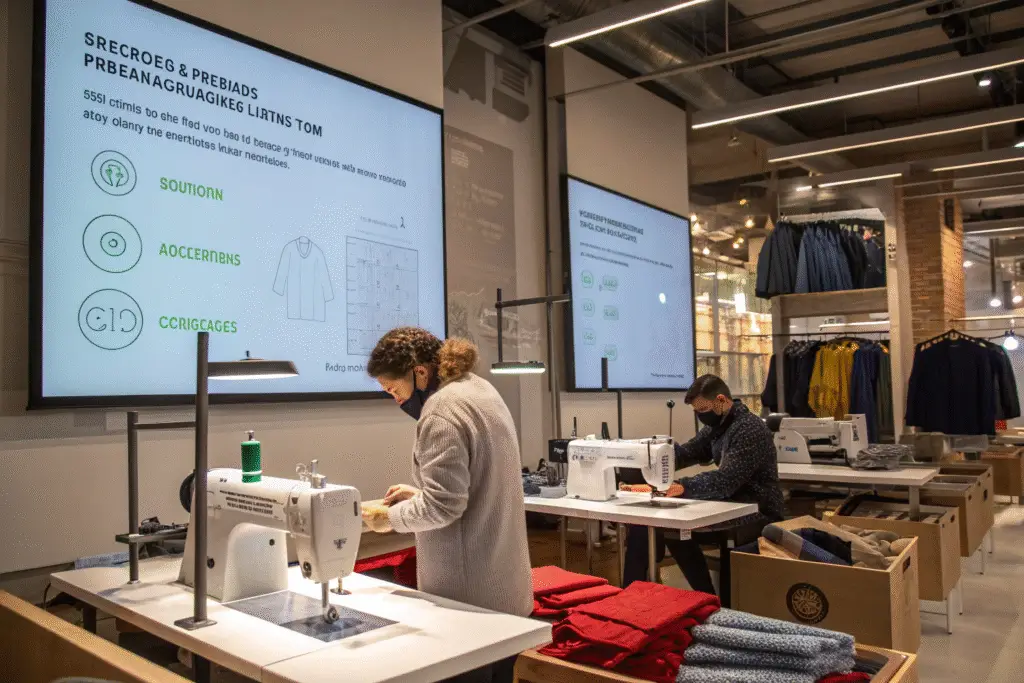
Today's fashion consumers demand more than style and quality—they want to know the story behind their clothes. Where was this made? Were workers treated fairly? What's the environmental impact? This shift makes supply chain transparency essential for modern brands.
Modern consumers expect transparent supply chains because they're more informed and ethically conscious. They use purchasing power to support brands that align with their values, making visibility a competitive advantage in today's apparel industry.
How Transparency Builds Brand Trust
Openness about your supply chain creates stronger customer connections and builds lasting trust. This foundation directly translates to increased loyalty and brand reputation, while hidden supply chains pose significant business risks in our information-rich era.
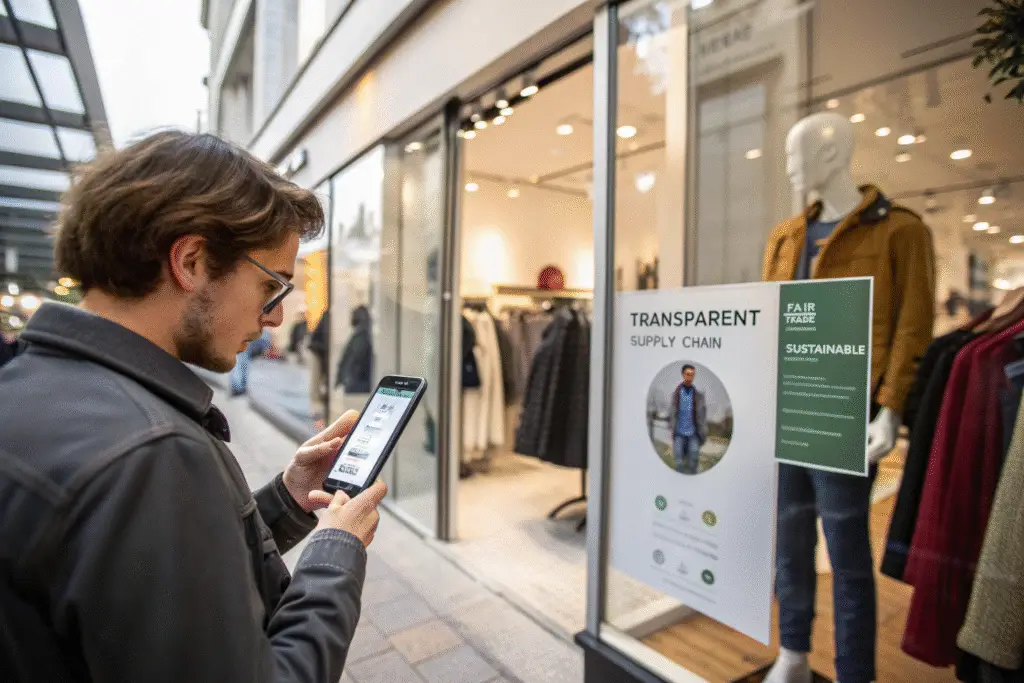
What Transparency Reveals to Customers
Transparency demonstrates your brand's integrity by showing working conditions and ethical practices. Providing compliance certifications assures customers of fair labor standards, while visible factory audit processes prevent reputational damage. This turns ordinary purchases into values-based decisions.
Practical Steps for Supply Chain Visibility
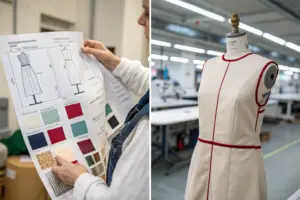
Start by mapping your supply chain and identifying key sharing points. Technology solutions like blockchain for fashion create immutable production records, while QR codes can link to factory information and production details. Partner with manufacturers who provide full documentation and open access.
The Dangers of Opaque Supply Chains
Hidden supply chains create business vulnerabilities in today's investigative consumer landscape. Concealed problems like labor issues or environmental damage can lead to devastating financial and reputational consequences when exposed.

How Poor Visibility Causes Delays
Without clear visibility, you lose control over production timelines. Inadequate tracking leads to missed selling seasons and excess inventory. Implementing strong supply chain management prevents these issues, while poor transparency complicates quality control, resulting in costly returns that damage profitability.
The Reputation Cost of Secrecy
Secrecy breeds consumer suspicion in the transparency era. Brands that hide their processes appear outdated compared to transparent competitors. Certificate falsification scandals can destroy years of brand building, making customer trust recovery far more expensive than initial transparency implementation.
Implementing Transparent Sourcing
Building transparency requires systematic steps, starting with selecting manufacturing partners committed to long-term collaboration and open communication.

Choosing the Right Manufacturing Partner
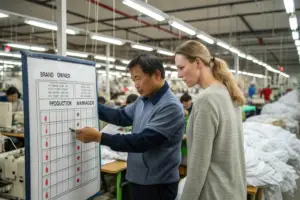
Select partners with verified social compliance certificates and proven on-time delivery records for U.S. brands. Conduct factory visits or virtual tours, and ask detailed questions about sub-suppliers and material sources to ensure complete visibility.
Technology for Supply Chain Visibility
Modern solutions make transparency achievable. ERP systems for apparel integrate factory-to-shipping data, while the Internet of Things (IoT) tracks shipments precisely. These technologies solve communication gaps and delivery uncertainties, keeping partners fully informed.
How Transparency Enhances Quality
Open processes create natural accountability, linking directly to improved product quality through continuous monitoring and worker engagement.
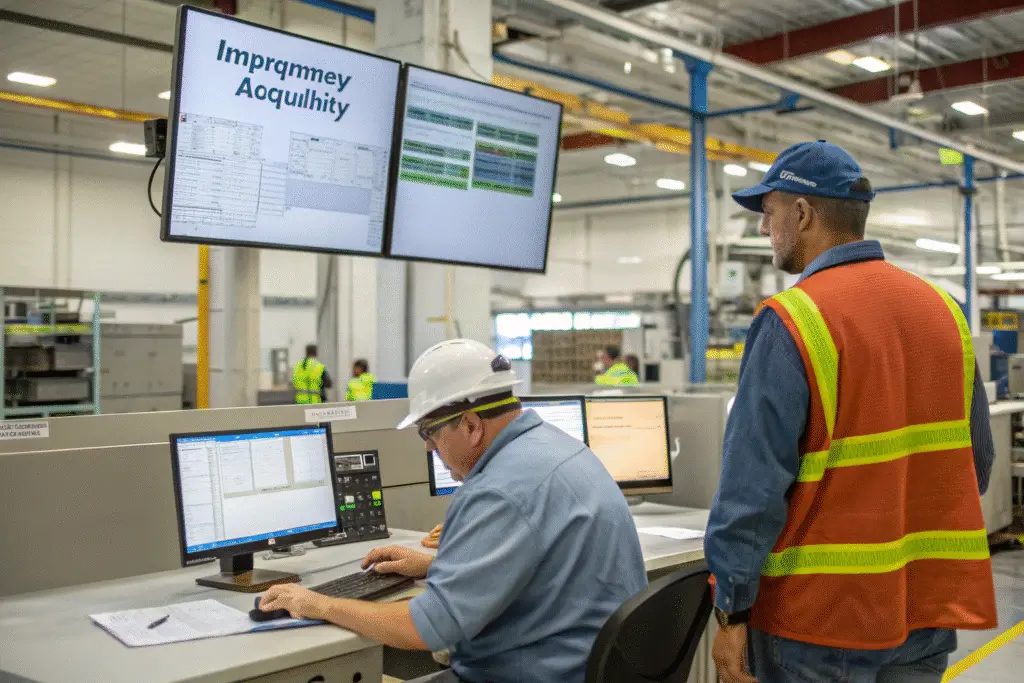
Quality Control Through Openness
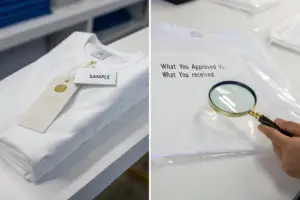
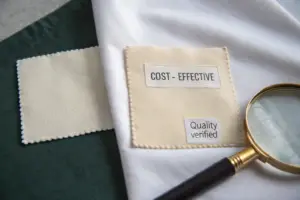
Transparent communication about fabric inspection catches material flaws early, preventing defective batch production. Open cultures encourage workers to report issues immediately, leading to faster corrections and consistent product quality improvements.
Gaining Competitive Advantage
Transparency becomes a powerful differentiator in saturated markets. "Ethically made" and "traceably sourced" positioning appeals to conscious consumers, supporting premium pricing while building brand integrity that competitors cannot easily replicate.
Conclusion
Supply chain transparency represents a fundamental industry shift, not a passing trend. Modern consumers expect ethical responsibility, making openness essential for trust, risk management, and long-term profitability. Transparent practices directly address communication gaps, shipment delays, and quality concerns through partnership-based approaches.
As an experienced apparel manufacturer serving the U.S. market, we've built our processes around transparency and reliability. Discover how a collaborative partnership can strengthen your brand. Contact our Business Director, Elaine, at elaine@fumaoclothing.com to discuss bringing transparency and quality to your next order.