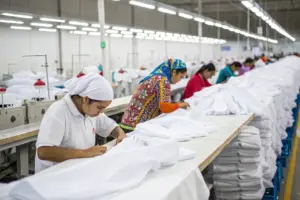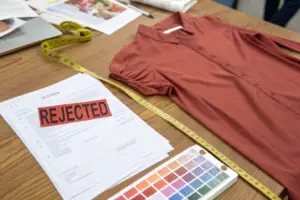
Every fashion brand dreams of creating garments that stand out in the market. You envision premium fabrics, flawless stitching, and designs that capture attention. But too often, brands discover a painful truth: ambitious quality goals crash into harsh budget realities. The secret to achieving both excellence and profitability lies not in the design studio, but in the initial costing sheet.
A realistic production estimate is the strategic blueprint that directly enables and safeguards top-tier garment quality. It aligns your quality aspirations with practical manufacturing capabilities and financial constraints, ensuring you don't have to compromise on materials or craftsmanship mid-production. This foundational document forces you to make critical decisions about fabric, construction, and finishes upfront, preventing costly corner-cutting later. A precise estimate isn't a restriction on quality; it's the financial commitment that guarantees it. Let's explore how an honest cost assessment forms the bedrock of every superior apparel collection.
How does fabric choice in the estimate impact final quality?
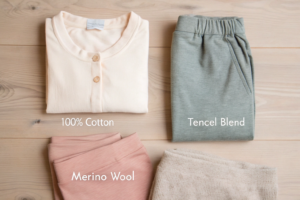
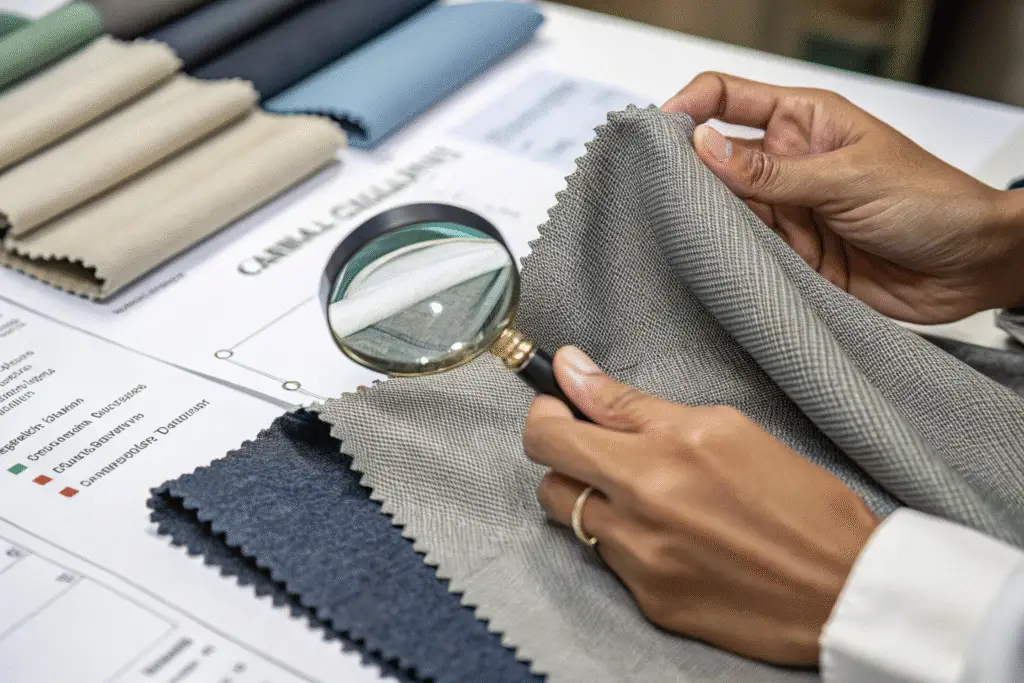
The single biggest factor determining your garment's quality and cost is fabric selection. A realistic estimate forces you to confront this reality head-on. It makes you choose between a standard cotton and a long-staple Egyptian cotton, understanding the exact cost implications for durability and hand-feel. Without this financial clarity, brands often end up with subpar materials that fail to meet customer expectations.
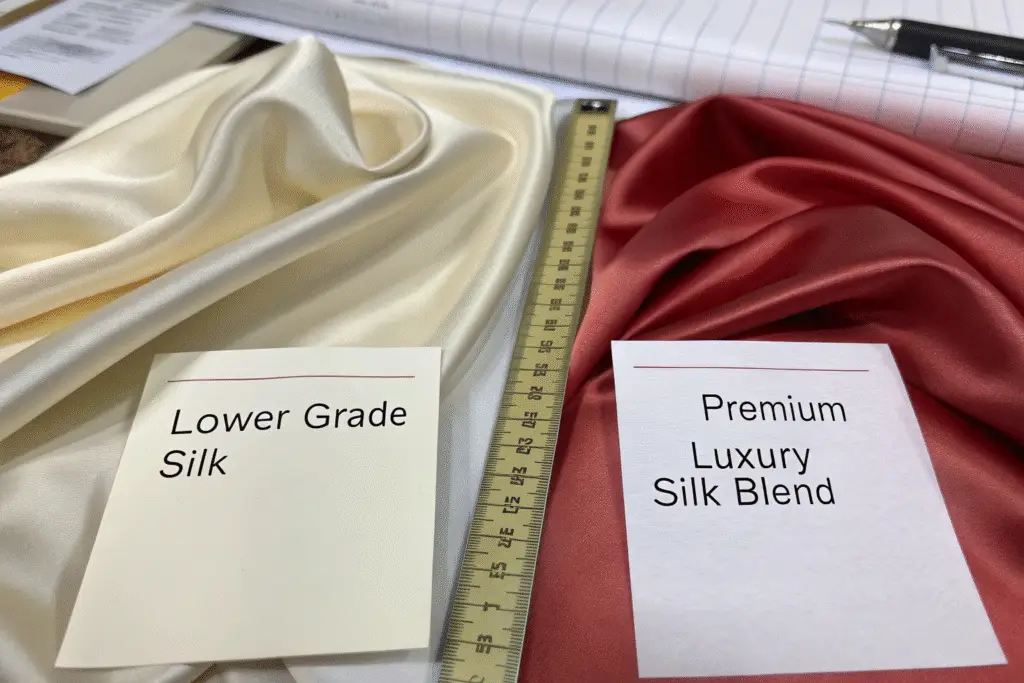
A detailed fabric breakdown in your estimate protects quality. It specifies the weight, composition, and source of the material. For instance, we recently worked with a startup that wanted a luxury silk blend for their blouses. Their initial budget was unrealistic. Our estimate provided a clear comparison: a lower-grade silk at their target price versus the premium silk they desired at a higher cost. This concrete data helped them secure additional funding specifically for the superior material, ensuring their product matched their brand promise from day one.
Why is fabric testing a non-negotiable cost?
Skipping fabric testing to save money is a classic false economy. A realistic estimate always includes line items for pre-production testing like colorfastness, shrinkage, and pilling resistance. This upfront investment prevents catastrophic failures after production. Imagine shipping 5,000 t-shirts that shrink two sizes after the first wash. The cost of returns and brand damage would far exceed the initial testing fee. Including these tests in your estimate is a direct investment in product integrity and customer trust, ensuring your garment quality is consistent and reliable.
How do construction methods affect the budget?
The way a garment is put together significantly impacts both its cost and its longevity. A realistic estimate differentiates between basic overlook stitching and more durable flatlock seams, or between standard attachment and bar-tacking at stress points. Last year, an activewear brand learned this the hard way. They initially chose a cheaper factory that used simpler construction. The result was a high rate of seam failure. When they came to us, our estimate clearly outlined the cost for reinforced stitching, which they then approved. This decision directly led to a 30% reduction in customer returns due to durability issues.
Why does a realistic timeline prevent quality shortcuts?
Rushing production is the enemy of quality. An unrealistic timeline pressures factories to take shortcuts—skipping inline inspections, overworking staff, and pushing through flawed pieces to meet a deadline. A honest production schedule, built into your estimate, provides the necessary time for meticulous work at every stage, from pattern grading to final pressing.
Time equals attention to detail. We structure our estimates with phases that cannot be rushed. For a recent client's complex outerwear line, our timeline dedicated a full week for proto-sample development and revision. This allowed for three rounds of fit adjustments on live models, ensuring the final pattern was perfect before bulk cutting began. This deliberate pace, clearly costed in the estimate, was the direct reason the final jackets had an exceptional fit and finish that received rave reviews.
What is the true cost of multiple sample stages?
A robust estimate budgets for multiple sample stages: proto, fit, and pre-production samples. Each stage is a quality checkpoint. Trying to combine or skip these stages to save money is a major risk. The cost of correcting a flaw in a sample is a few hundred dollars. The cost of correcting that same flaw in 10,000 finished garments is catastrophic. A realistic estimate treats sampling not as an unnecessary expense, but as a crucial quality assurance investment that protects your entire production run.
How does factory capacity planning influence your order?
A good estimate reflects the factory's realistic capacity. Overloading a production line leads to worker fatigue and mistakes. When we provide an estimate, we confirm the production line has dedicated capacity for your order. This means the team isn't rushed and can focus on maintaining high standards. We once took over an order from a brand whose previous factory had crammed their production into an overloaded schedule. The result was inconsistent stitching and misaligned patterns. Our revised estimate included a slightly longer, more realistic timeline, which ensured careful work and a flawless final delivery.
Can you ensure quality control without proper budgeting?
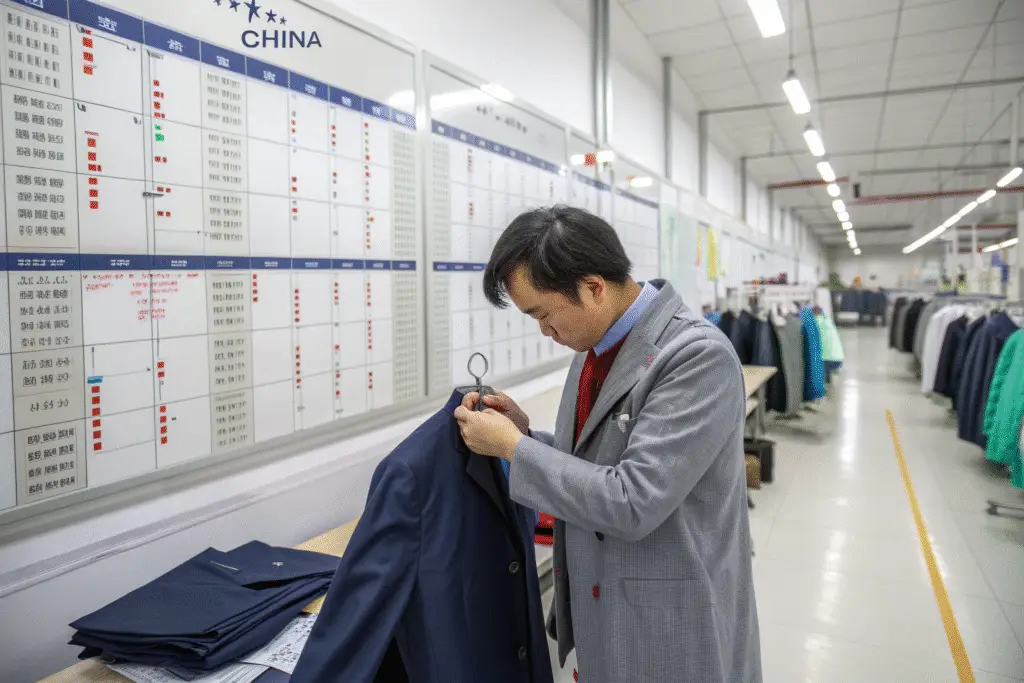
Quality control is not a single event; it's a process woven throughout production. A realistic estimate financially empowers this process. It budgets for dedicated QC staff, inspection time, and the cost of rejecting and replacing defective pieces. An estimate that lacks these details is essentially planning for poor quality.
Without a budget for QC, you are relying on luck. We include specific AQL (Acceptable Quality Level) standards in our estimates, which define the acceptable number of defects. This tells the client exactly what level of quality they are paying for. For a children's wear client, our estimate included the cost for a 100% inspection on all safety-related components, like buttons and snaps. This specific budgetary line item gave them the confidence to market their product as exceptionally safe for kids, knowing the financial backing was there to execute it.
An estimate that seems "cheap" often externalizes the true cost of quality. These hidden costs include customer returns, negative reviews, discounting unsellable goods, and brand reputation damage. A realistic estimate brings these potential costs to the forefront by investing in prevention. It budgets for proper thread tension control to prevent seam puckering and for specialized pressing equipment to avoid fabric shine. Spending $0.10 more per garment to prevent a defect is always cheaper than absorbing a $30 return.
How does trims and accessories sourcing affect durability?
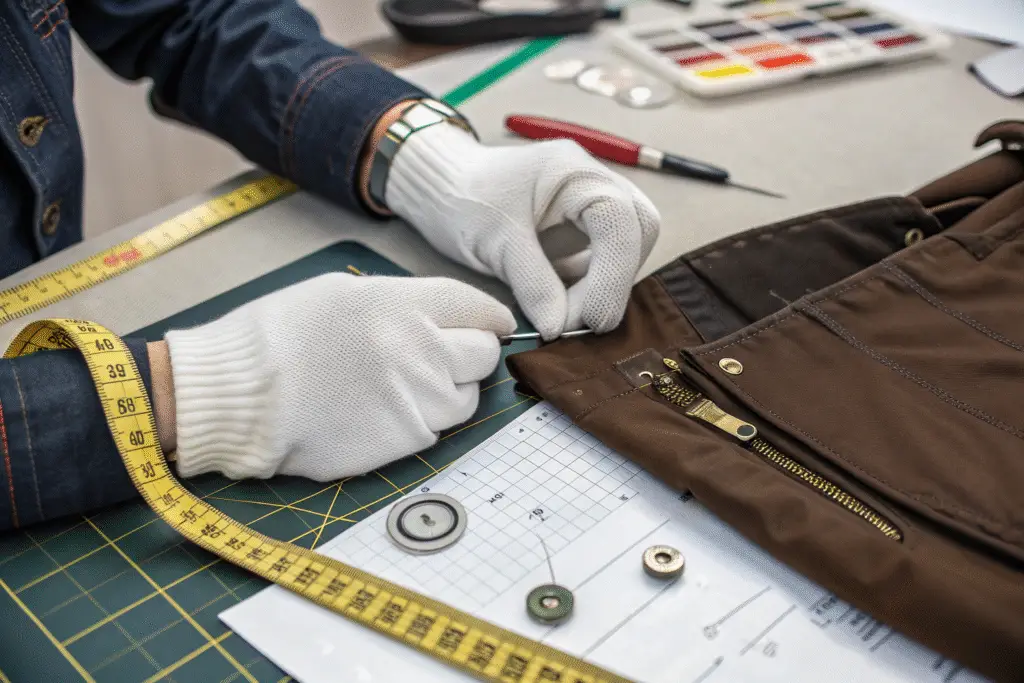
The quality of zippers, buttons, elastics, and interlinings is often overlooked in a rushed estimate. A realistic one specifies and costs these components properly. A cheap zipper will fail, and a low-quality elastic will lose its stretch. We provide clients with options: a standard plastic zipper versus a premium YKK metal zipper, with the cost and durability difference clearly stated. This allows for informed decisions that align with the garment's intended lifespan and price point, ensuring every component meets the overall quality standard.
How does an accurate estimate build a trustworthy supplier relationship?
A realistic estimate is the first step in a transparent, long-term partnership with your manufacturer. It sets clear expectations and shows that you understand the true cost of quality. This honesty fosters a collaborative environment where the factory is motivated to deliver their best work, rather than looking for ways to cut corners to protect their own margins.
When a factory sees that your budget aligns with your quality expectations, they invest more in your success. They assign their most skilled workers and use their best equipment. We've seen this repeatedly: brands that come to us with a realistic budget and a clear quality focus receive preferential treatment. Their orders are managed by senior production planners, and potential issues are flagged and solved proactively. This partnership, started by an honest estimate, is intangible but critical for consistently achieving superior garment construction.
Why is communication more effective with a clear budget?
A precise estimate becomes a common language between you and your supplier. When you need to discuss a potential design change, you can immediately reference the estimate to understand its cost and quality impact. This eliminates guesswork and misunderstandings. For example, if you want to upgrade from a printed label to a woven label, the estimate provides a clear cost delta for that decision, making communication efficient and focused on achieving the desired outcome without surprises.
How does trust lead to better problem-solving?
No production run is completely free of challenges. When a relationship is built on the transparency of a realistic estimate, problems are solved as a team. The supplier isn't afraid to tell you about a fabric delay or a technical difficulty because they trust you will work with them on a solution. We once had a dye-house error that slightly altered a fabric shade. Because of our trusted relationship with the client, built from an honest first estimate, we jointly decided to absorb the cost of re-dyeing the entire lot to achieve the perfect color, protecting the quality of their collection.
Conclusion
Chasing the lowest price often leads to the lowest quality. A realistic production estimate is the strategic tool that breaks this cycle. It transforms your quality vision from an abstract goal into a financially-backed plan, making deliberate choices about fabrics, construction, timelines, and controls. It is the essential first stitch in creating a garment that looks, feels, and performs exceptionally. By investing thought and honesty into your initial estimate, you are not just planning a budget—you are architecting the quality of your entire collection.
Ready to build a realistic estimate that guarantees the top-quality garments your brand deserves? Partner with a manufacturer who understands that excellence starts with honest planning. Contact our Business Director Elaine today at elaine@fumaoclothing.com to begin a partnership founded on transparency and a shared commitment to superior quality.