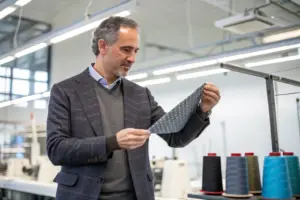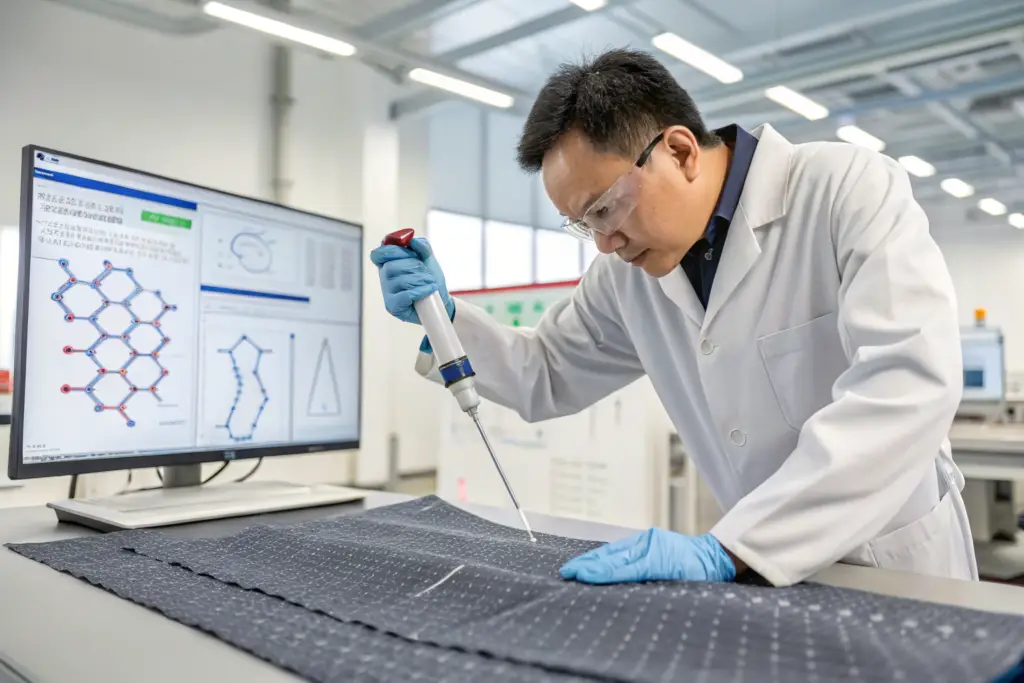
In 2021, a client from Utah presented us with a stunning ski jacket design. It had a unique aesthetic, and their target price point was aggressive. We sourced what we thought was a perfect fabric—great hand feel, excellent waterproof ratings, and a competitive price from a mill we'd used before. The design went into production. But when the first sample was tested for OEKO-TEX certification, it failed. The fabric's durable water repellent (DWR) finish contained a restricted PFAS compound. The mill's R&D team had optimized for cost and performance, but not for the new generation of safety standards. The result? We had to scrap 5,000 meters of fabric, delay the launch by four months, and absorb a significant loss. That painful lesson cemented a fundamental truth: the true value chain of modern ski apparel doesn't start with cutting fabric; it starts in the fabric mill's research and development lab.
The value chain for ski apparel starts with certified fabric R&D because the chemical and performance DNA of the fabric determines 80% of the final product's compliance, quality, and sustainability profile. You cannot "test in" safety or performance at the end; you must "design it in" from the molecular level. Certified R&D de-risks the entire downstream production process, ensures brand integrity, and unlocks true innovation in sustainable performance.
Trying to build a high-value ski brand on uncertified or generically sourced fabric is like building a house on sand. No amount of expert sewing or marketing can fix a flawed foundation. Let's examine why the first link in the chain is the most critical.
How Does Fabric R&D Dictate Final Product Compliance?
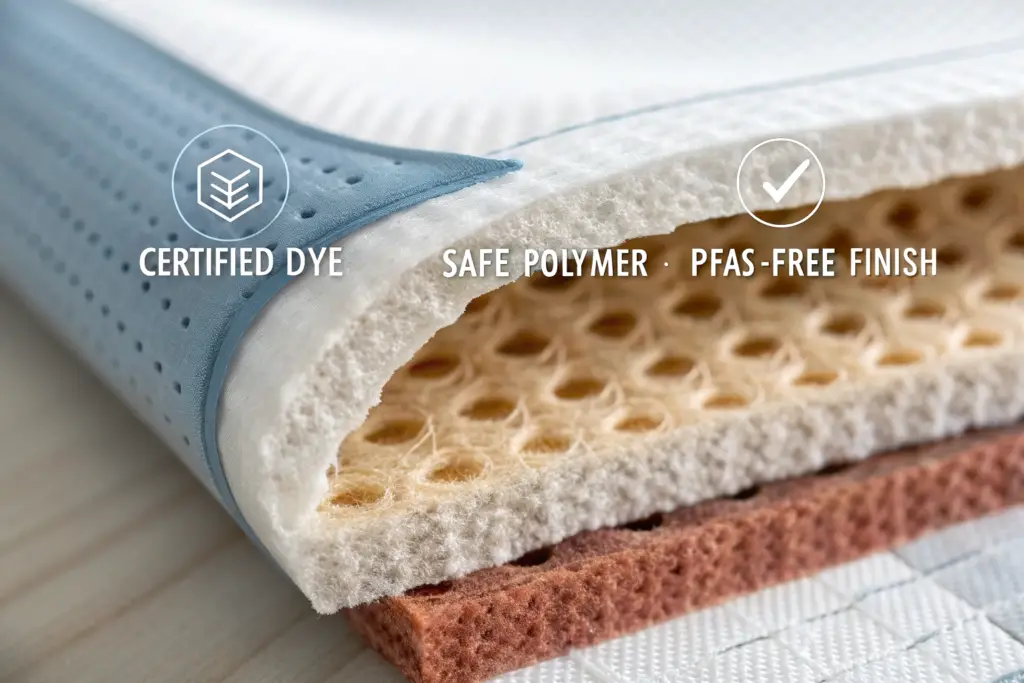
Ski apparel is a chemical engineering project worn on the body. A typical 3-layer waterproof fabric is a composite of a face fabric, a polyurethane or ePTFE membrane, and a tricot backing, all bonded with adhesives and finished with a DWR treatment. Each of these layers and processes involves hundreds of chemical decisions made at the R&D stage. The choice of dyes, finishing agents, polymerization catalysts, and lubricants sets the chemical baseline.
Fabric R&D dictates final product compliance by pre-emptively selecting chemistries that pass OEKO-TEX STANDARD 100, bluesign®, or REACH standards. A mill operating with a "certified R&D" mindset formulates its recipes to exclude restricted substances list (RSL) chemicals from the outset, rather than testing finished batches and hoping for the best. This proactive approach is the only way to guarantee batch-to-batch consistency in safety.
What is the cost of non-certified R&D downstream?
The costs cascade through your supply chain. Testing failures lead to total material loss. Production delays of 8-12 weeks can occur while sourcing new compliant fabric, missing critical shipping windows. Certification complexity increases, forcing the garment manufacturer into costly "expertise procedures." The ultimate cost is brand risk from a potential product recall or loss of consumer trust. A mill with certified R&D provides a full test report with the fabric, often showing it passes not just OEKO-TEX but also standards for UV resistance, abrasion, and water pressure. This document is your first and most important quality gate.
Can you give an example of R&D solving a compliance problem?
A common challenge is creating a high-performance, durable water repellent without PFAS ("forever chemicals"). Mills stuck in old R&D paradigms struggle. Advanced mills with dedicated sustainable R&D labs have developed new technologies based on long-chain polymers or bio-based waxes that meet strict waterproof standards while inherently passing OEKO-TEX and bluesign® criteria. By partnering with such a mill from the start, Shanghai Fumao can offer brands high-performance fabrics that are both safe and future-proof against regulatory bans.
How Does Certified R&D Drive Innovation and Performance?
The narrative that "green means less performance" is dead. Today, the most cutting-edge innovations in ski wear are born from certified R&D labs. The constraint of excluding harmful substances forces chemists and engineers to invent better solutions.
Certified R&D drives innovation by forcing material scientists to explore novel, benign chemistries and processes to achieve performance goals. This leads to breakthroughs in bio-based membranes, circular materials from recycled ocean plastics, and non-fluorinated DWRs that outperform older technologies. Compliance is the catalyst, not the limit.
What specific innovations stem from this approach?
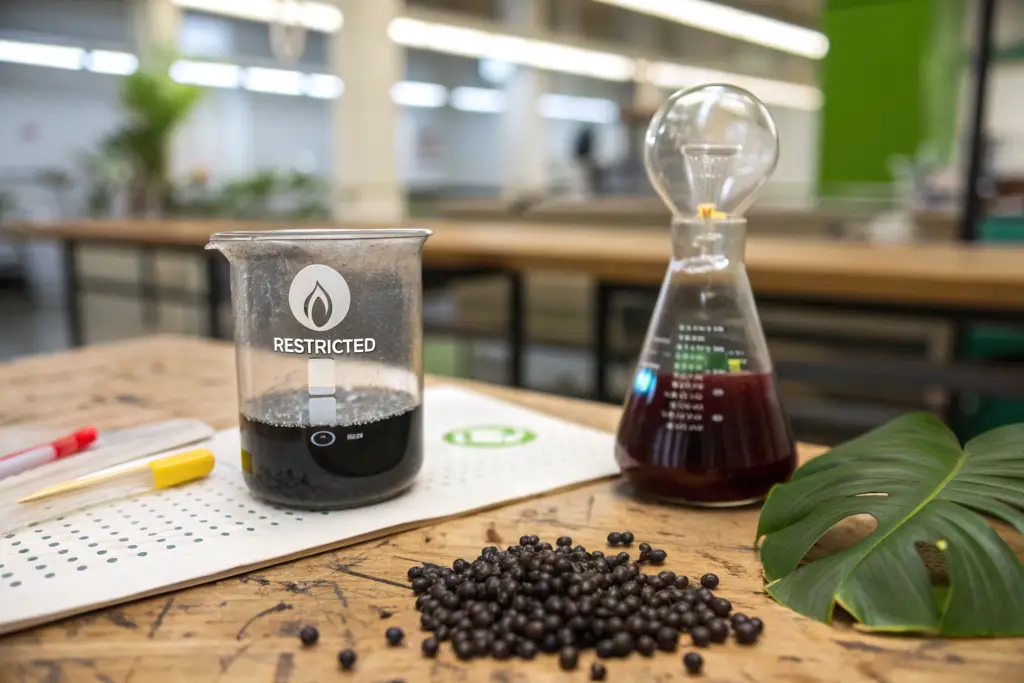
Innovations include circular nylon and polyester from depolymerized waste, plant-based membranes derived from castor oil, and enhanced durability from new cross-linking technologies that improve colorfastness and abrasion without heavy metals. When you source fabric from mills investing in this R&D, you're not just buying a commodity; you're buying the output of their most advanced research, which becomes a unique selling proposition for your brand.
How does this impact the full-package production model?
For a full-package manufacturer like us, having access to these innovating mills is a strategic advantage. We don't just buy from a catalog; we collaborate with their R&D teams early. For instance, when a brand wants a specific color or performance attribute, we can work directly with the mill's lab to develop a solution that is certified from day one. This vertical integration of R&D into the sourcing process is what allows Shanghai Fumao to offer truly custom, yet compliant, technical apparel.
Why Is Traceability from the Mill Non-Negotiable?
"Certified" is meaningless without proof of origin. The market is flooded with fabrics that claim to be recycled or PFAS-free, but without traceability, these are just marketing claims. True value starts with R&D and is captured through an unbroken chain of custody.
Traceability from the mill is non-negotiable because it provides forensic evidence that the certified material you paid for is the material in your jacket. It protects your brand from fraud, enables you to make legitimate marketing claims, and is increasingly required by legislation and retailer compliance portals like the Higg Index.
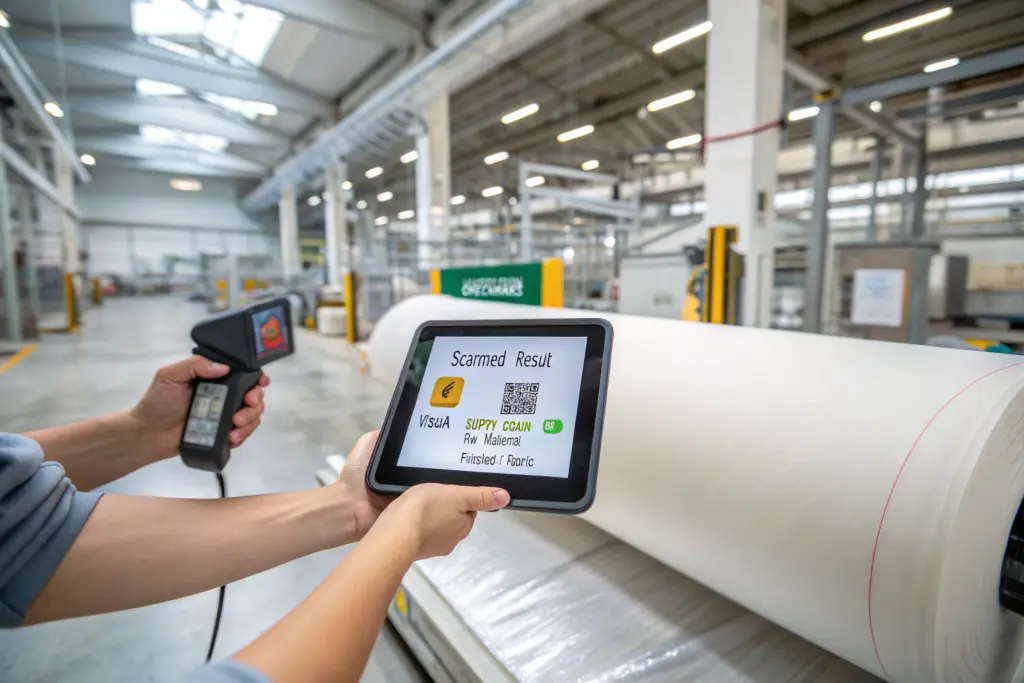
How does certified R&D enable true traceability?
Mills with advanced R&D and production systems embed traceability into the material itself. This can be through chemical tracers, blockchain-enabled lot tracking, or integrated certification systems like OEKO-TEX MADE IN GREEN or GRS (Global Recycled Standard). These systems require documented input from the R&D stage—what raw materials were used, in what percentages, and from which suppliers. This data creates an immutable record.
What are the business consequences of poor traceability?
A brand we worked with in 2023 sourced "recycled polyester" from a broker at a great price. When a major retailer asked for the GRS transaction certificate, the broker could not provide it. The entire order was rejected for the season. The consequence was lost revenue and a damaged relationship with the retailer. In contrast, our partnerships with certified mills allow us to provide full transaction certificates for every order, a service that is now a baseline requirement for serious brands.
How Does This Foundation Impact Cost, Lead Time, and MOQs?
The perception is that starting with certified fabric R&D is more expensive and slower. In the short term and on a per-meter basis, it can be. However, when viewed through the lens of total cost of ownership and speed to market, it is overwhelmingly more efficient.
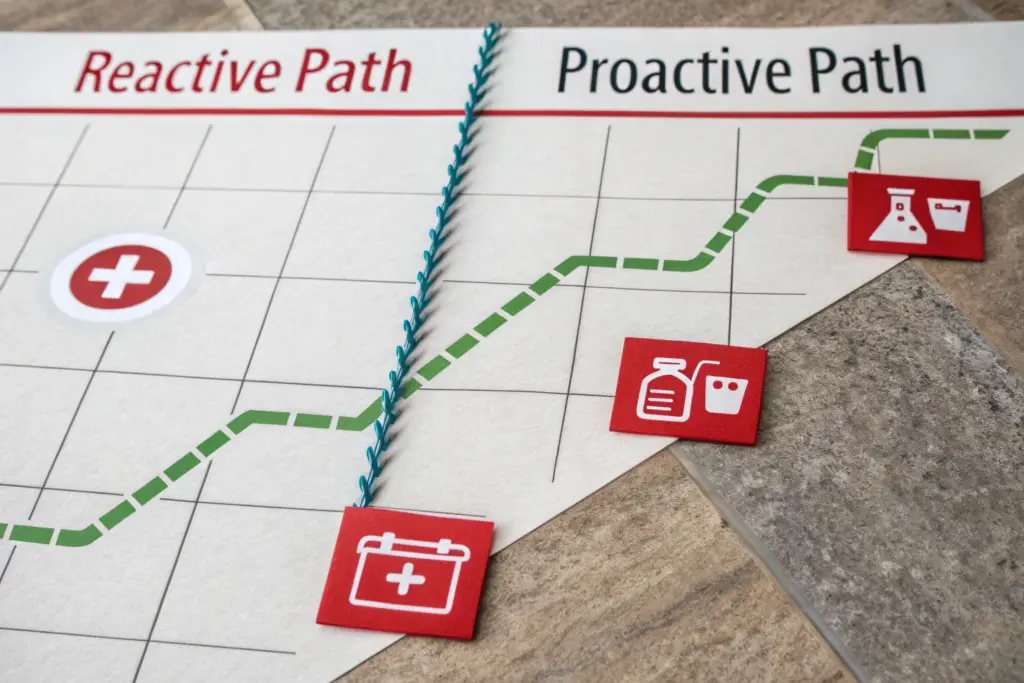
Building on a certified R&D foundation optimizes total cost and lead time by eliminating downstream failures, reducing redundant testing, and enabling faster product development cycles. While the fabric cost per meter may be 10-15% higher, it avoids the 100% loss of a failed production run and the incalculable cost of a missed season.
How does it affect Minimum Order Quantities (MOQs)?
This is a key advantage. Premier mills with certified R&D often cater to the quality market and may have higher fabric MOQs. However, because the fabric is pre-certified and performance-guaranteed, the garment manufacturing MOQ can be more flexible and efficient. You don't need to over-order fabric "just in case" some fails testing. At Shanghai Fumao, we leverage long-term relationships with these mills to offer our clients access to top-tier materials at more accessible project scales.
What is the real impact on lead time?
The lead time equation flips. With an uncertified fabric, you must build in 4-6 weeks for testing after you receive fabric samples, and you face the risk of failure. With fabric from a certified R&D mill, the testing is done before you even select it. You can confidently finalize your design and move directly into production planning, cutting the critical path by over a month. This reliability is why our DDP shipping schedules are so predictable for brands that work within our certified material ecosystem.
Conclusion
The ski apparel value chain is a pyramid, and certified fabric R&D is its base. Every attribute that matters—safety, performance, sustainability, traceability, and ultimately, brand value—is determined at this foundational level. Choosing to start your product's journey anywhere else introduces profound and expensive risk.
Building a brand today means building a story of trust and innovation. That story is written in the chemistry of your fabrics. Partnering with a manufacturer that understands this, and has deep, collaborative relationships with leading certified mills, is not a sourcing decision—it's a brand strategy. At Shanghai Fumao, we have built our full-package production model around this principle, acting as the crucial link that translates certified fabric innovation into flawless, market-ready garments. If you want to build value that lasts from the lab to the slope, let's start at the true beginning. Contact our Business Director, Elaine, at elaine@fumaoclothing.com to develop your next collection on a foundation of certified innovation.