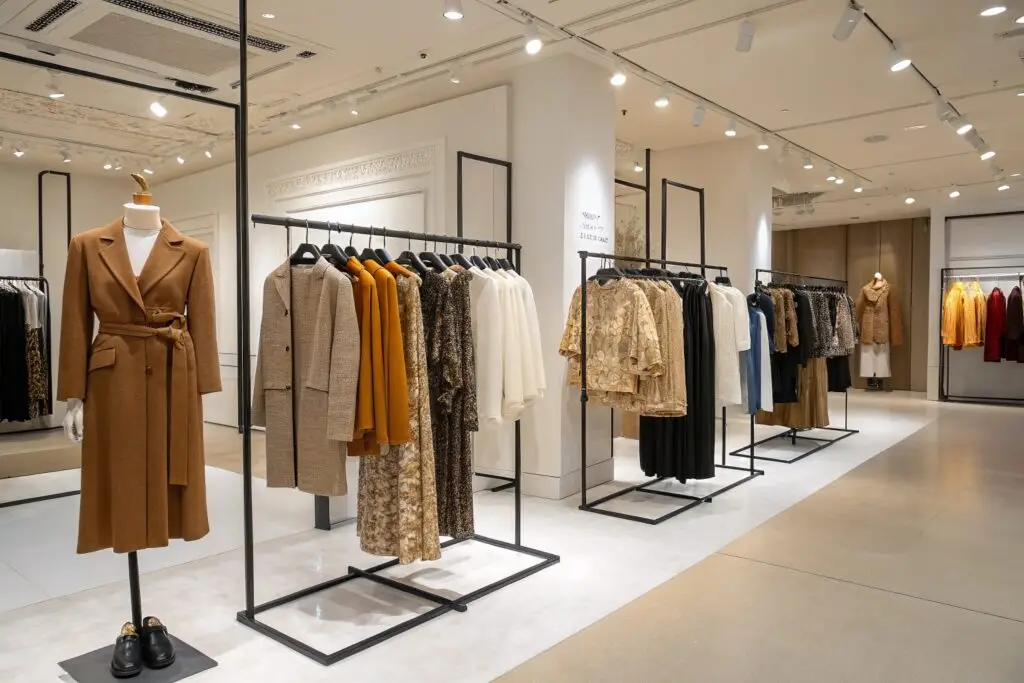
In rental, if the size doesn’t fit, the customer walks away—and so does your revenue.
Size diversity matters more in rental because fit impacts utilization, satisfaction, and repeat business. Without inclusive sizing, garments sit unused and clients feel left out.
At Fumao, we help clients build rental systems that include a full size run from the start. Because in rentals, every unserved size is a missed opportunity.
Why is diversity important in retail?
In today’s fashion landscape, size diversity is no longer optional—it’s expected.
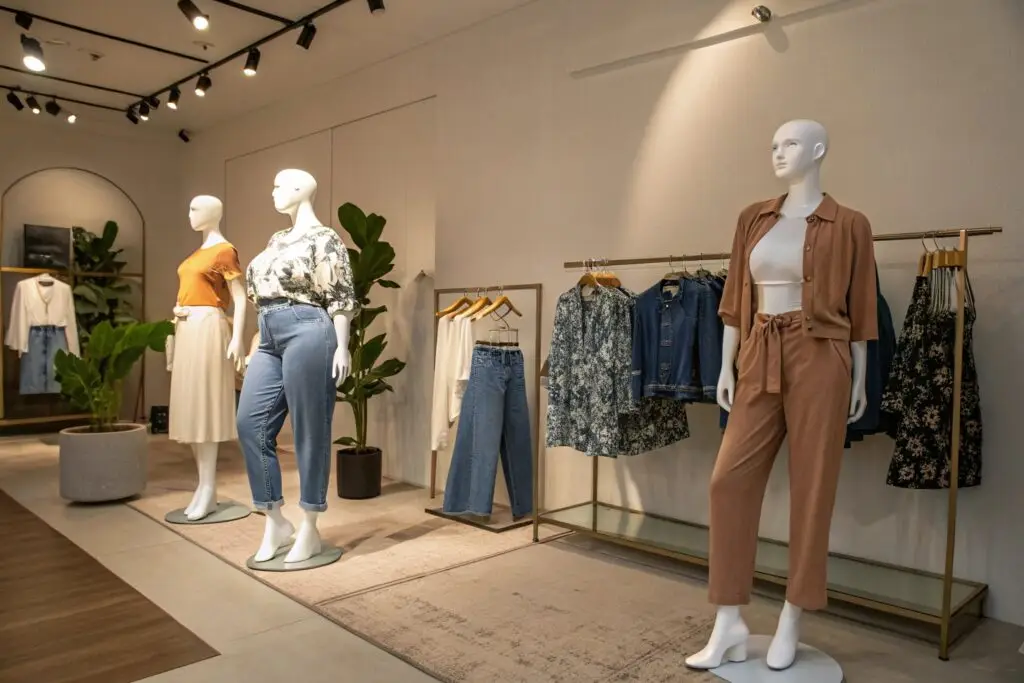
Diversity in retail ensures that a wider range of body types, preferences, and demographics can find something that fits, creating a better brand reputation and stronger customer loyalty.
Why does this principle carry even more weight in rentals?
Unlike retail, rental clients can’t “tailor it later.” The garment must fit on first wear.
If a size isn’t available:
- The rental isn’t placed
- The customer may turn to a competitor
- The item with a missing pair (e.g., top without matching pants) doesn’t get used
One of our clients—a uniform rental company—had only S to L in stock. When they began offering XS and 2XL–4XL, their rental volume increased by 28%. The larger sizes had a 10% higher return rate, but they were also re-rented more often. Why? Less competition in that size category.
What benefits does size-inclusive rental1 bring?
- Higher garment utilization rates2
- Lower customer service friction3
- Better team uniformity across body types
- Stronger client satisfaction for B2B accounts
At Fumao, we advise clients to treat extended sizing as high-value—not high-risk.
What is a retail store with more than the average amount of space and variety of stock?
When it comes to inventory range, some stores go broad to capture all buyer segments.
A retail store with more space and stock variety—like department stores or warehouse clubs—offers multiple product categories, extensive sizing, and wide brand representation.
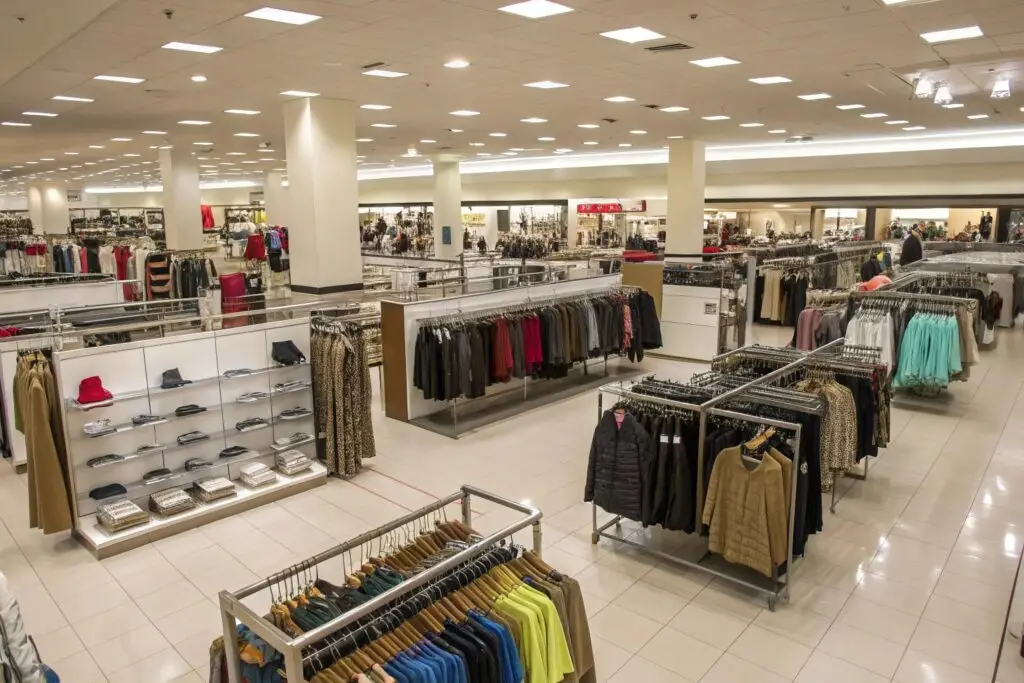
How does this model compare to rental setups?
Large retail stores depend on high inventory turnover and vast product choice. But rental businesses must strike a balance: too much variety, and logistics become a nightmare. Too little, and customer needs go unmet.
Rental doesn’t need the same volume—it needs precision.
At Fumao, we coach clients to structure their rental collections like a “mini-department model4”:
- Uniforms by industry (hospitality, food service, medical)
- Sizes by demand group (XS–4XL)
- Pieces that mix and match across sets
This gives breadth without overextending SKU count.
Why does size variety outperform fashion variety in rental models?
Fashion variety fades with trends. But size variety creates functionality and fit5. A jacket in three colors that only fits M–L will underperform a jacket in one color that fits XS–4XL.
Renters don’t ask “What’s new?”—they ask “Does it fit?”
What is a common bottleneck for large retail stores?
Big inventory brings big headaches—especially in stock management and customer experience.
The most common bottlenecks in large retail stores are overstocked slow-moving items, poor size availability, and difficulty managing returns or damaged goods.
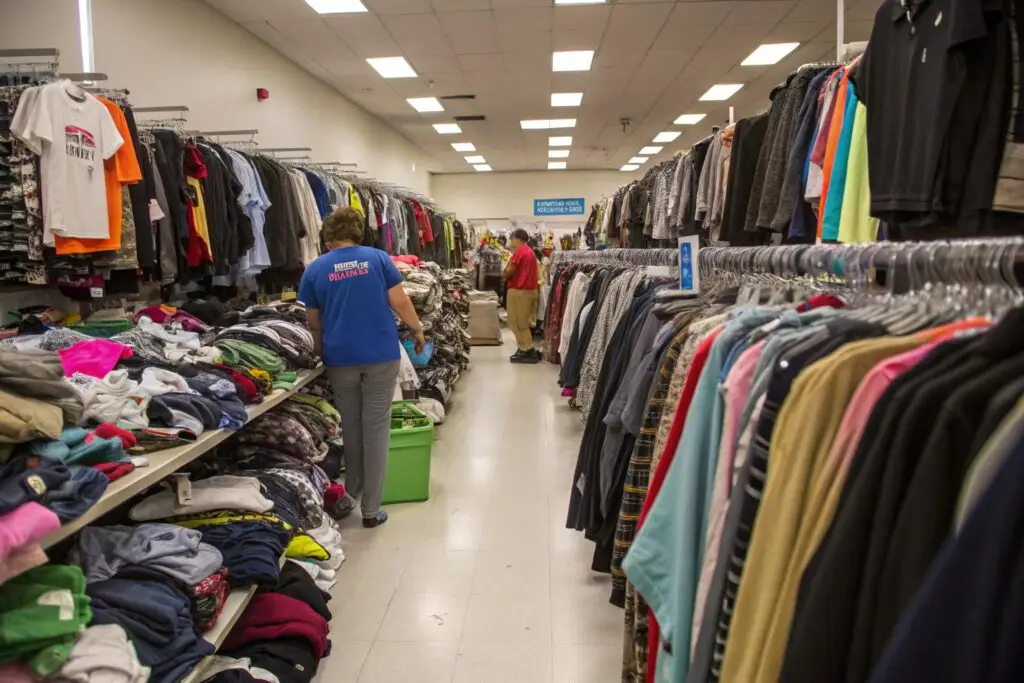
Why does this bottleneck intensify in a rental model?
Rental requires reverse logistics6. Every item comes back and must be:
- Cleaned
- Inspected
- Repaired
- Repaired again
- Put back in stock
If large size ranges aren’t handled precisely, they either pile up (e.g., too many XXL that don’t move) or run out (e.g., not enough M or L during peak season).
One of our partners ran out of XL chef coats mid-season. Their staff started mixing sizes, leading to poor customer feedback and a damaged account.
After rebalancing sizes based on usage frequency, their fill rate jumped from 83% to 96%.
- Size-run analytics: rental frequency by size
- Usage heatmaps: visualize size gaps by SKU
- Reorder thresholds: automated by size performance
- Size scanning tags: track garment size per client order
At Fumao, we build size-specific reorder matrices that help clients rebalance inventory every quarter.
Which type of store would have the most variety of merchandise?
Broad-spectrum stores—like department stores, online marketplaces, or large rental houses—carry more categories, brands, and sizing options.
Stores with the most variety include department chains, e-commerce platforms, and modular rental services that segment inventory by function, fit, and frequency.
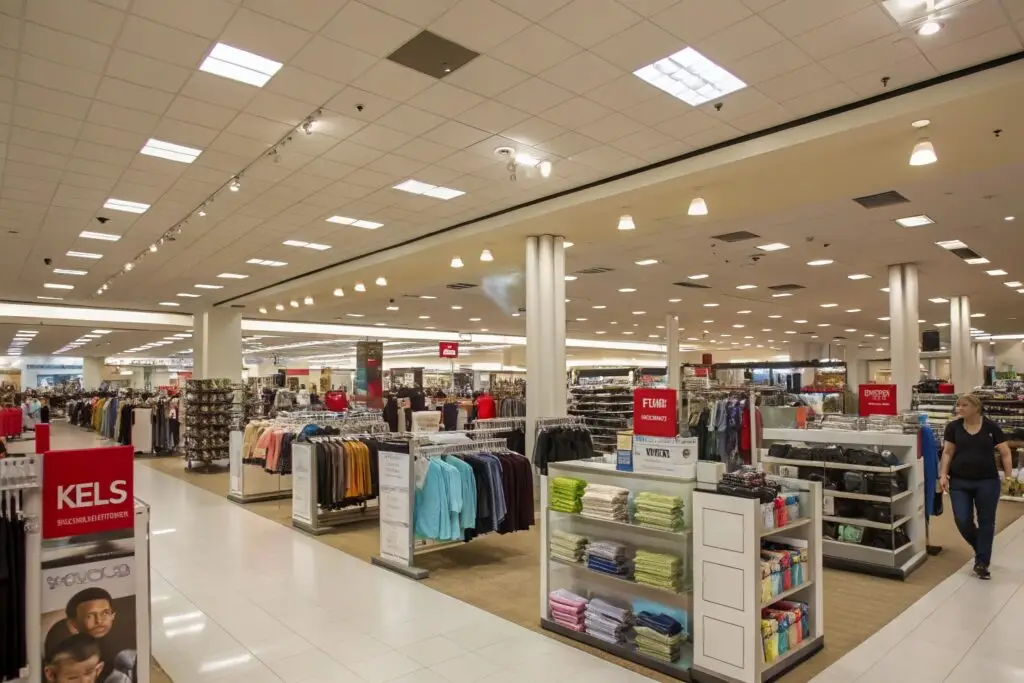
How do modular rental collections help manage this variety without excess waste?
In rental, offering variety doesn’t mean stocking everything—it means building systems that let few items serve many needs.
Modular systems offer:
- One pant style in 8 sizes that matches 6 tops
- A jacket with removable lining for all-season use
- Layering pieces that adapt to multiple industries
We helped a medical uniform rental brand reduce 120 SKUs to 36 using modular cuts and neutral color matching. Size diversity stayed—stock complexity dropped.
How can size-inclusive modular design7 improve garment usage?
- Increases “pairability” across sets
- Ensures every body type is served equally
- Reduces lost opportunities from fit mismatches
- Enables fast restocking with fewer unique items
If you offer variety without fit, you lose. If you offer fit with modular range, you win—and so does your customer.
Conclusion
In rental, fit is king. Without size diversity, your best garments sit unused and your clients feel excluded. At Fumao, we design inclusive, modular rental collections that move more, fit better, and serve everyone.
-
Exploring this resource will provide insights into how size-inclusive rental can enhance customer satisfaction and business performance. ↩
-
This link will help you understand strategies to maximize garment utilization, leading to increased revenue and efficiency. ↩
-
Discover effective methods to minimize customer service issues, enhancing the overall rental experience for clients. ↩
-
Explore this link to understand how the mini-department model can optimize inventory and enhance customer satisfaction in rental setups. ↩
-
Discover why prioritizing functionality and fit can lead to better customer retention and satisfaction in rental services. ↩
-
Understanding reverse logistics is crucial for optimizing rental operations and improving efficiency in inventory management. ↩
-
Discover the advantages of size-inclusive modular design in maximizing garment usage and customer fit. ↩