You've found a potential garment supplier. The price is right. The communication is smooth. You're tempted to skip the sample stage and go straight to bulk production to save time. This is a critical mistake that can cost your brand dearly. Let's explore why the sample development phase is an indispensable step you cannot afford to overlook.
Skipping sample development in garment sourcing is a high-risk gamble that often leads to costly errors, misaligned expectations, and missed market opportunities. A thorough sampling process acts as a crucial quality checkpoint, a communication bridge, and a financial safeguard, ensuring your final bulk order perfectly matches your vision and quality standards before significant investment. Many brands rush this stage only to face devastating consequences, from entire shipments being rejected to irreparable damage to their reputation. The sample is the physical blueprint of your product; without it, you are building in the dark.
This article will guide you through the undeniable reasons why sample development is a non-negotiable pillar of successful apparel manufacturing, especially when partnering with overseas suppliers.
What Are The Key Stages In Garment Sample Development?
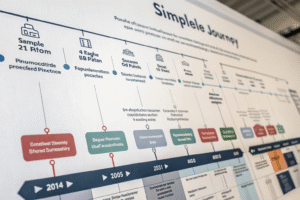
The journey from a sketch to a production-ready garment is paved with multiple, distinct sample stages. Each serves a unique purpose, systematically refining the product and minimizing risk. Understanding this progression helps set realistic timelines and expectations with your manufacturer.
A comprehensive sampling process typically involves multiple checkpoints, each designed to validate a different aspect of the garment. Rushing or eliminating any of these stages introduces uncertainty. The goal is to catch and correct issues when the cost is a single sample, not ten thousand finished pieces.
Why is the Proto Sample the first step?
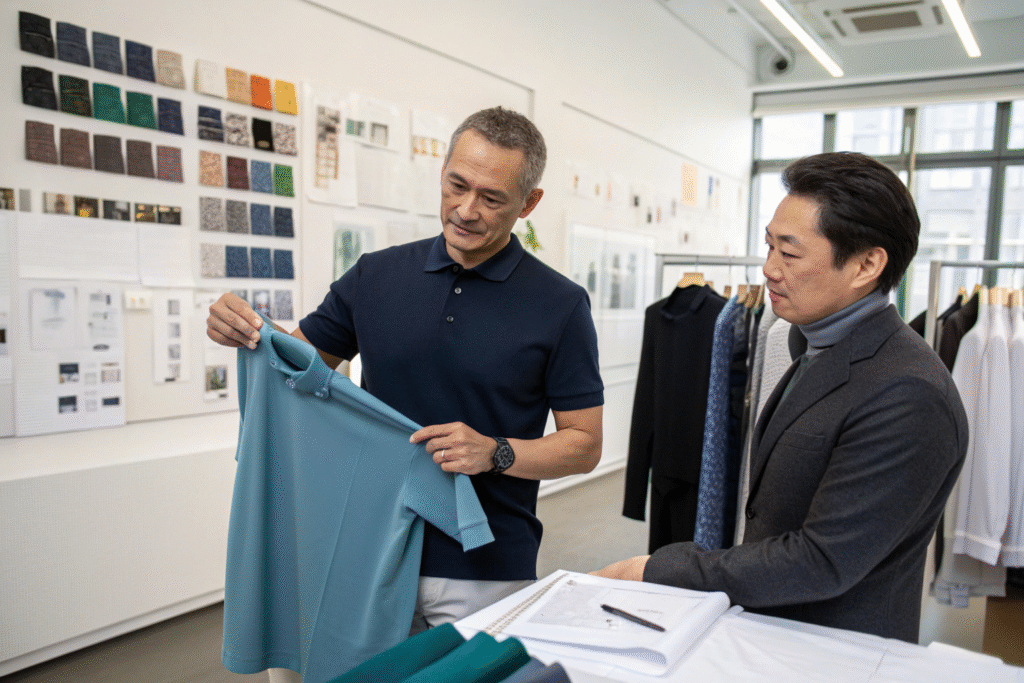
The proto sample, or prototype, is the very first physical version of your design. It's usually made from a similar, not necessarily exact, fabric. Its primary purpose is to check the initial design interpretation, silhouette, and basic fit. We create this to answer a simple question: "Are we on the same page with the design concept?" For instance, last quarter, a client from Texas sent us a detailed tech pack for a new line of performance jackets. Our proto sample revealed that their intended sleeve articulation was not feasible with the initial pattern. We caught this in the proto stage, allowing for a design tweak that cost nothing compared to a bulk production redo. This early collaboration is a core part of our service at Shanghai Fumao. The key here is to assess the overall look and feel without getting bogged down by minute details of trims or exact fabric, which come later. Effective apparel design relies on this iterative feedback.
What is the purpose of a Fit Sample?
The fit sample is where the garment truly comes to life. It is constructed using the actual main fabric and is all about precision. The core purpose is to perfect the garment's dimensions and how it sits on the body. We create a set of precise measurements, known as a grade rule table, to ensure consistency across all sizes. A typical comment on a fit sample might be, "The shoulder seam is pulling; please add 0.5 inches." We then make a new pattern and produce a second fit sample for approval. This stage is non-negotiable for avoiding a bulk order that doesn't fit your target customer. It directly impacts your brand's reputation and customer satisfaction.
How Does Sampling Prevent Costly Bulk Production Errors?
Sampling is your most effective financial risk management tool in the sourcing process. The cost of correcting a mistake in sampling is a fraction of the cost of reworking or scrapping an entire production run. It is an investment, not an expense.
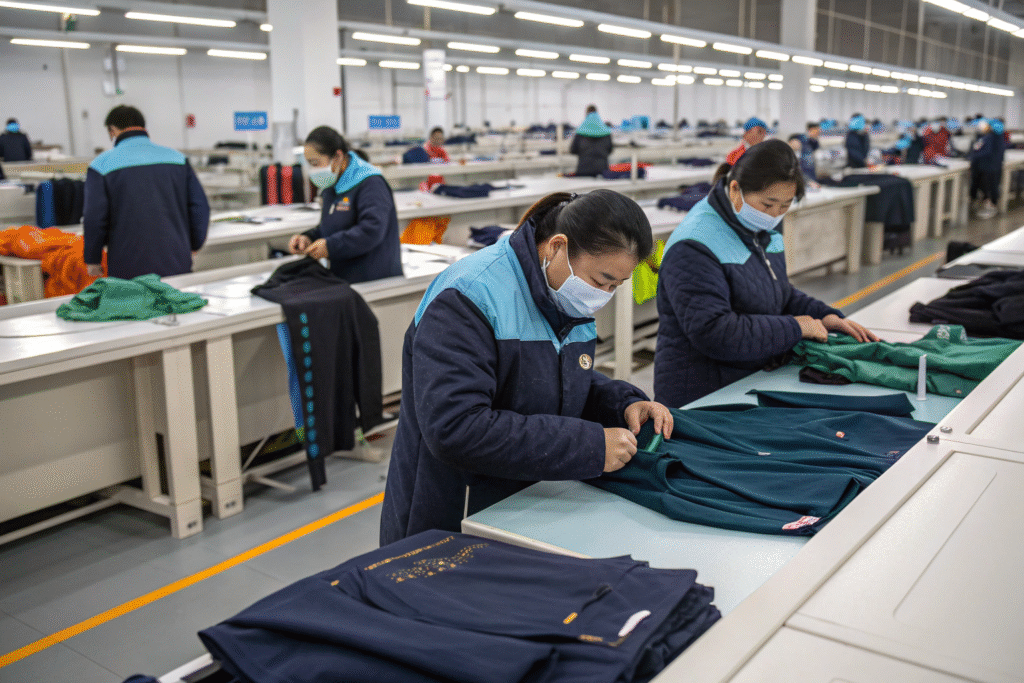
Think of sampling as a small-scale test before a large-scale launch. A single sample might cost a few hundred dollars, but a bulk order error can cost tens of thousands. The sample physically proves out the entire production plan, from material selection to assembly techniques.
Can a sample reveal fabric quality issues?
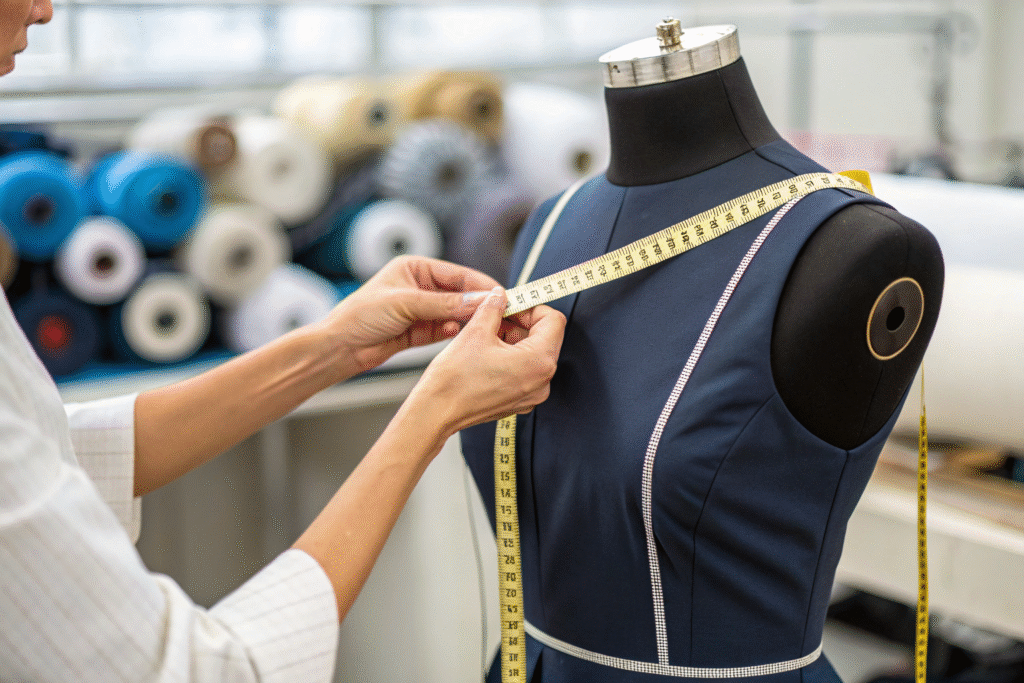
Absolutely. Fabric behaves differently in a one-yard swatch versus when it's cut and sewn into a full garment. A sample can reveal critical issues like excessive shrinkage after washing, color bleeding, or how the fabric drapes on a body. We once worked with a European brand on a line of linen-blend shirts. The fabric swatch felt great, but the first wash of the sample revealed much higher shrinkage than the brand's tolerance allowed. Because we caught this in sampling, we were able to source a new, pre-shrunk linen fabric and adjust the pattern accordingly before bulk fabric was even ordered. This proactive step, part of our rigorous quality control at Shanghai Fumao, saved the client from a certain product return crisis. This process aligns with standard ISO quality management principles applied in manufacturing.
How does sampling protect against construction flaws?
A sample makes construction flaws tangible. It allows you to check stitch quality, seam strength, and the durability of all attachments like buttons, zippers, and labels. You can perform simple stress tests on the sample itself. For example, a client requested custom-made knit beanies. The initial sample used a specific stitch for the pompom attachment. During our internal review, we found that this stitch could easily snap with a firm pull. We identified a stronger stitching technique in the sample stage and implemented it for bulk production. This ensured the final product was durable for the end-user. Identifying such stitching defects early is a key advantage of the sampling process.
Why Is Sampling Crucial for Aligning Vision with Manufacturers?
A tech pack or a design file is a guide, but it is open to interpretation. The sample is the universal language that eliminates guesswork and aligns your creative vision with the manufacturer's technical execution capabilities. It transforms abstract ideas into concrete, touchable products.
This alignment is especially critical when working across continents and cultures. Terms like "vintage wash" or "structured fit" can mean different things to different people. The sample provides an unambiguous reference point for both parties.
How does a sample improve communication clarity?
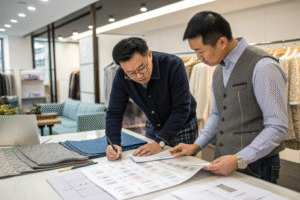
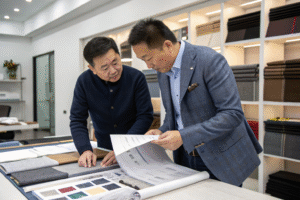
A sample replaces lengthy, often confusing, email chains with a simple "approve" or "comment." Instead of writing, "The collar should stand more upright," you can pin the sample collar and write, "Make it like this." This visual and tactile feedback is instantaneous and clear. It prevents the "I thought you meant..." scenarios that are common in international export and trade. At Shanghai Fumao, we encourage our clients to be brutally honest with sample feedback. This direct communication is the foundation of a strong partnership and is integral to our product development philosophy.
Can sampling help in value engineering?
Yes, the sampling process is a perfect opportunity for value engineering—finding ways to maintain quality while optimizing cost. Your manufacturer might suggest a alternative seam type that is equally strong but less labor-intensive, or a different trim supplier that offers the same quality at a better price. These suggestions can be tested and validated in the sample stage. For instance, a client was using a very expensive interlining for shirt collars. Our technician proposed a alternative brand with similar performance but a 15% lower cost. We made a sample with the new interlining, the client approved it, and the saving was passed on to the bulk order. This collaborative effort enhances the final value of the apparel products.
How To Evaluate A Garment Sample Effectively?
Approving a sample should be a systematic process, not a quick glance. A structured evaluation ensures that nothing is missed and that your feedback to the factory is precise and actionable. This diligence upfront guarantees a smoother pre-production meeting and fewer surprises later.
Having a concrete checklist and a clear understanding of what to look for turns subjective feelings into objective decisions. It empowers you to provide feedback that your manufacturer can act upon immediately.
What should be on your sample evaluation checklist?
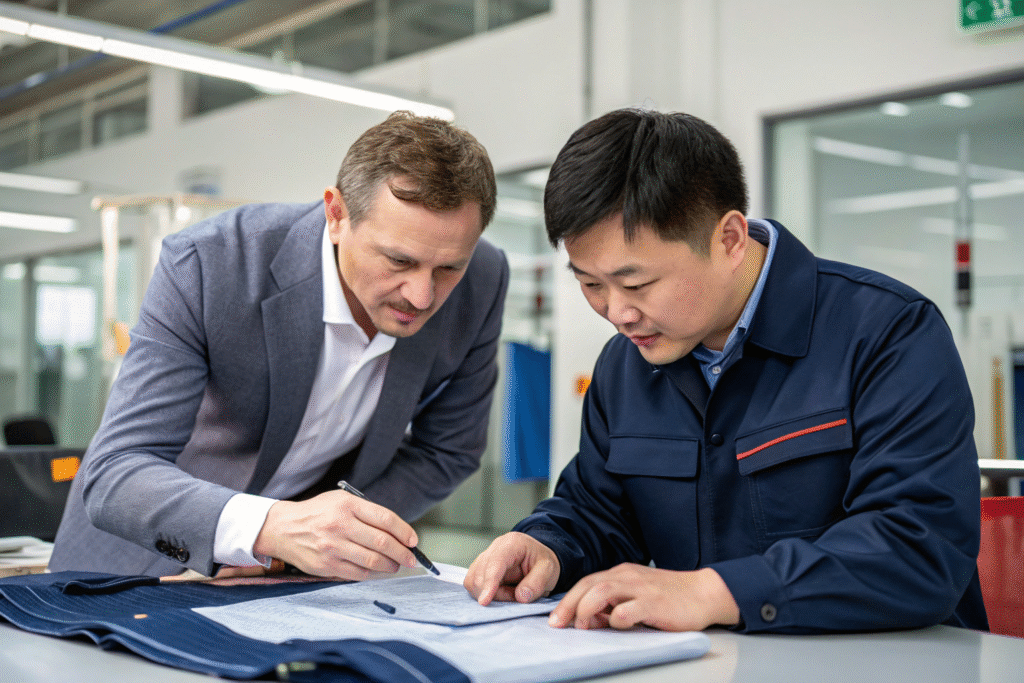
Your checklist should be comprehensive and cover all aspects of the garment. Here is a basic framework:
| Evaluation Category | What to Check |
|---|---|
| Fit & Dimensions | Compare measurements against your spec sheet. Try it on a fit model or mannequin. |
| Fabric | Check hand-feel, weight, color, pattern alignment, and for any flaws. |
| Construction | Examine stitch quality, seam finishes, and the strength of all attachments. |
| Functionality | Test zippers, buttons, pockets, and any special features. |
| Aesthetics | Review overall appearance, print/embroidery quality, and branding elements. |
This structured approach ensures you don't overlook critical details. It formalizes the garment inspection process that professionals use.
When should you reject a sample?
You should reject a sample and request a new one when there are fundamental flaws that cannot be corrected with simple comments. This includes incorrect base fabric, a fit that is completely off the mark, major construction errors, or failure to execute the core design. It is better to delay the timeline and get a correct sample than to approve a flawed one and hope the factory "fixes it in bulk." A clear rejection with detailed reasons, such as "The body length is 3 inches shorter than spec; please remake the sample with a corrected pattern," sets a standard for accuracy and protects your legal and compliance requirements for labeling and sizing.
Conclusion
Sample development is far more than a procedural formality; it is the strategic backbone of dependable garment sourcing. It is your primary defense against financial loss, miscommunication, and brand damage. By investing time and resources into a meticulous sampling process, you transform a high-risk venture into a managed, predictable, and successful partnership. It validates quality, aligns expectations, and ultimately ensures that the products you deliver to your customers strengthen your brand's reputation.
A disciplined approach to sampling separates professional brands from the rest. It is the bridge between a great idea and a great product. If you are looking for a manufacturing partner that understands the critical role of sampling and provides transparent, collaborative development every step of the way, we invite you to experience the Shanghai Fumao difference. Let's build your next collection on a foundation of quality and clarity. For a direct conversation about your production needs, please contact our Business Director, Elaine, at elaine@fumaoclothing.com.