In the face of climate urgency, fashion must rethink how clothing is made, sourced, and used.
Rental models are naturally aligned with sustainable sourcing because they prioritize durability, reduce overproduction, and demand responsible supply chain partnerships.
At our factory, we help brands create rental garments that last longer, use fewer resources, and support sustainable sourcing from fiber to finish.
How Rental Fashion Supports Eco-Friendly Sourcing
Rental brands need garments that last. That changes everything about sourcing.
Eco-friendly sourcing in rental starts with choosing materials and suppliers who can deliver strength, transparency, and accountability—not just style.
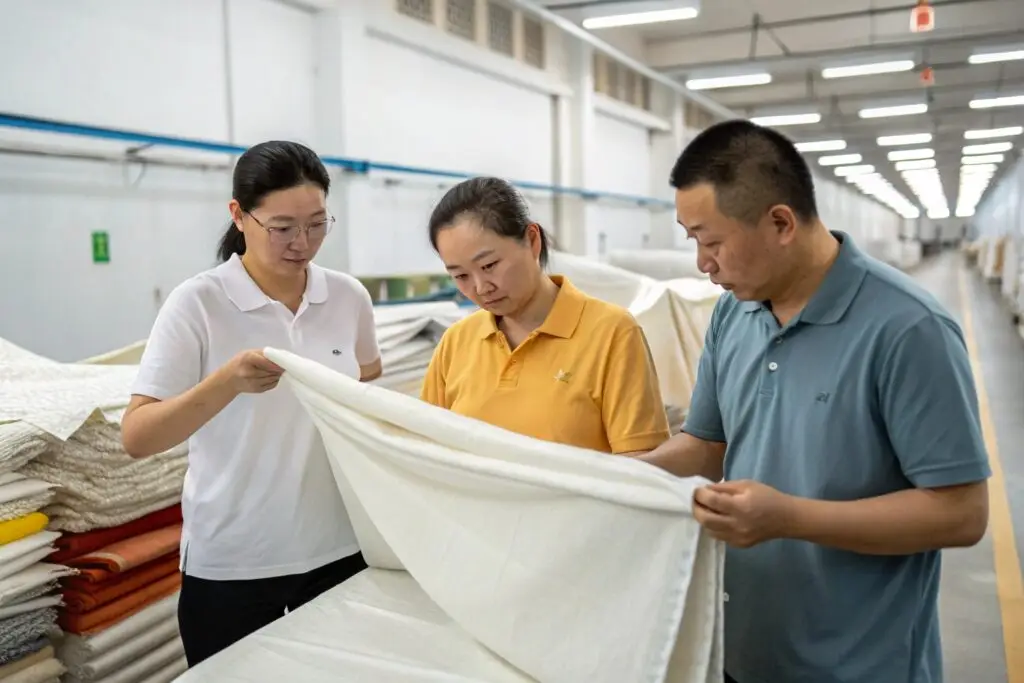
Why sourcing matters more in rental?
-
Garments must survive 20+ uses
- Quality input = lower replacement rates
-
Low-impact materials reduce total carbon per wear
- One well-sourced item replaces many disposable ones
-
Reusable garments justify higher sourcing standards
- Rental makes long-term durability economically viable
| Sourcing Factor | Rental-Aligned Sourcing Standard |
|---|---|
| Fiber origin | Certified organic, recycled, traceable |
| Vendor transparency | Chain-of-custody documentation |
| Dye and finish processes | OEKO-TEX®, GOTS-certified facilities |
| Trims and packaging | Recyclable, low-waste options |
What do we offer?
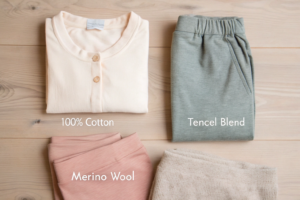
- Pre-tested sustainable fabrics (GOTS, GRS, OEKO-TEX)
- Long-term sourcing relationships with ethical mills
- Trims, labels, and closures designed for closed-loop use
Rental demands higher standards—and rewards them.
Linking Rental Models to Sustainable Supply Chains
In rental fashion, the supply chain is not a one-time transaction—it’s a long-term ecosystem.
Sustainable supply chains for rental require vendor cooperation, reliable sourcing channels, and end-to-end material traceability.
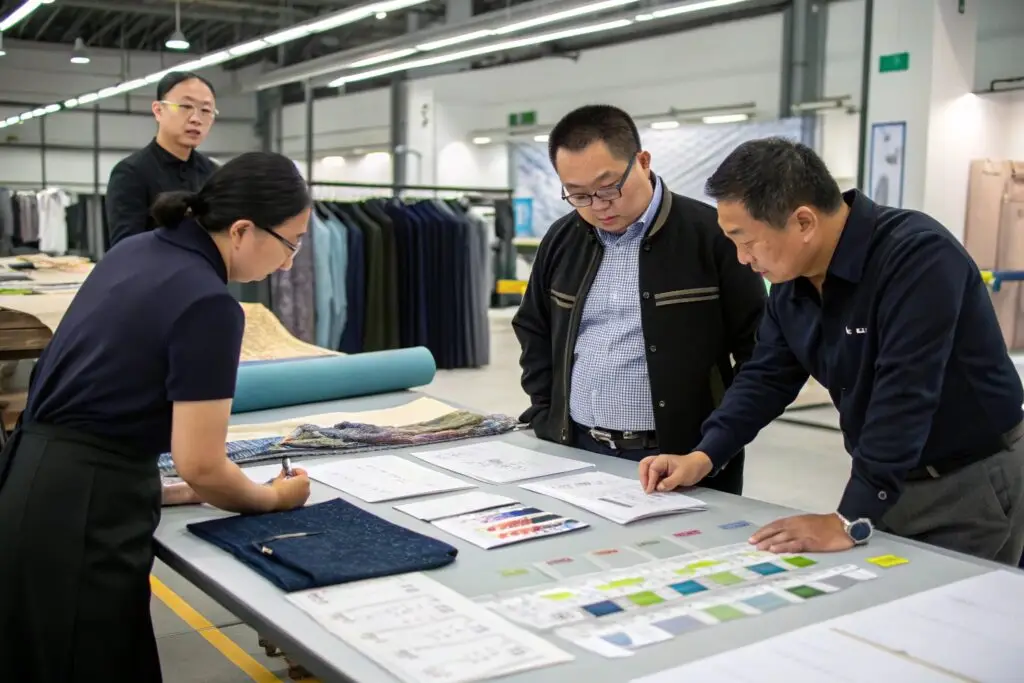
What makes a supply chain rental-ready and sustainable?
-
- Avoids overproduction and excess waste
-
Material reuse and overstock management
- Reuse offcuts or unsold SKUs in future cycles
-
- From cotton field to cutting floor
-
Multi-season SKU planning
- Reduce waste by repurposing styles and materials
| Rental Supply Chain Element | Sustainable Practice Integrated |
|---|---|
| Fabric source | Organic or recycled with batch IDs |
| Factory operations | Low-waste cutting, batch reporting |
| Garment packaging | Recyclable or reusable |
| Logistics | Batch consolidation + return handling |
How do we support this?
- Offer repeatable designs to reduce new pattern waste
- Hold core fabric stock to reduce minimums
- Label garments with source batch and fiber ID
Sourcing sustainability is no longer optional—it’s structural in rental.
Reducing Resource Use Through Clothing Rental
The fashion industry’s resource footprint is staggering—but rental can help change that.
Clothing rental dramatically reduces resource use per wear by extending garment lifespans and minimizing overproduction.
How does rental save resources?
-
Fewer garments produced per user
- Reduces water, cotton, energy, and dye consumption
-
- More wears = lower per-wear environmental cost
-
- One item = many customers
| Resource Use Type | Retail Model | Rental Model |
|---|---|---|
| Water per cotton shirt | 2,700 liters | Shared across 20+ users |
| Carbon per polyester dress | 10–12 kg CO₂e | Lower per wear over time |
| Packaging waste | 1–2 polybags/item | Reusable pouches or cloth |
| End-of-life disposal | High (landfill) | Resale, donation, or recycle |
What do we do differently?
- Use bulk-dyed fabric to reduce water waste
- Select yarns with recycled content
- Support post-rental reuse and resale programs
Rental multiplies each garment’s value—while cutting resource drain.
Why Brands Choose Rental for Lower Carbon Impact
Carbon reporting is no longer a future concern—it’s a current expectation.
Brands choose rental because it spreads the carbon footprint of each garment across more uses, reducing total emissions per wear.
What lowers carbon in rental?
- Durable construction = fewer replacements
- Fewer shipments of bulk product
- Return cycles built for optimization
- Repairable, long-life garments reduce need for virgin input
| Carbon-Reduction Action | Rental Implementation Example |
|---|---|
| Make fewer garments | Rotate one unit across 20+ customers |
| Cut logistics emissions | Batch shipping, local return centers |
| Lower energy per unit | Centralized laundering |
| End-of-life reuse | Downcycle or resale channels |
How we support carbon-conscious rental brands:
- Source with low-impact mills
- Package for optimized transport
- Build garments to meet longer carbon amortization periods
Your carbon score improves when your garments last longer—and rental makes that possible.
Conclusion
Rental fashion isn’t just a business model—it’s a sustainability strategy. By aligning with eco sourcing, reducing resource use, and enabling circular supply chains, rental helps fashion move from linear waste to long-term value. We’re proud to build the garments that make that shift real.