Fashion trends move fast—but wardrobes don't need to. If you've ever felt the pressure to keep up without overspending or overconsuming, you're not alone.
Rental fashion is booming because it offers affordable, sustainable access to trending styles without the commitment of ownership. It’s reshaping the global fashion scene for both consumers and suppliers.
As a clothing manufacturer and supplier, I see how global shifts in consumer behavior shape what brands demand from us. Let me show you why this trend is worth watching—and how it might influence sourcing decisions.
Top Reasons Consumers Choose Fashion Rental Today
You know that feeling when a customer buys a $200 dress, wears it once, and never touches it again? Now imagine renting it for $20 instead. That’s the pitch consumers are responding to.
Consumers choose fashion rental because it solves three problems at once: it saves money, prevents closet overload, and offers access to high-end fashion.
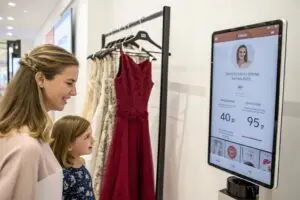
Why are consumers moving from ownership to access when it comes to fashion?
Consumers today don’t just want to own—they want to experience. Especially in cities, closets are getting smaller, while fashion cycles are getting faster. Renting gives access to expensive looks without the permanent cost. From workwear to wedding outfits, renting solves the issue of short-term fashion needs. It’s particularly attractive to women aged 25–40, who want variety but are conscious of budget and space.
How do affordability and variety influence rental decisions in different markets?
In the U.S. and Europe, people are prioritizing budget-friendly fashion that doesn’t sacrifice style. For example, a rented $500 jacket might cost $30 for a weekend—a game-changer for event dressing. In Asian markets like Japan and South Korea, where minimalism and practicality are cultural values, rental services are also becoming a norm. Data shows that rental customers enjoy exploring premium brands without long-term investment. For businesses like mine, this means new opportunities in smaller production runs and quicker style rotations.
How Gen Z and Millennials Drive Rental Fashion Growth
I’ve been in manufacturing for years. Never before have I seen younger generations influence the industry this fast—or this deeply.
Millennials and Gen Z are behind the rental boom, fueled by social media, sustainability concerns, and a desire to try more styles without wasting money.
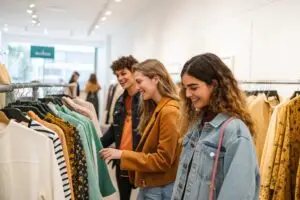
What makes Gen Z and Millennials more open to renting fashion?
These generations are digital natives. They value access over ownership, and they’re more willing to try subscription-based services. They also care about their image online. If they’ve posted a picture in a certain outfit, they don’t want to repeat it. That means renting makes sense for their lifestyle. They want affordable options that let them experiment. And that’s something fast fashion alone can't keep up with anymore.
Platforms like Instagram, TikTok, and Pinterest have made outfit variety a kind of social currency. Young shoppers rent clothing to match specific aesthetics or viral trends, and often just for one shoot. The “wear once” culture isn’t about waste anymore—it’s about smart choices. Renting lets them wear designer brands they couldn’t otherwise afford. We see this reflected in the type of items we’re asked to produce—flashy, photogenic, and limited-time pieces.
Sustainability Benefits Fueling Rental Fashion Popularity
The environmental cost of fashion has reached a point where consumers can’t ignore it. Rental is the answer many are looking for.
Rental fashion reduces textile waste, lowers carbon footprints, and helps consumers avoid overconsumption—all while keeping their style fresh.

What environmental concerns are driving rental fashion demand?
Fast fashion has created massive problems: overproduction, landfill waste, and pollution. Customers—especially in developed countries—are beginning to ask where their clothes come from and what impact they have. Renting clothes slows the fashion cycle and keeps garments in use longer. A dress that would otherwise be worn twice can now serve ten customers. That’s a big win.
How do consumers perceive rental fashion as an eco-friendly option?
Most rental services now highlight their sustainability goals. They partner with green logistics companies, clean clothes using eco-wash methods, and track garment lifecycles. Consumers feel better about their choices when they rent. It aligns with values like reducing carbon footprints and avoiding fast fashion guilt. And for manufacturers like me, this has shifted how we plan inventory—we’re seeing higher demand for durable fabrics and long-lasting stitching.
Rental Fashion vs. Fast Fashion: What’s Changing Globally?
For years, fast fashion dominated. But now, rental platforms are offering something different: value with responsibility.
Rental fashion is transforming the way people shop by competing with fast fashion in both cost and speed, while also offering ethical and environmental value.
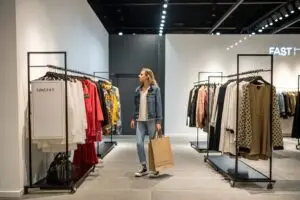
In which ways does rental fashion outperform fast fashion for global consumers?
Fast fashion used to be the cheapest way to stay trendy. But now, consumers are comparing costs differently. A rented item may cost slightly more than a fast fashion piece—but it doesn’t add to clutter or guilt. Rental is also better for one-time events like job interviews, parties, and seasonal travel. And unlike fast fashion, rental companies focus on garment care, not just sales volume. This shift means that brands—and manufacturers—are designing with reusability in mind.
What global markets are leading the charge in rental fashion?
The U.S. and U.K. are leading, followed by France, Germany, Japan, and South Korea. Each market has different drivers. In the U.S., the focus is on subscription and variety. In France, it’s luxury access. In Japan, it’s practicality. These regional insights matter to me as a manufacturer because they shape what brands ask us to produce. For example, the U.K. prefers casual formalwear that’s easy to care for. The U.S. wants bold colors and trendy cuts. Understanding these shifts helps us offer more targeted services.
Conclusion
Rental fashion isn’t just a trend—it’s a global movement. As consumers evolve, so must the suppliers. And that’s exactly what we’re doing at Fumao Clothing.