When I speak with American apparel buyers, one of the top questions they ask is whether our factory operates with fairness and transparency. Many of them have had bad experiences with suppliers who overpromise and underdeliver, sometimes even hiding poor working conditions. This creates delays, reputational risks, and unnecessary stress. I understand these frustrations well, because I have helped many partners overcome them.
Partnering with fair trade clothing factories means brands gain reliable production, ethical sourcing, and consumer trust, while also ensuring workers are treated with dignity and sustainability goals are met.
For ambitious U.S. brands, choosing fair trade production is not just about social responsibility. It is also about long-term profitability and building brand loyalty. In today’s fashion market, ethics and business success go hand in hand. Let me explain why.
Ethical Benefits Of Fair Trade Apparel
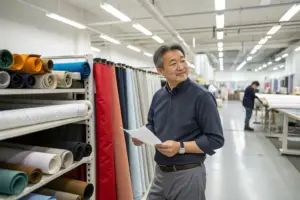
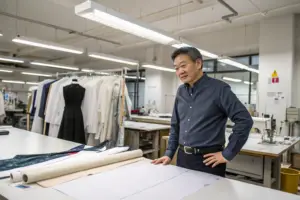
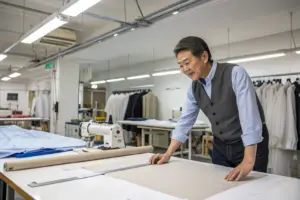
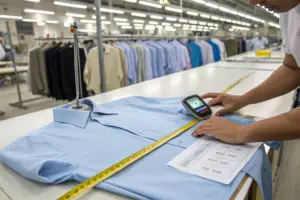
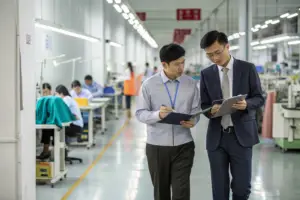
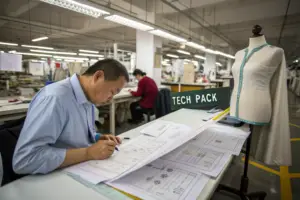
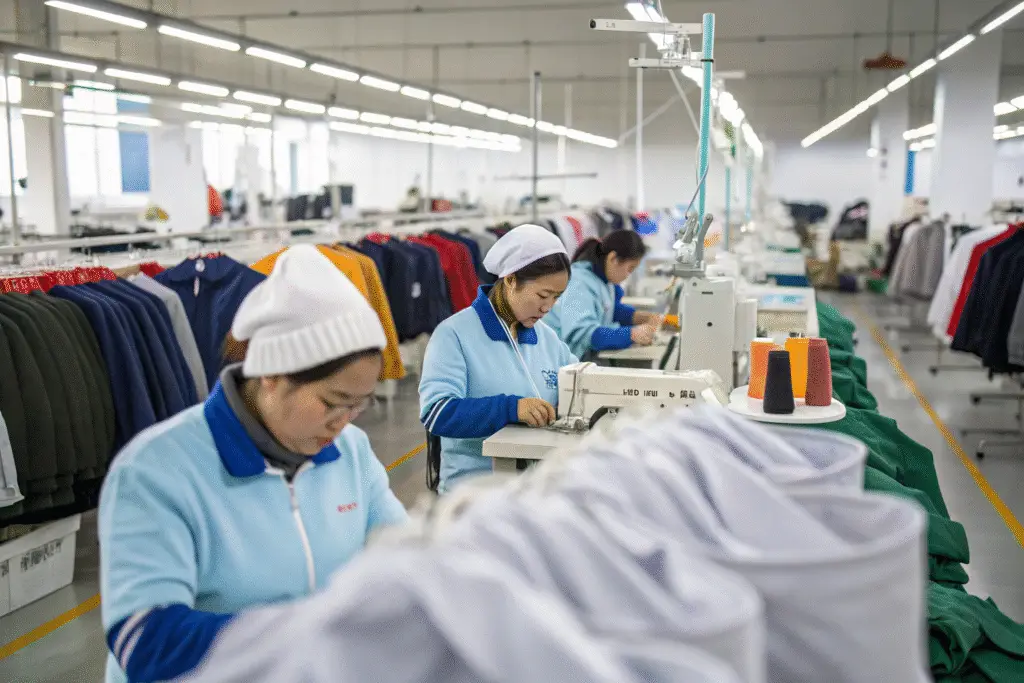
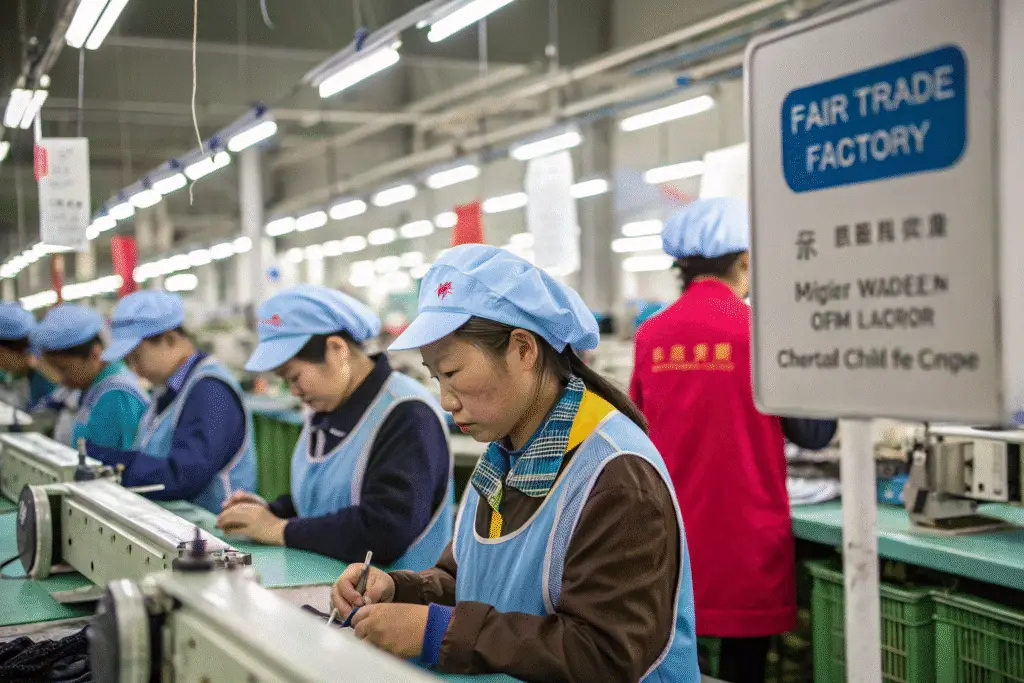
When buyers come to visit my factory, they always notice how bright and safe the workspace is. This is not by accident—it is by design. Fair trade factories follow strict labor standards that protect workers. This builds trust across the entire supply chain.
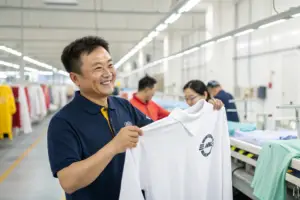
Fair trade factories ensure no child labor, fair wages, safe working environments, and respect for worker rights.
Why Do Ethical Standards Matter?
Ethical production protects brands from scandals and lawsuits. Consumers increasingly demand proof that their clothes are not made through exploitation. A good reference is Fair Trade Certified which explains these standards.
How Does It Improve Brand Image?
When brands market their apparel as fair trade, they immediately stand out. Shoppers today reward transparency. According to Harvard Business Review, more than half of buyers prefer ethical brands even if prices are higher.
Sustainability And Eco-Friendly Practices
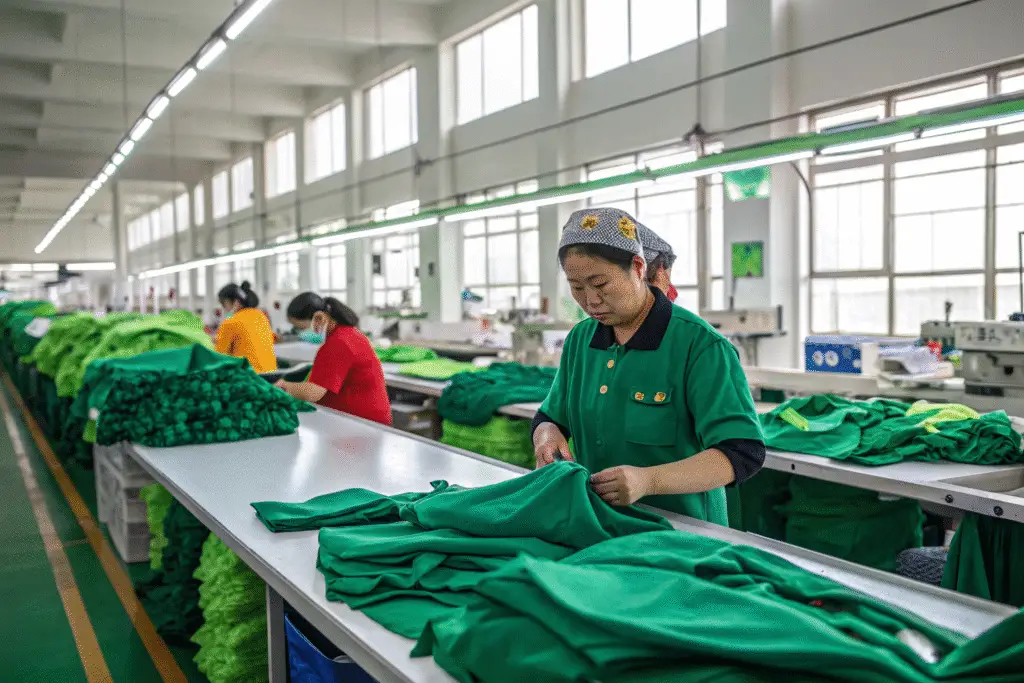
Fair trade factories often go hand in hand with sustainable production. We know that American brands want to balance environmental responsibility with market needs. Fair trade ensures this balance by setting clear sustainability guidelines.
Fair trade apparel factories promote sustainable fabric sourcing, reduced waste, and lower carbon emissions.
Do Fair Trade Factories Use Sustainable Fabrics?
Yes. Many use organic cotton, recycled polyester, and eco-friendly dyes. These fabrics meet international certifications like Global Organic Textile Standard (GOTS) and OEKO-TEX.
How Does Sustainability Support U.S. Buyers?
It aligns perfectly with consumer expectations. Shoppers increasingly ask where and how clothing is made. According to McKinsey’s State of Fashion report, sustainability is now a key driver of purchasing decisions.
Supply Chain Reliability And Transparency
From my years of working with U.S. brands, I know that delays and poor communication are the top pain points. Fair trade factories eliminate these risks with stronger systems and open communication.
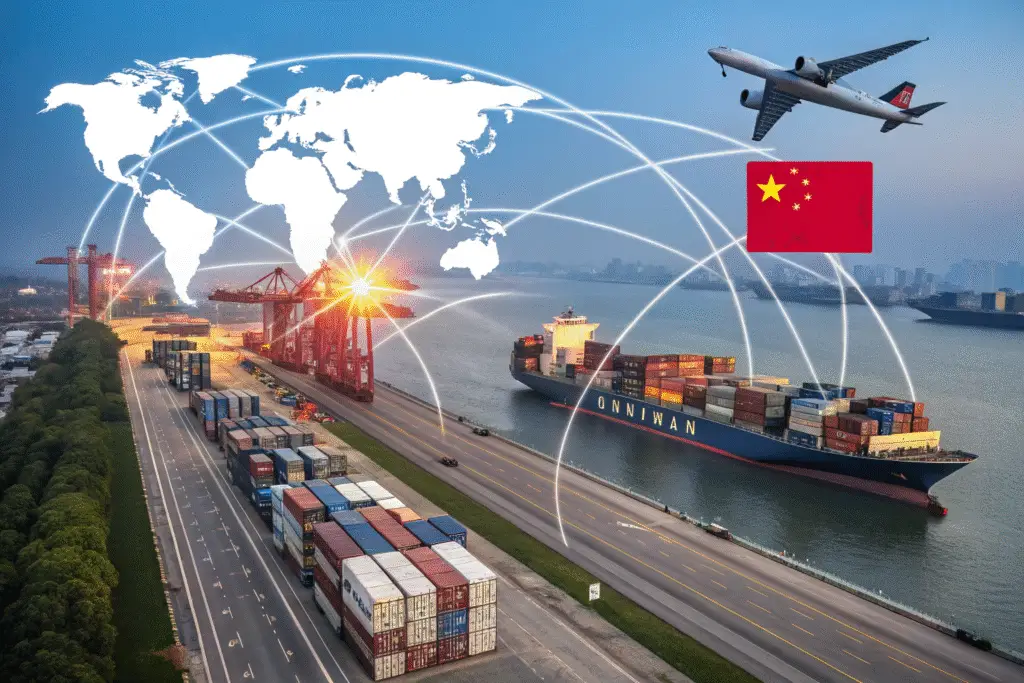
Fair trade factories guarantee clear supply chain visibility, reliable delivery times, and honest certification.

Can Buyers Track Their Orders Better?
Yes. Many fair trade-certified factories use digital systems for order tracking, shipment updates, and compliance reports. One useful resource is Sedex, a global platform for supply chain transparency.
How Does This Prevent Delays?
By setting realistic production schedules, fair trade factories avoid last-minute changes. This is critical for brands depending on seasonal sales. Learn more about logistics standards from World Fair Trade Organization.
Long-Term Business Advantages
The final reason to choose fair trade factories is long-term advantage. U.S. brands that commit to ethical sourcing often see stronger customer loyalty, easier compliance with regulations, and better relationships with retailers.
Fair trade clothing partnerships lead to stronger brand value, long-term profitability, and resilience in global markets.
Does Fair Trade Improve Customer Loyalty?
Yes. When shoppers trust a brand, they come back. According to Forbes, ethical practices directly strengthen customer loyalty.
How Does It Help With Retailers?
Large retailers increasingly demand ethical sourcing from suppliers. By working with fair trade factories, brands gain easier entry into big retail chains. For more details, visit Ethical Trading Initiative.
Conclusion
Partnering with fair trade clothing factories is not only the right thing to do, it is also the smart business decision. It gives brands ethical credibility, sustainability advantages, reliable supply chains, and strong long-term growth. From my experience as a Chinese manufacturer, I have seen how U.S. partners benefit from this choice.
If you are looking for a trustworthy partner who combines fair trade values with competitive manufacturing, we at Shanghai Fumao are ready to help. Contact our Business Director, Elaine, at elaine@fumaoclothing.com and let us bring your apparel vision to life with ethical and sustainable production.