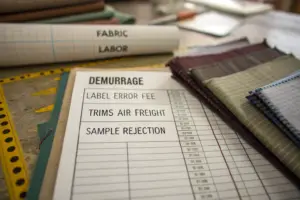
Choosing the right clothing manufacturing partner is one of the most strategic decisions a fashion brand or distributor can make. If you’ve ever struggled with inconsistent quality, slow production turnover, or working with multiple vendors, then you understand the risk of fragmentation in your supply chain.
Partnering with a multi-line clothing factory simplifies the entire production journey by offering diverse capabilities under one roof. From knitwear to outerwear, a multi-line factory gives you flexibility, scale, and efficiency — all while helping your business grow profitably.
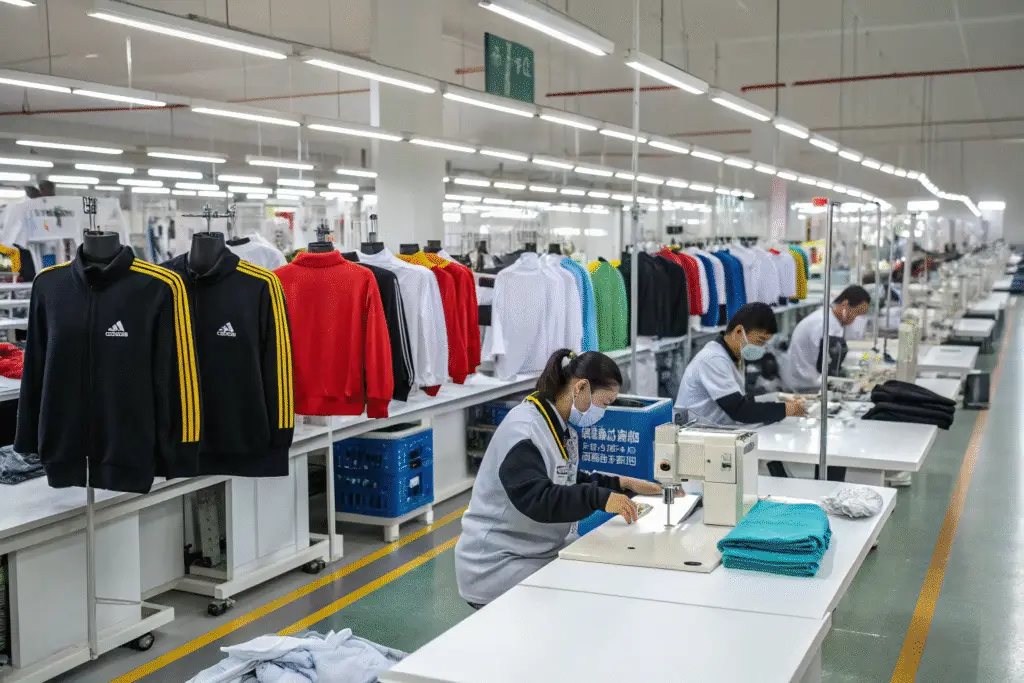
As a factory owner myself with five advanced production lines at Fumao Clothing, I’ve seen firsthand how the multi-line model not only benefits our clients but transforms how they approach product development, inventory planning, and logistics.
What Are the Benefits of Multi-Line Production?
A fragmented supply chain can cost more than money—it costs time and opportunities. When different vendors handle each product category, miscommunication and delay become the norm.
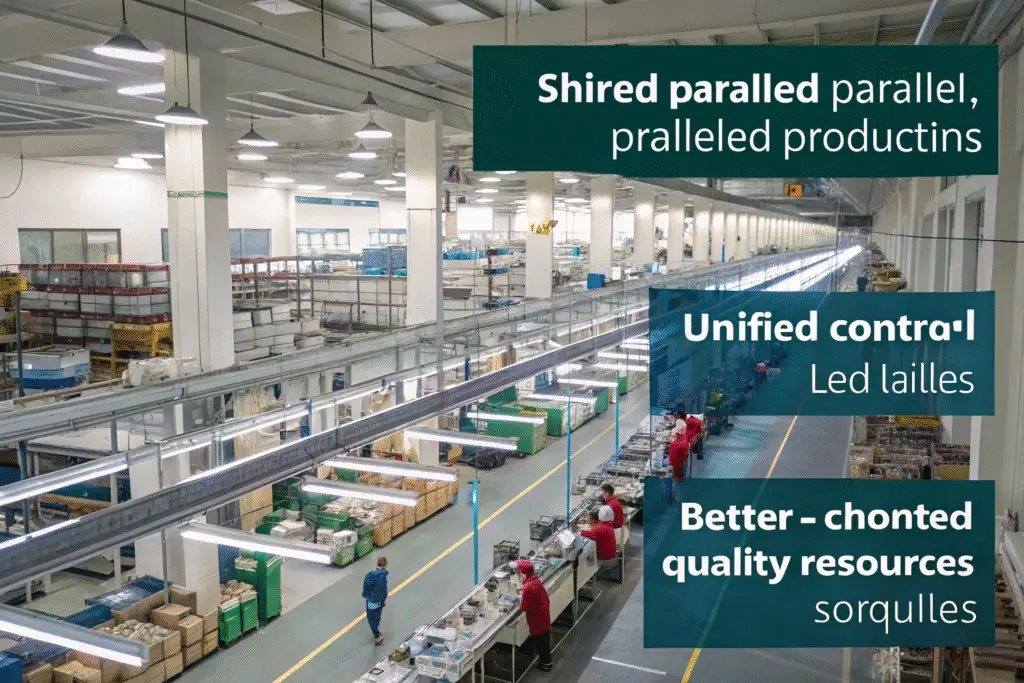
Multi-line factories like ours solve this by enabling parallel production across styles. That means shorter lead times, unified quality control, and better pricing due to shared resources.
How Does It Reduce Cost and Increase Efficiency?
When you consolidate production into one factory that handles knitwear, woven garments, and outerwear, you're maximizing scale. This allows shared use of cutting tables, sewing machines, and staff, leading to cost savings on labor, energy, and even packaging. More importantly, our purchasing volume across all lines lets us negotiate better deals with fabric and trim suppliers.
For instance, our full-package apparel manufacturing model allows us to cut down sourcing waste, reduce idle time, and coordinate output timelines more efficiently than a single-line vendor could. That’s a win for your margins and deadlines.
Can One Factory Maintain High Standards Across All Lines?
Absolutely—if the factory is structured properly. At Fumao, each of our five lines has a dedicated QA inspector, trained in that specific product type. Our quality assurance processes are integrated from sampling through final inspection. We also conduct regular cross-line audits to ensure performance consistency.
Rather than sacrificing quality, we enhance it—by building internal feedback loops across lines, we’re able to spot problems early, learn faster, and deliver more consistent results, regardless of whether we’re making fleece hoodies or woven dress shirts.
What Apparel Categories Can Multi-Line Factories Handle?
Multi-line factories specialize in offering wide product capabilities without outsourcing. This makes them ideal partners for brands that want cohesive collections with fewer supplier headaches.
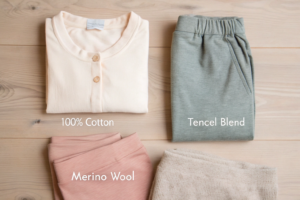
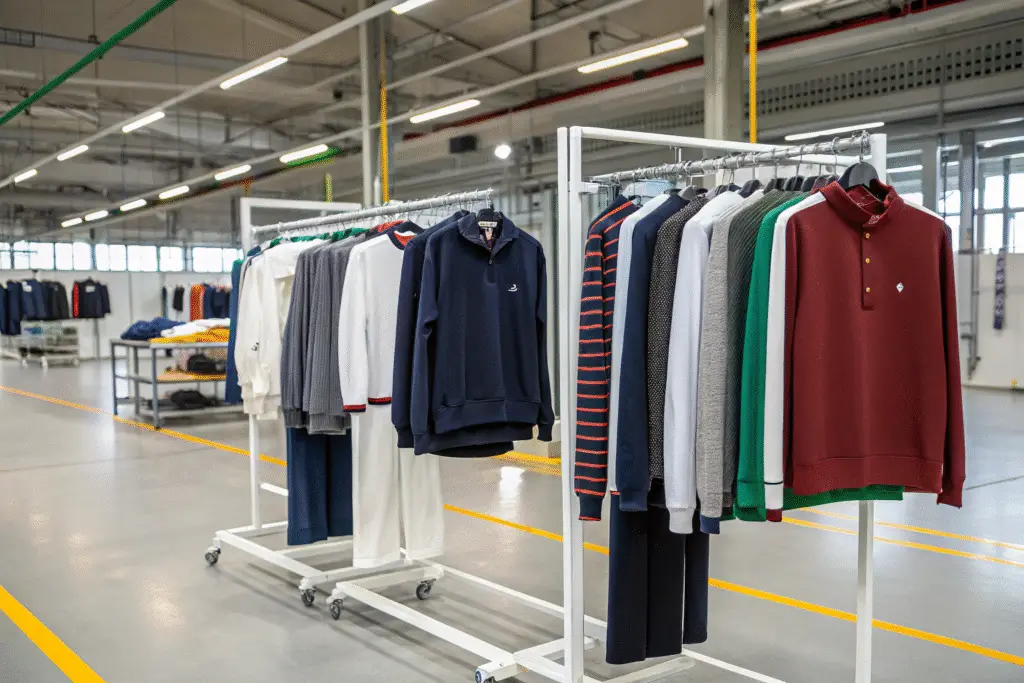
At Fumao, we manufacture knitwear, woven garments, outerwear, and activewear — giving our clients full seasonal coverage and cross-category experimentation opportunities.
Do Multi-Line Factories Handle Both Basics and Fashion Pieces?
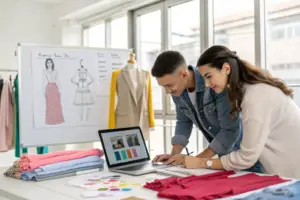
Yes, and that’s key for today’s hybrid brand strategies. We support clients who need basic T-shirts in high volume as well as trend-led outerwear in small runs. For example, a client may order 50,000 solid cotton tees and follow up with a capsule of quilted fashion jackets. By leveraging our in-house fabric sourcing networks and agile pattern room, both orders are managed seamlessly.
It’s this range that sets multi-line suppliers apart from boutique studios or mass-only producers. We bridge both worlds.
Can They Customize Small Batches Across Lines?
Yes. With low minimums on each line, we can offer clients flexibility in testing designs across categories. Our clients often create multi-style assortments for trade shows, offering one knit, one woven, and one outerwear piece in coordinated color palettes.
Since everything is done in the same facility, logistics and fabric coordination are easier, and costs stay under control. This type of flexibility is crucial when testing new markets or expanding collections.
Is Working with One Factory Safer for Your Brand?
Risk is one of the biggest concerns for overseas buyers like Ron. From falsified certifications to missed shipments, too many things can go wrong when dealing with unfamiliar or unreliable vendors.
A multi-line factory with transparent systems and dedicated account teams offers you one point of accountability — and a safety net across every production phase.

How Do Multi-Line Factories Ensure Better Compliance?
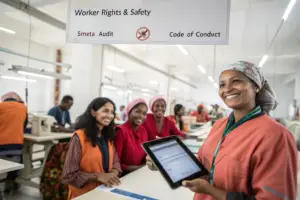
Because we handle various garment types, we also maintain multiple certifications: OEKO-TEX for fabrics, BSCI for social responsibility, and even GOTS for organic cotton items. It’s easier for us to manage compliance holistically because we’re vertically integrated.
Our compliance team manages audits across departments and updates buyers regularly, so there’s less chasing and fewer surprises. This level of transparency protects your brand’s reputation and ensures smoother customs clearance.
Can This Reduce Communication Errors?
Definitely. With one partner handling your entire line, you eliminate redundant communication across vendors. We assign a bilingual account manager to each client, trained to coordinate across our five lines. You’ll no longer have to explain your labeling requirements five times or align different factories on your specs.
This single-source coordination means fewer mistakes, faster changes, and clear accountability if something goes wrong — which, let’s face it, can happen in production.
How Do Multi-Line Factories Improve Lead Times?
For seasonal fashion brands or ecommerce sellers, timing is everything. Missing a ship window by just one week can ruin an entire product launch.
Multi-line factories drastically improve lead times by producing different garment types simultaneously, consolidating materials, and handling export in one location.
What Are the Logistics Advantages?
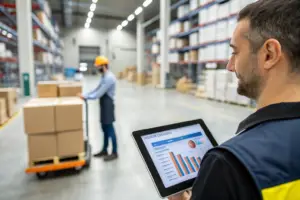
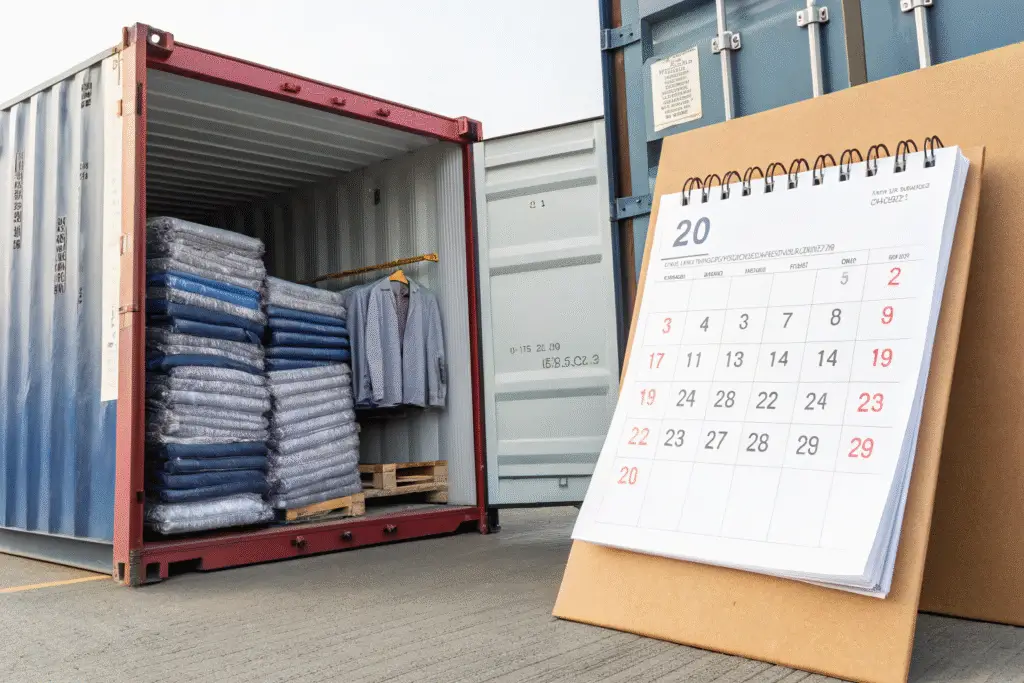
We consolidate raw materials in our central warehouse, then distribute to each production line as needed. This avoids the delays caused by shipping components between vendors. Once ready, we pack everything under one export declaration, which lowers costs and reduces customs holdups.
Our clients benefit from DDP shipping options where we deliver directly to U.S. warehouses. We work with vetted freight forwarders that specialize in apparel, helping us meet tight retail calendars and avoid peak season congestion.
How Do They Manage Peak Season Demands?
We stagger our production planning based on historic order volume per category. For instance, we allocate more line capacity to outerwear from May to July and switch to kidswear and basics in Q4. This internal forecasting allows us to absorb high-volume orders without delay.
In emergencies, we can even redistribute workers across lines temporarily — a rare flexibility that keeps your orders on schedule while other vendors stall.
Conclusion
A multi-line clothing factory isn't just a vendor—it’s a strategic asset. Whether you need basic T-shirts, tailored trousers, cozy fleece jackets, or performance sportswear, partnering with one capable, reliable supplier streamlines your operations, reduces risks, and opens doors to faster growth.
Instead of managing a dozen factories with scattered processes and delivery timelines, consider the stability, transparency, and agility that Fumao Clothing offers. We combine expertise in diverse categories, stringent quality control, and export proficiency to help U.S. apparel brands scale with confidence.
If you're ready to simplify your sourcing and improve production outcomes, contact our Business Director Elaine today at: elaine@fumaoclothing.com — and let’s build a better apparel supply chain together.