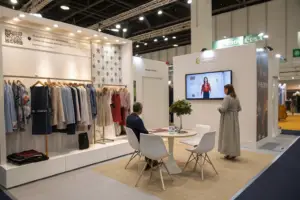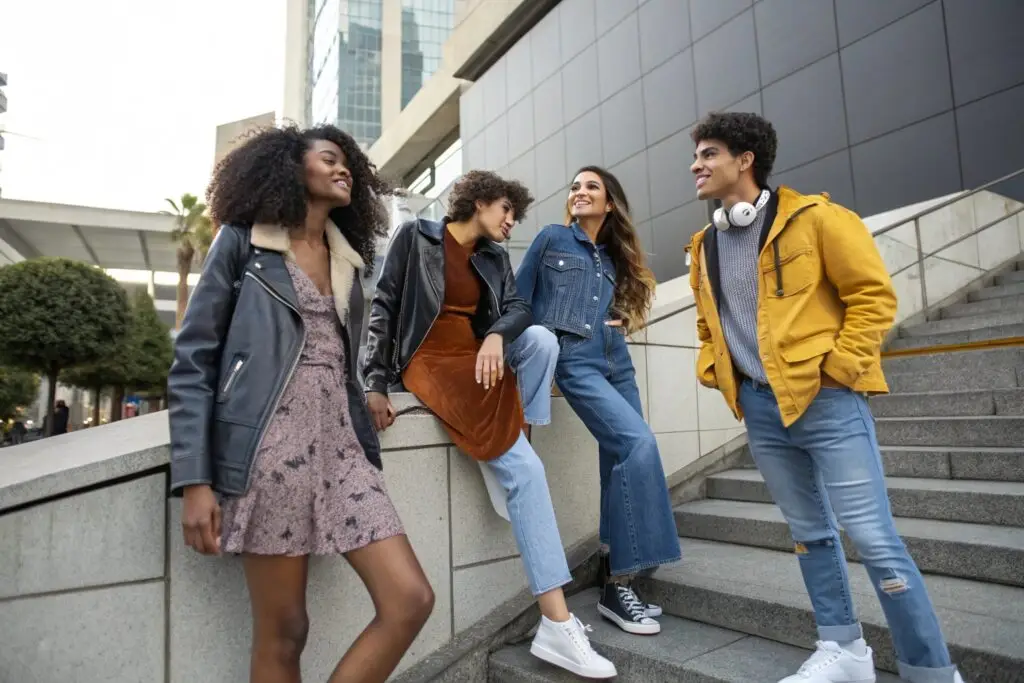
From one-time wear to long-term rotation, modern fashion is less about keeping and more about curating. And brands are responding fast.
Fashion brands are embracing access models—like rental, resale, and subscription—because consumers now prioritize flexibility, sustainability, and affordability over permanent ownership.
At Fumao, we work with rental and subscription-focused companies that want to serve this new generation of fashion users—with smarter inventory, better garment construction, and modular designs built to last.
How Rental Fashion Is Redefining Consumer Behavior?
Consumers no longer measure value by how long they own a garment—but by how well it serves them in the moment.
Rental fashion redefines behavior by shifting consumers toward use-based value, promoting sustainability, and encouraging them to experiment with personal style without long-term commitment.
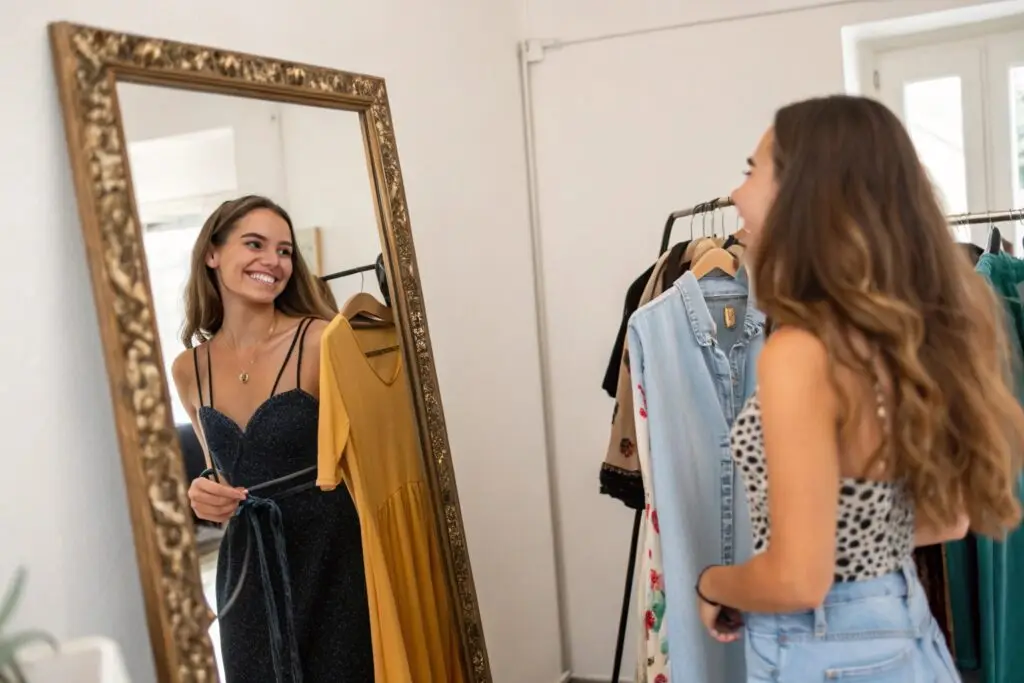
What does rental fashion reveal about modern shoppers?
They want:
- Access, not accumulation
- More variety, less waste
- Occasion-based usage, not wardrobe overload
- Flexible fashion for work, events, and weekends
One of our clients found that over 60% of renters selected garments based on event type1 rather than trend. This changes how brands design, stock, and market apparel.
How does this affect traditional buying habits?
- Fewer impulse purchases
- More thought given to material, fit, and use case
- Increased demand for modular, season-proof items2
In other words: Shoppers are treating fashion more like tech—they want utility, updates, and experience over static possession.
Benefits of Clothing Subscription Services for Brands
Subscription isn’t just convenient—it’s data gold for fashion brands.
Clothing subscriptions give brands consistent revenue, deeper customer insights, lower inventory risk, and better forecasting—while offering consumers constant variety and styling help.

What makes subscription models appealing for brands?
| Benefit | Why It Matters |
|---|---|
| Recurring Revenue3 | Predictable monthly income |
| Data Collection4 | Know what styles rotate fast |
| Inventory Efficiency | Rotate fewer items more often |
| Customer Stickiness5 | More frequent brand touchpoints |
| Testing Ground | Trial capsule launches before full drops |
One Fumao-supported client used subscription data to identify that black, high-stretch trousers had a 3x higher rental-to-return ratio than the next best item. That one SKU became the core of three new capsule kits.
How can brands retain subscribers long-term?
- Offer exclusive styles or early access
- Provide personal styling advice
- Use seasonal themes (e.g., “April Eventwear Edit”)
- Allow item swapping to reduce friction
Subscriptions let brands stay in their customers’ closets—not just their carts.
Why Gen Z Prefers Fashion Access Over Ownership?
Gen Z grew up streaming. Now they’re applying that logic to fashion.
Gen Z prefers access over ownership in fashion because it aligns with their values of flexibility, sustainability, and personal identity. They want options, not obligations.
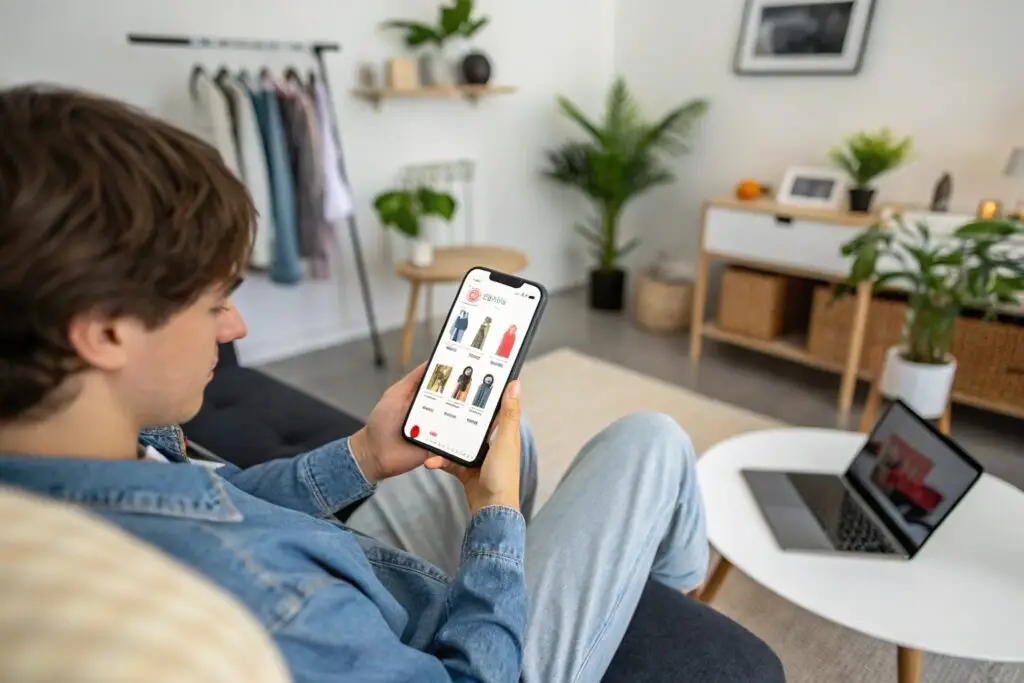
What defines Gen Z’s fashion mindset?
- Style is temporary, not permanent
- Identity is fluid, not fixed
- Ownership = responsibility (and clutter)
- Access = control
They’re used to Spotify, Netflix, and short-form content. Why own when you can rotate?
For example, a rental brand we partnered with created a Gen Z-focused capsule of Y2K and 90s-inspired fashion. Return rates were under 10%. Fit confidence rose with peer photos and styling guides.
How can brands build for Gen Z expectations?
- Use rental-friendly design6 (stretch, adjustable sizing, modular fits)
- Offer gamified return incentives7
- Connect via community content8 (UGC, TikTok challenges)
- Let users customize their plan (swap pieces, pause months, gift rentals)
Gen Z doesn’t want “forever.” They want right now—and ready to return.
Impact of Access Models on Fashion Brand Profitability
Less ownership doesn’t mean less money—it often means more margin.
Access-based models like rental and subscription drive profitability by increasing garment lifespan, reducing overproduction, and turning one product into multiple revenue events.

How do access models increase ROI per garment?
Traditional sale = 1-time profit
Rental = 5–30 revenue cycles
Here’s a simplified breakdown:
| Garment Type | Sale Price | Cost | Rental Price | Avg. Rentals | Total Revenue |
|---|---|---|---|---|---|
| Blazer | $90 | $30 | $12/week | 8 | $96 |
| Dress | $75 | $25 | $10/week | 10 | $100 |
| Skirt | $50 | $15 | $8/week | 6 | $48 |
Even with cleaning and logistics, access-based models9 often outperform single-sale models over time.
What backend changes must brands make to succeed?
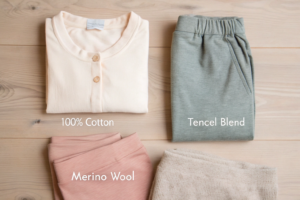
- Invest in durability-focused materials10
- Build reverse logistics infrastructure11
- Use barcode/RFID tracking
- Implement retirement and resale pipelines
At Fumao, we help rental brands choose the right fabrics, finishes, and garment designs to survive 20+ cycles without losing shape or value.
Conclusion
The future of fashion isn’t owned—it’s accessed. Millennials and Gen Z are pushing brands toward smarter, sustainable, and more flexible models. At Fumao, we build clothing meant not just to be worn—but to be shared, styled, and returned again and again.
-
Understanding the importance of event type can help brands tailor their offerings to meet modern shopper needs. ↩
-
Exploring this concept reveals how brands can innovate to meet the evolving demands of consumers. ↩
-
Understanding recurring revenue can help brands predict income and enhance financial stability. Explore this link for deeper insights. ↩
-
Data collection is crucial for brands to tailor offerings and improve customer satisfaction. Discover more about its impact here. ↩
-
Customer stickiness is vital for long-term success in subscriptions. Learn effective strategies to keep subscribers engaged. ↩
-
Explore this link to understand how rental-friendly design can enhance fashion offerings for Gen Z, ensuring style and sustainability. ↩
-
Learn about gamified return incentives and how they can improve customer experience and retention in the fashion industry. ↩
-
Discover strategies for leveraging community content to connect with Gen Z, fostering brand loyalty and engagement. ↩
-
Explore how access-based models can transform your fashion business and boost ROI significantly. ↩
-
Learn about the importance of durability in fashion to ensure your garments last longer and maintain value. ↩
-
Understanding reverse logistics is crucial for rental brands to enhance efficiency and customer satisfaction. ↩