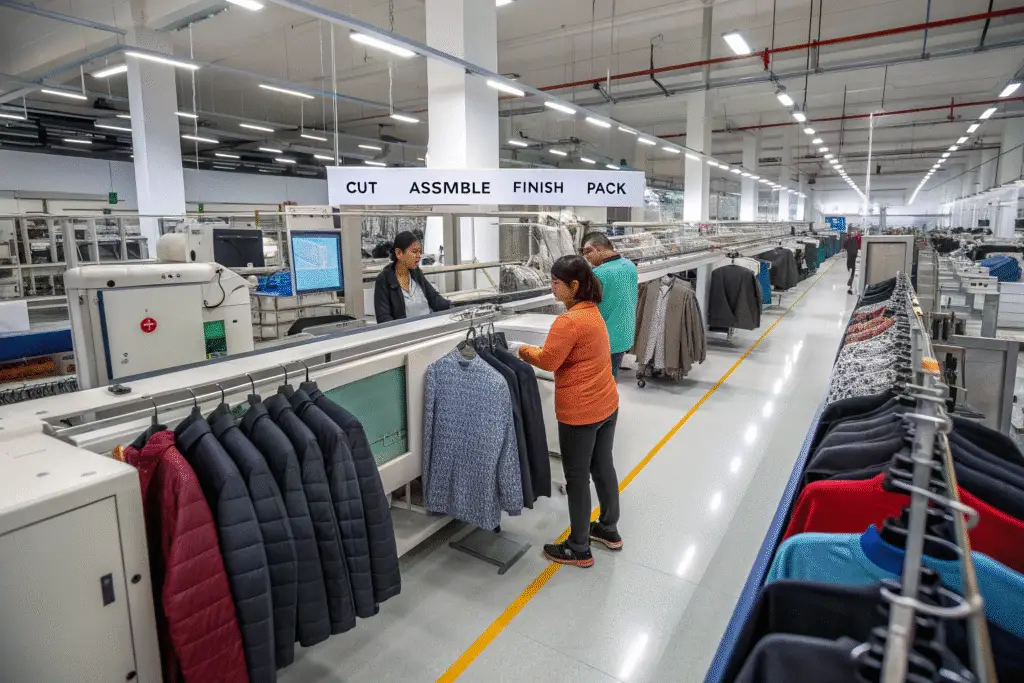
Capsule collections demand agility—but traditional production models are often rigid, built for mass output and repetition. That’s where modular manufacturing enters the picture.
Modular setups, designed for flexibility and low batch sizes, are naturally suited to the needs of capsule brands. They allow quicker turnarounds, reduced waste, and greater control over how unique SKUs are handled.
Let’s explore why modularity isn’t just a factory layout—it's a mindset that fits capsule thinking.
What Is Modular Manufacturing?
Modular manufacturing breaks the production process into independent units or “cells,” each capable of handling a specific operation. Unlike linear mass production, modular systems are:
- Configurable by batch or style
- Easier to scale up or down
- Better at managing style variation
- Ideal for lower MOQ runs with diverse SKUs
Instead of relying on a single large line making thousands of the same shirt, modular setups might have one cell finishing capsule jackets while another runs coordinated skirts.
This flexibility is key for capsule strategies, where diversity, uniqueness, and speed matter more than pure volume.
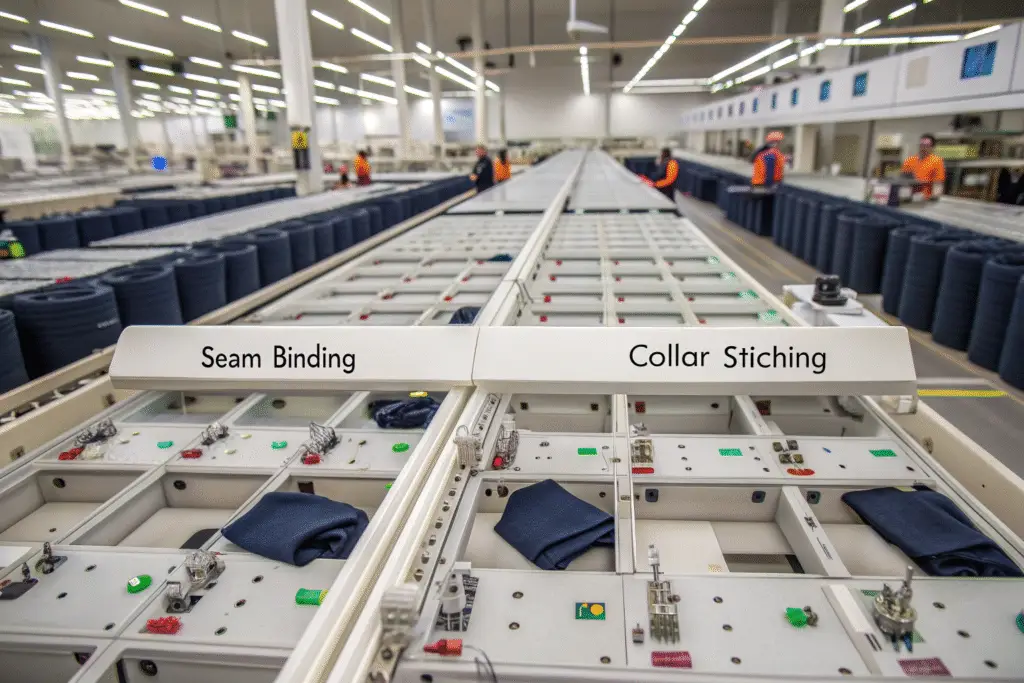
Why Is Modularity Ideal for Capsules?
Capsule collections typically have:
- Limited SKUs (3–12 pieces)
- High variability between garments
- Specific branding and style elements
- Tight launch windows
These requirements clash with mass-production thinking. Modular systems, on the other hand, excel at:
- Handling mixed styles: Each module is adaptable to distinct tasks
- Quick switching: Faster changeovers between styles or sizes
- Batch separation: Easy to manage micro-runs or reorders
- Lean labor use: Fewer workers can multitask across styles
In short, modular setups allow your capsule line to flow instead of bottleneck.
How Does Modular Reduce Waste in Capsules?
One of the major benefits of capsule launches is minimized overproduction. Modular production supports that by:
- Starting only when orders hit a threshold
- Making exactly the units needed per SKU
- Avoiding long-term inventory buildup
- Reusing leftover fabric between adjacent modules
This means fewer garments sitting in warehouses and more capital staying liquid.
The modular method aligns perfectly with capsule goals of efficiency and minimal waste.
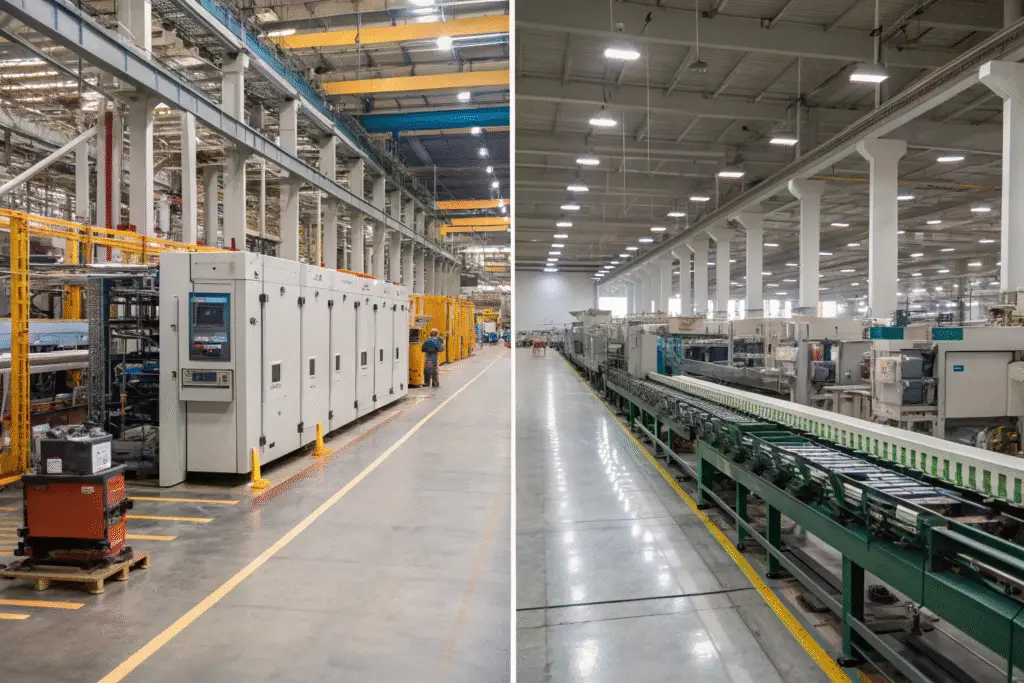
How Do We Implement Modular Manufacturing for Brands?
In our factory, we’ve applied modular principles for capsule clients by:
- Splitting production into multi-functional pods
- Using mobile racking systems to move styles between tasks
- Assigning cross-trained workers to capsule lines
- Digitally tracking components across modular cells
We don’t lock clients into minimums or fixed workflows. Instead, we build each line around their capsule’s needs—whether that’s 200 pieces or 2000.
For example, one 4-piece capsule might run through three pods in 3 days, while a 6-piece set runs through five pods over a week.
Final Thoughts
Modular manufacturing gives capsule brands what they need most: adaptability, speed, and control.
It reduces friction, enables variety without volume, and ensures your brand stays responsive to market shifts—especially important when testing new concepts or reacting to trend cycles.
If your next capsule requires tight lead times and precise execution, a modular production partner might be the best place to start.