You've received a production estimate that seems perfect—until you discover it doesn't include shipping, customs, or handling costs. Many brands learn too late that logistical planning isn't a separate consideration but an integral component of accurate production costing that can impact your total expenses by 15-30%.
Logistical planning belongs in production estimates because transportation, customs clearance, insurance, and handling typically represent 18-25% of total landed costs. Estimates excluding logistics create false pricing that results in average budget overruns of 22% and can cause timeline delays of 2-4 weeks. Comprehensive estimates that integrate logistics provide true cost visibility and prevent the surprises that damage profitability and strain manufacturer relationships.
This analysis reveals how logistical elements directly impact both cost accuracy and timeline reliability in apparel production.
How Do Transportation Costs Impact Total Landed Cost?
Transportation expenses represent one of the most variable and frequently underestimated components in production estimates. Without accurate freight costing, your estimate becomes a preliminary figure rather than a reliable budget.
Understanding different transportation options and their cost implications is essential for realistic production planning.
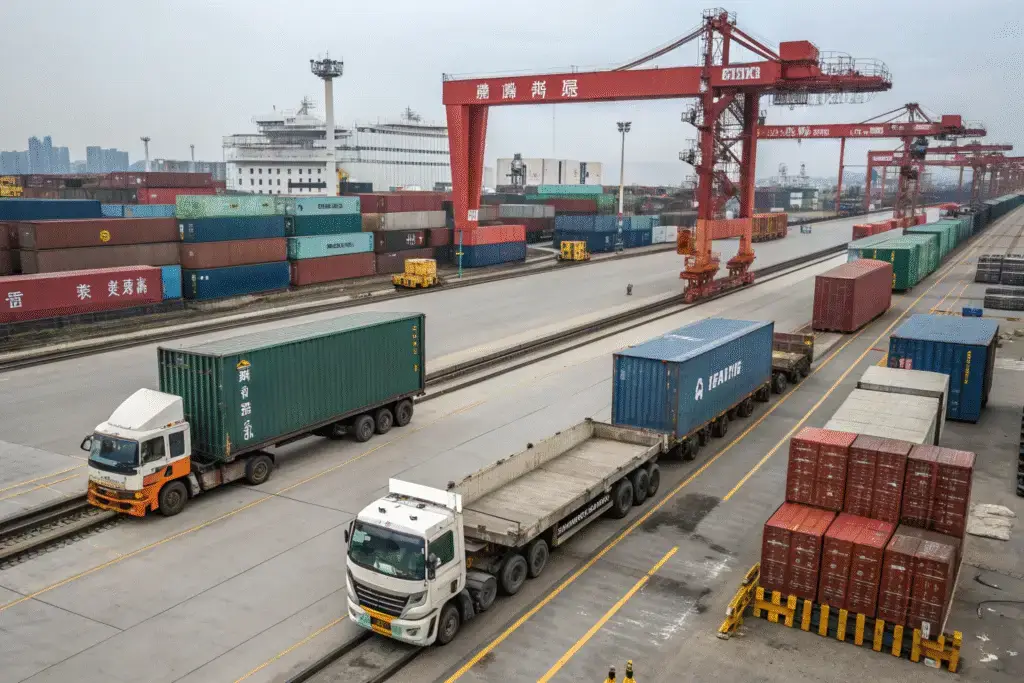
What transportation factors must be included in estimates?
Comprehensive transportation costing includes:
- Mode selection (air, sea, express, or combination)
- Fuel surcharges and seasonal fluctuations
- Accessorial charges (loading, unloading, special handling)
- Insurance coverage for goods in transit
- Container optimization for maximum efficiency
A sportswear brand discovered their "complete" production estimate excluded $8,200 in air freight surcharges and special handling fees for their technical fabrics, increasing their total costs by 19% unexpectedly. At Shanghai Fumao, we integrate comprehensive transportation costing into all production estimates.
How does shipping mode selection affect total cost?
Different modes create different cost structures:
| Shipping Method | Cost Impact | Timeline | Best For |
|---|---|---|---|
| Express Air | +35-50% | 5-10 days | Urgent, high-value |
| Standard Air | +20-30% | 10-18 days | Time-sensitive |
| Sea LCL | Baseline | 30-45 days | Cost-sensitive, flexible |
| Sea FCL | -10-15% | 25-35 days | Large volumes |
When a fashion brand compared sea freight's apparent savings against their inventory carrying costs, they discovered air freight's 3-week time savings justified the higher shipping cost for their high-margin seasonal items. This total cost analysis revealed counterintuitive optimal choices.
Why Customs and Duty Considerations Belong in Production Estimates?
Customs clearance represents a complex cost category that inexperienced estimators often overlook or underestimate. These expenses vary by product type, material composition, and destination country, making standardized assumptions dangerously inaccurate.
Customs costs can transform an apparently profitable order into a financial loss if not properly estimated.
What customs elements must be included?
Essential customs considerations:
- Import duty rates specific to garment classification
- Tax calculations (VAT, GST, sales tax)
- Customs brokerage fees for clearance services
- Bond requirements for certain import types
- Documentation preparation costs
A children's wear brand faced unexpected costs when their "all-inclusive" estimate didn't account for the higher duty rates and additional testing required for their product category, adding 12% to their landed costs. The customs cost oversight damaged their margin projections.
How do trade agreements and tariffs affect costing?
Strategic trade considerations:
- Free trade agreements that reduce or eliminate duties
- Seasonal tariff variations that impact cost predictability
- Country of origin rules that affect duty calculations
- Trade preference programs with specific requirements
- Anti-dumping duties for certain product categories
By properly estimating the duty savings available under relevant trade agreements, a denim brand reduced their landed costs by 8% compared to competitors using generic duty estimates. This strategic duty planning provided competitive advantage.
How Does Logistics Timeline Planning Impact Production Scheduling?
Logistical timelines directly influence production scheduling, inventory planning, and market delivery. Without integrated timeline planning, production estimates create false expectations about when goods will be available for sale.
The most accurate production estimates synchronize manufacturing schedules with logistical realities.
What timeline factors must be coordinated?
Essential timeline coordination includes:
- Production completion to shipping departure coordination
- Vessel/aircraft scheduling and space availability
- Customs clearance time based on destination and season
- Port operations including potential congestion periods
- Final delivery scheduling to warehouse receiving
A fast-fashion brand missed their planned marketing campaign because their production estimate assumed 4-week shipping while reality required 7 weeks during peak season, costing them 35% of their planned sales. The timeline misalignment proved costly.
How do seasonal factors affect logistical timing?
Seasonal considerations impact:
- Peak season surcharges and capacity constraints
- Weather-related disruptions in different regions
- Holiday closures affecting port operations
- Retail calendar pressures during key delivery windows
- Manufacturing holiday periods that affect production start dates
By accounting for Chinese New Year closures in their production estimate, a retailer properly scheduled their production to complete before the holiday, avoiding 5-week delays that affected competitors. This seasonal planning integration ensured timely delivery.
What Risk Management Elements Belong in Logistics Planning?
Logistical risk represents a significant cost factor that must be quantified in production estimates. From damage and loss to delays and compliance failures, unmanaged risks create unexpected costs that destroy budget accuracy.
Comprehensive production estimates include risk mitigation costs as a essential component.
What risk factors require cost allocation?
Essential risk considerations:
- Cargo insurance for damage, loss, or theft
- Delay contingencies for timeline variations
- Compliance risk mitigation for customs issues
- Currency fluctuation protection for international payments
- Quality verification costs for pre-shipment inspection
When a shipment was damaged in transit, a brand using comprehensive insurance recovered their full value, while another with basic coverage absorbed a $28,000 loss. The risk management investment proved crucial.
How does contingency planning improve estimate accuracy?
Strategic contingency allocation:
- Budget reserves for unexpected cost increases (5-10%)
- Timeline buffers for potential delays (1-2 weeks)
- Alternative routing options for disruption management
- Multi-modal flexibility for capacity constraints
- Relationship development with backup providers
By including a 7% contingency in their production estimate, a outdoor brand absorbed unexpected fuel surcharges without impacting their margin, while competitors faced difficult pricing decisions. This contingency planning provided valuable flexibility.
How Does Logistics Integration Create Competitive Advantage?
Manufacturers who integrate logistical planning into production estimates provide more than accurate costing—they deliver strategic advantages through supply chain optimization and total cost management.
Logistical expertise transforms production estimates from simple pricing to comprehensive business planning tools.

What strategic benefits come from logistics integration?
Competitive advantages include:
- Total cost visibility for accurate pricing decisions
- Timeline reliability for precise market planning
- Risk mitigation for predictable outcomes
- Customs optimization for duty minimization
- Supply chain resilience for business continuity
A boutique brand gained significant market advantage by using a manufacturer whose integrated estimates included optimized duty strategies, reducing their landed costs by 14% compared to competitors. The logistical expertise created tangible business value.
How does logistics knowledge enhance partnership value?
Manufacturers with logistics capability provide:
- Route optimization based on current market conditions
- Consolidation opportunities with other shipments
- Documentation expertise preventing clearance delays
- Relationship leverage with carriers and customs brokers
- Market intelligence about changing regulations
When new customs regulations threatened to delay multiple shipments, a manufacturer with deep logistics expertise quickly adapted their documentation and processes, preventing delays that affected competitors. This logistical agility demonstrated exceptional partnership value.
Conclusion
Logistical planning belongs in production estimates because transportation, customs, risk management, and timeline coordination typically represent 18-25% of total landed costs and directly impact delivery reliability. Estimates that exclude these elements create false pricing that leads to budget overruns, timeline misses, and strained manufacturer relationships. The most accurate production estimates integrate logistical planning to provide true cost visibility and reliable timeline projections.
Comprehensive production estimates that include logistical planning transform manufacturing partnerships from simple production arrangements to strategic business relationships. If you're seeking production estimates that reflect true landed costs and reliable timelines, Shanghai Fumao integrates detailed logistical planning into all our production estimates, providing the accuracy and reliability your business requires. Contact our Business Director, Elaine, at elaine@fumaoclothing.com to receive production estimates that include comprehensive logistical planning for complete cost visibility.