Vintage fashion is not just a fleeting trend; it's a powerful force shaping the future of apparel. For American apparel brands and distributors like yours, understanding this movement is key to staying ahead. This resurgence offers a unique opportunity to blend nostalgic appeal with modern market demands, creating products that resonate deeply with today's consumers.
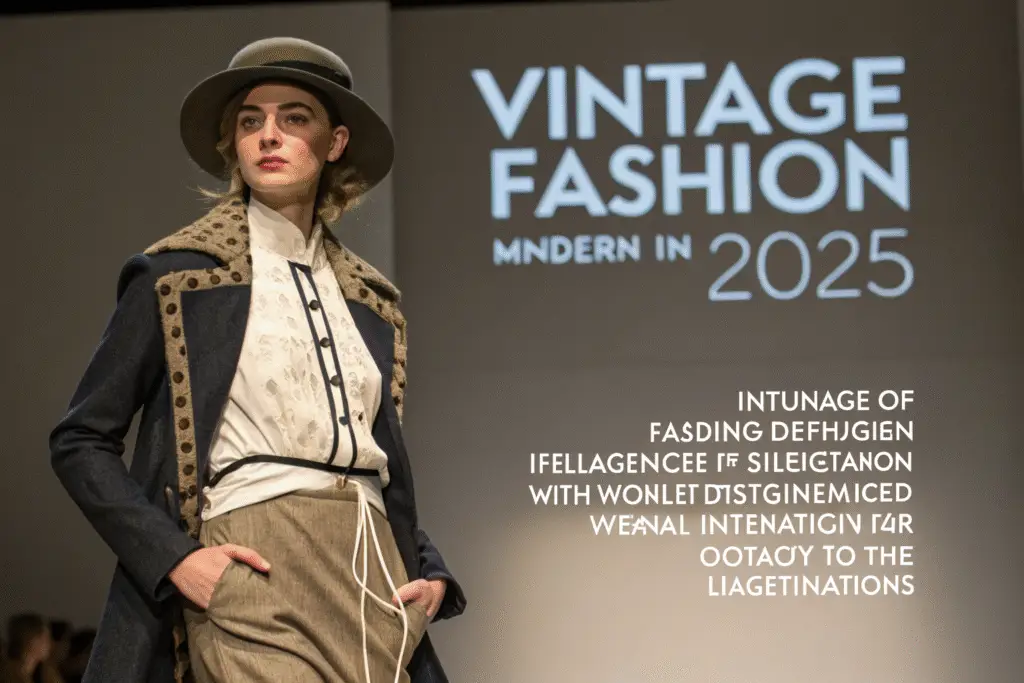
Vintage fashion is significantly influencing 2025 designs because it meets the modern consumer's desire for sustainability, unique identity, and emotional connection. By integrating classic styles with contemporary manufacturing techniques, brands can offer distinctive, high-quality apparel that stands out in a crowded market. This trend is not about mere replication but about innovative reinterpretation, providing a compelling answer to the homogenization of fast fashion.
As a leading garment manufacturer with decades of experience, we've witnessed firsthand how cyclical trends can drive new business. Let's explore the core reasons behind this vintage revival and how you can leverage it for your brand's success.
How Can Vintage Styles Boost Brand Uniqueness?
In a market saturated with similar products, vintage-inspired designs offer a powerful tool for differentiation. Brands that master this blend can create a signature look that is both familiar and fresh, appealing to consumers seeking individuality beyond mass-produced items.
Vintage aesthetics provide a rich repository of unique silhouettes, patterns, and details that are no longer common. Integrating these elements allows your brand to tell a story. This narrative—of heritage, craftsmanship, and timeless style—adds immense value and helps build a loyal customer base that identifies with your brand's unique perspective. The key is selective adaptation, not direct copying, to ensure the designs feel current.
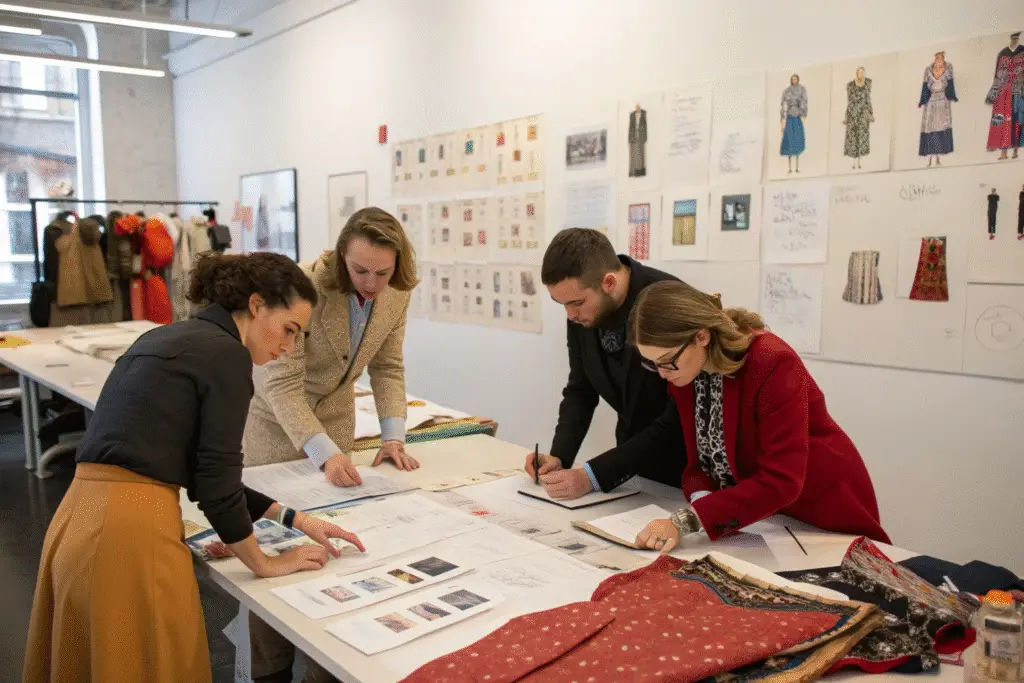
What makes vintage details stand out in modern apparel?
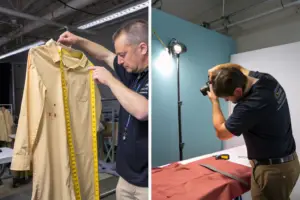
Classic details like intricate embroidery from the 1970s or specific collar styles from the 1950s immediately catch the eye. These elements stand out because they are uncommon in today's fast-fashion landscape. Utilizing advanced quality management systems ensures that these complex details are reproduced with precision and consistency, maintaining their authentic appeal while meeting modern quality and performance standards. This commitment to detail transforms a simple garment into a statement piece.
How does blending eras create a competitive edge?
The most successful vintage-inspired designs often mix elements from different decades. For instance, pairing a 60s-inspired A-line silhouette with technical, performance-oriented fabrics used in contemporary activewear creates a hybrid product. This approach demonstrates innovation and meets the consumer's desire for both style and functionality. It shows a deep understanding of fashion history while leveraging today's material science, giving your brand a distinct market position that is difficult to replicate.
| Strategy | Consumer Benefit | Manufacturing Consideration |
|---|---|---|
| Reinterpreting Classic Silhouettes | Offers a unique, non-mass-produced look. | Requires pattern-making expertise for modern fits. |
| Using Retro Color Palettes | Evokes nostalgia and emotional connection. | Needs precise dyeing and colorfastness control. |
| Incorporating Heritage Fabrics | Perceived as higher quality and authentic. | Sourcing of specific materials like deadstock fabric. |
Why Are Consumers Demanding Sustainable Vintage Looks?
The drive towards sustainability is a major engine behind the vintage trend. Modern consumers, especially younger demographics, are increasingly making purchasing decisions based on a brand's environmental and ethical practices. Vintage-inspired fashion, by its very nature, promotes a "wear-longer" mentality.
Choosing to produce garments with lasting style and quality is a direct response to the wastefulness of fast fashion. When you invest in creating durable, timeless pieces, you align your brand with the values of the conscious consumer. This isn't just a marketing angle; it's a fundamental shift in production philosophy that we have adopted, focusing on creating heirloom-quality apparel.
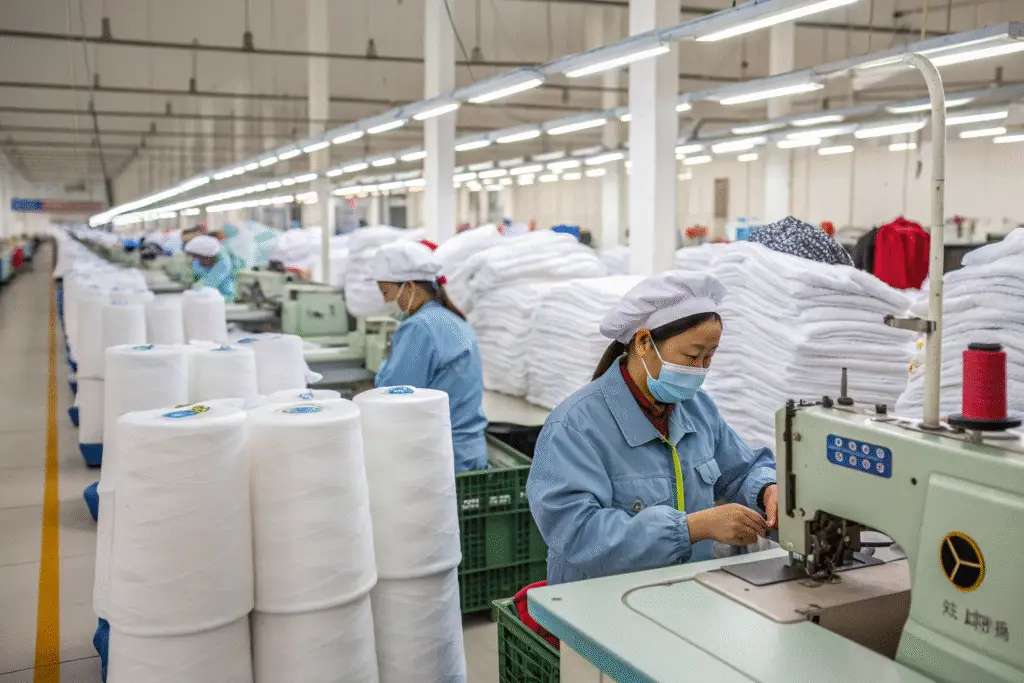
How does durable construction align with vintage appeal?
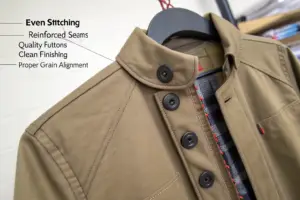
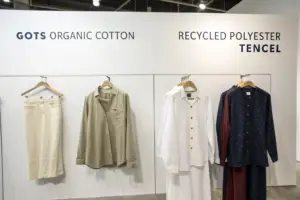
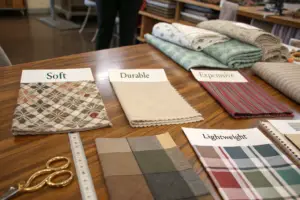
Vintage clothing has survived for decades because it was well-made. Emulating this means prioritizing superior construction techniques—like reinforced stitching, high-quality seam finishes, and the use of durable sustainable fabrics such as organic cotton or linen. This directly counters the disposable nature of fast fashion. Partnering with a manufacturer that has robust quality control certifications guarantees that every piece meets these high standards of durability.
Can "new vintage" be ethically produced?
Absolutely. The modern interpretation of vintage must include ethical production. This means ensuring safe factory conditions, fair wages, and transparent supply chains. For your brand, promoting this ethical stance is powerful. It connects the romanticism of the past with the progressive values of the present. Consumers can feel good about their purchase, knowing it's not just stylish but also responsibly made, which is a key factor in building long-term brand trust and loyalty.
What Are the Sourcing Challenges for Vintage-Inspired Materials?
Creating authentic vintage-inspired apparel presents unique sourcing challenges. Finding the right fabrics and trims that mimic historical textures and weights, while ensuring supply stability for bulk orders, requires a specialized and agile supply chain.
The quest for authenticity can lead to bottlenecks if not managed properly. Sourcing rare or out-of-production materials is often impractical for large-scale manufacturing. The solution lies in innovation—developing new fabrics that replicate the look and feel of vintage materials but with improved performance, consistency, and availability.
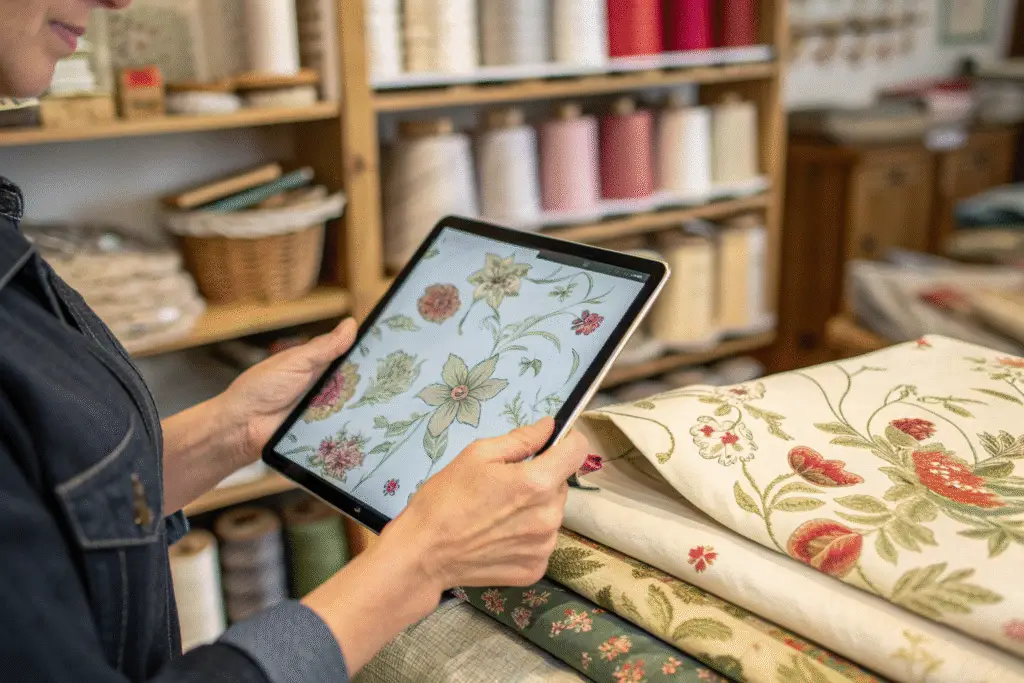
How to source authentic-feeling fabrics at scale?
The key is working with a manufacturer that has strong relationships with a diverse network of fabric mills. We often help clients develop custom fabrics, such as deadstock-inspired denim or brushed canvases that feel broken-in. This approach provides the aesthetic you need without the scarcity. It also allows for incorporation of modern features like stretch or moisture-wicking properties into a classic-looking garment, enhancing its functionality.
Are vintage trims and accessories still available?
Original vintage trims like specific lace patterns or bakelite buttons are often unavailable in quantity. This challenge is an opportunity for customization. We frequently partner with clients to produce custom trims and accessories that capture the essence of a bygone era. This ensures a unique brand identity and a consistent supply for production runs, turning a potential sourcing headache into a definitive brand asset that cannot be easily copied by competitors.
How to Ensure Consistent Quality in Vintage Reproduction?
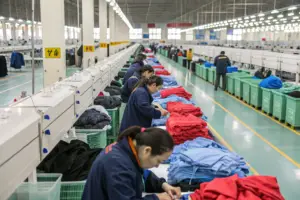
Consistency is the bridge between a one-off vintage piece and a commercially viable product line. The charm of vintage lies in its perceived quality, and reproducing that consistently across thousands of units is the ultimate manufacturing challenge.
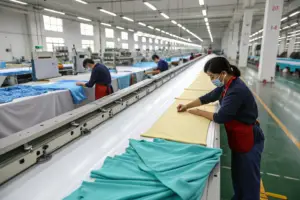
Achieving this requires a meticulous approach from the very beginning. It starts with precise technical packs that clearly define every vintage detail—from stitch density to wash treatments. A manufacturer with a proven track record in full-package production is essential, as they control every variable from raw material to finished goods.
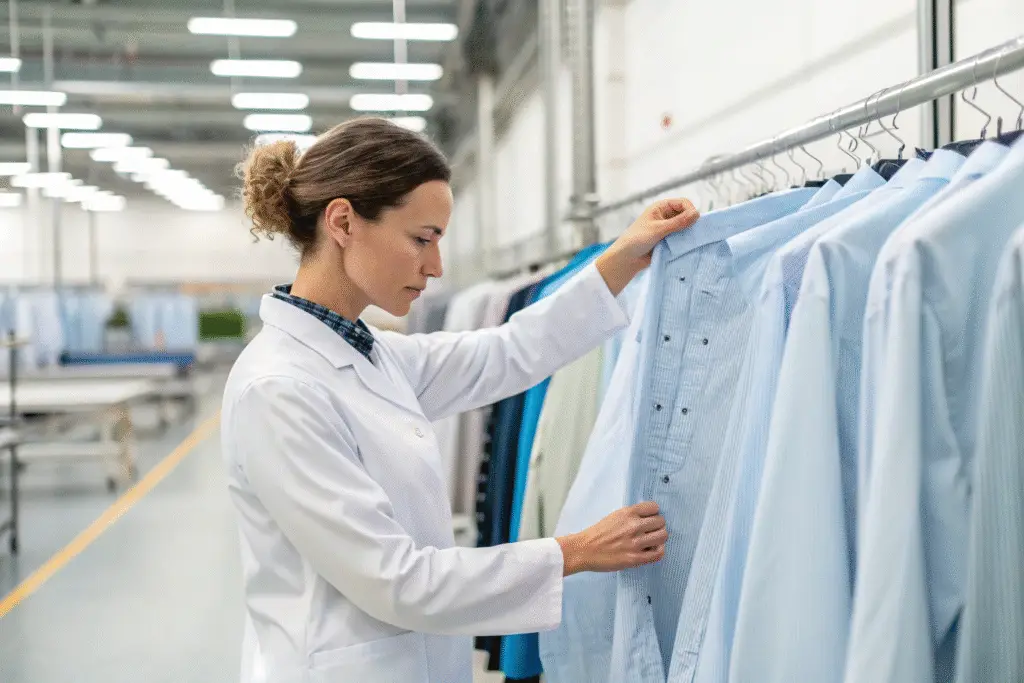
Why is fabric pre-shrinking critical for vintage styles?
Many vintage-inspired designs, like classic jeans or trench coats, rely on a specific fit. Without proper fabric pre-treatment, the first wash can ruin that fit. Implementing rigorous fabric testing protocols, including pre-shrinking and colorfastness checks, is non-negotiable. This prevents returns and protects your brand's reputation for delivering reliable, high-quality apparel that maintains its integrity over time, just like the original vintage pieces.
How do you standardize "lived-in" washes and finishes?
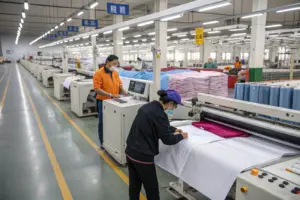
Creating a consistent "lived-in" look, such as a specific fade or soft hand-feel, is more art than science. It requires a highly controlled and repeatable washing process. Our facilities use state-of-the-art laser finishing and garment washing technologies to achieve these effects uniformly across large batches. This technical capability ensures that every unit in your order has the same authentic vintage character, providing the quality consistency that your business model depends on for reliable distribution and rebranding.
Conclusion
The influence of vintage fashion on 2025 designs is a multifaceted movement driven by the powerful market forces of uniqueness, sustainability, and quality. It is not a step backward but a progressive fusion of the best elements from the past with the innovations of the present. For American brands and distributors, this trend represents a significant opportunity to capture market share by offering consumers apparel with a soul—products that tell a story, uphold values, and are built to last. Mastering the sourcing and manufacturing intricacies is the key to unlocking this potential.
If you are looking to develop a vintage-inspired collection that combines authentic aesthetics with modern manufacturing reliability, let's talk. We understand the delicate balance between classic design and commercial production. Contact our Business Director, Elaine, today at elaine@fumaoclothing.com to discuss how we can help you bring your next successful apparel line to life.