If you're sourcing golf apparel today, you've felt the shift. Buyers no longer just ask for a price and a sample. They ask: "Where is this made? What's in this fabric? Can you prove your social compliance?" This isn't a passing trend; it's a fundamental restructuring of the buyer-supplier relationship. From our position as a manufacturer, transparency has moved from a nice-to-have to the core of our business operations.
Transparency is the new standard because it has become the primary currency of trust in a globalized, risk-averse market. It directly addresses the critical pain points of modern brands: mitigating supply chain risk, verifying sustainability claims, ensuring ethical production, and providing the credible storytelling that today's consumers demand. In an industry rife with opacity, transparency is the ultimate competitive differentiator.
A telling moment came last year. A major U.S. golf brand, after a bad experience with another supplier, sent us a 50-point supplier questionnaire. It went far beyond capacity and lead times. It asked for water usage data per garment, energy source breakdowns, wage documentation for workers, and full chemical inventory lists. Completing it took effort, but it won us a three-year contract. They said, "Your willingness to provide this data shows you have nothing to hide and everything to systemize." That is the new benchmark.
How Does Supply Chain Transparency Mitigate Brand Risk?
For a brand, an opaque supply chain is a litany of hidden risks: forced labor scandals, environmental disasters, chemical compliance failures, or sudden factory closures. Any of these can trigger lawsuits, lost retailer partnerships, and irreversible consumer backlash overnight.
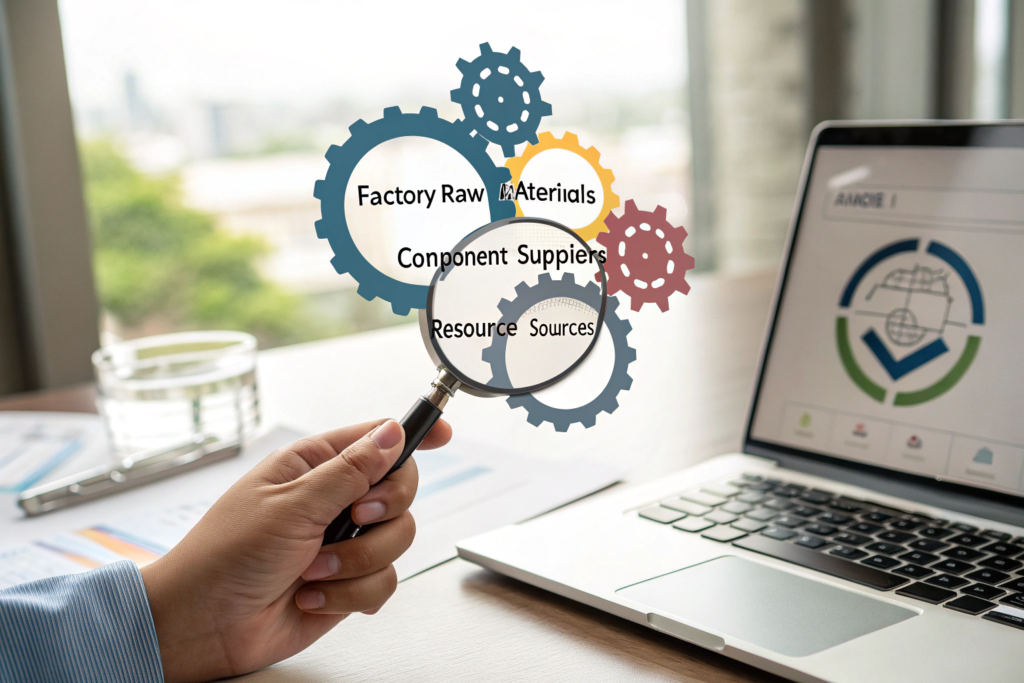
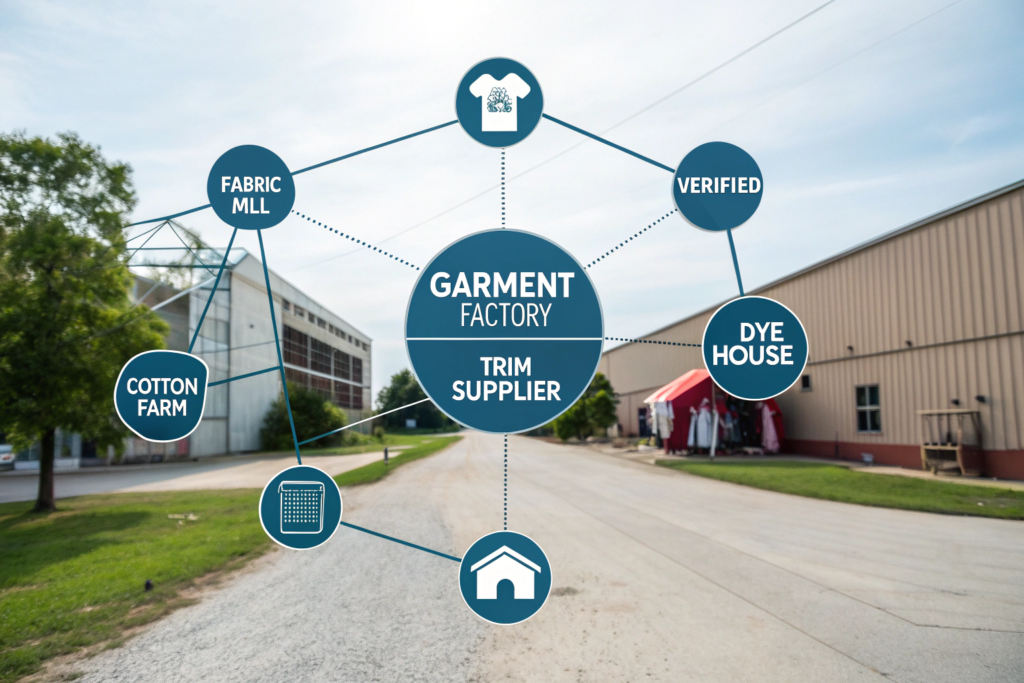
Supply chain transparency mitigates brand risk by replacing uncertainty with verifiable data. It allows brands to conduct due diligence not just on their Tier 1 supplier (the factory), but on the sources of raw materials (Tier 2, 3, 4), enabling them to identify and address vulnerabilities before they become crises. It transforms the supply chain from a black box into a mapped, manageable ecosystem.
We experienced this proactively with a client concerned about cotton sourcing. Instead of just providing a mill certificate, we arranged a virtual audit of our fabric supplier's spinning facility. We shared the farm cooperative's Better Cotton Initiative (BCI) documentation and the mill's transaction certificates. This level of traceability gave the brand confidence that their product was free from the risks associated with uncertified cotton, protecting them from potential reputational damage. This is the service a transparent partner like Shanghai Fumao provides.
Can transparency prevent disruptions and ensure quality?
Absolutely. When you know your factory's sub-suppliers (for zippers, threads, fabrics), you have visibility into their capacity and potential bottlenecks. During the recent global port congestion, a client's shipment was threatened by a delay in reflective trim. Because our system tracked that sub-supplier, we identified the delay two weeks early, sourced an approved alternative from a different vetted supplier, and kept the production line on schedule. Transparency enables predictive problem-solving, not reactive firefighting.
What is the role of technology in enabling this transparency?
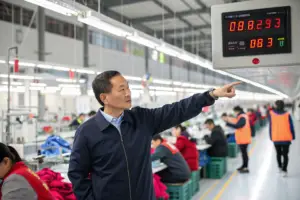
Cloud-based platforms are game-changers. We now offer key clients limited access to our production management system. They can see in real-time which stage their order is at (fabric inspection, cutting, sewing, finishing), view photos of finished bundles, and track quality control pass/fail rates. This eliminates the dreaded "Where is my order?" emails and builds immense trust. It’s a move from sending reports to sharing a digital twin of the production process.
Why Is Material Traceability Critical for Sustainability Claims?
"Eco-friendly," "recycled," and "organic" are powerful marketing terms, but without proof, they are liabilities. Greenwashing accusations are a major risk. Consumers and regulators are demanding evidence, making material traceability the bedrock of any legitimate sustainability claim.
Material traceability is critical because it provides the forensic evidence linking a final garment back to its source. It verifies the percentage of recycled content, confirms the organic certification of fibers, and validates water or energy savings claims with hard data from upstream suppliers. It turns subjective claims into auditable facts.
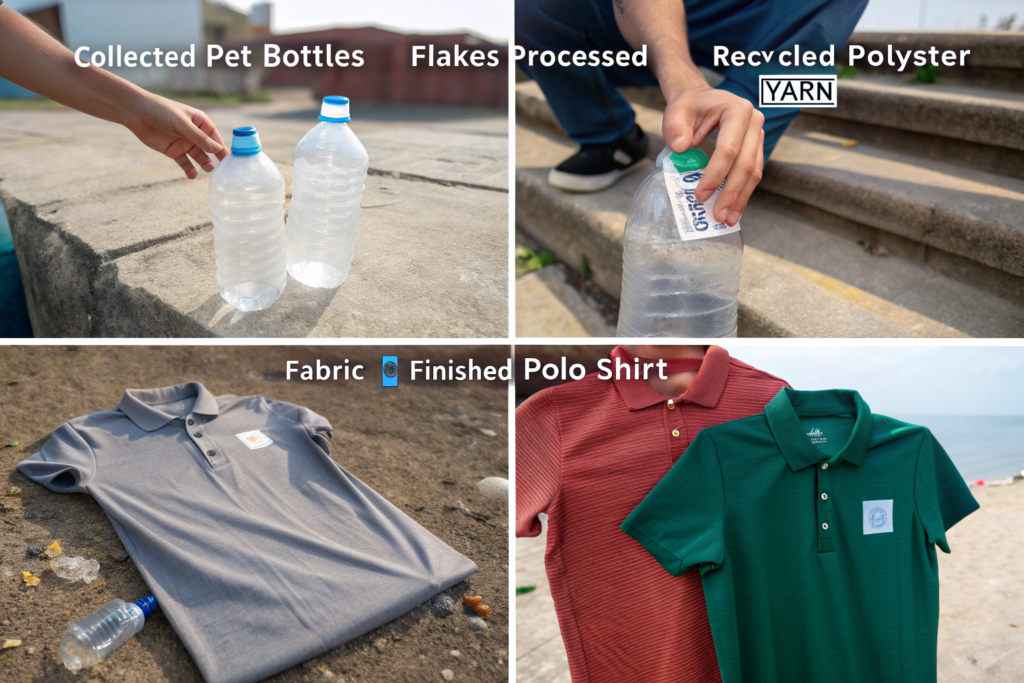
We produce a line of golf polos made with recycled polyester from plastic bottles. Early on, a client asked for proof. We provided not just our own statement, but the supplier's Global Recycled Standard (GRS) transaction certificates that trace the recycled resin from the recycling plant to the yarn spinner to our fabric mill. Each certificate has a unique chain-of-custody number. This level of documentation allowed the brand to confidently label and market the product, meeting FTC Green Guides requirements.
How does traceability impact product development and innovation?
It creates opportunities. With a transparent map of material sources, brands can make informed decisions to improve their environmental footprint. For instance, seeing the high water consumption data from a conventional cotton mill might lead them to switch to a supplier using water-less dyeing technology. Transparency provides the data needed to drive meaningful innovation, not just superficial change.
What certifications are essential for verifiable traceability?
Third-party certifications are the language of trust. Key standards include:
- GRS (Global Recycled Standard): For recycled content.
- OCS (Organic Content Standard): For organic fibers.
- OEKO-TEX STeP: For environmentally friendly production sites.
- Higg Facility Environmental Module (FEM): For measuring environmental impact.
A transparent manufacturer will not only hold these certifications but will also be able to show how they are implemented and audited.
Does Ethical Manufacturing Transparency Drive Consumer Purchase Decisions?
Today's consumers, especially in the premium golf market, are increasingly values-driven. They want to know the story behind their purchase. A brand that can show fair wages, safe working conditions, and community investment builds an emotional connection that transcends the product itself.
Yes, ethical manufacturing transparency is a powerful purchase driver. It allows consumers to align their spending with their values. In a market of similar products, the brand that can authentically communicate its ethical practices gains a decisive edge in building loyalty and justifying premium positioning. It's marketing that is both authentic and impactful.
We work with a brand that dedicates a section of its website to "Our Maker's Story." It features videos and interviews from our factory floor—with worker consent—showing clean facilities, training programs, and community initiatives we support. The brand's customer engagement on these posts is significantly higher than on product-only posts. They've built a community that believes in their "ethical performance" ethos, which directly translates to higher customer lifetime value and reduced price sensitivity.
How can brands communicate ethical transparency without seeming exploitative?
The key is dignity and focus on systems, not poverty. Showcase the conditions and opportunities: training centers, skill development programs, healthcare facilities, and fair wage structures. Use third-party audit reports (like SMETA or SA8000) to back up claims. The communication should feel respectful and evidence-based, highlighting empowerment rather than victimhood. This aligns with growing consumer awareness of corporate social responsibility.
What is the business cost of not being ethically transparent?
The cost is obsolescence. As legislation like the U.S. Uyghur Forced Labor Prevention Act (UFLPA) and the EU's forthcoming due diligence laws come into effect, brands will be legally required to know and prove their supply chains are ethical. Factories that cannot or will not provide this transparency will be unqualified to supply major markets. The risk shifts from the brand to the manufacturer, making transparency a baseline for survival.
| Stakeholder | Demand for Transparency | Impact on Golf Apparel Manufacturing |
|---|---|---|
| Consumers | Proof of ethical production & sustainable materials. | Drives brand loyalty, allows premium pricing, reduces returns. |
| Brands/Buyers | Supply chain mapping, compliance data, risk mitigation. | Enables responsible sourcing, protects brand value, ensures compliance. |
| Retailers | Verifiable sustainability & ethical certifications. | Required for shelf space in "conscious" collections, mitigates retail risk. |
| Investors | ESG (Environmental, Social, Governance) reporting metrics. | Affects valuation and investment; transparent companies are seen as lower risk. |
| Regulators | Legal due diligence on forced labor & environmental impact. | Mandates transparency; non-compliance leads to fines and shipment seizures. |
How Can Factories Practically Implement and Showcase Transparency?
Transparency is not a marketing brochure; it's an operational system. For factories, it requires investing in technology, process documentation, and a cultural shift towards openness. The goal is to make verified information easily accessible to trusted partners.
Factories implement transparency by digitizing their supply chain data, undergoing credible third-party audits, and adopting open communication platforms. They showcase it by providing clients with structured access to this data—through dashboards, verified reports, and even facilitated virtual tours—turning their operations into a strategic asset rather than a hidden cost center. It's about building a verifiable reputation.
Our implementation involved three steps:
- Digital Foundation: We moved our supply chain management to a cloud-based system. All supplier contracts, material test reports, and audit certificates are stored digitally.
- Third-Party Verification: We maintain OEKO-TEX STeP and social compliance audits. The reports are summarized in a client-facing "Sustainability Profile."
- Controlled Access: For strategic partners, we provide login credentials to a portal where they can see their order's real-time status, QC reports, and the compliance documents for their specific products.

What is the role of blockchain or RFID in traceability?
While not yet universal, technologies like blockchain offer an immutable ledger for traceability. For high-value or high-claim items (e.g., "organic Scottish wool sweaters"), a QR code on the hangtag could allow a consumer to see the entire journey. RFID tags in production allow for precise tracking of batches through the factory. These technologies move transparency from periodic reporting to real-time, interactive verification. They represent the future of supply chain provenance.
How does a factory like Shanghai Fumao balance transparency with protecting IP?
Transparency is about sharing process and provenance data, not intellectual property. We share that we use a specific certified mill, not the mill's proprietary dye formulas. We share our quality control procedures, not our pattern grading algorithms. Clear contracts define the boundaries. The principle is to provide all necessary data for trust and compliance, while safeguarding the technical know-how that constitutes our competitive advantage. Our clients appreciate this balanced, professional approach.
Conclusion
Transparency in golf apparel manufacturing is no longer an optional virtue; it is the new operating system for a responsible and resilient industry. It is the direct response to the interconnected demands of risk-aware brands, values-driven consumers, and tightening global regulations. For factories, embracing transparency is a strategic investment that builds unshakeable partnerships. For brands, it is the only way to future-proof their supply chains and build authentic brand equity.
The brands that will lead the next decade are those that partner with manufacturers who understand that their greatest value lies not in what they hide, but in what they openly, verifiably, and systematically reveal.
If you are looking for a manufacturing partner who views transparency as a core competency—who can provide not just a product, but the verified story of its responsible creation—we are built for this new standard. At Shanghai Fumao, we operate with the openness and systematic integrity that tomorrow's leading golf brands require. Let us show you how transparent partnership works. Contact Business Director Elaine to begin: elaine@fumaoclothing.com.