In today's fast-paced fashion world, many business owners are asking a crucial question. They see the term "sustainable fashion" everywhere. But is it just a passing trend for marketing, or is it a real business necessity? For American apparel brand owners and decision-makers like you, understanding the shift towards sustainability is no longer optional. It is a strategic move that directly impacts your brand's reputation and your bottom line. We see this shift firsthand with our partners in the U.S. market.
Sustainable fashion is vital for your business because it aligns with modern consumer demand, builds long-term brand loyalty, mitigates operational risks, and ultimately creates a more resilient and profitable supply chain. Ignoring this shift can leave your brand vulnerable to changing market dynamics and consumer expectations. Embracing it opens doors to a growing segment of conscious consumers.
Let's explore the concrete reasons why integrating sustainability into your business model is one of the smartest decisions you can make this year.
How Can Sustainable Fashion Increase Brand Loyalty?
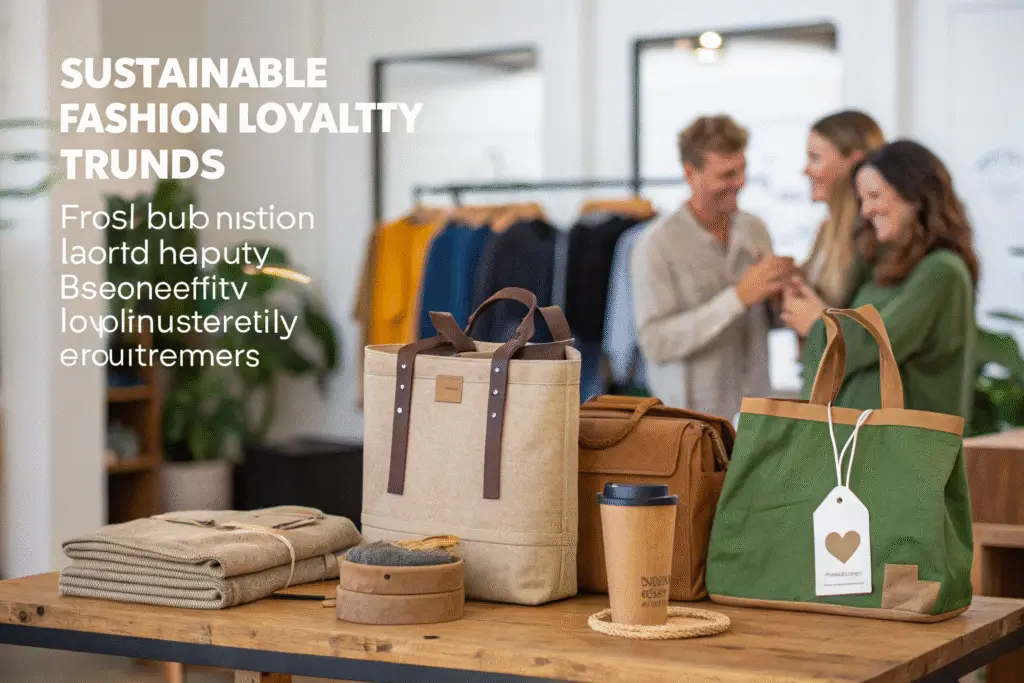
Today's consumers, especially younger generations, are more informed and values-driven than ever. They are not just buying a product; they are buying into a brand's ethos. When your brand demonstrates a genuine commitment to sustainable practices, you connect with these consumers on a deeper level. This connection is the foundation of powerful brand loyalty that transcends price fluctuations.
Sustainable fashion increases brand loyalty by building trust and emotional connection with a growing demographic of environmentally and socially conscious consumers. This loyalty translates into repeat purchases, positive word-of-mouth, and a stronger brand community. It turns customers into advocates for your brand.
What Do Conscious Consumers Really Want?
Conscious consumers want transparency and authenticity. They want to know the story behind their clothes. They seek brands that are open about their supply chain and manufacturing processes. A recent study by McKinsey & Company highlights that a significant percentage of Gen Z consumers prefer to buy from sustainable brands. They are actively researching brands online before making a purchase. They are looking for proof of your claims, such as certifications for organic materials or fair labor practices. By providing this transparency, you build trust. This trust is what keeps them coming back.
How Does Sustainability Create a Competitive Advantage?
In a crowded marketplace, sustainability can be your key differentiator. When two shirts are of similar quality and price, the one with a verifiable sustainable story will win. It gives you a unique selling proposition (USP) that is difficult for competitors to copy overnight. You can leverage this in your marketing across all channels, from your e-commerce platform to social media. It positions your brand as a leader and an innovator. This proactive approach attracts not only consumers but also like-minded business partners and investors who are increasingly prioritizing ESG (Environmental, Social, and Governance) criteria.
Can Sustainable Practices Reduce Long-Term Costs?
Many business owners initially worry that sustainable practices will increase costs. While some eco-friendly materials may have a higher upfront cost, a full-package manufacturing partner can help you see the bigger financial picture. Sustainable practices are inherently about efficiency—reducing waste, optimizing resources, and creating durable products. These efficiencies directly translate into cost savings over time, making your business more profitable and less vulnerable to resource price shocks.
Yes, sustainable practices can significantly reduce long-term costs by minimizing material waste, lowering energy consumption, and improving overall supply chain efficiency. This is achieved through process optimization and the adoption of innovative technologies that save both money and resources.
How Does Waste Reduction Impact Your Bottom Line?
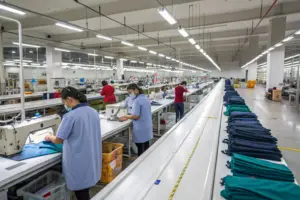
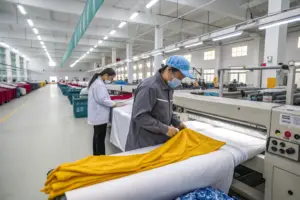
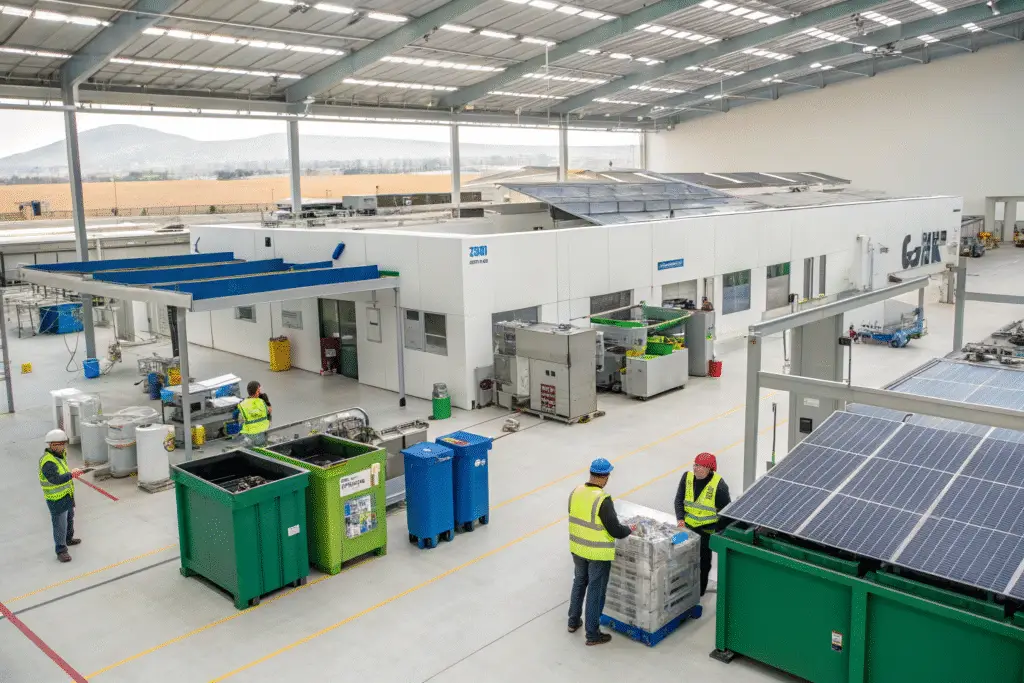
Fabric waste is a major, often overlooked, cost in apparel manufacturing. By working with a manufacturer that employs efficient pattern cutting and lean manufacturing principles, you can drastically reduce material waste. This means you pay for less raw material that ends up on the cutting room floor. Some manufacturers even have programs to recycle fabric scraps, creating a circular system. This reduction in waste directly lowers your production cost per unit. It also reduces disposal fees, which is an additional financial benefit.
What is the Financial Benefit of Investing in Durable Clothing?
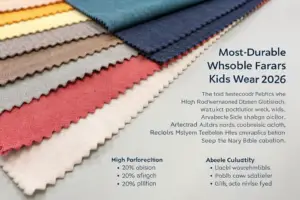
Investing in quality, durable garments means your products last longer. This reduces customer returns and complaints, which are costly for any business. A durable product enhances customer satisfaction and reduces the long-term cost of customer acquisition. When customers trust that your clothes will withstand wear and tear, they perceive higher value. This allows you to build a brand known for quality, not just fast fashion. Furthermore, durable items are less likely to be discarded quickly, aligning with the circular economy model which is a core tenet of sustainable fashion.
How to Find a Reliable Sustainable Clothing Manufacturer?
Finding a partner who truly embodies sustainable practices, rather than just using "greenwashing" marketing, is critical. Your manufacturer is the foundation of your supply chain. An unreliable partner can lead to delayed shipments and quality issues, damaging the sustainable reputation you are trying to build. You need a partner with verifiable credentials, transparent communication, and a proven track record in ethical production.
To find a reliable sustainable clothing manufacturer, you must verify their certifications, audit their communication and production processes, and assess their experience with export logistics to the U.S. Look for partners who are open about their factories and willing to provide documentation.
Which Certifications Should You Look For?
Certifications are your first line of defense against greenwashing. They provide independent verification of a factory's claims. Key certifications to look for include:
| Certification | Focus Area | Why It Matters to Your Business |
|---|---|---|
| Global Organic Textile Standard (GOTS) | Organic Fibers | Verifies the organic status of textiles from harvesting to labeling. |
| OEKO-TEX Standard 100 | Product Safety | Tests for harmful substances, ensuring products are safe for human use. |
| WRAP (Worldwide Responsible Accredited Production) | Social Compliance | Ensures ethical, humane, and lawful manufacturing conditions. |
These certificates prove that the manufacturer adheres to global standards for environmental and social responsibility. Always ask to see these certificates and verify their authenticity online.
Why is Transparent Communication Non-Negotiable?
Inefficient communication is a major pain point you've likely experienced. A reliable sustainable partner must have a responsive and transparent communication system. This means having a dedicated point of contact, like our Business Director Elaine, who understands your needs and can provide timely updates. This transparency should extend to every stage, from fabric sourcing to production scheduling and shipping. It prevents misunderstandings, ensures your quality standards are met, and guarantees on-time delivery, so you never miss a selling season.
What Are the Risks of Ignoring Sustainable Fashion?
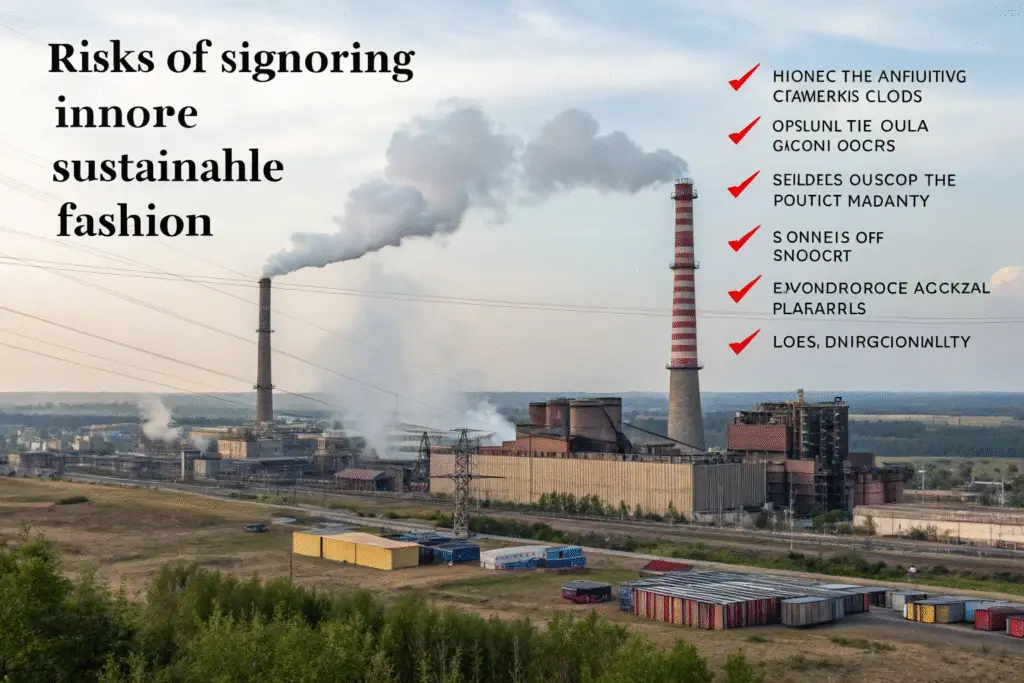
Choosing to ignore the shift towards sustainability is a strategic risk. It's not just about missing an opportunity; it's about actively putting your business in a vulnerable position. The market is changing rapidly, and consumer expectations are evolving with it. Brands that fail to adapt may find themselves left behind, facing reputational damage and a shrinking customer base.
The risks of ignoring sustainable fashion include reputational damage, loss of market share to more innovative competitors, and increased exposure to supply chain disruptions linked to environmental and social issues. These risks can directly impact your profitability and long-term viability.
How Can Your Brand Reputation Be Affected?
In the age of social media, a brand's reputation is its most valuable asset. If your brand is perceived as outdated or irresponsible, it can lead to public backlash and negative reviews. Consumers and even retail partners may choose to disassociate from your brand. This damage can be difficult and expensive to repair. Proactively building a sustainable brand, on the other hand, generates positive press and strengthens your reputation. It shows that your company is forward-thinking and responsible.
Are You Vulnerable to Future Regulations?
Governments around the world are starting to implement stricter environmental and social regulations for the fashion industry. By ignoring sustainability now, you are making your business vulnerable to future compliance costs and potential legal issues. Brands that are already operating sustainably will be ahead of the curve. They will adapt to new regulations easily, while others will scramble, incurring significant costs. Partnering with a manufacturer that is already compliant with international standards, like those required for North American exports, future-proofs your supply chain.
Conclusion
The evidence is clear: sustainable fashion is not a niche trend but a fundamental shift in the global apparel industry. It is a powerful tool for building a stronger, more resilient, and more profitable business. From deepening customer loyalty and reducing long-term costs to securing a reliable supply chain and protecting your brand's reputation, the benefits are tangible and significant. The question is no longer if you should adopt sustainable practices, but how quickly you can integrate them into your business model.
Making this shift requires a trusted manufacturing partner who understands your goals and the U.S. market. At Fumao Clothing, we are committed to being that partner. We help you navigate the complexities of sustainable production, from sourcing eco-friendly materials to ensuring ethical manufacturing and seamless logistics management. Let us help you future-proof your brand and unlock new growth. To start a conversation about producing your next sustainable apparel line, please contact our Business Director, Elaine, at elaine@fumaoclothing.com.