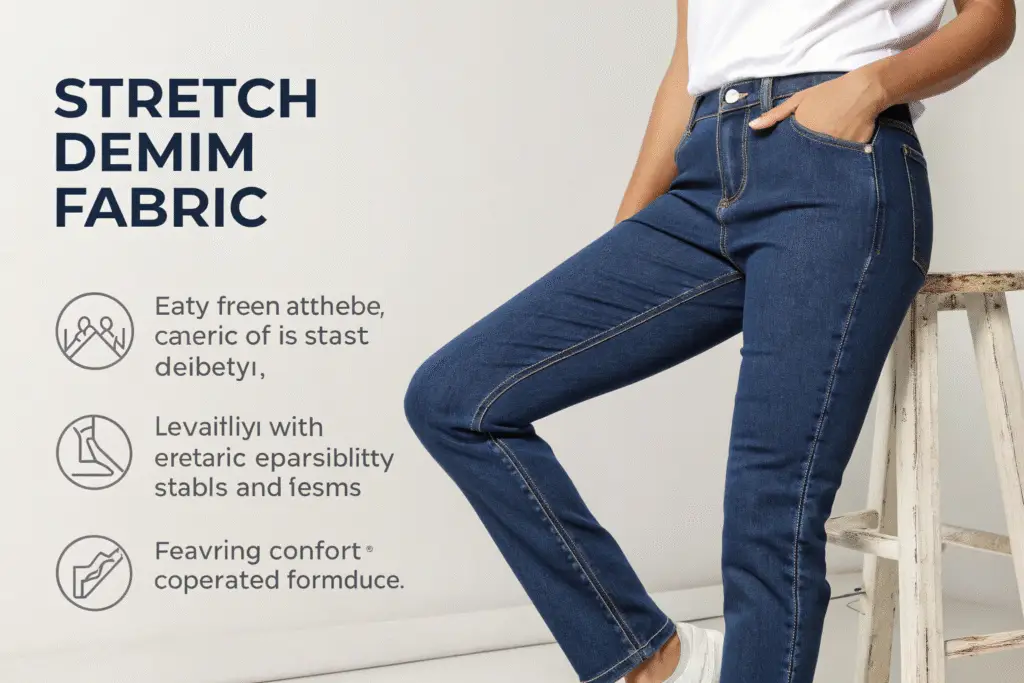
For decades, denim was synonymous with durability, but often at the cost of comfort. Many brands and buyers have faced the challenge of jeans that look great on the hanger but feel restrictive on the body, leading to customer returns and missed sales opportunities. This friction point is precisely why the evolution of denim has been so critical for the apparel industry. As a manufacturer deeply embedded in the U.S. fashion market, we've witnessed this shift firsthand. The question is no longer about choosing between style and comfort, but about finding the perfect material that delivers both. Stretch denim has emerged as the definitive answer, transforming not just how jeans feel but also how they perform in a competitive market.
Stretch denim is a must-have in modern jeans production because it masterfully combines the classic, durable aesthetic of traditional denim with unparalleled comfort and mobility, directly meeting contemporary consumer demands for versatile, body-inclusive apparel. This fabric innovation enhances the wearer's experience, reduces fit-related issues, and opens up broader market opportunities for brands. By integrating materials like spandex or elastane into the cotton weave, stretch denim provides flexibility that rigid fabrics cannot, making it a non-negotiable element for any forward-thinking jeans collection aimed at today's discerning shoppers.
Let's delve into the specific reasons why this fabric has become an industry standard and how it can benefit your next sourcing decision.
What Are The Key Benefits Of Stretch Denim?
The rise of stretch denim is not a passing trend; it's a fundamental shift driven by tangible benefits that resonate with end-consumers and brands alike. The primary advantage lies in its ability to solve the age-old problem of fit versus comfort. Traditional, non-stretch denim requires a break-in period and often never truly conforms to the wearer's body. Stretch denim, however, offers immediate comfort and retains its shape throughout the day, moving with the individual rather than against them. This directly translates to higher customer satisfaction and fewer size-related returns, a key pain point for brands.
The key benefits of stretch denim include superior comfort and flexibility, improved fit across diverse body types, and enhanced durability through better shape retention. Unlike rigid denim, which can stress at the seams, the elasticity of stretch denim allows it to withstand tension and movement without losing its structural integrity. This makes garments more resilient over time. For brands, this means a product that is easier to sell and more likely to earn repeat customers due to its consistent performance and flattering fit.
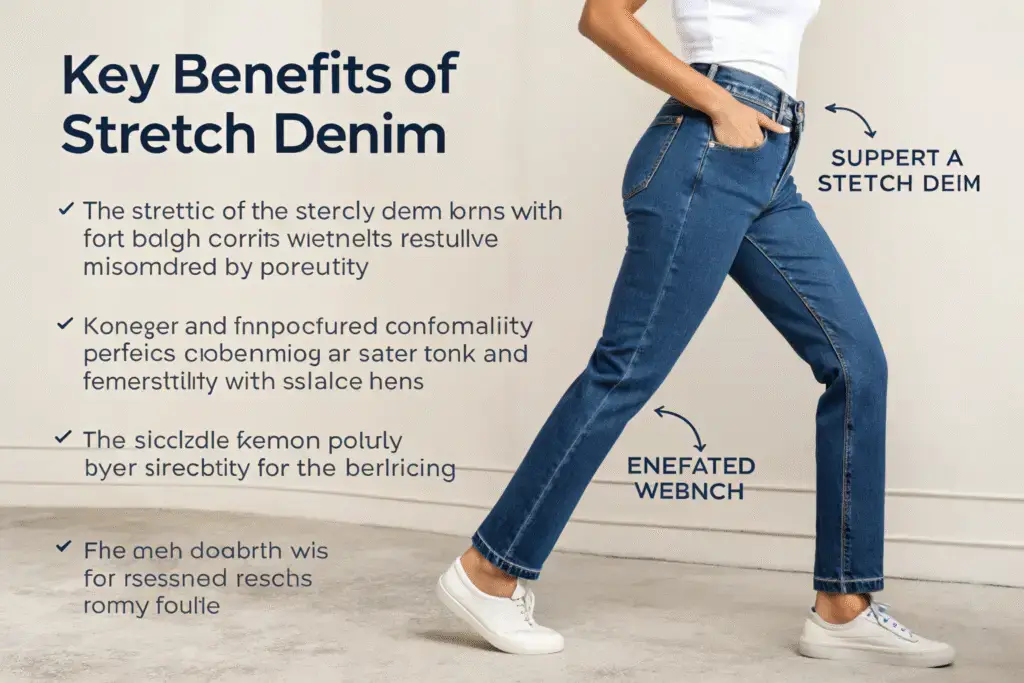
How Does Stretch Denim Enhance Wearer Comfort?
The incorporation of a small percentage of elastic fibers like elastane is what unlocks a new level of comfort. These fibers act like tiny springs woven into the cotton yarn, allowing the fabric to expand with movement and then contract back to its original shape. This means activities like bending, squatting, or sitting for long periods become infinitely more comfortable. The fabric moves with the body, eliminating the tight, restrictive feeling associated with 100% cotton denim. This is particularly crucial for the casual and active lifestyles of modern consumers, who prioritize comfort without wanting to sacrifice style. The result is a garment that people love to wear all day, directly increasing its perceived value and the likelihood of it becoming a staple in their wardrobe.
Why Is Stretch Denim Better For Body Shape Inclusivity?
One of the most significant advantages from a brand perspective is the ability to cater to a wider audience. Stretch denim is inherently more forgiving and adaptable than its rigid counterpart. It can comfortably accommodate various body shapes and sizes with fewer fit issues. This inclusivity is not just a moral imperative but a smart business strategy. By offering jeans that flatter a diverse customer base, brands can tap into larger market segments and build stronger brand loyalty. The fabric's ability to smooth and contour reduces the need for an excessive number of complex size variations, simplifying inventory management for your business. It makes achieving a consistent, flattering fit across your product line more achievable, which is a powerful selling point in today's market.
How To Source High-Quality Stretch Denim Fabric?
Sourcing the right stretch denim is where the manufacturer's expertise becomes critical. Not all stretch denim is created equal. The quality hinges on the blend ratio, the quality of the raw materials, and the weaving techniques used. A common mistake is to prioritize high stretch content over everything else, which can lead to fabric that sags out of shape quickly. The goal is to find a balanced fabric that offers optimal recovery—the ability to return to its original shape after being stretched. This is a technical aspect we rigorously test for in our fabric lab before any production begins.
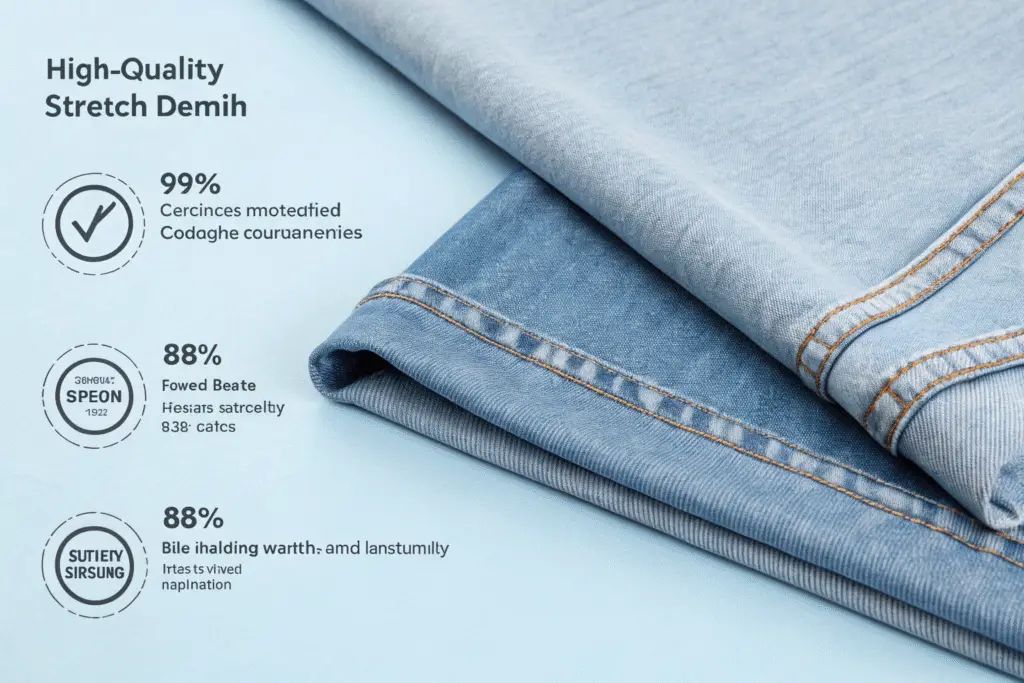
To source high-quality stretch denim fabric, partner with a manufacturer that has robust quality control protocols for fabric testing and strong relationships with certified material suppliers. Key indicators of quality include a balanced composition (e.g., 98% Cotton / 2% Elastane), high-grade cotton for softness and durability, and reliable recovery. A professional manufacturer will provide fabric test reports for properties like dimensional stability, tear strength, and colorfastness, ensuring the material meets the standards required for the U.S. market and avoids issues like premature wear or loss of shape.
What Fabric Specifications Should You Look For?
When evaluating stretch denim, you must look beyond the surface. The fabric weight (measured in oz/yd²) determines the jeans' seasonality and feel—lighter weights for summer, heavier for winter. The composition is even more critical. A typical high-quality blend is 98% cotton and 2% elastane, but this can vary. You must also verify the fabric's ISO test standards for recovery and shrinkage. A fabric with poor recovery will bag out at the knees and seat, ruining the silhouette. Furthermore, inquire about the finishing processes, such as sanforization (pre-shrinking), which minimizes post-production shrinkage and ensures size consistency for your customers, a key element of garment quality.
How Can You Verify Supplier Certifications And Quality?
Verifying a supplier's credibility is non-negotiable. You must request and validate certifications that prove their commitment to quality and ethical production. Key certifications to look for include:
- OEKO-TEX Standard 100: certifies that the textiles are free from harmful substances.
- Global Recycled Standard (GRS): if you are sourcing recycled denim.
- ISO 9001: for quality management systems.
| Certification | Focus Area | Importance for Your Brand |
|---|---|---|
| OEKO-TEX 100 | Consumer Safety | Guarantees fabric is free from harmful chemicals, building trust. |
| GRS | Sustainability | Verifies recycled content, appealing to eco-conscious consumers. |
| ISO 9001 | Production Process | Ensures consistent quality control in the manufacturer's facility. |
A transparent manufacturer will readily provide these documents. This due diligence protects your brand from the risk of suppliers falsifying certificates, a common pain point you've highlighted, and ensures the materials performance meets your standards.
What Is The Production Process For Stretch Denim Jeans?
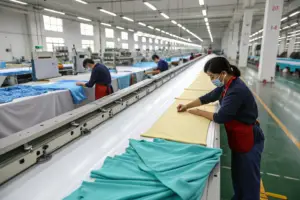
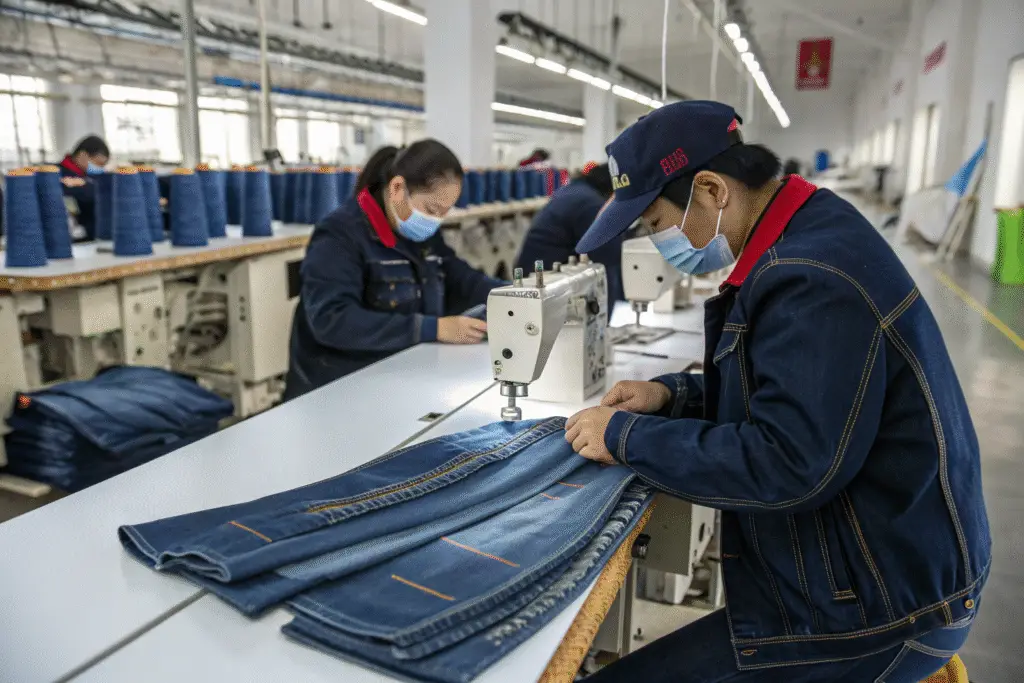
The production of stretch denim jeans requires specialized knowledge and equipment to handle the elastic properties of the fabric. From pattern making to sewing and washing, every step must be calibrated for stretch materials. A standard pattern for rigid denim will not work for stretch denim, as the garment's dimensions must account for the fabric's expansion and recovery. This is where technical design support from an experienced manufacturer becomes invaluable, ensuring the final product fits perfectly in its relaxed state and moves correctly when worn.
The production process for stretch denim jeans involves specialized pattern making, precision sewing with differential feed machines, and tailored washing techniques to preserve elasticity. It's a meticulous process that demands experience. Using the wrong sewing thread or machine tension can "kill" the stretch, creating rigid seams that pop when stressed. The washing process also needs careful control of temperature and agitation to prevent the elastane from degrading, ensuring the jeans maintain their comfort and shape wash after wash.
Why Is Pattern Making Different For Stretch Materials?
Pattern making for stretch denim is a science. The patterns are drafted smaller than the intended finished garment measurements because the fabric is designed to stretch to the correct size when worn. This requires precise calculations based on the fabric's specific stretch and recovery percentage, known as its stretch factor. An experienced pattern maker will understand how different levels of stretch affect the fit across various styles—from skinny to straight leg. Getting this right from the start is crucial to avoid costly fit samples and delays, streamlining your product development timeline and ensuring a flawless fit for your customers.
How Does The Washing Process Affect The Final Product?
The washing process is where the jeans get their character and final hand-feel, but for stretch denim, it must be handled with care. High temperatures or harsh chemicals can damage the elastane fibers, compromising the fabric's recovery and leading to permanent deformation. Techniques like enzyme washing, stone washing, and bleaching are carefully monitored and timed. A professional factory will conduct pre-production wash tests to determine the exact formula that achieves the desired aesthetic—whether it's a dark rinse or a vintage fade—without sacrificing the integrity of the stretch. This controlled garment washing process is essential for delivering a consistent, high-quality product that retains its functionality and appearance.
How Does Stretch Denim Impact Logistics And Pricing?
Integrating stretch denim into your collection does have implications for logistics and cost structure, but the value it adds often far outweighs the initial investment. From a pricing perspective, stretch denim fabric is generally more expensive per meter than 100% cotton denim due to the more complex production process of the yarn and the cost of elastane. However, this initial cost is frequently offset by reduced return rates due to fit issues, enhancing your overall profitability.
Stretch denim impacts logistics and pricing by potentially increasing raw material costs but significantly reducing financial losses from customer returns and exchanges due to poor fit. The fabric's adaptability can also simplify inventory by reducing the need for as many size variations. From a logistics standpoint, reliable manufacturers mitigate risks by implementing strict production schedules and offering secure DDP (Delivered Duty Paid) shipping options, ensuring your goods arrive on time and without hidden costs, thus protecting you from missed selling seasons.
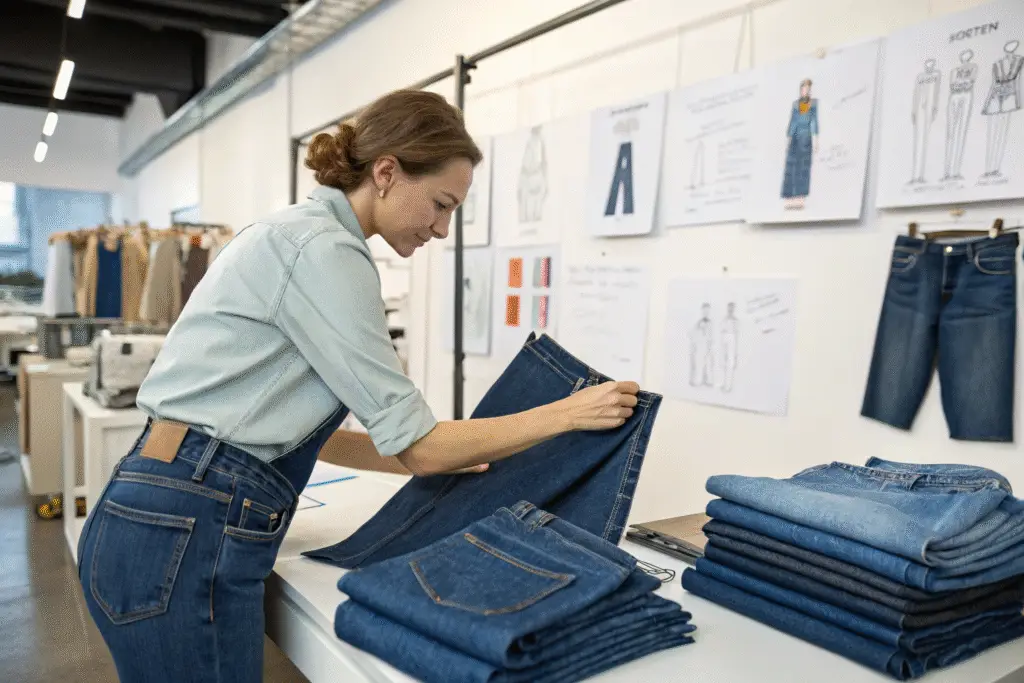
What Is The True Cost Of Customer Returns From Poor Fit?
The true cost of a return is not just the refunded product price. It includes reverse logistics, restocking, potential markdowns, and the lost opportunity of a sale. For apparel, fit is the number one reason for returns. By sourcing jeans made from flattering and comfortable stretch denim, you directly attack this problem. A slight increase in your cost of goods sold is a smart investment against the significant, hidden costs of a high return rate. It also builds brand loyalty, as customers who find a great-fitting pair of jeans are likely to become repeat buyers.
How Can DDP Shipping Simplify Your Import Process?
For U.S. importers, navigating international shipping, customs, and duties can be a major headache. This is where a manufacturer offering a comprehensive DDP service becomes a strategic partner. Under DDP terms, we handle everything from the factory door to your designated warehouse in the U.S. We manage the export formalities, ocean freight, insurance, and customs clearance, including paying all tariffs and taxes. This provides you with a predictable, all-inclusive cost and eliminates logistical surprises. This reliability is paramount for avoiding delayed shipments and ensuring your products hit the shelves in time for the selling season, turning a complex international process into a simple, turnkey solution.
Conclusion
Stretch denim is no longer an optional feature in jeans production; it is a fundamental expectation of the modern consumer. Its unique ability to merge the timeless appeal of denim with the non-negotiable demand for comfort and superior fit makes it an essential fabric for any brand seeking to remain competitive. From enhancing wearer satisfaction and promoting body inclusivity to simplifying inventory and reducing return rates, the benefits are clear and impactful. Sourcing high-quality stretch denim requires a manufacturing partner with the technical expertise to handle the fabric properly and the logistical capability to deliver consistently.
The success of your denim line depends on choosing a partner who understands these intricacies from concept to delivery. If you are looking to develop a high-quality, comfortable, and profitable jeans collection with reliable stretch denim, we should talk. Let us help you bring your apparel visions to market successfully. For a direct conversation about your production needs, please contact our Business Director, Elaine, at elaine@fumaoclothing.com.