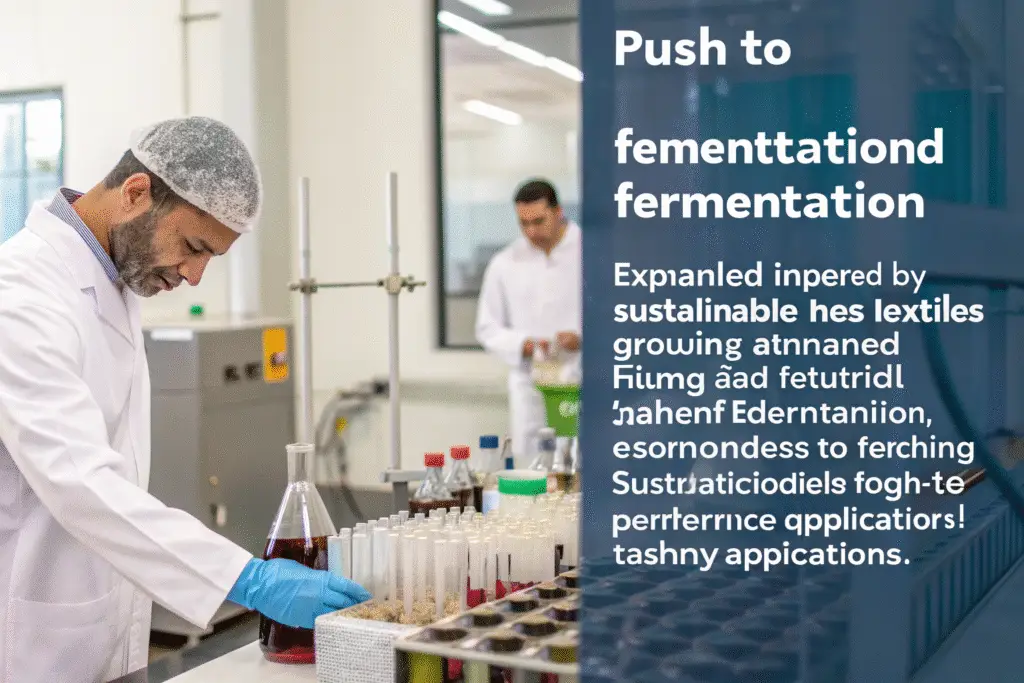
Spider silk has always been admired for its strength, lightness, and elasticity. Since farming spiders is impractical, scientists turned to biotechnology. By using fermentation with yeast, bacteria, or plants, researchers can now produce spider silk proteins on a larger scale.
The push to expand fermentation is fueled by growing interest in sustainable textiles, advanced biomaterials, and high-performance applications across fashion and industry.
Working in apparel production, I’ve seen how new fabrics can reshape supply chains. Spider silk is no longer just a scientific dream—it’s becoming a real option for brands and industries.
What makes spider silk stand out?
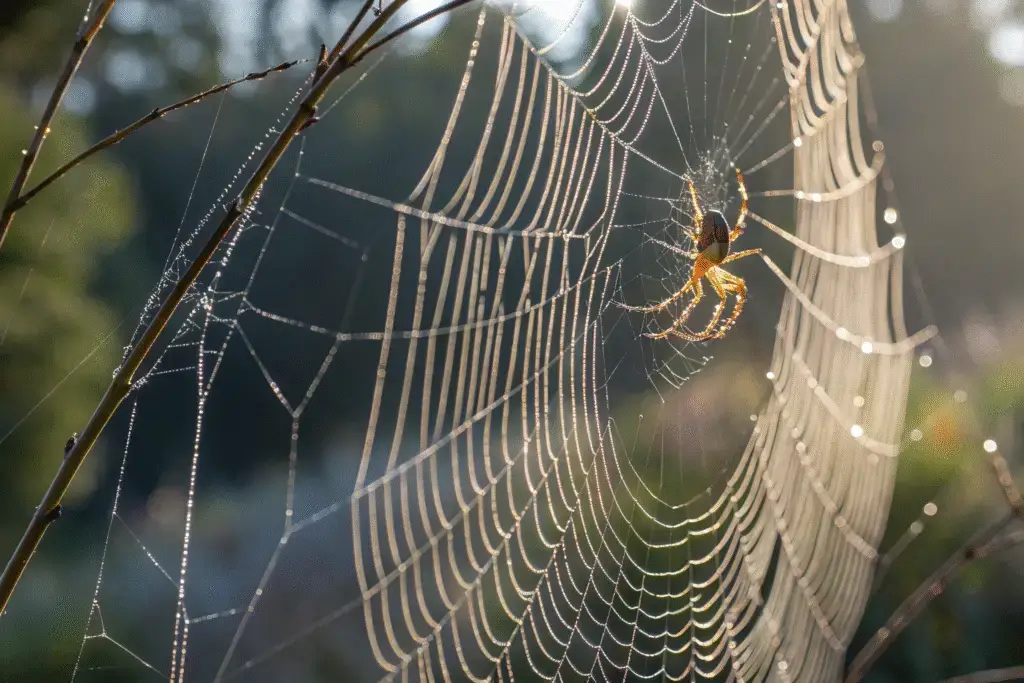
Spider silk combines toughness and flexibility in a way few materials can. It is stronger than steel by weight yet stretches more than nylon.
This rare mix of properties makes it ideal for clothing, medical tools, and industrial gear.
How does it compare to synthetics?
Unlike polyester or nylon, spider silk is biodegradable and renewable. National Geographic calls it one of nature’s most sustainable fibers.
Are there uses outside textiles?
Yes. Science reports it is being tested for stitches, tissue scaffolds, and even protective armor.
How does fermentation create spider silk proteins?
Instead of relying on spiders, scientists insert silk genes into host organisms such as yeast or E. coli. These microbes then grow and release silk proteins during fermentation.
The proteins are harvested, purified, and spun into fibers that mimic natural silk.
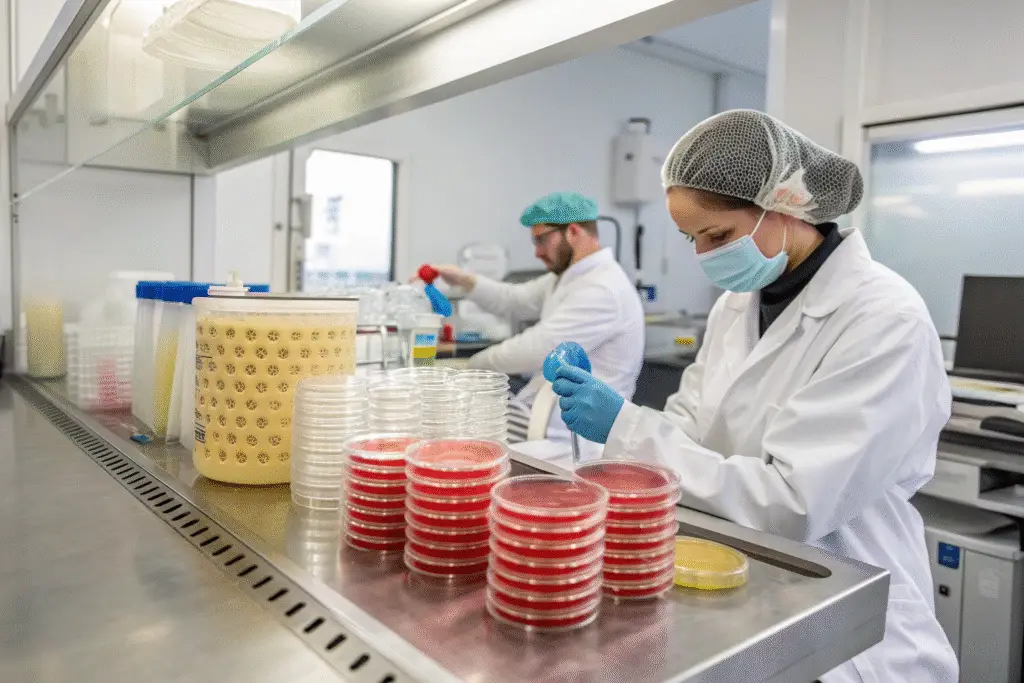
Why choose fermentation?
It offers a controlled, scalable way to produce consistent results. Nature Biotechnology explains fermentation as the most practical path for protein fibers.
What are current barriers?
Cost remains high. MIT Technology Review points out that efficiency improvements are needed before it can be fully commercial.
Why is growth happening now?
Global demand for eco-friendly materials is higher than ever, and funding in biotech has increased. These forces are pushing spider silk forward.
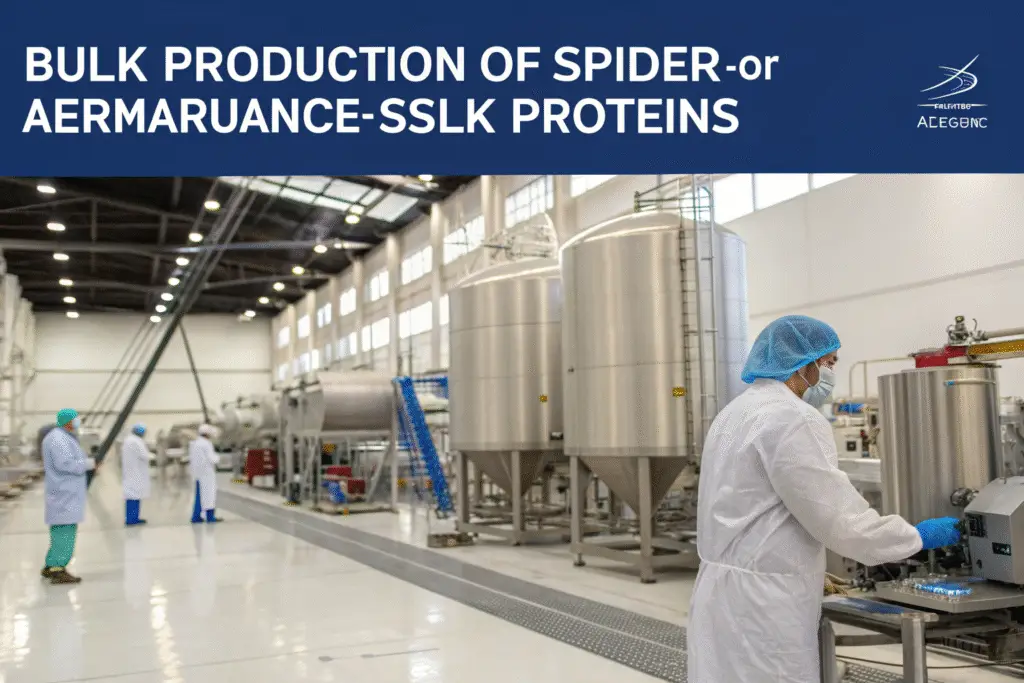
Industries from fashion to aerospace are creating demand for bulk production of spider silk proteins.
Which sectors are leading?
Fashion houses like Stella McCartney have worked with biotech firms to release spider-silk-inspired collections. Aerospace firms look at it for lightweight, fuel-saving materials.
What triggered the timing?
Consumer demand for sustainable fashion and new investments in bio-based technology have aligned. McKinsey stresses climate pressure as a major driver.
What future opportunities exist?
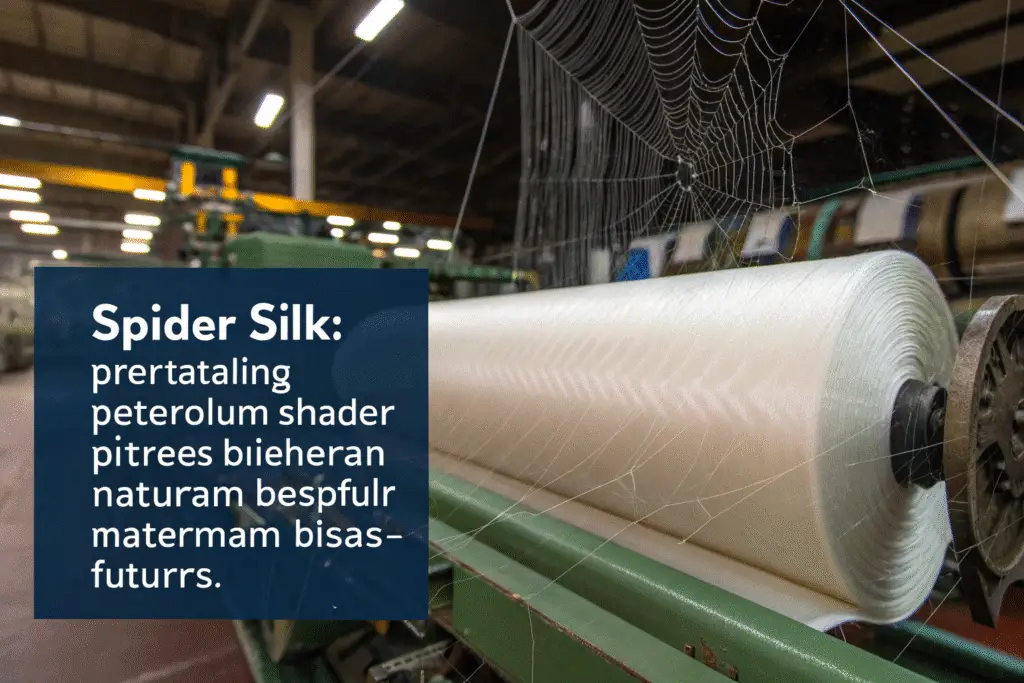
Scaling fermentation opens new doors for clothing, healthcare, and engineering.
As efficiency improves, spider silk could replace petroleum-based fibers in mainstream markets.
Will consumers see spider silk clothing soon?
Yes. Costs are still high, but Forbes reports that early products are already on the market in limited runs.
How about advanced industries?
Research is underway into spider silk for electronics, composites, and sustainable tech. Scientific American highlights its potential in next-gen innovation.
Conclusion
The rise of spider silk fermentation shows how biotech and sustainability goals are coming together. By offering strength, flexibility, and biodegradability, spider silk could change textiles, medicine, and high-performance gear.
At Shanghai Fumao, we keep a close eye on advanced fabrics that could shape the future. If your brand is ready to explore sustainable and innovative textiles, contact our Business Director Elaine at elaine@fumaoclothing.com. Together, we can bring the next generation of materials into your apparel lines.