Wearable innovation has entered a new phase, moving past external gadgets and into the fabric itself. Threads designed with conductivity and sensing abilities turn everyday clothing into connected tools.
Smart thread technology advances wearables by blending electronic capability into textiles without adding bulk or discomfort.
As a result, garments can monitor health, harvest energy, and interact with the environment while still looking and feeling like normal clothing.
How Do Smart Threads Enhance Health Monitoring?
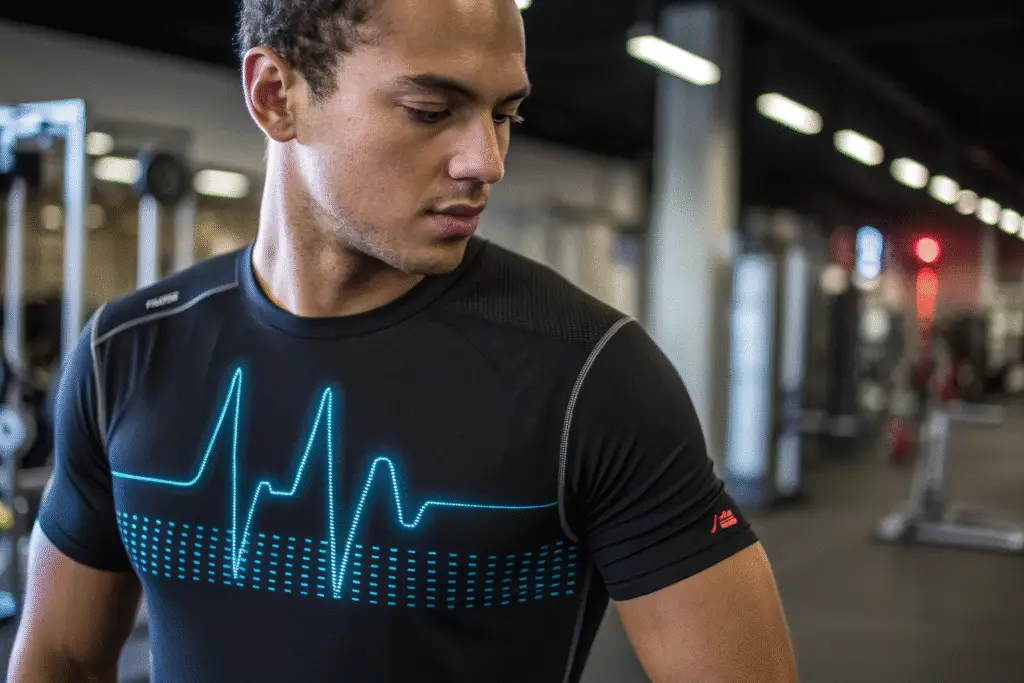
Among the most practical applications of smart fabrics is medical and athletic monitoring. Instead of attaching sensors, threads themselves track vital signs.
These integrated fibers deliver real-time data that helps doctors, patients, and athletes improve performance and safety.
What health data can smart fabrics track?
Conductive fibers can measure breathing, hydration, and muscle activity. The Cleveland Clinic notes that continuous monitoring can alert patients and doctors to cardiovascular risks early.
How does it benefit patients and athletes?
For patients, clothing provides long-term observation outside hospitals. Athletes gain insight into performance. According to NIH, such feedback helps adjust training and avoid injuries.
What Makes Smart Threads Different From Traditional Fabrics?
Smart threads do more than cover the body. By embedding sensors and conductive elements inside the yarn, textiles become interactive.
This turns fabrics from passive coverings into active systems capable of transmitting data.
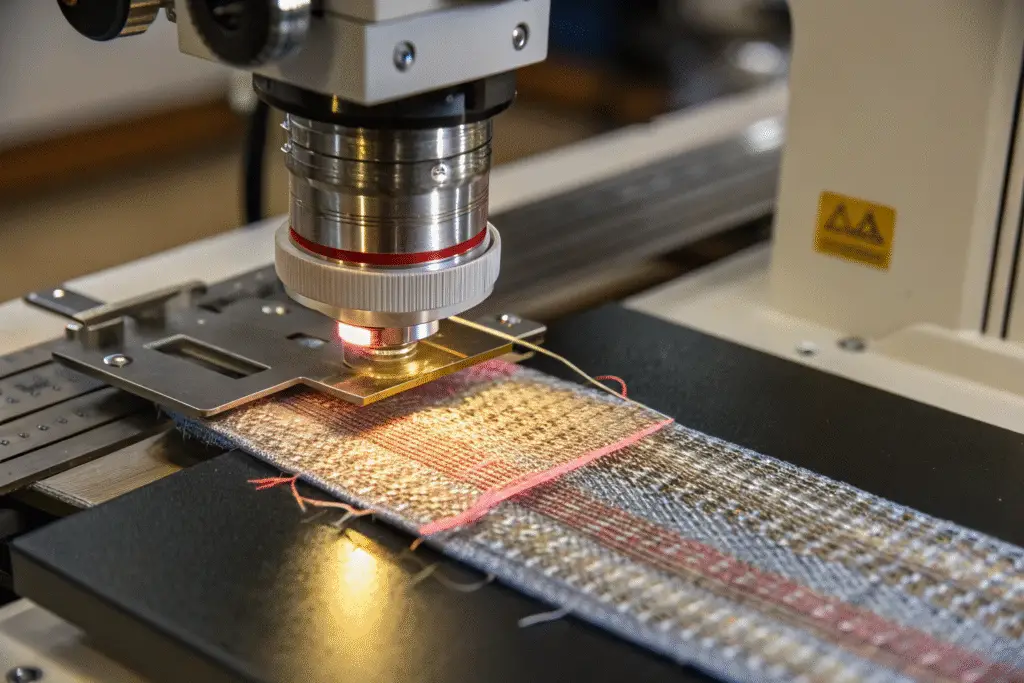
How do smart threads conduct signals?
Silver, copper, and carbon nanotubes are commonly blended with fibers. Nature describes how these remain conductive through bending and washing cycles.
Why is flexibility important?
Smart clothing must feel natural. MIT News shows that flexible conductive yarns preserve comfort while still carrying signals.
How Do Smart Threads Shape The Future Of Fashion?
Beyond healthcare, smart threads are transforming how people experience fashion. Designers now create interactive fabrics that respond to mood or environment.
Fashion becomes both expressive and functional when threads can shift color or pattern.

Can smart clothing change appearance?
Yes. Electrochromic fibers adjust appearance in real time. The Fashion Innovation Agency presents experiments where clothing reacts to light changes.
Will consumers adopt smart fashion widely?
Trends indicate rising demand. Forbes reports that personalization and technology are top drivers of fashion innovation, making adoption more likely.
Why Is Energy Harvesting In Threads A Game Changer?
Charging has always been a drawback of wearables. Smart textiles that store or produce energy overcome this obstacle.
Energy-harvesting fabrics allow clothing to power itself and the devices it supports.

How can fabrics produce electricity?
Piezoelectric and thermoelectric threads capture body movement or heat. ScienceDirect documents how these materials generate enough current for small electronics.
Why is this a breakthrough for wearables?
Self-powering fabrics simplify daily use. IEEE Spectrum states that eliminating constant recharging encourages adoption in healthcare and defense.
Conclusion
Smart thread technology pushes wearables beyond accessories into everyday garments. Conductive fibers, biosensors, and self-charging textiles deliver real benefits in medicine, energy, and fashion.
At Shanghai Fumao, we combine apparel expertise with advanced textile sourcing to create next-generation wearables. If your brand wants to explore this frontier, contact our Business Director Elaine at elaine@fumaoclothing.com.