The rise of fast fashion once overshadowed traditional apparel cycles—but today, American distributors are shifting back. They’re embracing slow fashion: intentional, ethical, and quality-driven production.
Slow fashion is gaining traction among US distributors because it reduces waste, enhances brand reputation, and aligns with consumer demand for transparency and longevity.
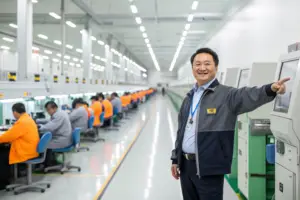
As a Chinese manufacturer supplying U.S. buyers, I’ve seen distributors shift their strategy—opting for smaller, more meaningful production runs over mass-market volume. Here's why that matters now more than ever.
What Is Driving the Slow Fashion Shift?
Several trends are steering distributors toward slower supply chains:
- Growing eco-awareness among consumers
- Rise of ethical and transparent sourcing
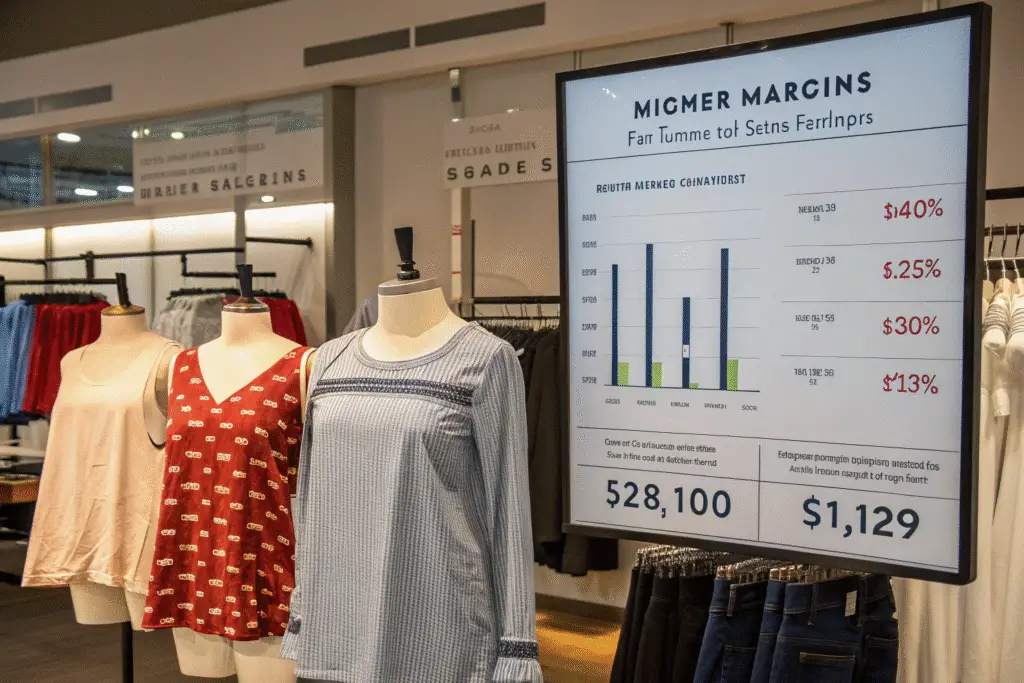
- Better margins for curated collections
- Ability to move faster on seasonal trends without overstock
Distributors are rediscovering value in quality over quantity—responding to retail's demand for authenticity.
How Does Consumer Behavior Influence This?
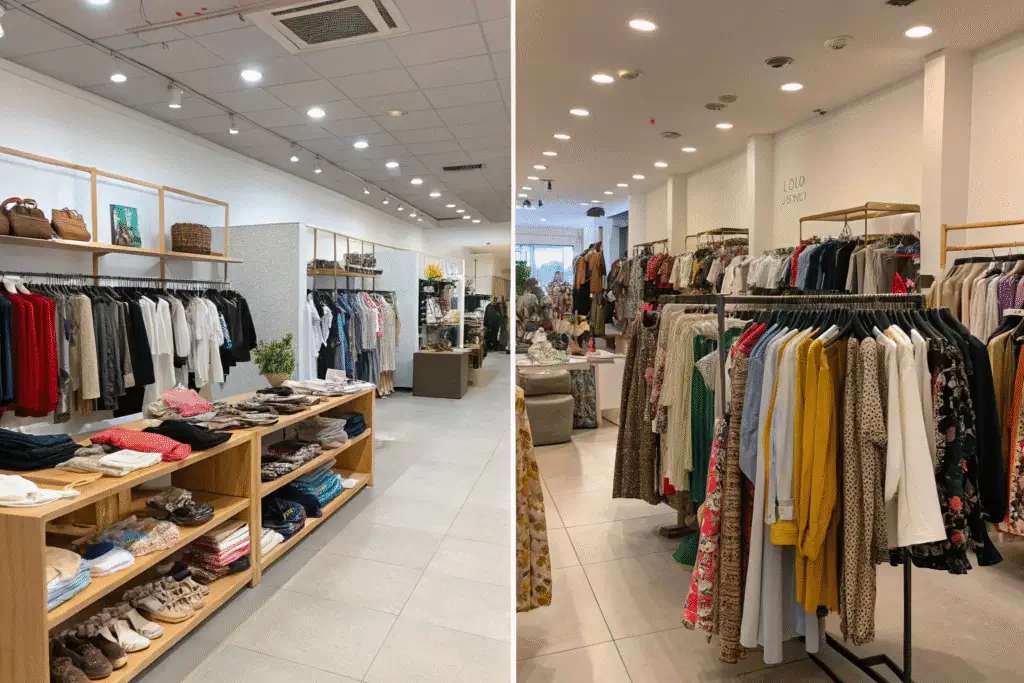
Recent surveys show 67% of US consumers prefer quality garments that last over cheap, disposable styles (McKinsey & Company). Distributors respond by curating fewer SKUs with stronger storylines and heritage design.
What Business Benefits Does Slow Fashion Offer?
Slow fashion isn't charity—it’s smart business.
Buyers enjoy better profitability, lower markdowns, and stronger supplier relationships when they go slow.
Do Suppliers Offer Better Partnerships?
Yes—smaller, repeat orders lead to tighter collaboration. Factories can accommodate unique trims, limited colorways, and flexible shipments that align with distributor strategy.
Are Consumers More Loyal?
Absolutely. Brands focused on story and craftsmanship cultivate repeat customers and referrals—unlike fast-fashion impulse buys.
How Are Distributors Adapting Supply Chains?
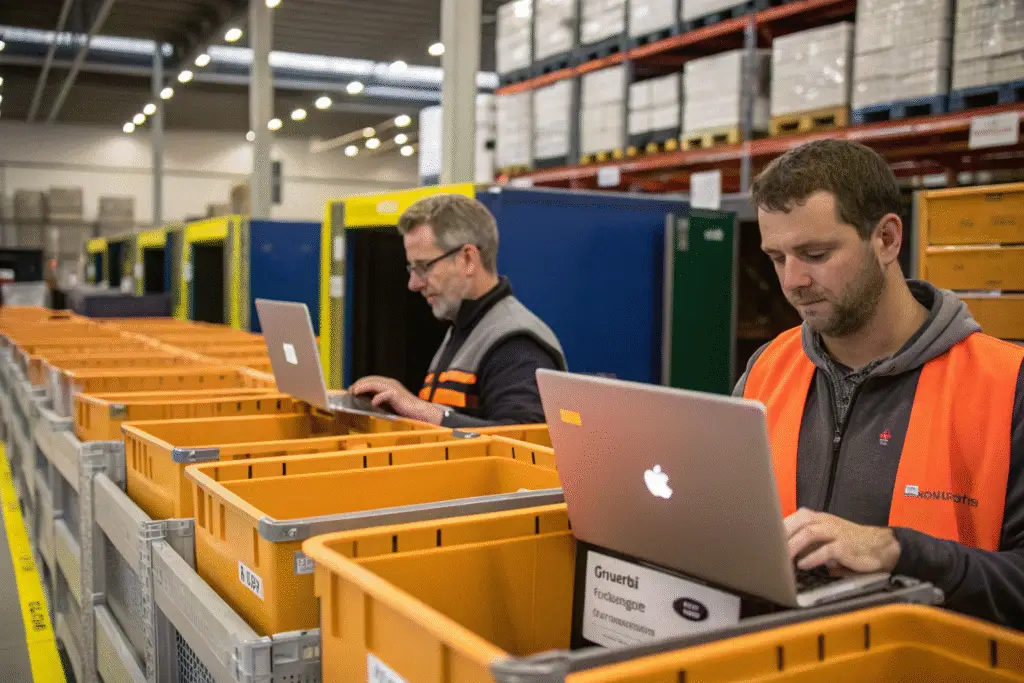
Shifting from container-load volumes to curated shipments transforms operations.
Inventory is now aligned with market demand—not fashion calendar hype.
Should You Use Smaller MOQ and Lean Inventory?
Yes. Distributors are working with mid-sized MOQ (500–2,000 pcs) to reduce excess. This lowers warehousing cost and frees cash flow for marketing and product storytelling.
What Role Does Transparency Play?
Buyers and end consumers demand traceability. Distributors highlight certifications like OEKO‑TEX, GOTS, or B-Corp in product listings, building trust across every decision.
How Is Slow Fashion Affecting Product Development?
Distributors are partnering directly with factories like ours for thoughtful capsule collections.
These lines feature timeless cuts, sustainable fibers, and limited editions tied to brand stories.
Are Eco-Fiber Selections Vital?
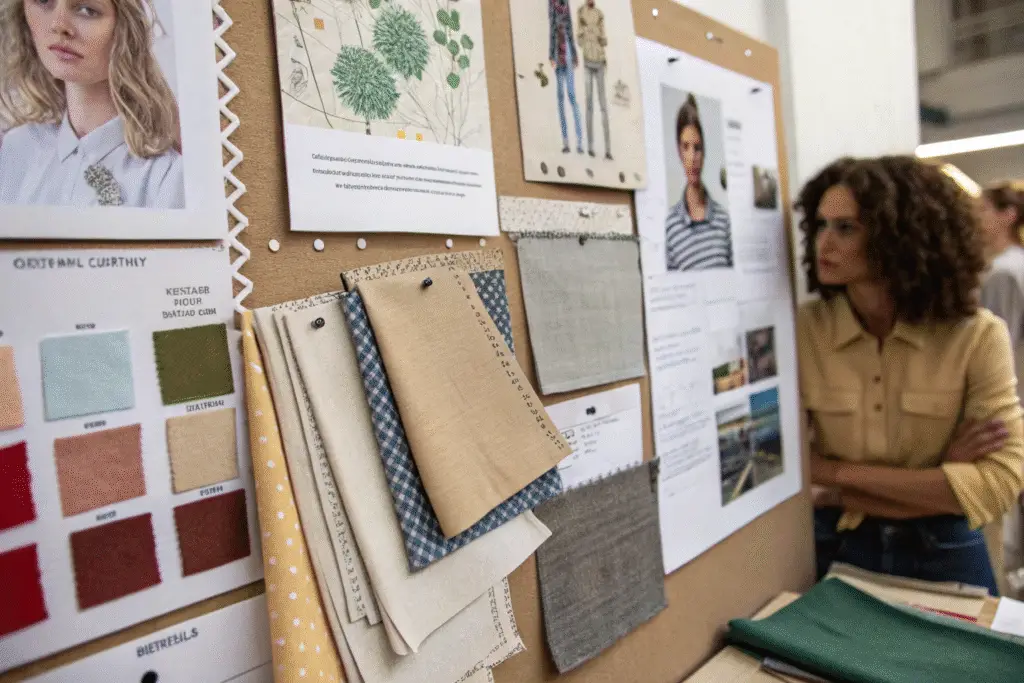
Yes. Sustainable fibers like organic cotton, hemp, and Bamboo TENCEL™ appeal to conscious shoppers and often align with slow fashion ethics.
Can Quality Raise Perceived Value?
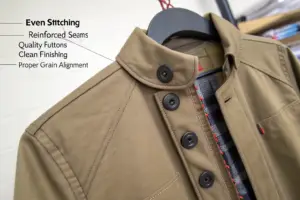
Attention to details—like mother-of-pearl buttons, double-stitch hems, and hand-finished seams—turn garments into keepers, not disposables.
How to Succeed in Slow Fashion as a Distributor
Distributors must adjust strategies to ride this wave.
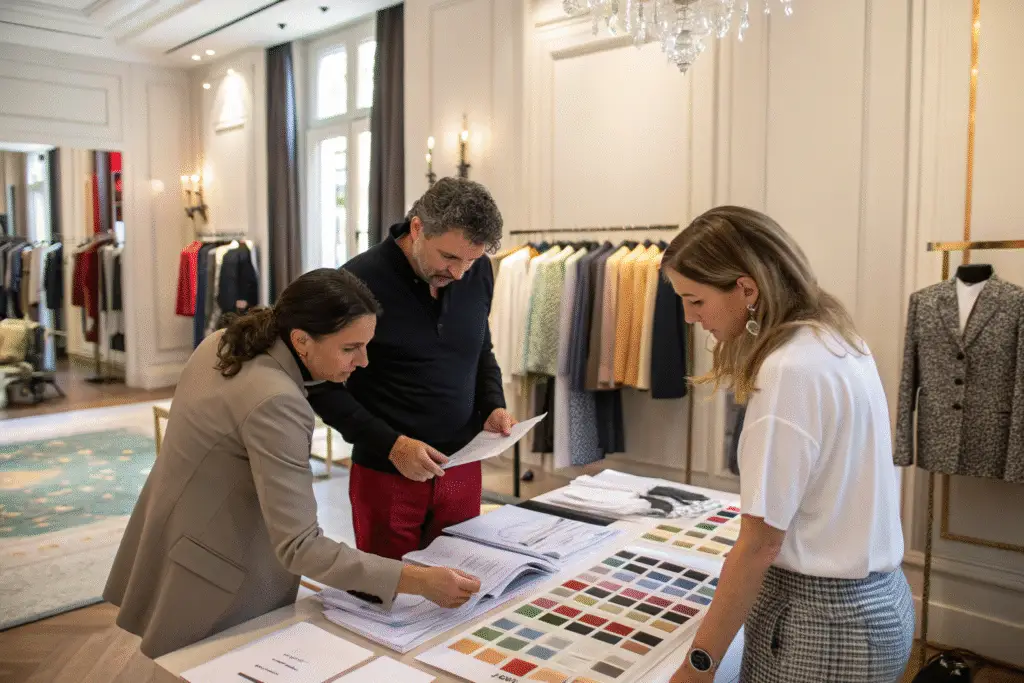
It comes down to curation—select fibers, production runs, design values, and storytelling that resonate.
What SKUs Work Best?
- Essentials with weave twist—think core tees, uniform shirts, light jackets
- Limited-edition seasonal drops in pre-orders to reduce waste
- Collaborative branded capsules for micro-brand storytelling
How Should You Price Slow Fashion?
Target margins 45–60% above landed cost. The story, quality, and ethics justify higher consumer price without losing competitiveness.
Conclusion
Slow fashion is more than nostalgia—it’s today’s competitive edge. For US distributors, it offers strategic benefits: lower risk, stronger brand resonance, and healthier margins.
By prioritizing intentional design, sustainable materials, and flexible production, distributors can thrive in a market that values meaning over mass. That’s why slow fashion isn’t just trending—it’s here to stay.